
 EN
EN



The PP Cap represents one of the most critical components in modern packaging manufacturing, particularly for industries requiring precision, reliability, and regulatory compliance. Understanding the technical specifications of PP Cap production is essential for manufacturers seeking to optimize their operations, maintain consistent quality, and meet stringent market demands. This comprehensive guide explores the detailed specifications that define PP Cap production, from material composition to dimensional tolerances and performance standards.
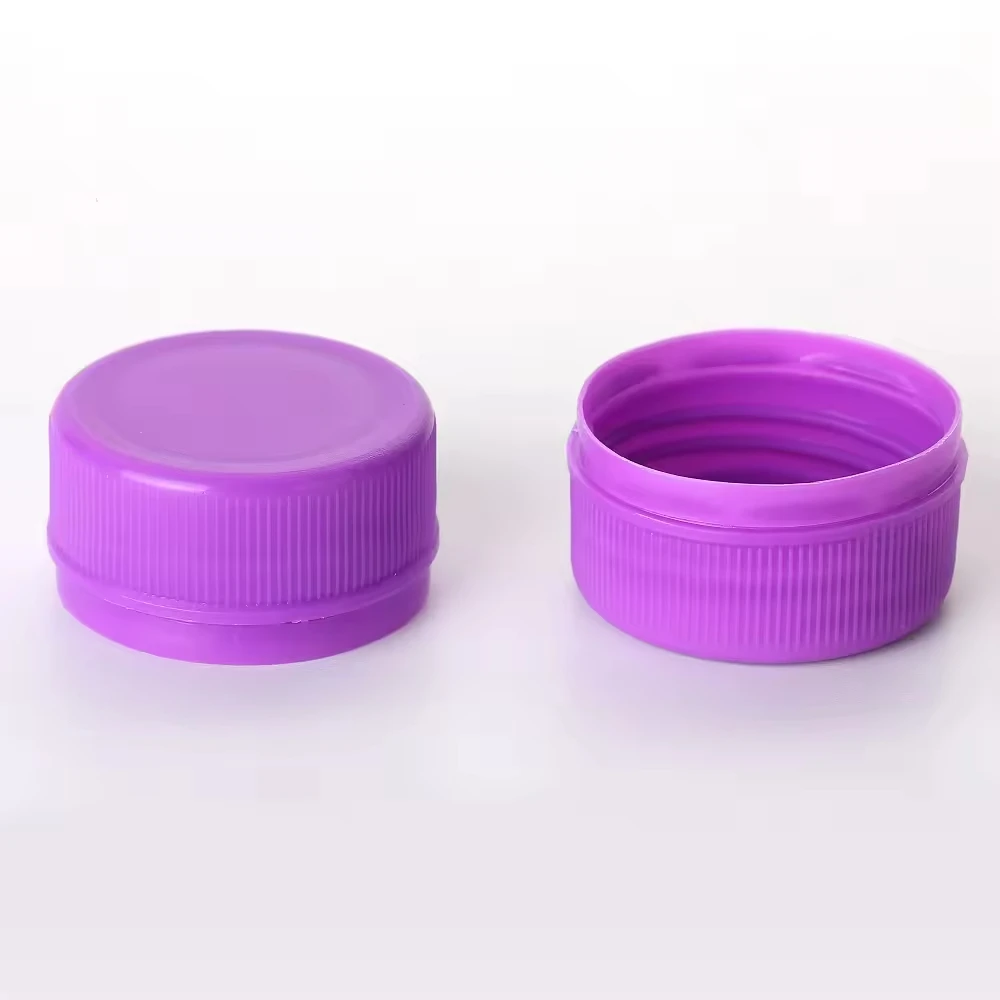
A PP Cap serves multiple functions beyond simple closure, acting as a protective barrier, tamper-evident indicator, and brand presentation element. The technical specifications governing PP Cap design and manufacturing directly influence product integrity, user safety, and consumer confidence. Precision in PP Cap production requires attention to material properties, dimensional accuracy, and performance validation across all production batches.
Material Composition and Properties
Polypropylene Grade Selection for PP Cap Production
The foundation of any PP Cap specification begins with polypropylene material selection. High-precision PP Cap manufacturing requires specific polypropylene grades that offer optimal balance between rigidity, flexibility, and chemical resistance. The molecular weight distribution, melt flow index, and polymer crystallinity directly impact the performance characteristics of the final PP Cap product. Manufacturers must select homopolymer or copolymer polypropylene based on application requirements, with copolymer resins providing superior impact resistance for PP Cap applications involving frequent handling or temperature fluctuations.
The PP Cap material must maintain dimensional stability across storage temperatures ranging from -20°C to 60°C, with specific attention to thermal expansion coefficients. Polymer additives including UV stabilizers, antioxidants, and lubricants are incorporated during PP Cap manufacturing to enhance durability and processing efficiency. Quality assurance protocols require testing of virgin polypropylene feedstock prior to PP Cap production, verifying melt flow index consistency and contamination absence within defined tolerance ranges.
Chemical Resistance and Compatibility Standards
The PP Cap material composition must resist prolonged contact with diverse liquid contents including oils, alcohols, and acidic solutions common in pharmaceutical and chemical industries. Polypropylene's inherent chemical resistance makes it ideal for PP Cap applications, yet specific formulations require validation against target product contents. The PP Cap material undergoes immersion testing protocols per international standards to confirm compatibility with aggressive substances without swelling, discoloration, or loss of mechanical properties.
Additive selection in PP Cap manufacturing significantly influences chemical resistance characteristics. Antioxidants prevent polymer degradation when PP Cap products contact oxidizing compounds, while UV stabilizers protect against photodegradation in applications involving transparent containers. Each PP Cap formulation receives documentation detailing chemical compatibility data, enabling customers to verify suitability for specific packaging applications.
Dimensional Specifications and Tolerances
Thread Geometry and Pitch Standards
The PP Cap threading system represents one of the most critical specification elements, as thread geometry directly determines fit, seal integrity, and user experience. Standard PP Cap designs incorporate metric thread pitches ranging from 20 millimeters to 110 millimeters, with each PP Cap thread profile engineered to specific angle and depth parameters. The thread pitch, typically 3.81 millimeters for common 28-millimeter PP Cap configurations, must remain consistent within 0.05-millimeter tolerances to ensure reliable engagement with corresponding container threads.
PP Cap thread specifications include root radius design, flank angle precision, and engagement depth requirements that directly influence insertion torque characteristics and seal performance. High-precision PP Cap manufacturing employs CNC injection molding or compression molding technologies capable of maintaining thread dimensional tolerances within ±0.1 millimeters. The PP Cap thread geometry undergoes dimensional verification through coordinate measuring machines and thread plug gauges, confirming compliance with customer specifications and industry standards.
Overall Diameter and Height Tolerances
The overall diameter of a standard PP Cap production typically maintains specifications between 27.8 and 28.2 millimeters for 28-millimeter size classifications, with height tolerances ranging from 11 to 15 millimeters depending on specific design requirements. These PP Cap dimensional specifications ensure compatibility with standardized container openings while preventing loose or excessively tight fits that compromise usability. The PP Cap wall thickness typically ranges from 1.2 to 1.8 millimeters, balancing structural rigidity with material efficiency and injection molding feasibility.
Manufacturing precision for PP Cap dimensions requires controlled molding parameters including mold temperature, injection pressure, cooling time, and gate design optimization. The PP Cap specification documentation includes detailed technical drawings with all critical dimensions, tolerance ranges, and datum references. Post-molding inspection protocols verify PP Cap dimensional compliance through automated optical systems and manual verification, ensuring batch consistency and customer satisfaction.
Sealing Systems and Performance Standards
Liner Material and Sealing Effectiveness
The PP Cap sealing system incorporates specialized liner materials engineered to create hermetic closure characteristics that prevent product leakage and contamination ingress. Common liner options for PP Cap applications include pulp-polyethylene laminates, wad materials, and foam compositions selected based on product compatibility and performance requirements. The PP Cap liner thickness typically measures 2.0 to 2.5 millimeters, providing adequate compression to achieve required sealing force without excessive resistance during opening procedures.
PP Cap sealing performance undergoes rigorous testing including pressure burst testing, vacuum retention verification, and leakage simulation protocols conducted per international standards. The PP Cap liner must maintain seal integrity across temperature cycling from -10°C to 50°C and pressure variations from 0 to 5 bar, simulating realistic storage and transportation conditions. Testing protocols for PP Cap sealing systems include water immersion tests, humidity chamber exposure, and accelerated aging procedures that validate long-term performance and product integrity maintenance.
Tamper-Evident Features and Security Elements
Modern PP Cap production frequently incorporates tamper-evident bands or breakable skirts that provide visual indication of package compromise and enhance consumer confidence. These PP Cap security features must disengage cleanly during opening while remaining securely attached prior to first use, requiring precise design of connection points and material thickness ratios. The PP Cap tamper-evident band typically incorporates perforations or score lines engineered to fail at specific torque levels, ensuring controlled separation without sharp edges or residual fragments.
The PP Cap tamper-evident system specification includes documentation of separation force requirements, typically ranging from 0.5 to 1.5 Newton-meters depending on application context. Quality assurance for PP Cap tamper-evident functionality involves mechanical testing of sample units from each production batch, confirming consistent performance and reliable consumer-facing security indication. Advanced PP Cap designs incorporate holographic elements or color-changing inks that provide additional authentication capabilities in premium applications.
Quality Assurance and Production Standards
Manufacturing Process Control and Testing Protocols
High-precision PP Cap production requires comprehensive process control systems monitoring mold temperature, injection parameters, cooling rates, and cycle timing throughout manufacturing operations. Each PP Cap batch receives documentation of process parameters, material lot numbers, and environmental conditions during production, enabling traceability and non-conformance investigation. Statistical process control charts track PP Cap dimensional parameters, ensuring manufacturing consistency and early detection of process drift or equipment degradation requiring corrective action.
PP Cap quality assurance encompasses destructive and non-destructive testing methodologies including tensile strength verification, impact resistance evaluation, and accelerated life testing. The PP Cap specification typically requires minimum tensile strength of 35 to 45 megapascals and impact resistance exceeding 5 kilojoules per square meter, confirming structural integrity under realistic handling conditions. Batch testing protocols for PP Cap products involve random sampling procedures, dimensional verification, and functional performance validation before product release.
Regulatory Compliance and Certification Requirements
PP Cap manufacturing must comply with international regulatory frameworks including FDA regulations for food contact applications, USP standards for pharmaceutical packaging, and ISO specifications for general bottle closure requirements. The PP Cap material composition documentation must verify absence of prohibited substances including heavy metals, phthalates, and bisphenol compounds, providing customers with regulatory assurance. Pharmaceutical-grade PP Cap production often requires additional certifications confirming suitability for sensitive applications and compliance with stringent contamination control standards.
PP Cap manufacturers maintain quality management systems certified to ISO 9001 or equivalent standards, establishing documented procedures for production control, inspection protocols, and non-conformance management. Each PP Cap product receives documentation packages including material safety data sheets, compatibility matrices, and performance test certificates enabling customer confidence and regulatory submission support. The PP Cap specification repository maintains updated documentation reflecting current production capabilities, material sources, and process improvements implementing industry best practices.
FAQ
What dimensional tolerances apply to standard PP Cap production specifications?
Standard PP Cap dimensions maintain tolerances of ±0.2 millimeters for overall diameter, ±0.5 millimeters for height, and ±0.1 millimeters for thread geometry, ensuring reliable fit and performance across production batches. These PP Cap tolerance ranges balance manufacturing feasibility with functional requirements, enabling consistent performance without excessive tooling complexity. Customers may specify tighter tolerances for specialized applications, requiring updated tooling and process validation procedures.
How does PP Cap liner selection impact sealing performance and product compatibility?
PP Cap liner material composition directly influences sealing effectiveness, product compatibility, and shelf-life performance characteristics. Different PP Cap liner formulations offer varying chemical resistance, compression set recovery, and compatibility with aggressive liquids, requiring careful selection based on specific product requirements. Testing protocols validate each PP Cap liner formulation against target contents, ensuring reliable performance and preventing product contamination or leakage throughout the intended storage period.
What quality assurance procedures ensure consistent PP Cap production across batches?
Comprehensive PP Cap quality assurance includes statistical process control monitoring, random batch sampling with dimensional verification, functional testing, and documented traceability throughout manufacturing operations. Each PP Cap batch receives testing for critical parameters including tensile strength, sealing integrity, thread engagement torque, and tamper-evident functionality. Process control systems track mold temperatures, injection parameters, and cooling rates, enabling early detection of deviations and corrective action implementation before non-conforming PP Cap products reach customers.