
 EN
EN


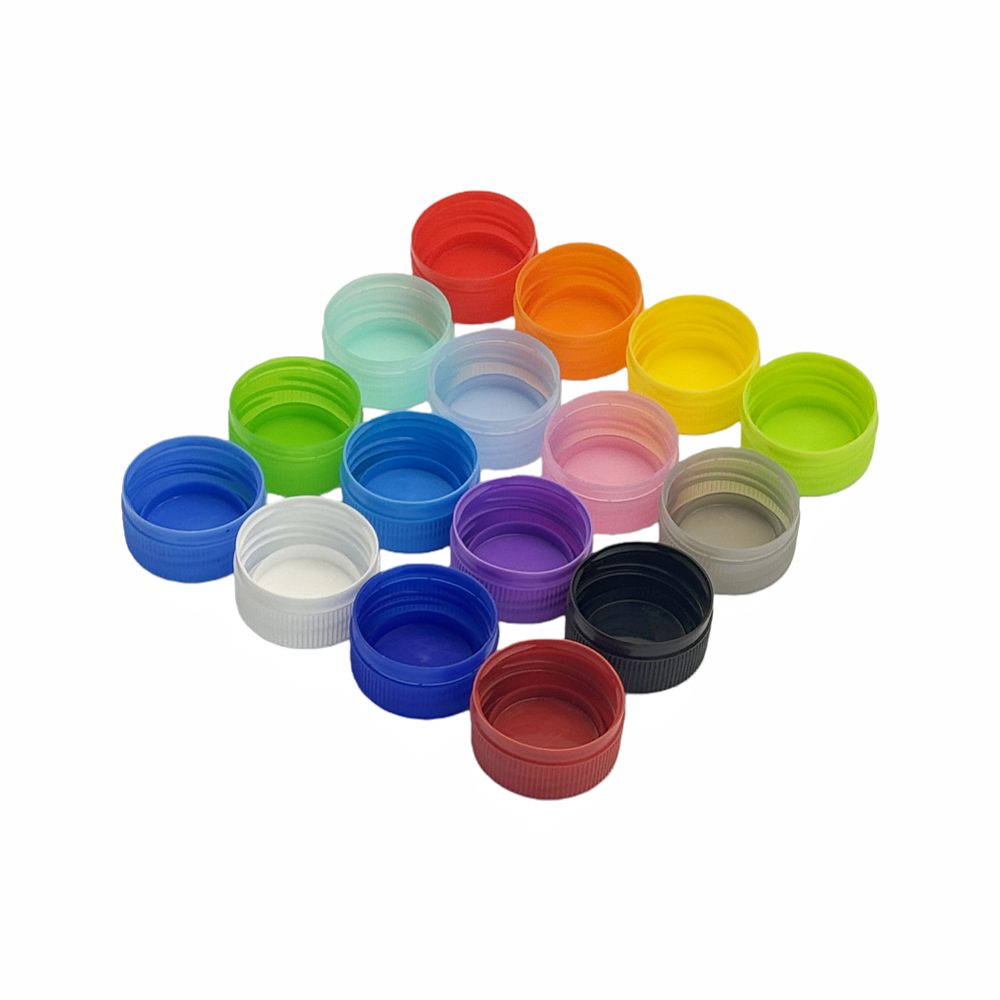
The PP Cap represents one of the most reliable solutions in modern packaging, combining exceptional durability with remarkable flexibility to meet the demanding requirements of industrial and commercial applications. Understanding the key characteristics that define a PP Cap is essential for manufacturers, distributors, and retailers who need to protect their products while maintaining cost efficiency and consumer appeal. A PP Cap delivers performance across diverse environments, from pharmaceutical bottles to food containers, making it an indispensable component in global supply chains.
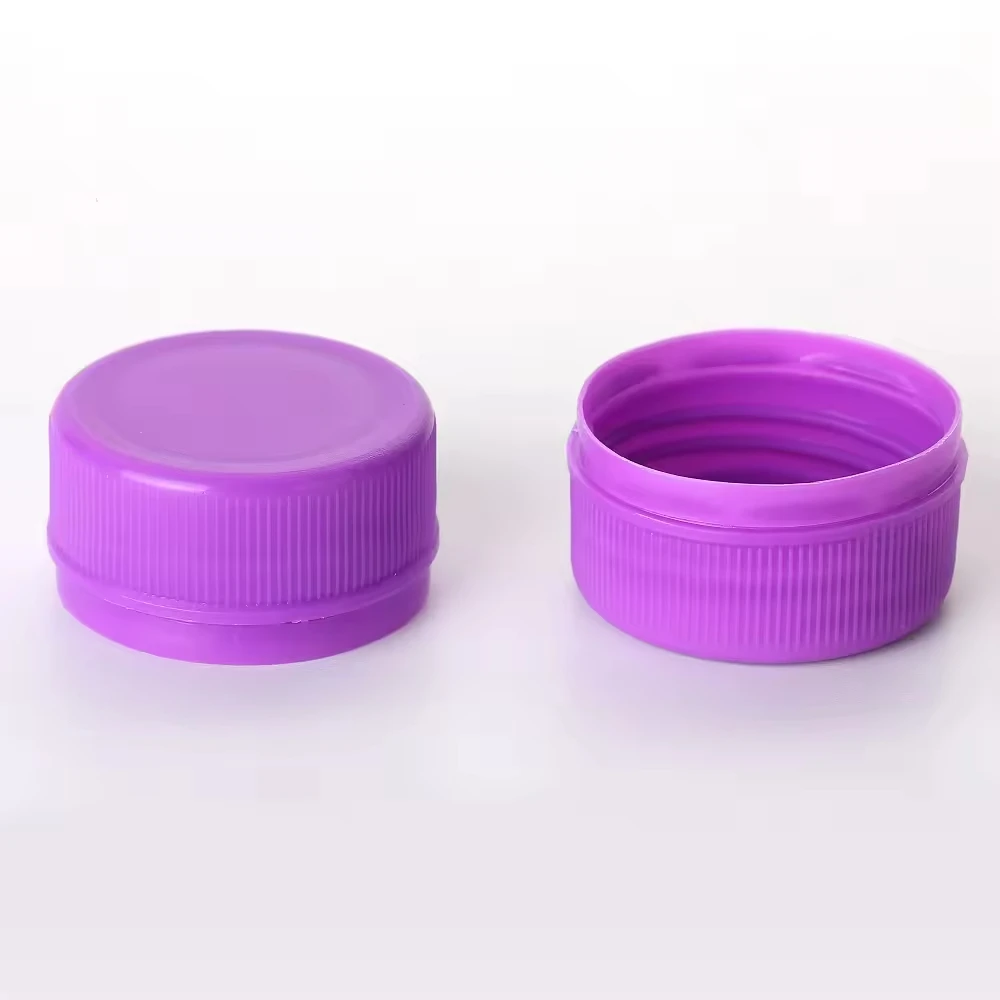
The success of any packaging solution depends on how well it balances competing demands, and a PP Cap achieves this balance through carefully engineered material properties and design innovation. When selecting bottle caps for your products, the durability and flexibility characteristics of a PP Cap determine whether your packaging will protect contents effectively, withstand shipping and storage stress, and maintain consumer confidence throughout the product lifecycle.
Material Properties That Define PP Cap Performance
Polypropylene Composition and Chemical Resistance
The foundation of any PP Cap lies in polypropylene, a thermoplastic polymer known for its exceptional chemical resistance and lightweight nature. Polypropylene provides the base material that allows a PP Cap to resist corrosive substances, oils, acids, and alkaline solutions without degradation or failure. This chemical stability ensures that a PP Cap maintains its structural integrity even when exposed to aggressive liquids, making it suitable for pharmaceutical, chemical, and food applications where compatibility with contents is critical. The material's resistance to moisture absorption means a PP Cap retains its dimensional stability and sealing properties across humidity variations and extended storage periods.
Temperature Tolerance and Environmental Stability
A PP Cap demonstrates superior performance across a broad temperature range, maintaining flexibility and structural strength from freezing conditions to elevated storage temperatures. The molecular structure of polypropylene allows a PP Cap to resist embrittlement in cold environments while maintaining its seal integrity even as contents warm during distribution. This thermal stability differentiates a PP Cap from competing materials, ensuring that your packaging performs consistently regardless of climate, shipping route, or seasonal temperature fluctuations. Industrial applications demanding temperature cycling benefit significantly from a PP Cap's inherent ability to absorb thermal stress without cracking or losing elasticity.
Durability Characteristics That Protect Product Value
Impact Resistance and Mechanical Strength
Durability represents the cornerstone of effective packaging protection, and a PP Cap delivers this through engineered impact resistance that absorbs shipping shocks and handling stresses. The molecular flexibility of polypropylene, combined with strategic wall thickness variations in a PP Cap design, creates a structure that resists cracking under mechanical stress while maintaining consistent sealing pressure. A PP Cap can withstand drop impacts, compression forces in palletized shipments, and rough handling throughout the supply chain without experiencing failure. This mechanical durability directly translates to reduced product loss, fewer customer complaints, and improved shelf performance in retail environments where packaging integrity influences purchase decisions.
Long-Term Environmental Resistance
Beyond immediate mechanical performance, a PP Cap maintains durability through extended exposure to environmental factors that degrade inferior materials. UV resistance additives in premium formulations ensure that a PP Cap resists photodegradation when exposed to sunlight during storage or retail display, preserving appearance and sealing effectiveness. The resistance to oxidation means a PP Cap retains flexibility and strength even after months of storage in warehouses or distribution centers. For applications requiring extended shelf life, selecting a PP Cap with proven environmental resistance protects both product quality and brand reputation by ensuring consistent package appearance and reliable performance from manufacture through consumer use.
Flexibility Characteristics That Enable Reliable Sealing
Elastic Recovery and Seal Integrity
Flexibility in a PP Cap design serves a critical functional purpose beyond material characteristics, enabling the cap to compress during installation and recover its original shape to maintain consistent sealing pressure throughout product life. This elastic behavior allows a PP Cap to accommodate minor dimensional variations in bottle threads while sustaining an airtight seal that protects contents from contamination and oxidation. The flexibility of a PP Cap also enables easier consumer opening compared to rigid alternatives, improving user experience while maintaining tamper-evident security features in pharmaceutical and food applications. Advanced formulations ensure that a PP Cap maintains elastic recovery even after repeated opening and closing, preserving seal integrity during extended product use.
Design Versatility and Customization Options
The inherent flexibility of polypropylene enables manufacturers to design a PP Cap with sophisticated features including induction seal compatibility, tamper-evident bands, and ergonomic grip sections that rigid materials cannot accommodate. A PP Cap design can incorporate texture, ridging, and contoured profiles that enhance grip while reducing hand fatigue during opening, improving consumer satisfaction and product differentiation in competitive markets. The material's moldability allows a PP Cap to integrate color gradients, brand logos, and dimensional variations that communicate product quality and authenticity. This design flexibility makes a PP Cap an ideal platform for brand expression while maintaining cost efficiency in high-volume production environments where customization demands would otherwise increase manufacturing complexity.
FAQ
Why should manufacturers choose a PP Cap over alternative materials like metal or HDPE?
A PP Cap offers superior value through the combination of chemical resistance, temperature tolerance, and design flexibility that metal alternatives cannot match while providing better durability and seal performance than HDPE in most applications. The cost advantage of a PP Cap, combined with its lightweight nature that reduces shipping expenses, makes it the preferred choice for manufacturers balancing performance requirements with economic constraints. Additionally, a PP Cap integrates more easily with modern sealing technologies and automation equipment, reducing production costs and improving supply chain efficiency compared to materials requiring specialized handling or processing modifications.
How does a PP Cap maintain seal integrity during extended storage and temperature cycling?
A PP Cap maintains sealing performance through the material's inherent ability to recover elastically after compression and thermal cycling, ensuring consistent contact pressure with the bottle finish regardless of environmental stress. The stable molecular structure of polypropylene prevents creep, which is the permanent dimensional change that occurs in inferior materials under sustained pressure, meaning a PP Cap preserves its original sealing characteristics throughout extended storage periods. Temperature cycling causes minimal expansion or contraction in a PP Cap compared to metal alternatives, preventing the gap formation that allows product contamination and quality degradation during storage and distribution.
What customization options are available when designing a PP Cap for specific applications?
Manufacturers can customize a PP Cap through selection of thread types, sizes, wall thickness, color formulations, and textured surface patterns that meet specific product and consumer requirements. A PP Cap can incorporate graduated embossing for measuring applications, induction seal liners for pharmaceutical protection, and tamper-evident bands for consumer safety assurance without compromising material performance or manufacturing efficiency. The flexibility of polypropylene allows designers to create sophisticated a PP Cap with integrated features like desiccant compartments or pressure relief valves while maintaining the durability and sealing integrity that define high-performance packaging solutions.