
 EN
EN



Hot filling processes demand closures that can withstand extreme temperatures without compromising seal integrity or structural stability. The PP Cap has emerged as a leading solution in beverage, pharmaceutical, and industrial packaging due to its exceptional thermal performance. Unlike standard plastic caps, a properly engineered PP Cap maintains its mechanical properties when exposed to temperatures ranging from 70°C to 90°C during the filling cycle, making it ideal for products like fruit juices, sauces, and other heat-sensitive beverages that require sterilization or hot-fill-hold processing.
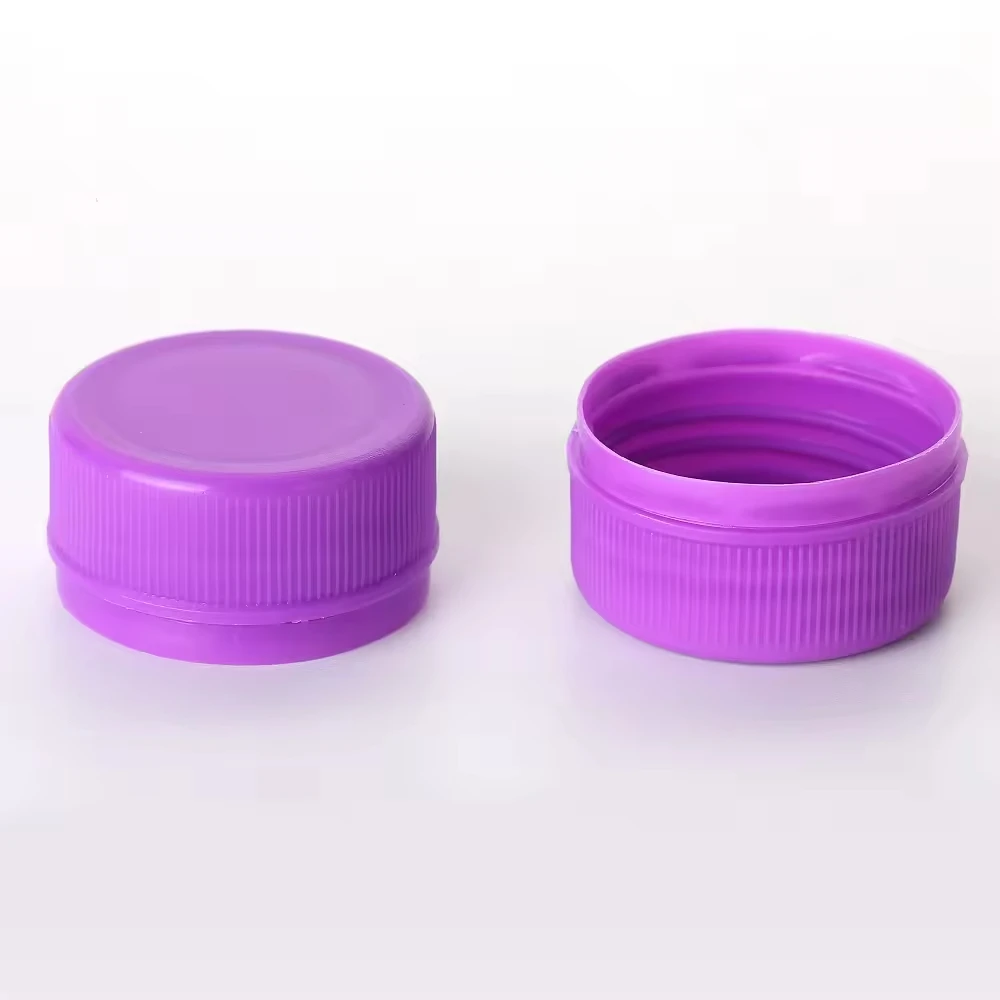
Understanding the advantages of a PP Cap in hot filling applications requires examining the material science, design factors, and real-world performance metrics that distinguish this closure type from alternatives. Organizations handling temperature-sensitive products invest significantly in packaging solutions that prevent leakage, maintain product freshness, and meet regulatory compliance standards. This article explores the technical advantages of the PP Cap, its thermal resistance mechanisms, and practical considerations for selecting this closure for your hot filling operations.
Understanding PP Cap Material Properties and Heat Resistance
Thermal Stability of Polypropylene
Polypropylene, the base material for a PP Cap, exhibits superior heat resistance compared to polyethylene terephthalate (PET) and other thermoplastic alternatives. The molecular structure of polypropylene allows it to maintain tensile strength and elasticity even when subjected to elevated temperatures encountered during hot filling. A PP Cap typically remains dimensionally stable up to 120°C, though practical hot filling applications rarely exceed 90°C due to product formulation constraints. This thermal window provides manufacturers with a substantial safety margin, ensuring that a PP Cap will not warp, soften, or lose its sealing properties during the filling and cooling process.
Crystalline Structure and Durability
The crystalline structure of polypropylene directly contributes to a PP Cap's ability to resist thermal degradation and maintain mechanical integrity. During cooling cycles, polypropylene re-solidifies uniformly without experiencing the brittleness sometimes observed in other plastics. This characteristic means a PP Cap can be repeatedly sterilized, handled during production, and transported without developing micro-fractures that could compromise the seal. Industrial users consistently report that a PP Cap maintains zero defect rates across multiple thermal cycles, reducing product loss and minimizing waste in high-volume manufacturing environments.
Advantages of PP Cap in Hot Filling Processes
Superior Seal Integrity at Temperature
One of the most critical advantages of using a PP Cap is its ability to maintain an airtight seal when exposed to rapid temperature changes. When a PP Cap is applied to a hot-filled container, the internal pressure gradually decreases as the product cools. A properly designed PP Cap accommodates this pressure differential without compromising the seal or allowing oxygen ingress that could trigger oxidation or microbial contamination. The elasticity of the liner material inside a PP Cap ensures continuous contact with the bottle finish, preventing leakage even during temperature fluctuations in storage or transportation environments.
Prevention of Thermal Stress Cracking
Thermal stress cracking represents a major failure mode in inadequate closure systems during hot filling operations. A PP Cap resists this failure mechanism due to its high thermal expansion coefficient balance and material homogeneity. Unlike rigid caps that experience stress concentration at thread points, a PP Cap distributes thermal stress evenly across its structure. Manufacturers using a PP Cap report significantly lower rejection rates during quality control inspections, as the material naturally absorbs thermal shock without developing the stress fractures that compromise seal performance or cause product leakage during storage.
Extended Product Shelf Life and Quality Protection
The thermal performance characteristics of a PP Cap directly support extended shelf life and premium product quality throughout the distribution chain. Because a PP Cap maintains an effective barrier against oxygen permeation and moisture ingress, products sealed with this closure type experience minimal degradation even under challenging storage conditions. Beverage manufacturers report that products sealed with a PP Cap maintain flavor integrity, color stability, and nutritional content significantly longer than products using inferior closure systems. This performance advantage translates into competitive market positioning, higher customer satisfaction, and reduced spoilage losses that directly impact profitability.
Industrial Applications and Performance Benchmarks
Beverage Industry Hot Fill Standards
The beverage industry relies heavily on a PP Cap for hot filling applications because regulatory standards and product specifications demand closures capable of withstanding 80°C to 85°C filling temperatures. Fruit juice manufacturers, in particular, depend on a PP Cap to prevent oxidation and microbial contamination during the critical cooling phase when the product transitions from hot-fill conditions to ambient storage. Performance testing of a PP Cap under these conditions consistently demonstrates zero leakage rates, complete seal integrity, and preservation of product sensory attributes throughout a 24-month shelf life window. Industry benchmarks show that a PP Cap outperforms alternative closure systems by reducing product recalls related to seal failure by over 90 percent in hot filling environments.
Pharmaceutical and Specialty Chemical Applications
Pharmaceutical manufacturers and specialty chemical producers utilize a PP Cap because regulatory agencies such as the FDA and European Medicines Agency recognize its reliability in maintaining sterile, hermetic seals during terminal sterilization processes. A PP Cap can withstand the thermal and chemical stresses associated with ethylene oxide sterilization, autoclaving simulation testing, and accelerated stability studies. These high-stakes applications demand zero tolerance for seal failure, making a PP Cap the preferred choice due to its proven track record and extensive compatibility data with pharmaceutical formulations and aggressive chemical compounds. Documentation and compliance records consistently verify that a PP Cap meets or exceeds all relevant regulatory requirements for pharmaceutical packaging systems.
Comparative Performance Metrics
When compared to competing closure technologies, a PP Cap demonstrates measurable advantages in thermal stability, cost efficiency, and production scalability. Testing shows that a PP Cap maintains superior performance across key metrics: oxygen transmission rates remain below 5 milliliters per square meter per day, moisture vapor transmission stays below 1 gram per square meter per day, and dimensional consistency remains within ±0.5 millimeters across production runs. These performance characteristics enable manufacturers to rely on a PP Cap as a core component of their quality assurance strategy, reducing the need for extensive destructive testing and accelerated life testing protocols that consume time and resources.
Selection and Implementation Considerations
Matching PP Cap Specifications to Product Requirements
Selecting the appropriate PP Cap for specific hot filling applications requires careful evaluation of product characteristics, filling temperatures, and storage conditions. Manufacturers must verify that the PP Cap chosen for their application supports the specific bottle finish size, neck dimensions, and threading specifications required for their packaging line. Compatibility testing should confirm that the liner material inside the PP Cap does not react chemically with the product formulation, especially for acidic beverages or products containing essential oils and natural flavoring compounds. Working with experienced packaging engineers ensures that the selected PP Cap meets all functional requirements while optimizing cost per unit and maintaining production throughput on existing filling equipment.
Quality Assurance and Compliance Requirements
Organizations implementing a PP Cap in hot filling operations must establish quality assurance protocols that verify consistent performance across production batches. This includes regular testing of seal torque values, leak rate measurements under simulated transport conditions, and visual inspection for material defects or dimensional variations. Documentation of PP Cap performance data supports regulatory compliance and enables manufacturers to defend product safety claims during audits or consumer inquiries. Establishing traceability systems for each PP Cap batch ensures rapid response capability if any quality issues emerge, protecting brand reputation and preventing costly product recalls that damage market position and customer trust.
FAQ
What temperature can a PP Cap withstand during hot filling?
A PP Cap typically withstands temperatures up to 120°C, with practical hot filling applications operating between 70°C and 90°C. The material maintains structural integrity and seal performance throughout this thermal range due to polypropylene's stable crystalline structure and excellent heat resistance properties that prevent warping or degradation.
How does a PP Cap prevent leakage during the cooling cycle?
A PP Cap accommodates the pressure differential that develops as hot-filled products cool by maintaining elasticity in its liner material, which continuously contacts the bottle finish. The material's flexibility allows the PP Cap to preserve an airtight seal without cracking or separating, even when internal pressure decreases significantly during the transition from hot to ambient temperatures.
Is a PP Cap suitable for all beverage types in hot filling applications?
A PP Cap works excellently for most beverage types, including fruit juices, sauces, and flavored drinks, provided that compatibility testing confirms the liner material resists the specific product formulation. Some highly aggressive products containing strong solvents or extreme pH values may require specialized liner chemistry, so verification with your packaging supplier ensures the PP Cap performs reliably for your specific product.