
 EN
EN



The Bottle Cap plays a critical role in the modern supply chain as a frontline defense against counterfeit products. In an era where product counterfeiting costs the global economy billions of dollars annually, the humble Bottle Cap has evolved from a simple closure mechanism into a sophisticated security device. Manufacturers and brand owners recognize that protecting their products begins at the point of closure, where a properly engineered Bottle Cap can communicate authenticity, prevent tampering, and provide consumers with confidence in their purchase.
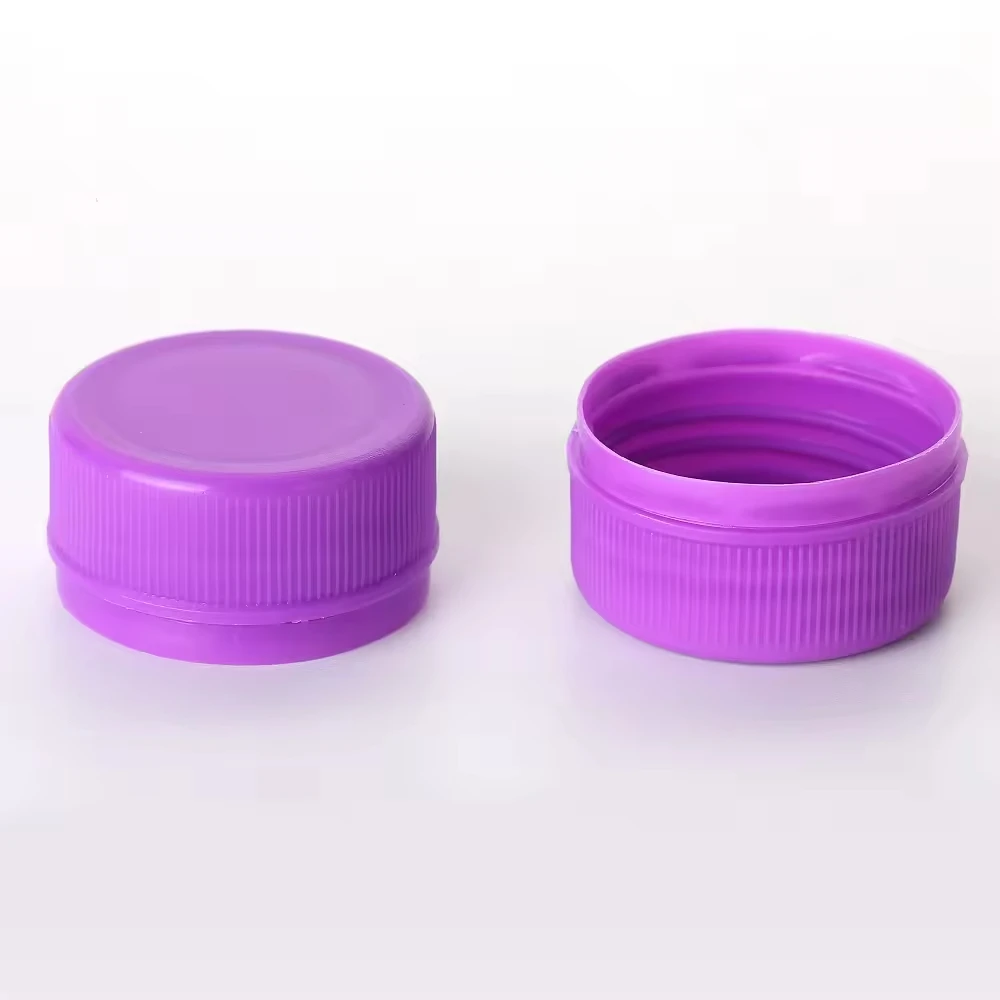
Understanding how a Bottle Cap functions as a counterfeit deterrent requires examining both its design elements and manufacturing standards. A Bottle Cap that incorporates tamper-evident features, unique identification codes, and precision tolerances becomes significantly harder to replicate illegally. This article explores the essential mechanisms through which a Bottle Cap protects brand integrity, safeguards consumer health, and establishes a direct line of communication between manufacturers and end users about product authenticity.
How Tamper-Evident Design in a Bottle Cap Prevents Counterfeiting
The Engineering of Tamper-Evident Features
A modern Bottle Cap incorporates tamper-evident bands, breakaway rings, and visual indicators that leave unmistakable marks if someone attempts to open or reseal the container. These physical design elements make a Bottle Cap immediately recognizable once it has been compromised, signaling to consumers that the product inside may have been altered or substituted. The engineering precision required to manufacture a Bottle Cap with these features means counterfeiters face significant technical and economic barriers. Each Bottle Cap produced under quality standards must meet exact specifications for the breakaway mechanism, ensuring that legitimate closures perform predictably while fraudulent imitations fail during normal opening procedures.
Visual Authentication Through Bottle Cap Design
A Bottle Cap can integrate color-shifting inks, holographic elements, and micro-printed text that are extremely difficult to replicate without specialized industrial equipment. When a Bottle Cap displays these visual security features, it immediately establishes a confidence threshold that protects both the brand and the consumer. The integration of authentication elements directly into the Bottle Cap design means that verification occurs at the moment of purchase, before the product is ever opened. This immediate tactile and visual verification is far more effective than secondary authentication methods because it occurs during the critical first interaction between consumer and product.
Sequential Coding and Traceability Features Within the Bottle Cap
Unique Identification Codes on Each Bottle Cap
Modern manufacturers embed unique serial numbers, QR codes, and batch identifiers directly onto each Bottle Cap, creating an immutable record of manufacturing origin and date. This approach transforms a Bottle Cap from a passive closure into an active data carrier that connects the physical product to digital verification systems. When a Bottle Cap includes sequential coding, supply chain managers can track product movement from manufacture through distribution and retail placement. Counterfeiters attempting to replicate a Bottle Cap with authentic-looking codes face the problem of generating sequences that match legitimate manufacturing records, a nearly impossible task without access to proprietary production systems.
Digital Verification Systems Linked to Bottle Cap Identity
A Bottle Cap bearing a scannable code allows consumers to verify product authenticity in real-time by cross-referencing the code against manufacturer databases. This digital layer adds significant complexity to counterfeiting operations because fraudsters would need to hack manufacturing databases or generate codes that pass algorithmic validation checks. The integration of blockchain technology into some Bottle Cap tracking systems creates an immutable ledger where each Bottle Cap's complete journey can be recorded and verified. This technological sophistication means that a Bottle Cap becomes not just a physical barrier but a gateway to comprehensive product authentication across the entire supply network.
Manufacturing Standards and Quality Control in Authentic Bottle Caps
Precision Tolerances and Material Specifications
A legitimate Bottle Cap manufactured under industry standards maintains exact dimensional tolerances that ensure consistent fit, thread engagement, and closure performance across millions of units. Counterfeiters operating with limited resources and inferior equipment cannot consistently achieve these precision requirements, which means a Bottle Cap's fit and feel can often reveal its authenticity without any sophisticated analysis. The material composition of an authentic Bottle Cap, whether polypropylene, polyethylene, or aluminum, is specified to resist certain chemical conditions and environmental stresses that inferior substitutes cannot withstand. When manufacturers establish strict quality protocols for every Bottle Cap produced, they create a physical fingerprint that authentic products possess but counterfeits systematically lack.
Regulatory Compliance and Certification Marks
A Bottle Cap produced by legitimate manufacturers carries certification marks, regulatory stamps, and compliance notations that indicate adherence to international standards for food contact, pharmaceutical use, or chemical compatibility. These marks serve as visual proof that a Bottle Cap has undergone testing and validation by recognized authorities, providing legal documentation of authenticity. Counterfeiters rarely invest in achieving these certifications because doing so requires transparent supply chains and regulatory scrutiny. The presence of proper certification on a Bottle Cap therefore becomes a strong indicator of legitimacy and represents a significant barrier that organized counterfeiting operations must overcome to produce convincing replicas.
FAQ
How can consumers identify a counterfeit Bottle Cap?
Consumers can inspect a Bottle Cap for visual tampering indicators, test its fit against known product specifications, and verify any printed codes through manufacturer websites. A counterfeit Bottle Cap often exhibits poor print quality, loose thread engagement, missing holographic elements, or incorrect color matching compared to authentic closures. If a Bottle Cap feels lighter, thinner, or produces unusual sounds when opened, these tactile differences often signal a counterfeit product requiring immediate reporting to authorities and the manufacturer.
What role does a Bottle Cap play in supply chain verification?
A Bottle Cap with embedded tracking codes enables supply chain partners to verify product movement at each distribution stage, creating accountability and documentation that counterfeiters cannot replicate. When wholesalers and retailers scan each Bottle Cap upon receipt, they confirm authenticity and establish records that protect both the brand and the consumer. This distributed verification network creates natural checkpoints where counterfeit products are likely to be identified and removed from circulation before reaching end consumers.
Can Bottle Cap technology integrate with mobile applications?
Yes, many modern Bottle Caps include QR codes or NFC tags that consumers can scan with smartphones to access detailed product information, verify authenticity, and access digital customer service. A Bottle Cap connected to mobile authentication creates engagement opportunities that build consumer trust while simultaneously creating barriers that counterfeiters cannot easily overcome without also compromising their operational security and cost structure.