
 EN
EN



Selecting the right bottle cap supplier is a critical decision that directly impacts your product quality, brand reputation, and operational efficiency. A reliable bottle cap supplier does more than provide closures; they bring expertise in international logistics, regulatory compliance, and supply chain reliability that protects your business from costly disruptions. Whether you operate a beverage company, pharmaceutical manufacturer, or specialty bottling operation, the bottle cap supplier you choose will influence everything from production timelines to end-customer satisfaction. This guide explains the essential criteria for evaluating bottle cap suppliers and identifying partners with genuine international logistics capabilities.
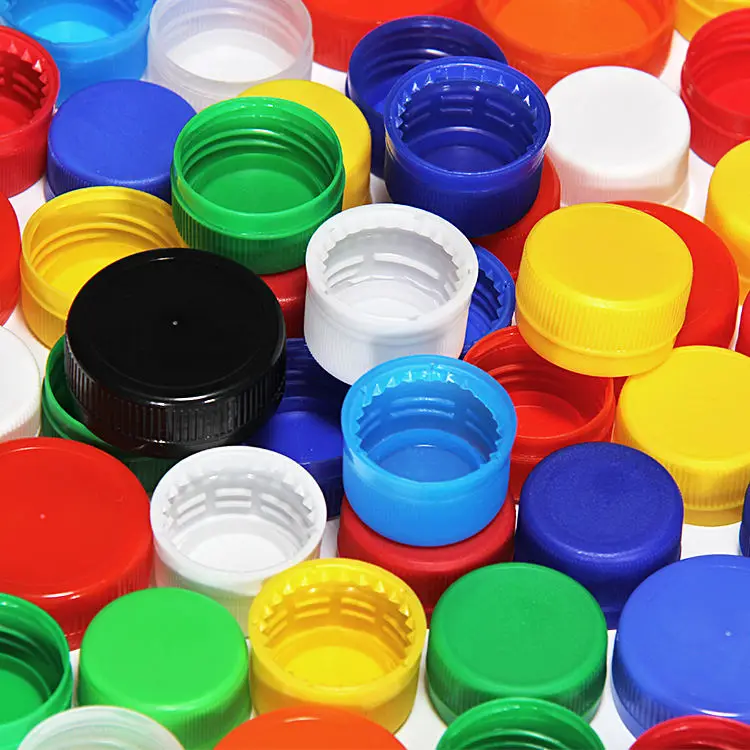
The global bottle cap market demands suppliers who understand cross-border shipping regulations, customs documentation, port operations, and inventory management across multiple regions. A bottle cap supplier with international logistics expertise can navigate complex tariff codes, consolidate shipments efficiently, and ensure your products arrive on schedule and in perfect condition. This capability becomes increasingly valuable when you scale production, enter new markets, or face seasonal demand fluctuations. The right bottle cap supplier acts as a strategic partner, not simply a vendor, offering visibility into supply chains and proactive solutions when challenges arise.
Evaluating Quality Standards and Certification Requirements
Material Consistency and Performance Testing
Any bottle cap supplier worth considering must demonstrate rigorous quality control protocols. The bottle cap must meet exact specifications for thread pitch, wall thickness, sealing integrity, and dimensional tolerance. A professional bottle cap supplier will provide certified test reports showing performance under temperature cycling, pressure resistance, and chemical compatibility testing. Request material safety data sheets and documentation of ISO certifications such as ISO 9001, which confirms the supplier's commitment to consistent manufacturing processes. Verify that your bottle cap supplier conducts regular third-party audits and maintains traceability for all production batches.
Regulatory Compliance and Food Safety Standards
Different markets impose strict regulations on bottle cap materials and production methods. A bottle cap supplier serving the food and beverage industry must comply with FDA regulations, European Union directives, and regional standards specific to your target markets. Confirm that your bottle cap supplier holds certifications such as BRC (British Retail Consortium), SQF (Safe Quality Food), or equivalent food-contact material approvals. If you operate in pharmaceutical or healthcare sectors, your bottle cap supplier must demonstrate compliance with pharmaceutical-grade material standards and cleanroom manufacturing protocols. Never assume compliance; always request detailed certification documentation from your bottle cap supplier before placing orders.
Assessing International Logistics and Supply Chain Capabilities
Port Access and Shipping Network Infrastructure
A bottle cap supplier with genuine international logistics expertise maintains relationships with major shipping lines, freight forwarders, and customs brokers across multiple continents. Ask your prospective bottle cap supplier which ports they regularly utilize and whether they offer consolidation services to reduce your freight costs. Inquire about their experience with Less Than Container Load (LCL) shipments if your order volumes are modest, and Full Container Load (FCL) options for larger requirements. A capable bottle cap supplier will explain lead times transparently, account for port congestion, and provide contingency routing options when primary shipping lanes face delays. Request references from other customers who have received international shipments from your bottle cap supplier to verify their delivery reliability.
Documentation, Compliance, and Risk Management
International shipments of bottle cap products require precise documentation including commercial invoices, packing lists, certificates of origin, and import declarations specific to each destination country. Your bottle cap supplier must demonstrate expertise in preparing these documents correctly, as errors result in costly delays at customs or port facilities. A reliable bottle cap supplier maintains insurance coverage for goods in transit and can advise on Incoterms selection that allocates risk appropriately between buyer and seller. Discuss with your bottle cap supplier how they handle unexpected events such as port strikes, weather delays, or regulatory changes that might affect your shipment timeline. The best bottle cap suppliers proactively monitor global trade conditions and alert customers to emerging risks.
Partnership and Long-Term Strategic Alignment
Capacity Planning and Growth Support
As your business grows, your bottle cap supplier must scale production capacity without sacrificing quality or inflating costs unreasonably. Evaluate whether your bottle cap supplier has invested in modern manufacturing equipment, workforce training, and process automation that supports increased order volumes. Inquire about their production planning process and how they manage seasonal demand spikes or unexpected rushes in bottle cap orders. A forward-thinking bottle cap supplier will work with you to forecast demand, establish safety stock agreements, and implement just-in-time delivery arrangements that optimize your inventory management. Ask specifically about their expansion plans and whether they have secured additional production lines to support anticipated market growth.
Communication, Visibility, and Continuous Improvement
Choose a bottle cap supplier who prioritizes transparent communication and provides real-time visibility into order status, production progress, and shipment tracking. Modern bottle cap suppliers utilize digital platforms, EDI systems, or dedicated portals that allow you to monitor bottleneck situations, request status updates, and coordinate logistics seamlessly. Regular business reviews with your bottle cap supplier should cover quality metrics, delivery performance, cost trends, and opportunities for efficiency improvements. A mature bottle cap supplier welcomes feedback, responds promptly to issues, and collaborates on continuous improvement initiatives such as reducing lead times or optimizing packaging. Establish clear service level agreements that specify response times, quality metrics, and dispute resolution procedures with your bottle cap supplier.
FAQ
What minimum order quantities should I expect from a bottle cap supplier?
Minimum order quantities (MOQs) vary widely depending on the bottle cap supplier's production capabilities and your specific closure design. Smaller specialty bottle cap suppliers may accept orders starting at 10,000 to 50,000 units, while large-scale bottle cap suppliers often require 100,000 units or more for standard products. Custom or decorative bottle cap designs typically carry higher MOQs. Before committing, negotiate MOQ terms with your bottle cap supplier based on your market demand and cash flow constraints. Many bottle cap suppliers offer tiered pricing that rewards larger commitments, so balancing order volume with storage capacity becomes a strategic decision.
How long does international shipping typically take from a bottle cap supplier?
International transit times from a bottle cap supplier depend on origin port, destination port, shipping method, and seasonal factors. Ocean freight from an Asian bottle cap supplier to North American ports typically requires 15 to 30 days, while European delivery may take 20 to 40 days depending on routing. A bottle cap supplier offering air freight can reduce transit to 5 to 10 days but at significantly higher costs. Production time also varies; a standard bottle cap order requires 20 to 45 days manufacturing plus logistics time. Always discuss realistic lead times with your bottle cap supplier during negotiation, accounting for holidays, weather patterns, and port capacity constraints.
What payment terms are standard when working with a bottle cap supplier?
Most established bottle cap suppliers offer payment terms ranging from 30% advance deposit with 70% payment before shipment to more flexible arrangements for long-term partners. Net 30 or Net 60 terms are common for bottle cap suppliers with strong credit relationships, though these typically require demonstrated business history and credit verification. A professional bottle cap supplier may accept letter of credit (L/C) arrangements for larger orders, providing security for both parties. Newer relationships often require prepayment or deposit-based structures until trust and order history establish a foundation for extended terms. Negotiate payment terms directly with your bottle cap supplier's sales team, as flexibility often exists beyond standard policies for committed customers.