
 EN
EN


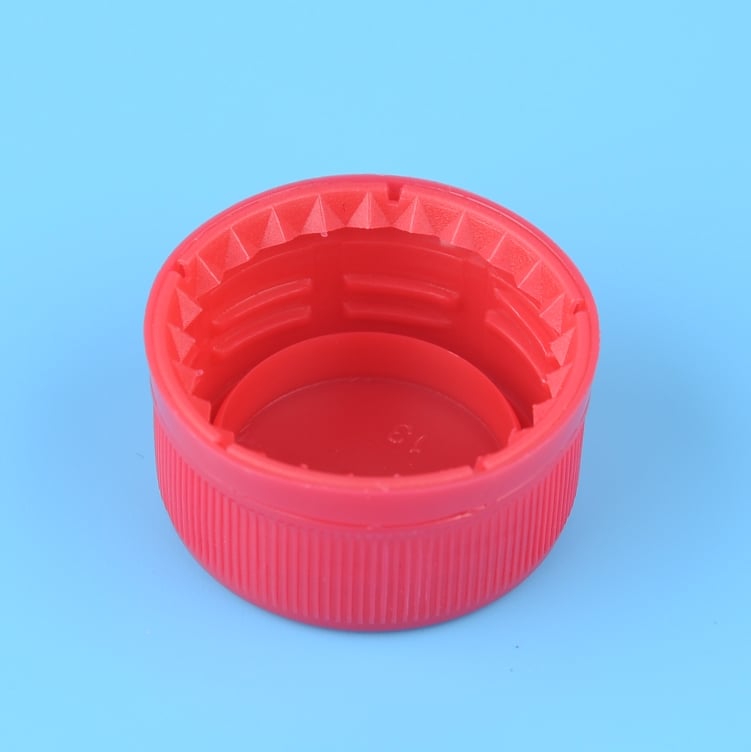
The integrity of any beverage, pharmaceutical, or chemical product begins with a single component: the bottle cap. A defective bottle cap can compromise product safety, leak contents, fail regulatory compliance, and damage brand reputation in moments. This is why 100% bottle cap inspection is not simply a best practice—it is a non-negotiable requirement in modern manufacturing. Every single bottle cap that leaves your production facility must meet rigorous quality standards, and settling for statistical sampling or random testing creates unacceptable risk to your business and consumers.
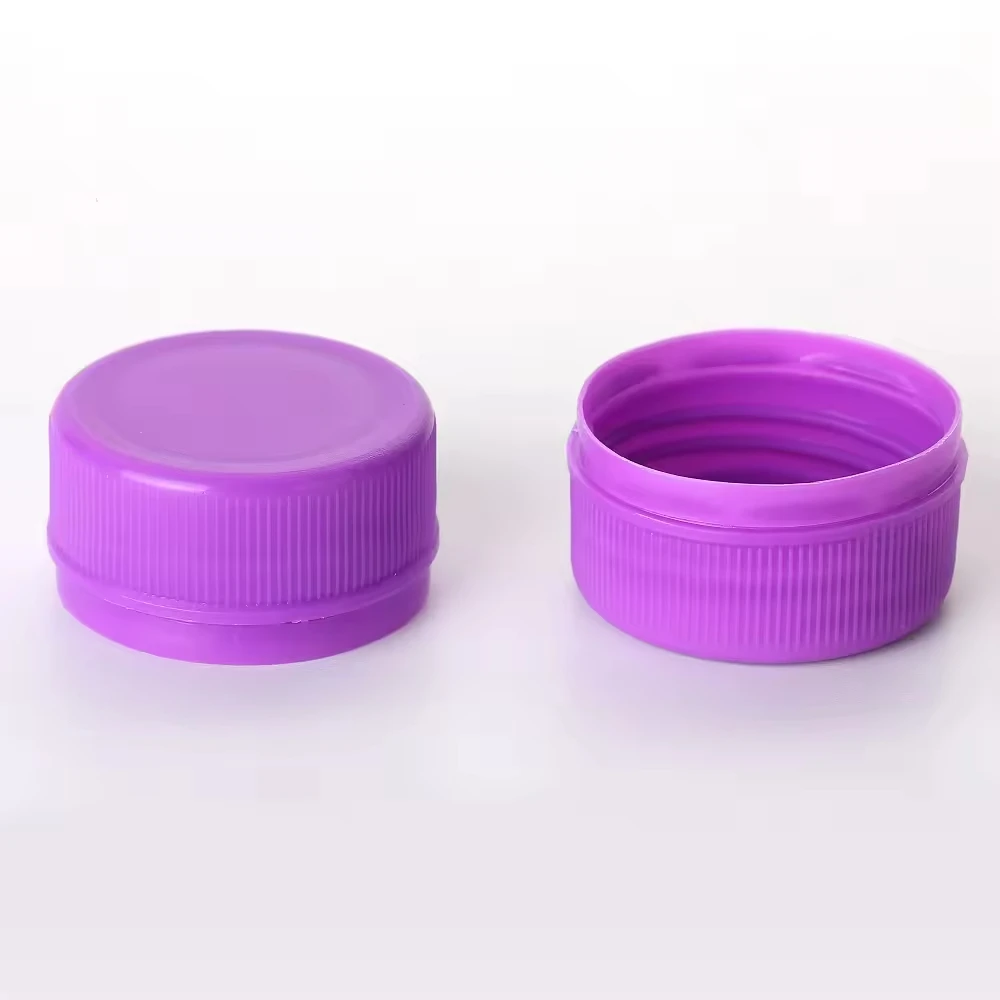
Implementing 100% bottle cap inspection protects your entire supply chain from costly recalls, regulatory penalties, and loss of customer trust. Modern automated vision systems and precision measurement technology make universal bottle cap inspection economically feasible and operationally efficient. Understanding the critical role of bottle cap inspection, the types of defects it detects, and the inspection methods that deliver reliable results is essential for any manufacturer or filler responsible for protecting product quality.
Why 100% Bottle Cap Inspection Cannot Be Compromised
The True Cost of Defective Bottle Caps
A single defective bottle cap in a production run can trigger cascading failures. When a bottle cap fails to seal properly, product leaks into shipping containers, destroying inventory and contaminating surrounding products. Beyond the immediate financial loss, a leaking bottle cap that reaches consumers creates liability exposure, warranty claims, and potential legal action. For pharmaceutical products, a faulty bottle cap compromises sterility and efficacy, potentially causing patient harm. For food and beverage products, a bottle cap defect enables contamination, spoilage, and foodborne illness risk.
Regulatory agencies across industries—FDA, EPA, and international standards bodies—mandate that manufacturers maintain documented evidence of bottle cap quality control. Statistical sampling, which relies on testing a percentage of bottle caps rather than 100%, is no longer acceptable for high-risk products. A single non-conforming bottle cap that escapes inspection can trigger facility audits, product recalls affecting millions of units, and fines exceeding millions of dollars. The cost of a single recall due to bottle cap defects routinely exceeds the entire annual investment in comprehensive inspection systems.
Regulatory and Compliance Imperatives
Modern regulatory frameworks require manufacturers to demonstrate absolute traceability and quality assurance for every bottle cap used in production. FDA 21 CFR Part 11 and Part 211 establish strict requirements for electronic records and real-time monitoring of bottle cap quality. ISO 9001, ISO 14001, and industry-specific standards (such as ISO 9004 for quality management) all reference the necessity of 100% bottle cap inspection for critical components. Pharmaceutical manufacturers operating under GMP (Good Manufacturing Practices) cannot rely on sampling plans when bottle cap integrity directly affects product safety.
International markets impose even stricter bottle cap inspection requirements. European Union regulations, FSMA (Food Safety Modernization Act) compliance, and Chinese and Indian pharmaceutical standards all demand documented proof of bottle cap quality assurance at every production stage. Failing to implement 100% bottle cap inspection puts your facility at risk of import bans, distribution holds, and suspension of manufacturing licenses. Customers and retailers increasingly require evidence of complete bottle cap inspection before accepting shipments, making universal inspection a market expectation rather than an option.
Types of Defects Detected Through 100% Bottle Cap Inspection
Physical and Dimensional Defects in Bottle Caps
Automated bottle cap inspection systems detect dimensional defects that human eyes cannot reliably identify. Thread profile irregularities, which prevent proper sealing or cause cross-threading, are common bottle cap defects that damage both container and product. Cap height variations beyond specification tolerances prevent proper interaction with dispensing equipment or closure machinery, causing jamming or incomplete closure. Diameter inconsistencies in the bottle cap skirt affect the fit on container necks, creating gaps that allow air infiltration and product evaporation.
Surface defects on bottle caps—including cracks, warping, deformation, and flash residue—compromise seal integrity and aesthetic appeal. Material brittleness, color inconsistency, and opacity variations indicate injection molding or material batch problems that affect both functionality and regulatory compliance. Misalignment of tamper-evident bands or induction seal placement renders the bottle cap non-compliant with safety requirements. A comprehensive bottle cap inspection system identifies all these dimensional and physical defects in real-time, preventing defective units from reaching filling lines or consumers.
Chemical and Compatibility Issues Revealed by Inspection
Some bottle cap defects involve chemical compatibility and performance characteristics that 100% bottle cap inspection protocols must evaluate. Material degradation, discoloration, or swelling indicates compatibility failure with the intended product—a critical safety issue for aggressive chemicals, solvents, or high-proof alcohols. Residual mold release agents or processing chemicals on the bottle cap surface can contaminate products or alter taste and safety profiles. UV exposure or thermal cycling during storage can degrade bottle cap material before use, reducing seal performance in critical applications.
Pressure testing during bottle cap inspection reveals whether caps can withstand carbonation, vacuum environments, or high-temperature sterilization without leaking. Gas permeability testing ensures that the bottle cap maintains adequate barrier properties against oxygen ingress, which is critical for shelf-life sensitive products. Complete bottle cap inspection protocols measure moisture vapor transmission rates and chemical compatibility with specific product formulations. These performance-level tests, when conducted on 100% of bottle caps, prevent downstream failures that would be catastrophic if discovered only after product reaches market.
Implementing Effective 100% Bottle Cap Inspection Systems
Automated Vision Technology for Reliable Bottle Cap Inspection
Modern automated vision systems designed for bottle cap inspection use high-resolution cameras, LED lighting, and artificial intelligence to evaluate every bottle cap with millisecond precision. These systems detect defects at speeds exceeding 300 units per minute, making 100% bottle cap inspection economically viable alongside high-speed production lines. Machine vision systems measure thread geometry, cap height, diameter, color consistency, and surface defects simultaneously, capturing data that manual inspection cannot reliably provide.
Advanced bottle cap inspection equipment integrates directly into production workflows, rejecting defective units automatically and maintaining digital records for traceability. The system learns and improves over time through deep learning algorithms, becoming more sensitive to emerging defect patterns as production continues. Integration with manufacturing execution systems (MES) enables real-time adjustments to molding parameters, material feeds, or cooling cycles when the bottle cap inspection system detects trending defects. This closed-loop approach transforms inspection from a quality gate into an active quality improvement mechanism.
Complementary Testing Protocols Supporting Bottle Cap Inspection
100% bottle cap inspection through vision systems must be complemented by periodic destructive testing on representative samples. Torque testing measures the force required to open and close the bottle cap, ensuring that seal tightness remains consistent across production batches. Pressure decay testing measures how effectively the bottle cap maintains seal integrity under pressure cycling, simulating real-world shipping and storage conditions. Drop testing and thermal cycling evaluate whether the bottle cap can withstand mechanical shock and temperature extremes without failure.
Chemical analysis of bottle cap material ensures that no unexpected contamination or material degradation has occurred. Gas chromatography and mass spectrometry detect volatile organic compounds or residual processing chemicals that vision systems alone cannot identify. Compatibility testing with actual product formulations—rather than simulated products—reveals real-world performance issues that standardized protocols might miss. Combining automated visual bottle cap inspection with these laboratory-level tests creates a comprehensive quality assurance system that catches defects at multiple levels before products reach consumers.
Integration and Data Management for Bottle Cap Inspection Records
Implementing 100% bottle cap inspection requires robust data management systems that capture and preserve inspection records for regulatory review. Each bottle cap inspection event must include timestamp, image data, measurement results, reject/accept decision, and operator identification. Cloud-based quality management platforms enable real-time monitoring of bottle cap defect trends, production performance, and equipment health across multiple facilities. This data transparency supports root-cause analysis, continuous improvement initiatives, and rapid response to emerging quality issues.
Electronic records management for bottle cap inspection must comply with 21 CFR Part 11, ensuring data integrity, authenticity, and non-repudiation throughout the product lifecycle. Automated alerts notify quality supervisors when defect rates exceed established thresholds, triggering immediate investigation and corrective action. Batch-level reporting demonstrates that 100% of bottle caps in a given production run met quality specifications, providing the documentation required during customer audits and regulatory inspections. This comprehensive data infrastructure transforms bottle cap inspection from a compliance checkbox into a strategic asset for continuous improvement and risk reduction.
FAQ
What are the most common defects found during bottle cap inspection?
The most frequently detected bottle cap defects include thread profile irregularities that prevent proper sealing, dimensional variations in height or diameter that affect fit consistency, surface cracks or warping that compromise structural integrity, color inconsistencies indicating material batch problems, and misalignment of tamper-evident elements. Vision-based bottle cap inspection systems also identify flash residue from molding, material brittleness, and chemical contamination from processing. Pressure testing reveals seal leakage and compatibility failures with specific product formulations. Detection of these defects during bottle cap inspection prevents defective units from reaching production lines and consumers.
How does automated bottle cap inspection compare to manual quality control?
Automated bottle cap inspection using vision systems achieves detection speeds of 300 or more units per minute while maintaining consistent accuracy that human inspectors cannot sustain over extended shifts. Manual bottle cap inspection is prone to fatigue-related errors, environmental lighting variations, and subjective judgment calls that create inconsistent quality standards. Automated bottle cap inspection captures repeatable digital measurements, learns defect patterns over time through artificial intelligence, and integrates seamlessly with production workflows. For manufacturers requiring 100% bottle cap inspection, automation is the only practical way to maintain both speed and consistency while generating defensible compliance documentation.
Can 100% bottle cap inspection be combined with statistical sampling?
While statistical sampling was historically acceptable for certain components, modern regulatory requirements and customer expectations demand 100% bottle cap inspection rather than sampling protocols. 100% bottle cap inspection identifies defects that sampling plans by definition allow to pass undetected, creating unacceptable risk for products where cap integrity affects safety or regulatory compliance. Automated bottle cap inspection systems are now cost-effective enough that statistical sampling is economically indefensible. Best practice combines continuous visual bottle cap inspection with periodic destructive testing and complementary laboratory analysis to create a multi-layer quality assurance system that protects both consumers and manufacturers.