
 EN
EN


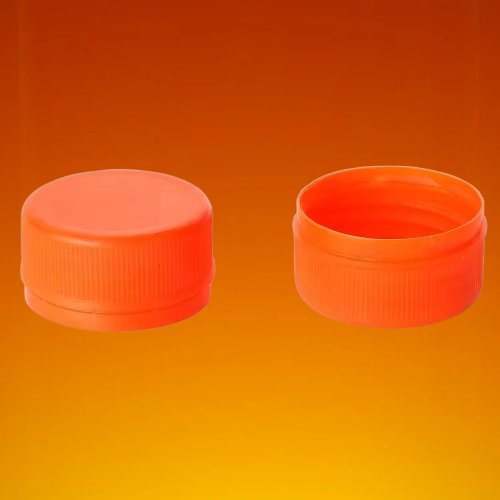
Sourcing the right Bottle Cap at wholesale volume is one of the most critical decisions a packaging buyer can make. Whether you are filling beverages, household chemicals, pharmaceuticals, or personal care products, every Bottle Cap must deliver consistent sealing performance, material safety, and dimensional accuracy. Buyers who source directly from China factories benefit from competitive unit pricing, flexible customization options, and direct communication with production teams that control every step of the manufacturing process.
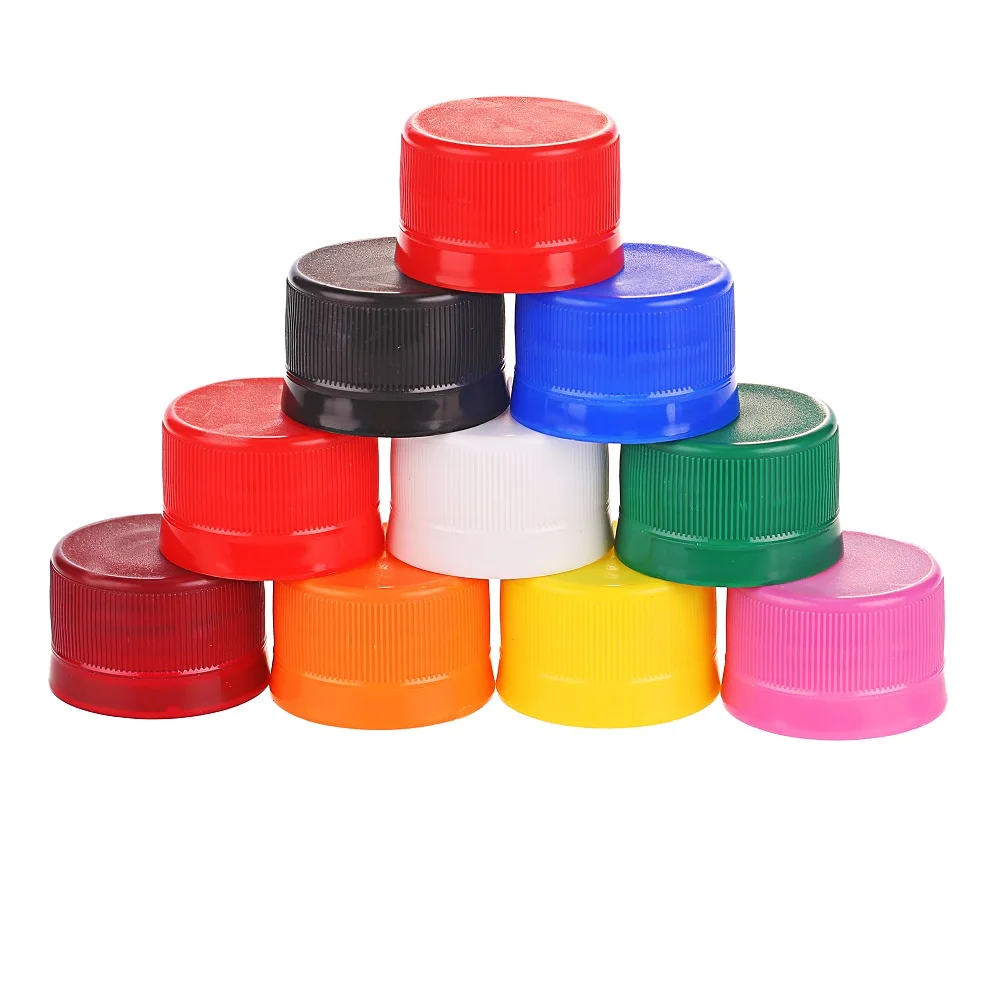
This article explains the key factors every procurement professional should understand before placing a large Bottle Cap order from a China-based factory. From material selection and neck finish compatibility to supplier qualification and quality control, every element plays a role in building a reliable and cost-effective Bottle Cap supply chain. Understanding these factors helps buyers avoid costly errors and ensures that every Bottle Cap performs exactly as required at the point of use.
Material and Design Factors in Bottle Cap Selection
Common Materials Used in Bottle Cap Manufacturing
The most widely used material for a plastic Bottle Cap is polypropylene, commonly known as PP. PP offers excellent chemical resistance, good heat tolerance, and strong mechanical properties that allow a Bottle Cap to maintain a reliable seal under typical storage and transport conditions. High-density polyethylene, or HDPE, is another common choice for a Bottle Cap intended for thicker or more flexible wall applications. Choosing the correct resin for your Bottle Cap directly affects sealing integrity, shelf life, and compatibility with the product inside the container.
Many wholesale Bottle Cap orders also require an inner liner. A liner inside the Bottle Cap creates a secondary seal that prevents leakage and preserves product freshness. Liner materials vary depending on the liquid or product being sealed. A foam liner suits many beverage and water applications, while an aluminum foil liner is preferred when the Bottle Cap must seal against oxygen or moisture migration. When ordering a Bottle Cap with a liner from a China factory, confirming the liner specification in writing ensures that every Bottle Cap in the shipment meets the intended sealing standard.
Neck Finish and Thread Compatibility for Every Bottle Cap
Every Bottle Cap is designed to fit a specific neck finish standard. The most globally recognized standard for a plastic Bottle Cap is the PCO and the 1810 or 1881 finish. A 28mm Bottle Cap with a 1810 finish is one of the most commonly requested wholesale Bottle Cap specifications because it fits a wide range of standard PET and HDPE bottles used in water, juice, and household product packaging. Confirming the exact neck finish before ordering a Bottle Cap in bulk prevents costly mismatches between the cap and the container.
Pilfer-proof design is another important feature in a wholesale Bottle Cap. A tamper-evident Bottle Cap includes a security band that breaks upon first opening, signaling to consumers that the product has not been opened before purchase. This Bottle Cap feature is often required by retailers and regulated in certain product categories such as pharmaceuticals and food products. China factories that specialize in wholesale Bottle Cap production typically offer pilfer-proof Bottle Cap designs as a standard option across their product range.
Sourcing Strategy for Wholesale Bottle Cap Orders
Evaluating China Factory Capabilities for Bottle Cap Supply
Not all China factories that manufacture a Bottle Cap operate at the same capability level. When evaluating a Bottle Cap supplier, buyers should review the factory's production capacity, quality management certifications, and injection molding equipment specifications. A factory that produces a Bottle Cap at high volume typically operates multiple injection molding machines capable of running multi-cavity molds. This setup enables consistent Bottle Cap dimensions and weight tolerances across every production run, which is essential when ordering millions of Bottle Cap units per year.
Quality certifications such as ISO 9001 or food-contact compliance documentation such as FDA or LFGB are important indicators when qualifying a Bottle Cap factory. A certified Bottle Cap factory follows documented procedures for raw material inspection, in-process quality checks, and final Bottle Cap inspection before shipment. Buyers should request test reports, factory audit results, and sample Bottle Cap batches before committing to a full production order. A Bottle Cap sample evaluation allows the buyer to check dimensional fit, sealing torque, and liner performance on actual production containers before approving mass production.
Negotiating Pricing and Lead Times for Bottle Cap Wholesale Orders
Wholesale Bottle Cap pricing from China factories is influenced by material resin costs, mold complexity, order volume, and liner specification. A standard single-color Bottle Cap without printing will always carry a lower unit price than a Bottle Cap with custom color, embossed logo, or printed label. Buyers placing large volume Bottle Cap orders should negotiate tooling costs separately from unit pricing. In many cases, a China factory will amortize the Bottle Cap mold cost into the unit price if the order volume is high enough, effectively reducing the buyer's upfront investment.
Lead times for a wholesale Bottle Cap order from a China factory typically range from 20 to 45 days depending on order size, mold availability, and shipping arrangements. Buyers who require a custom Bottle Cap with a new mold should budget additional lead time for mold fabrication and sampling before full production begins. Planning Bottle Cap procurement cycles in advance reduces the risk of production line stoppages caused by Bottle Cap inventory shortages.
Quality Control and Compliance for Bottle Cap Imports
Pre-Shipment Inspection for Bulk Bottle Cap Orders
A pre-shipment inspection is essential for any large-volume Bottle Cap import order. During this inspection, a qualified inspector checks each Bottle Cap batch for dimensional accuracy, color consistency, liner attachment, tamper-band integrity, and overall Bottle Cap appearance. Defective Bottle Cap units identified during inspection can be rejected before they ship, avoiding costly returns, line downtime, or market complaints. Many experienced buyers of China-sourced Bottle Cap products use third-party inspection agencies to conduct this check independently of the factory.
Compression and torque testing are specific mechanical tests applied to a Bottle Cap before and after sealing. These tests confirm that a Bottle Cap can withstand the capping torque applied during the filling line operation and that the Bottle Cap maintains an adequate removal torque for the end consumer. Any Bottle Cap that fails compression or torque testing should be rejected and the production root cause investigated before further Bottle Cap production continues.
Regulatory Compliance Considerations for Imported Bottle Cap Products
Importing a plastic Bottle Cap into markets such as the United States, the European Union, or Australia requires compliance with local food-contact material regulations. A Bottle Cap intended for direct food or beverage contact must be manufactured from approved resins and must not transfer harmful substances to the product. China factories supplying a food-grade Bottle Cap should be able to provide material declarations and third-party migration test reports that confirm Bottle Cap compliance with the importing country's regulatory requirements. Buyers should confirm these documents before the first Bottle Cap shipment clears customs.
FAQ
What is the most common wholesale Bottle Cap size ordered from China factories?
The 28mm Bottle Cap with a 1810 screw finish is among the most frequently ordered wholesale Bottle Cap sizes from China. This Bottle Cap size fits a wide range of standard PET and HDPE bottles used in water, juice, and household product applications, making it a versatile and broadly compatible Bottle Cap choice for high-volume buyers.
How do I verify that a China factory produces a food-safe Bottle Cap?
To verify food safety, request material safety data sheets, food-contact compliance certificates, and third-party laboratory migration test reports for the Bottle Cap resin and liner. A reputable China Bottle Cap factory should provide these documents readily. You can also request a factory audit to confirm that the Bottle Cap production environment and raw material sourcing meet applicable food safety standards.
Can a China factory produce a custom-color Bottle Cap with a company logo?
Yes, most wholesale Bottle Cap factories in China can produce a Bottle Cap in custom colors using masterbatch pigments and can add embossed or debossed logos directly into the Bottle Cap mold. For printed decoration on a Bottle Cap, pad printing or hot stamping options are typically available. Buyers should confirm minimum order quantities and additional tooling or setup costs associated with a custom Bottle Cap before placing the production order.