
 EN
EN


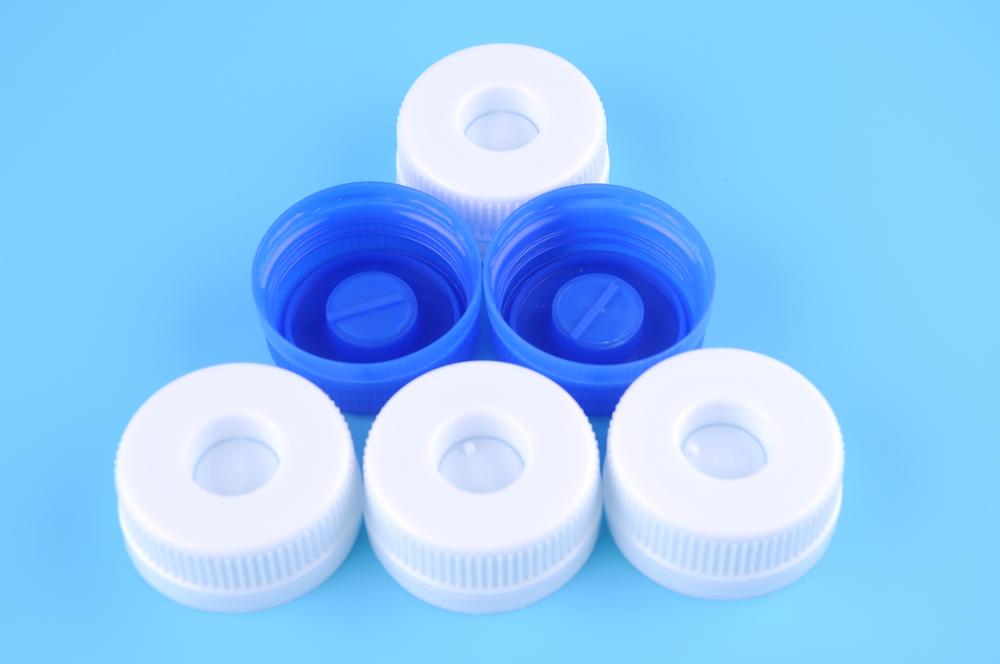
Every bottle cap you encounter on a shelf represents a precise sequence of engineering decisions, material science, and manufacturing discipline. Whether it is a simple water bottle closure or a tamper-evident screw cap used in pharmaceutical packaging, the bottle cap is a critical component that protects product integrity, ensures safe handling, and communicates brand quality. Understanding how a bottle cap is made from start to finish reveals just how much complexity is compressed into a small, often overlooked piece of plastic.
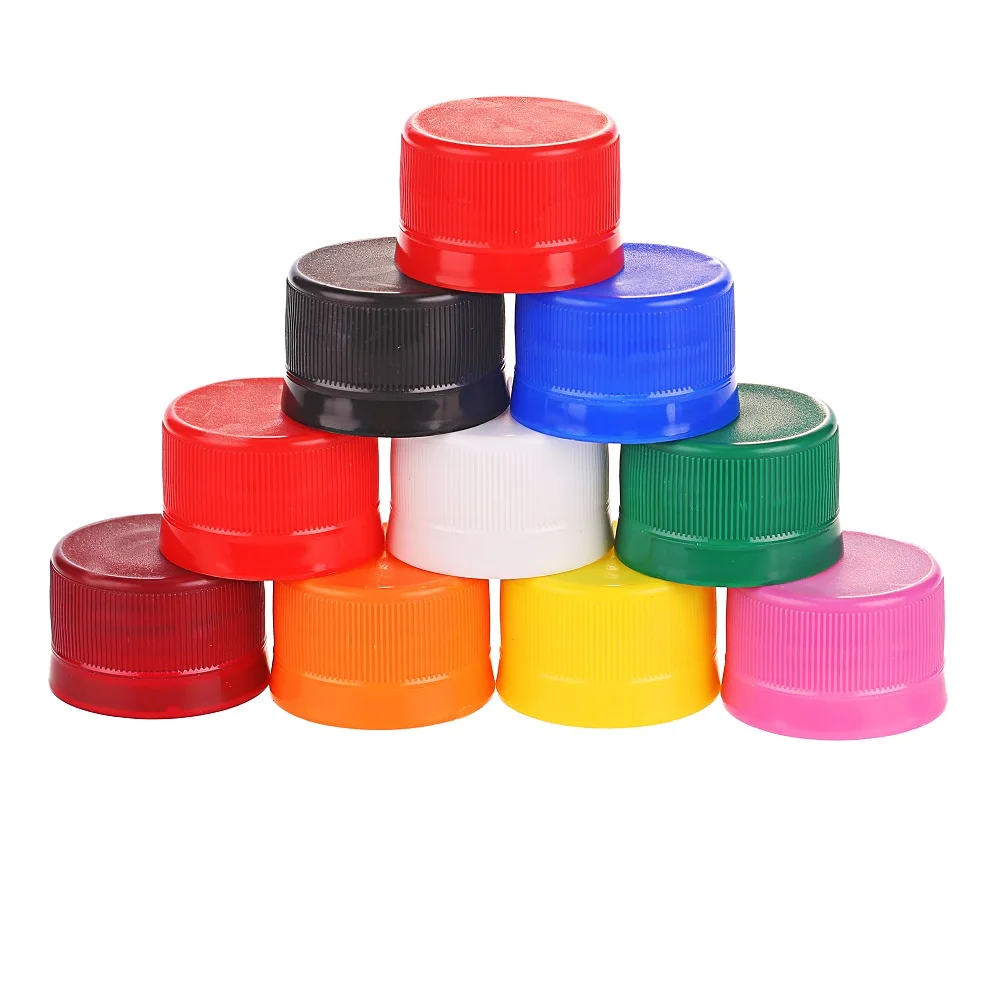
This guide walks through every major stage of bottle cap manufacturing, from raw resin selection through molding, liner insertion, quality inspection, and final packaging. Whether you are a procurement professional, packaging engineer, or simply someone curious about industrial production, this detailed breakdown of the bottle cap manufacturing process gives you a clear, practical view of what happens before a bottle cap reaches your production line.
Raw Material Selection for Bottle Cap Production
Choosing the Right Resin
The journey of every bottle cap begins with resin selection. The most commonly used materials for bottle cap manufacturing are high-density polyethylene, known as HDPE, and polypropylene, or PP. Each resin type offers a different balance of rigidity, chemical resistance, and processing behavior. A bottle cap intended for carbonated beverages, for example, requires stronger sealing properties and higher pressure resistance than a bottle cap used for mineral water.
Resin quality directly determines the final bottle cap performance. Manufacturers source certified virgin resin pellets that meet food-contact safety standards, such as those defined by the FDA or equivalent regional authorities. Color masterbatch is blended into the resin at this stage to achieve consistent coloring across each production batch. The bottle cap color must remain stable under ultraviolet exposure, heat sterilization, and cold-chain storage without fading or cracking.
Resin Preparation and Drying
Before the resin enters any bottle cap mold, it must be dried to remove residual moisture. Moisture trapped in the pellets can cause bubbling, surface defects, or structural weakness in the finished bottle cap. Industrial dryers process the resin at precise temperatures for controlled durations, and the dried pellets are then conveyed directly to the injection molding machines through sealed pneumatic systems that prevent contamination.
Injection Molding and Bottle Cap Formation
The Injection Molding Process
Injection molding is the core manufacturing method for nearly every modern bottle cap. The prepared resin pellets are fed into a heated barrel where they are melted to a precise viscosity. The molten plastic is then injected at high pressure into a multi-cavity steel mold that defines the exact geometry of the bottle cap, including its thread profile, skirt height, and outer diameter. A standard 28mm bottle cap, widely used across beverage and personal care industries, requires mold cavities machined to tolerances of less than one-tenth of a millimeter.
The mold closes, the bottle cap cavity is filled in a fraction of a second, and a cooling cycle begins immediately. Cooling time is carefully calibrated so that the bottle cap solidifies with the correct crystalline structure, avoiding internal stress or warping. Once the cycle completes, the mold opens and ejector pins push the finished bottle cap out cleanly. Modern production lines run multi-cavity molds that produce dozens of bottle cap units per cycle, allowing output rates of hundreds of thousands of units per hour.
Thread Formation and Tamper-Evidence Features
Thread precision is one of the most critical aspects of bottle cap design. The bottle cap threads must engage smoothly with the bottle neck finish to create a reliable seal without excessive torque. For pilfer-proof and tamper-evident applications, the bottle cap includes a breakaway tamper band, also called a pilfer-proof ring, that separates from the cap body during the first opening. This tamper-evident feature is formed directly in the mold and is a key selling point for any bottle cap used in regulated or consumer-facing markets. The 28mm screw bottle cap with a tamper-proof band is among the most widely specified closure formats globally.
Liner Insertion and Quality Control
Adding the Sealing Liner
Many bottle cap designs include an inner liner to enhance sealing performance. The liner sits inside the bottle cap shell and creates a secondary barrier between the cap and the bottle neck, preventing leaks and gas permeation. Common liner materials include expanded polyethylene foam, foil-laminated foam, and various co-extruded film combinations. The choice of liner depends on the product being sealed: carbonated beverages require liners with gas-barrier properties, while edible oils or pharmaceutical products may need liners that resist chemical migration.
Liner insertion is performed on automated assembly lines where each bottle cap shell is oriented, the liner disc is cut from a continuous roll of material, and the disc is pressed firmly into the cap interior. The insertion force must be consistent to ensure the liner sits flat without folding or misalignment. A misaligned liner in a bottle cap leads to seal failure, which is one of the most serious quality defects in closure manufacturing. Automated vision systems detect liner position and reject any bottle cap that does not meet specification.
Inspection, Testing, and Packaging
Every production batch of bottle cap units undergoes rigorous quality testing. Dimensional checks confirm that the bottle cap meets all specified tolerances for diameter, height, and thread pitch. Torque application tests verify that the bottle cap opens and closes within acceptable force ranges. Leak testing applies internal pressure to sealed containers fitted with the bottle cap to confirm zero leakage under defined conditions. Drop tests and impact resistance checks ensure the bottle cap survives normal handling and logistics stress without cracking or deforming.
Visual inspection systems, often using high-speed cameras and machine learning algorithms, scan every bottle cap for surface defects such as flash, sink marks, color inconsistency, or incomplete thread formation. Rejected bottle cap units are automatically diverted before they reach the packaging stage. Compliant bottle cap units are counted and packed into bulk bags or cartons, labeled with batch codes and production traceability data, and prepared for shipment to bottling plants or distribution warehouses. For procurement teams looking for a reliable bottle cap solution, understanding these manufacturing stages helps in evaluating supplier capability and quality assurance systems.
FAQ
What materials are most commonly used to make a bottle cap?
The most common materials for bottle cap production are high-density polyethylene and polypropylene. HDPE offers excellent chemical resistance and flexibility, making it suitable for many beverage and food applications. Polypropylene provides higher rigidity and heat resistance, which is preferred for hot-fill products. The specific resin grade chosen for a bottle cap depends on the product it will seal and the performance requirements of the packaging system.
Why does a bottle cap need a liner inside?
A bottle cap liner provides an additional sealing layer between the cap and the bottle neck finish. Without a liner, small imperfections in the bottle neck surface could allow air or liquid to pass through the closure. The liner material compresses slightly under the bottle cap torque, filling any micro-gaps and creating a hermetic seal. For carbonated beverages, the liner also prevents carbon dioxide from escaping and maintains product freshness over the shelf life of the bottle.
What is a pilfer-proof bottle cap and how does it work?
A pilfer-proof bottle cap, also called a tamper-evident closure, includes a breakaway band attached to the lower skirt of the cap. When the bottle cap is first applied, the band locks under a retaining bead on the bottle neck. Upon the first opening, the band separates from the cap body, providing visible evidence that the bottle cap has been opened. This feature protects consumers from tampering and is a regulatory requirement for many food, beverage, and pharmaceutical products worldwide.