
 EN
EN


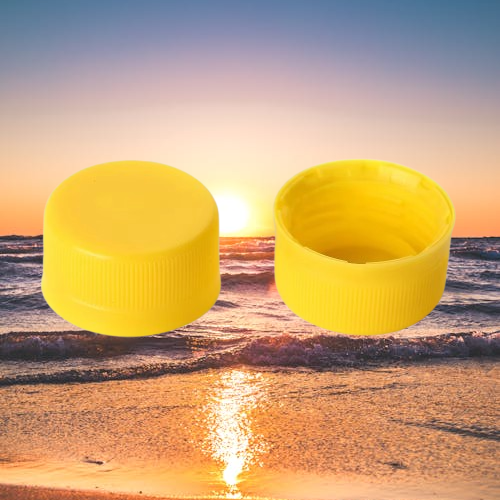
Every detail of product packaging carries a message, and the bottle cap is no exception. A well-designed bottle cap does far more than seal a container — it acts as a silent brand ambassador sitting directly in the consumer's hand. In competitive markets where shelf differentiation is critical, businesses that invest thoughtfully in bottle cap customization gain a tangible edge that drives recognition, repeat purchases, and long-term loyalty.
The connection between a custom bottle cap and brand loyalty is not accidental. It is the result of deliberate decisions around color, material, finish, tamper evidence, and tactile experience. When a buyer consistently recognizes a specific bottle cap design across every product variant, trust builds naturally. This article explores how strategic bottle cap customization translates into measurable brand value for B2B companies in the beverage, pharmaceutical, personal care, and food industries.
The Role of Bottle Cap Design in Brand Recognition
Visual Identity Starts at the Cap
Brand recognition depends heavily on visual consistency, and the bottle cap is one of the first elements a consumer notices when picking up a product. A branded bottle cap carrying your logo, pantone-matched color, or proprietary shape creates an immediate visual signal that links the product to your company. Over time, this repetition trains consumers to identify your brand before they even read the label.
A custom bottle cap also functions as a micro-touchpoint that reinforces the broader brand language already established through packaging, advertising, and retail display. When the bottle cap visually harmonizes with the label and bottle shape, the complete package tells a unified story. That coherence is what separates premium-feeling products from generic alternatives on crowded retail shelves.
Color and Shape as Differentiation Tools
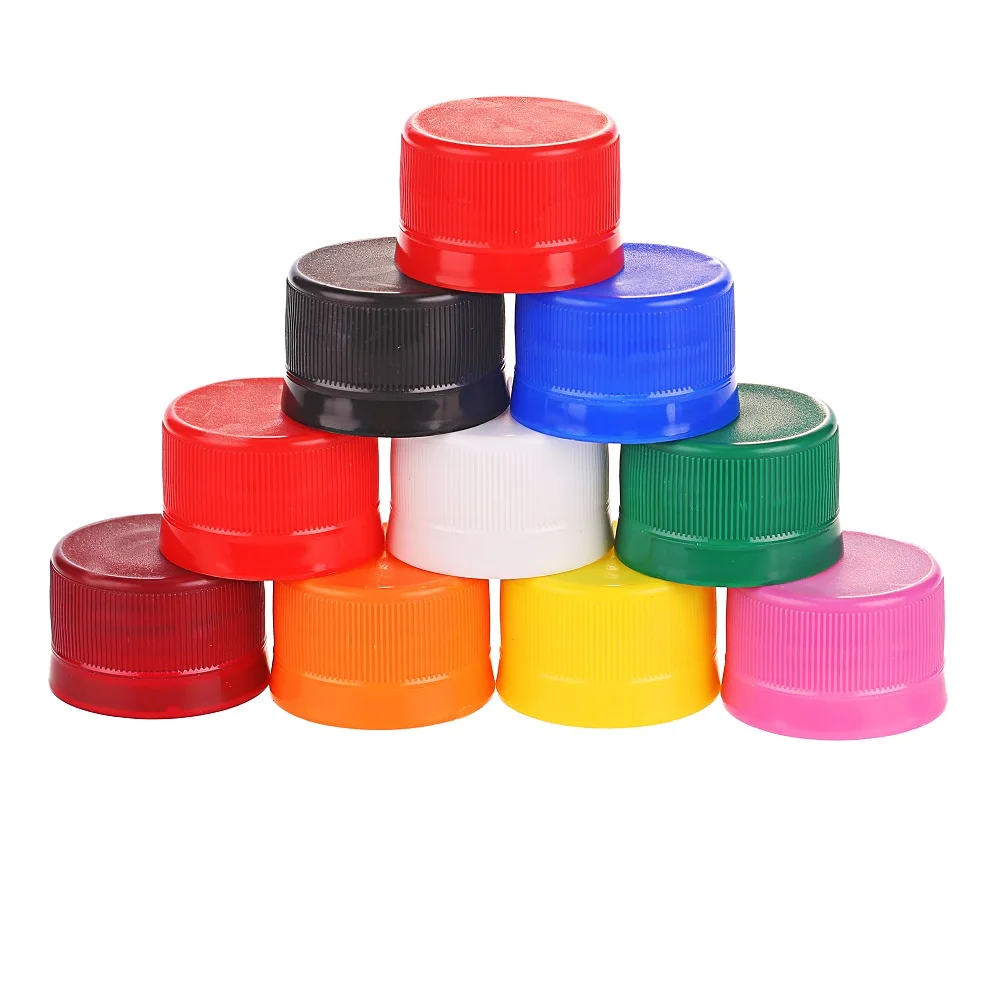
Color psychology plays a significant role in purchasing behavior, and a bottle cap in a distinctive color can trigger brand recall without any words being read. Businesses routinely use a specific bottle cap hue to segment product lines — for example, a blue bottle cap for a standard variant and a gold bottle cap for a premium range. This system of visual coding works consistently across markets and cultures.
Shape differentiation is equally powerful. A uniquely contoured bottle cap, a ribbed grip, or an unusual diameter can make a product instantly identifiable by touch alone. In environments where consumers are making fast decisions, a bottle cap that feels distinctive in the hand reinforces memory and preference. These design investments pay long-term dividends in repeat purchase rates and word-of-mouth recommendation.
How Bottle Cap Quality Builds Consumer Trust
Tamper Evidence and Safety Assurance
A high-quality bottle cap communicates safety and professionalism before the product is even opened. Tamper-evident features such as pilfer-proof bands and inner liner seals tell consumers that the product has not been compromised between manufacturing and point of sale. This assurance is especially critical in food, beverage, and pharmaceutical categories where safety is non-negotiable.
When a brand consistently delivers a bottle cap that performs flawlessly — one that opens cleanly, seals reliably, and shows clear tamper evidence — it reinforces consumer confidence with every interaction. A single negative experience with a faulty bottle cap can permanently damage brand perception. Sourcing a reliable, well-engineered bottle cap is therefore not merely an operational decision but a brand protection strategy.
Material Selection and Premium Perception
The material of a bottle cap directly influences how premium or value-oriented a product feels. A heavy-wall, high-gloss bottle cap signals premium quality, while a lightweight, matte bottle cap may suit eco-conscious or cost-sensitive positioning. For B2B buyers, aligning the bottle cap material with the intended brand tier is essential to delivering a coherent market message.
Plastics such as PP and HDPE are commonly used for bottle cap production because they offer excellent chemical resistance, flexibility in color matching, and the ability to incorporate liner materials for enhanced sealing. A 28mm screw bottle cap with an inner liner, for instance, provides both functional performance and a polished finish that elevates the perceived quality of the entire bottle. Selecting the right bottle cap material is a direct investment in how consumers evaluate the brand.
Bottle Cap Customization Strategies for B2B Brands
Aligning Cap Specifications with Brand Positioning
For B2B brands producing at scale, bottle cap customization must be approached systematically. This means defining cap specifications — diameter, thread type, liner material, color code, and surface finish — in alignment with the overall brand positioning strategy. A luxury personal care brand will prioritize a bottle cap with tight tolerances and a metallic finish, while a functional sports drink brand may prioritize grip texture and lightweight construction.
Consistency across production batches is equally vital. A bottle cap that varies in color shade or torque performance from one production run to the next undermines brand consistency and creates operational headaches for filling lines. Partnering with a factory that maintains rigorous quality control for every bottle cap batch ensures that brand standards are upheld throughout the product lifecycle.
Using Bottle Cap Design to Support Marketing Campaigns
Limited-edition bottle cap designs have proven highly effective as marketing activation tools. Brands in the beverage sector have used collectible bottle cap designs — featuring seasonal graphics, regional motifs, or campaign messaging — to drive consumer engagement and social sharing. A well-executed bottle cap campaign generates organic visibility that extends far beyond the retail shelf.
For B2B buyers supplying retailers or brand owners, offering a bottle cap that can be customized rapidly for promotional runs provides a significant competitive advantage. The ability to turn around a custom bottle cap order in short lead times enables brand owners to respond to market trends and campaign calendars without long planning cycles. This agility is a genuine differentiator in fast-moving consumer goods markets.
FAQ
What is the most important design factor when customizing a bottle cap for brand recognition?
Color consistency is typically the most critical factor. A bottle cap in a precisely matched pantone color creates immediate visual recall and connects every product to the brand identity. Shape and finish also contribute significantly, but color is usually the first element consumers register and remember across repeated purchase occasions.
How does tamper-evident bottle cap design protect brand reputation?
A tamper-evident bottle cap provides visible proof of product integrity, which directly supports consumer trust. If a bottle cap shows no sign of interference before opening, consumers associate the brand with reliability and safety. Any compromise in bottle cap tamper evidence can trigger serious reputational damage, particularly in regulated industries such as pharmaceuticals and food and beverage.
Can small and mid-sized brands benefit from custom bottle cap investment?
Absolutely. Custom bottle cap tooling costs have become more accessible as factory capabilities have improved, allowing smaller brands to achieve professional-grade customization at manageable minimum order quantities. For a growing brand, a distinctive bottle cap is one of the most cost-efficient ways to communicate quality and build the kind of visual identity that supports long-term customer loyalty without requiring a large advertising budget.