
 EN
EN


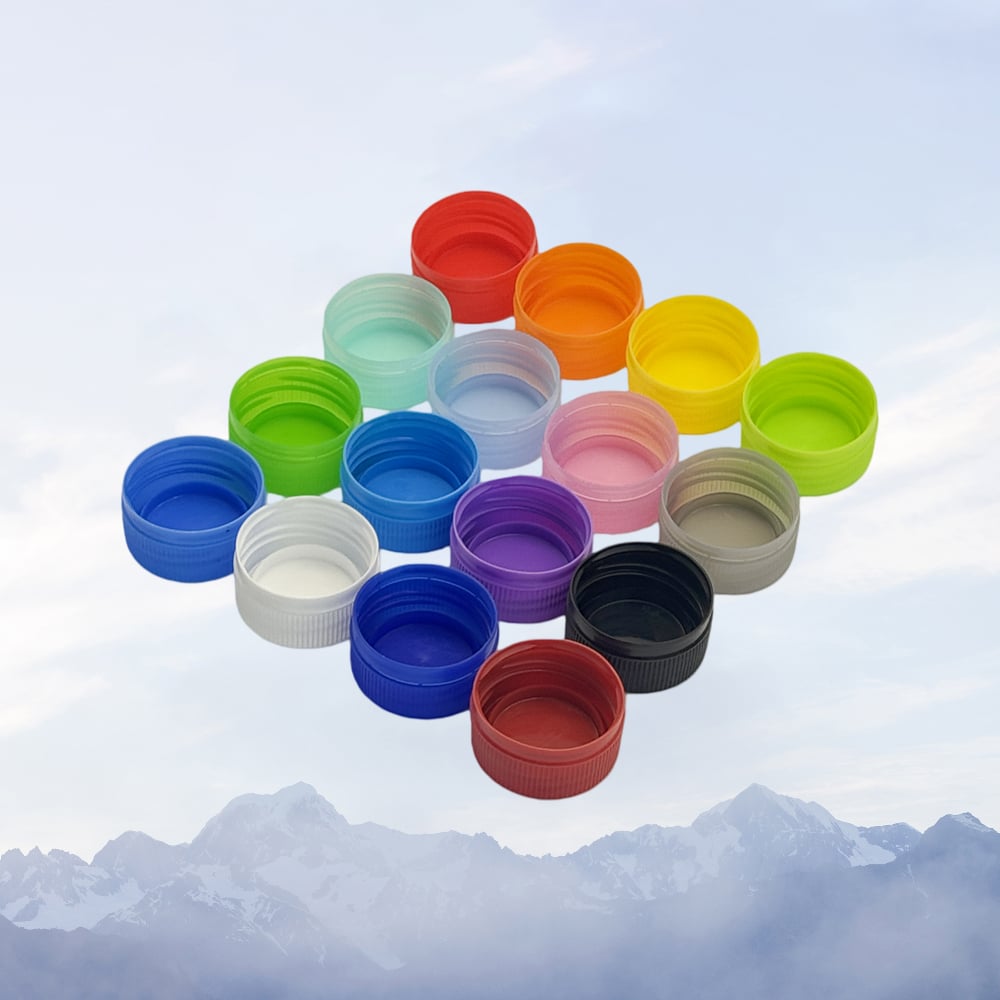
The PCO1810 cap is one of the most widely used closures in the global beverage and bottled water industry. Its standardized 28mm neck finish, lightweight profile, and reliable seal integrity have made the PCO1815 cap a default choice for high-volume filling operations around the world. Understanding what goes into producing a consistently excellent PCO1810 cap requires looking beyond equipment specifications — it demands a deeper look at accumulated manufacturing knowledge.
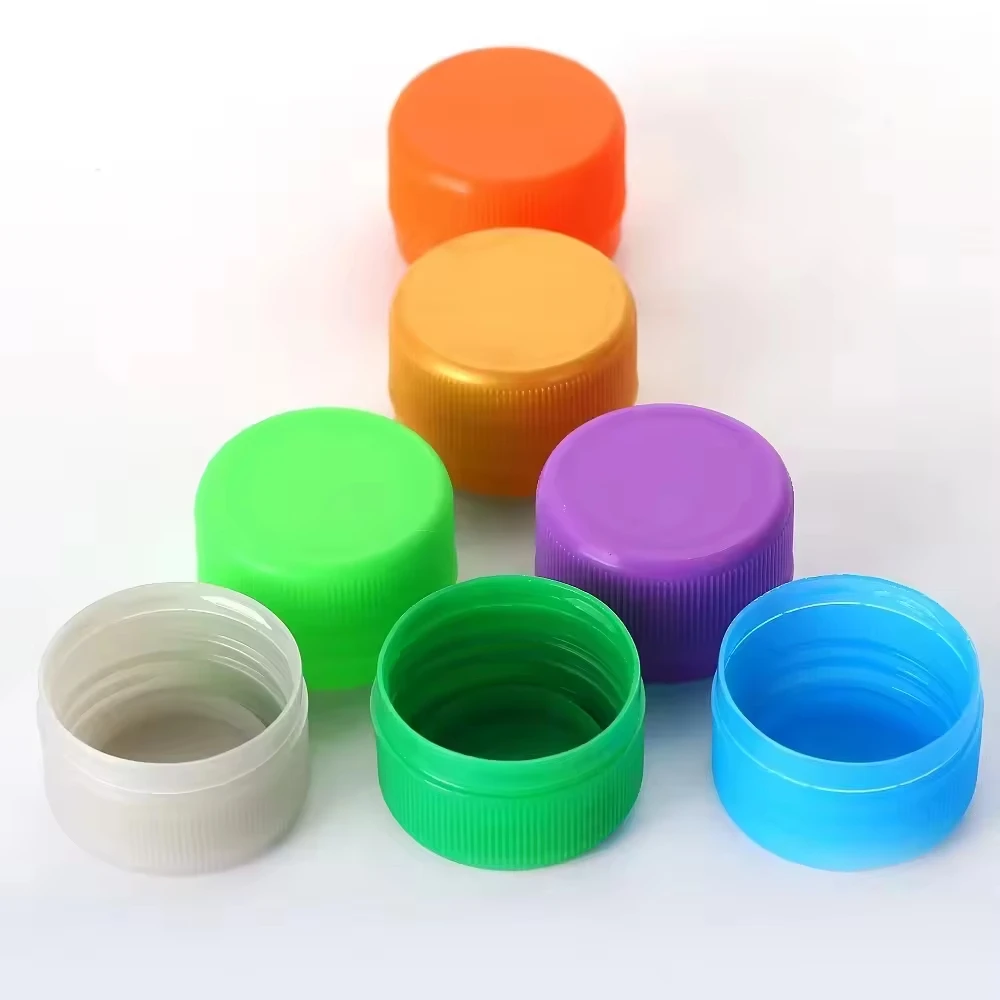
With two decades of dedicated production behind every PCO1810 cap, manufacturers who have invested in this specialization bring a level of process refinement that newer entrants simply cannot replicate. The knowledge embedded in tooling design, resin selection, process control, and quality verification systems compounds over time. This article explores how 20 years of focused manufacturing experience directly shapes the quality, reliability, and consistency of every PCO1815 cap delivered to customers worldwide.
The Role of Experience in PCO1815 Cap Tooling and Design
Precision Mold Engineering Built Over Time
Every PCO1815 cap begins with its mold. A seasoned manufacturer understands that mold quality is not just about initial precision — it is about sustaining that precision across millions of production cycles. Over 20 years, tooling teams accumulate critical knowledge about steel grade selection, cooling channel optimization, and cavity balance that directly impacts how every PCO1815 cap fills, cools, and releases from the mold. This hard-won expertise reduces flash defects, warping, and dimensional drift that commonly affect less experienced producers of the PCO1815 cap.
Mold maintenance protocols also benefit from long experience. Knowing when to polish cavities, when to replace gate inserts, and how to predict wear patterns allows a seasoned manufacturer to keep each PCO1815 cap within tolerance without costly unplanned downtime. These maintenance rhythms are not found in textbooks — they emerge from years of hands-on observation on the production floor dedicated entirely to the PCO1815 cap.
Consistent Dimensional Compliance with PCO1815 Standards
The PCO1815 cap must conform to internationally recognized neck finish standards. Any deviation in thread pitch, inner diameter, or tamper-evident band geometry can cause failure at the filling line or compromise shelf-life integrity. A manufacturer with 20 years of experience producing the PCO1815 cap has refined inspection routines and statistical process controls specifically calibrated to the PCO1815 cap's dimensional tolerances. This means fewer rejections, fewer line stoppages, and greater confidence for buyers sourcing at scale.
Material Mastery in PCO1815 Cap Production
Resin Selection and Processing Knowledge
The PCO1815 cap is typically produced using high-density polyethylene or polypropylene, and the choice of resin grade significantly impacts performance. An experienced manufacturer has evaluated dozens of resin variants over the years to identify which grades deliver optimal melt flow, shrinkage behavior, and chemical resistance for the PCO1815 cap. This knowledge base prevents the costly trial-and-error that newer suppliers face when they attempt to produce the PCO1815 cap at competitive speeds without compromising seal performance.
Resin lot consistency is another area where experience pays off. Knowing how to adjust processing parameters — barrel temperature, injection speed, holding pressure — in response to resin batch variation keeps the PCO1815 cap's performance stable across production runs. Buyers who require the PCO1815 cap in high volumes across multiple shipments particularly benefit from this material-level expertise.
Liner Integration and Seal Reliability
Many applications of the PCO1815 cap require a liner for carbonation retention or oxygen barrier performance. Integrating liners correctly into the PCO1815 cap production process demands precise in-mold or post-mold insertion control. Over 20 years, experienced teams develop reliable insertion workflows, adhesion verification routines, and torque-pull testing protocols that ensure every PCO1815 cap delivered to the customer performs exactly as expected at the filling machine and on the retail shelf.
Quality Systems and Process Control for the PCO1815 Cap
Statistical Process Control Refined Through Production Cycles
Quality in PCO1815 cap manufacturing is not achieved through inspection alone — it is built into the process. A manufacturer with 20 years of experience has constructed robust statistical process control frameworks specifically around the PCO1815 cap. Control charts, capability indices, and automated vision inspection systems are calibrated to the unique geometry and performance requirements of the PCO1815 cap. This systematic approach catches process drift early, before defective PCO1815 cap units reach the customer.
Long-term production data also allows experienced manufacturers to benchmark normal variation ranges for the PCO1815 cap. When a parameter falls outside a historically established window, the production team responds with confidence rather than guesswork. This data-driven culture, built across two decades of PCO1815 cap output, is a genuine competitive advantage that benefits every buyer placing an order.
Customer-Specific Validation and Testing Protocols
Experienced manufacturers of the PCO1815 cap understand that customers have different filling line configurations, torque requirements, and market compliance needs. Over 20 years, these manufacturers have developed structured validation processes — application torque testing, drop impact assessment, carbonation retention trials — that can be customized for each buyer's specific PCO1815 cap application. This flexibility, grounded in deep process knowledge, reduces qualification time and accelerates new customer onboarding.
FAQ
What makes the PCO1815 cap different from other bottle cap formats?
The PCO1815 cap features a 28mm neck finish with a specific thread profile and tamper-evident band geometry defined by international standards. This format is lighter than earlier PCO1810 designs while maintaining full compatibility with existing filling and capping equipment, making the PCO1815 cap the preferred closure for modern high-speed beverage lines.
How does manufacturing experience improve PCO1815 cap consistency?
Years of focused production on the PCO1815 cap build institutional knowledge across tooling, materials, and process control. Experienced teams know how to prevent defects before they occur, maintain dimensional stability across long runs, and adjust rapidly to resin or environmental variation — all of which directly improve lot-to-lot consistency of the PCO1815 cap.
Can the PCO1815 cap be customized for branding or specific applications?
Yes, the PCO1815 cap can be produced in a wide range of colors, with printed or embossed logos, and with liner options suited to still water, carbonated beverages, or juice applications. An experienced manufacturer has the tooling flexibility and material expertise to deliver a customized PCO1815 cap without compromising dimensional compliance or seal performance.