
 EN
EN


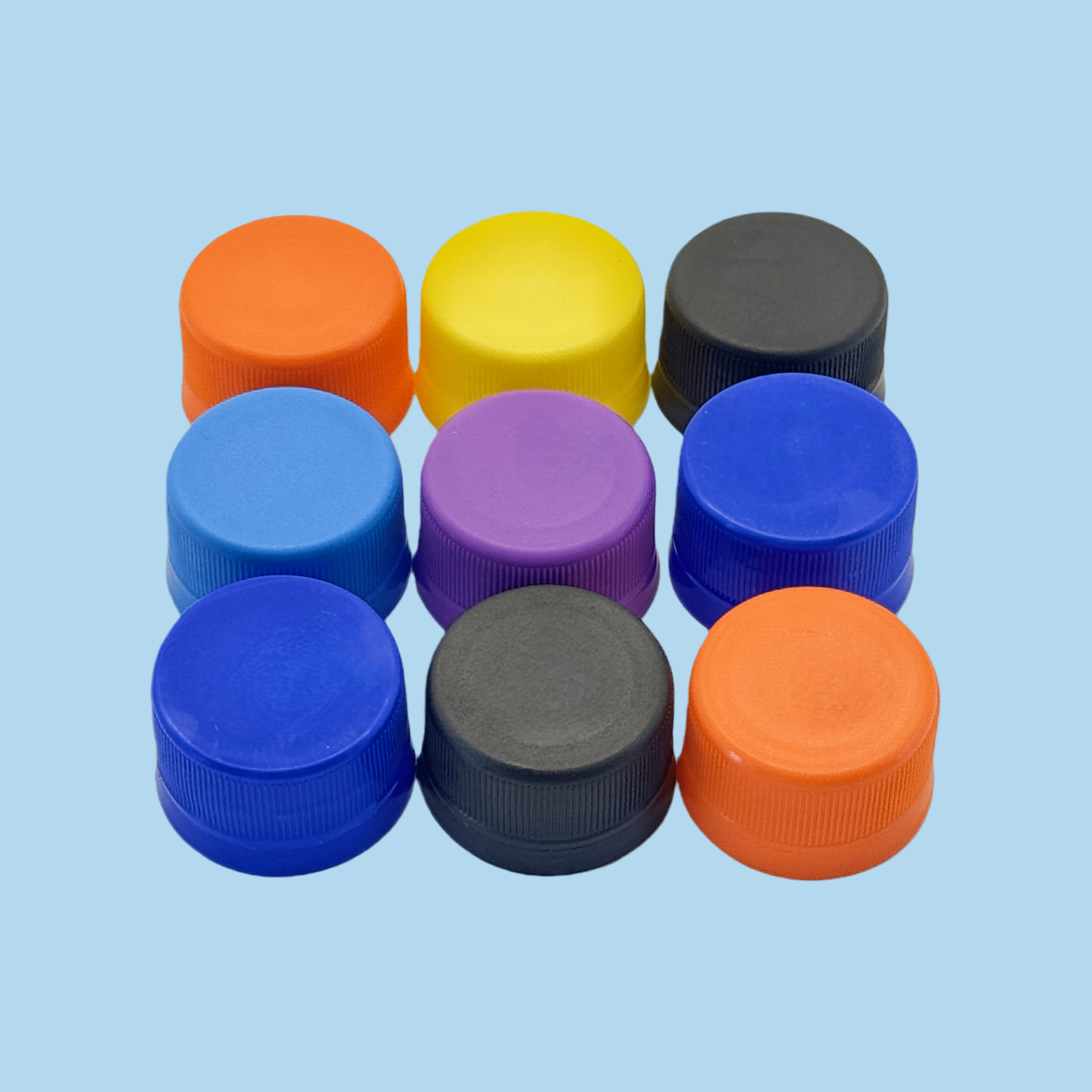
The thread design of a bottle closure is far more than a mechanical detail — it defines how reliably a cap seals, how smoothly it applies on a production line, and whether it meets international compatibility standards. The PCO1818 cap is one of the most widely recognized closures in the beverage packaging industry, engineered around a precise thread geometry that sets it apart from earlier formats. Understanding this thread design is essential for any procurement professional, packaging engineer, or brand owner working with PET bottle systems.
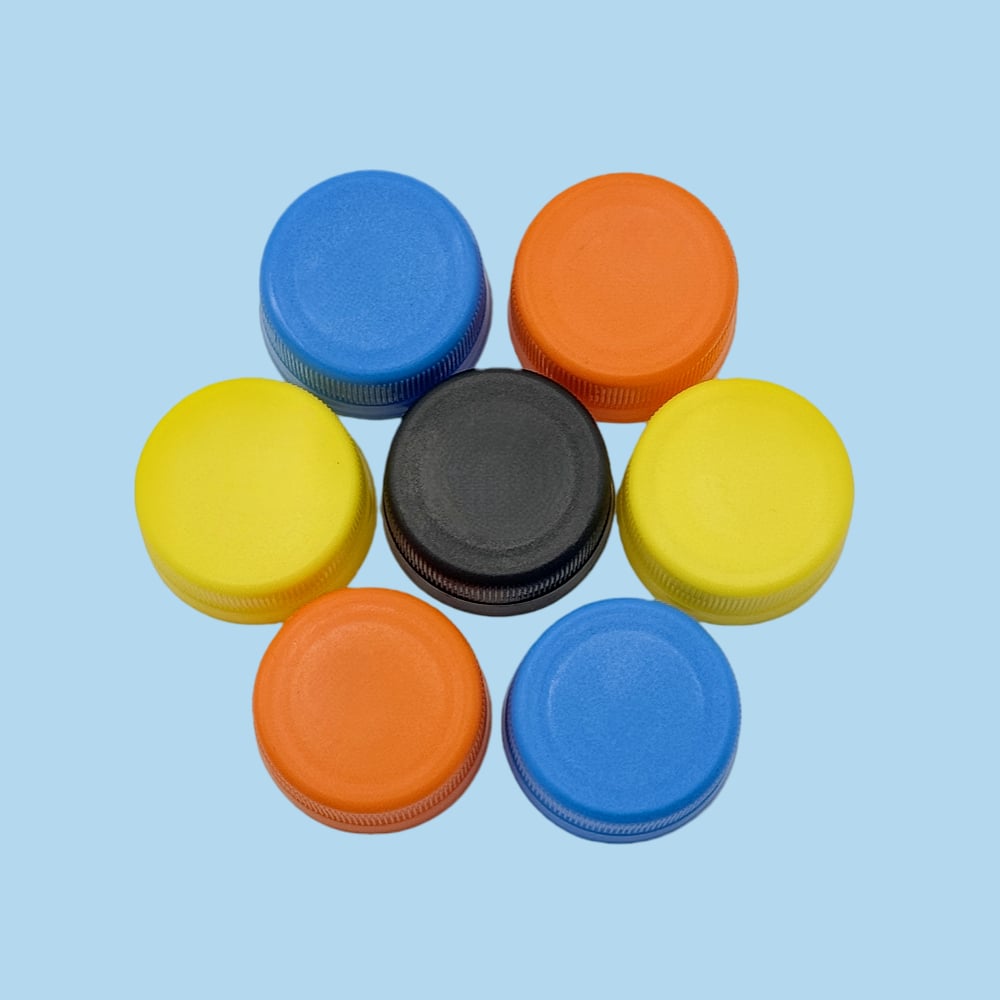
The PCO1818 cap standard was developed as an evolution of the older PCO1810 format, introducing a shorter, lighter closure that retains full sealing integrity while reducing material consumption. The thread profile of the PCO1818 cap is defined by its finish height, thread pitch, and neck diameter, all of which are governed by industry standards to ensure consistent fitment across different bottle manufacturers. This deep dive explores each of those design dimensions in practical detail.
Thread Geometry and Finish Dimensions of the PCO1818 Cap
Core Measurements That Define Thread Performance
The PCO1818 cap is designed for a 28 mm neck finish, which is the standard outer diameter used across a broad range of PET beverage bottles. The thread itself follows a specific pitch — the distance between each thread turn — that is precisely calibrated to generate sufficient torque engagement without overtightening. When the PCO1818 cap is applied during high-speed capping, this pitch determines how many rotational degrees are needed to reach the correct seal torque.
The finish height of the PCO1818 cap is notably shorter than that of the PCO1810 format, which reduces the amount of plastic required per closure. Despite this reduction in height, the PCO1818 cap maintains equivalent or superior sealing performance because the thread engagement area is optimized rather than simply shortened. The thread root and crest dimensions are carefully controlled to distribute clamping force evenly around the neck, preventing localized stress that could cause micro-leaks or cap distortion over time.
Thread Lead and Application Torque
Thread lead — the axial distance the PCO1818 cap travels per full rotation — directly influences capping machine settings and consumer removal torque. A tighter lead means more threads engage per unit of cap travel, which increases holding strength but demands more torque to open. The PCO1818 cap is engineered for a lead that balances easy consumer opening with robust tamper evidence. This is why the PCO1818 cap is compatible with both automatic capping equipment and manual application in smaller operations.
Sealing Mechanism and Tamper Evidence Integration
How the Thread Works With the Liner and Neck
The sealing function of the PCO1818 cap depends on how the thread works in conjunction with the inner liner or molded sealing bead. When the PCO1818 cap is tightened, the thread converts rotational force into axial compression, pressing the liner or sealing bead firmly against the bottle neck's top surface. This axial compression creates a gas-tight seal, which is critical for carbonated beverages where internal CO2 pressure must be retained.
The PCO1818 cap thread is also designed to interface precisely with the neck's transfer ring and support ledge. These features ensure the bottle is correctly positioned during filling and capping, maintaining alignment so the PCO1818 cap seats squarely rather than cross-threading. Cross-threading is a significant source of packaging failures on high-speed lines, and the thread geometry of the PCO1818 cap is shaped to minimize that risk through a guided entry angle at the thread start.
Tamper-Evident Band and Thread Cooperation
The tamper-evident band integrated into the PCO1818 cap is mechanically linked to the thread system. As the PCO1818 cap is applied, the band ratchets over retaining beads on the bottle neck. When a consumer first opens the PCO1818 cap, the band separates from the cap body, providing visible evidence of first opening. The thread pitch and lead must be precisely matched to the bead geometry so that the band engages reliably without causing premature breakage during capping or shipping vibration.
Getting this balance right requires that every PCO1818 cap in a production batch meets tight dimensional tolerances. Even minor variations in thread height or pitch can cause inconsistent band retention, leading to quality complaints or failed line audits. This is why sourcing PCO1818 cap components from suppliers with verified mold accuracy and dimensional control programs is critical for brand owners.
Material Choices and Their Effect on Thread Function
Polyethylene vs. Polypropylene for the PCO1818 Cap
The PCO1818 cap is commonly produced in either high-density polyethylene or polypropylene. The choice of resin affects how the thread behaves under torque. High-density polyethylene offers greater flexibility, which allows the PCO1818 cap thread to absorb slight dimensional variation in the neck finish without galling or cracking. Polypropylene, being stiffer, provides a crisper thread engagement and is often preferred for hot-fill applications where elevated temperatures could soften a polyethylene PCO1818 cap and reduce seal integrity.
The resin selection also affects the tamper-evident band's fracture behavior. A PCO1818 cap made from a more brittle resin grade will produce a cleaner, more visible break on the band bridges, improving the consumer experience. Suppliers offering the PCO1818 cap should be able to demonstrate that their resin formulation matches the intended application temperature range and filling process, whether cold fill, hot fill, or aseptic.
Colorants, Additives, and Thread Dimensional Stability
Adding colorants or UV stabilizers to a PCO1818 cap compound can subtly affect shrinkage behavior during molding, which in turn alters thread dimensions. Reputable PCO1818 cap manufacturers account for this by adjusting mold cavity dimensions when pigment loadings change. Buyers specifying custom colors for their PCO1818 cap should request dimensional verification reports to confirm that color changes have not shifted thread measurements outside the accepted tolerance band defined by the PCO standard.
FAQ
What is the main difference between the PCO1810 and PCO1818 cap thread designs?
The PCO1818 cap features a shorter finish height compared to the PCO1810 format, which reduces material use while maintaining seal performance. The thread engagement geometry was optimized in the PCO1818 cap so that the shorter height does not compromise axial clamping force or tamper-evident band reliability.
Can the PCO1818 cap be used on bottles designed for the PCO1810 neck finish?
The PCO1818 cap is not directly interchangeable with PCO1810 neck finishes without design modification. The two standards differ in finish height and thread engagement depth. Attempting to fit a PCO1818 cap onto a PCO1810 bottle neck may result in incomplete sealing or inconsistent tamper band engagement, so bottle and cap standards must be matched correctly.
How do I verify that a PCO1818 cap meets the required thread tolerances?
Buyers should request dimensional inspection reports from the cap supplier, including measurements for thread pitch, finish height, neck diameter, and tamper band bridge dimensions. Physical application trials on the intended bottle neck under production-line capping torque settings are also essential to confirm that the PCO1818 cap performs correctly before committing to a full production run.