
 EN
EN


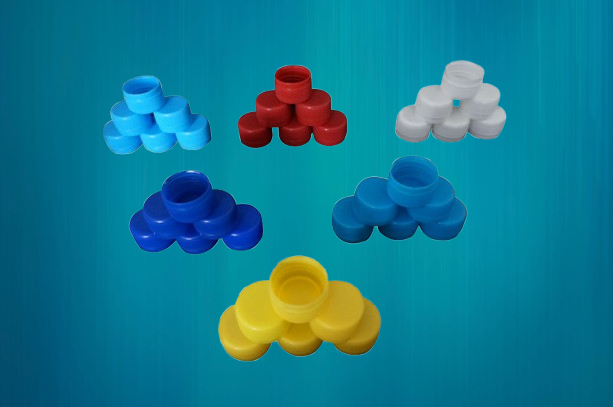
In the competitive world of beverage packaging, the Juice Cap is far more than a simple closure. It is the final barrier between a carefully formulated product and the consumer, making hygiene standards in its manufacturing process a non-negotiable priority. Taizhou, a city in Zhejiang Province, China, has emerged as one of the most significant hubs for plastic cap and closure manufacturing, and its producers have developed rigorous protocols to ensure every Juice Cap leaving their facilities meets the strictest food-contact safety requirements.
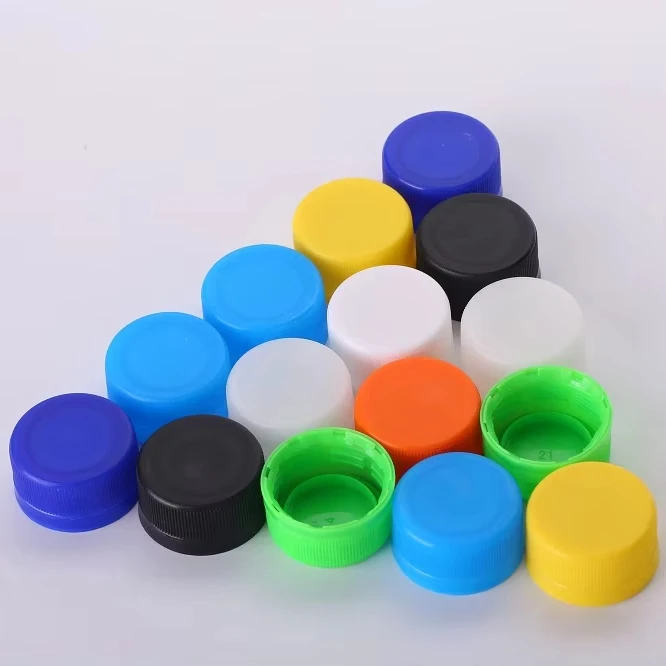
Understanding how Taizhou manufacturers maintain these hygiene standards offers valuable insight for beverage brands, procurement managers, and packaging engineers who depend on a reliable supply of safe, compliant closures. From raw material selection to cleanroom molding environments and post-production quality audits, the Juice Cap manufacturing process in Taizhou reflects a mature industrial ecosystem built around food safety, precision engineering, and continuous improvement. This article explores the key pillars of that process and explains why hygiene management is central to every stage of production.
The Role of Raw Material Control in Juice Cap Hygiene
Food-Grade Resin Selection and Certification
The hygiene integrity of any Juice Cap begins long before the molding machine is switched on. It starts with the selection of raw materials. Taizhou manufacturers sourcing resin for Juice Cap production prioritize food-grade polypropylene and high-density polyethylene that comply with international food-contact regulations, including GB standards in China, FDA requirements in the United States, and EU Regulation 10/2011 for plastic materials intended to contact food.
Certified food-grade resins are free from harmful plasticizers, heavy metals, and residual monomers that could migrate into juice products. Reputable Taizhou factories maintain supplier qualification programs that require material test reports, migration test certificates, and batch traceability documentation for every resin delivery. This upstream control ensures that the Juice Cap is built on a foundation of chemically safe inputs before any manufacturing step begins.
Incoming raw materials are typically stored in sealed, climate-controlled warehouses to prevent moisture absorption, contamination from airborne particles, and cross-contact with non-food-grade materials. Strict first-in, first-out inventory management further reduces the risk of resin degradation that could compromise the final Juice Cap's structural and hygienic performance.
Colorant and Additive Safety Protocols
Many beverage brands require a Juice Cap in specific brand colors, which means colorants and masterbatches must be introduced into the resin blend. Taizhou manufacturers apply the same food-contact compliance logic to colorants as they do to base resins. Only masterbatches certified for food-contact applications are approved for use in Juice Cap production, and their migration potential is verified through third-party laboratory testing.
Additives such as UV stabilizers, antioxidants, and slip agents are similarly screened. The goal is to ensure that the finished Juice Cap does not introduce any chemical risk to the juice it seals, regardless of the storage duration or temperature conditions the product may encounter in the supply chain. This level of additive control is a distinguishing feature of Taizhou factories that serve export markets with demanding regulatory environments.
Cleanroom and Production Environment Standards
Controlled Manufacturing Zones for Juice Cap Production
Taizhou's leading Juice Cap manufacturers have invested significantly in controlled production environments that minimize the risk of physical and microbial contamination during the molding process. Injection molding areas dedicated to Juice Cap production are typically maintained under positive air pressure to prevent the ingress of dust and airborne particles from adjacent areas of the facility.
Air filtration systems using HEPA filters are commonly installed above molding machines to ensure that the air surrounding the mold cavity and the freshly formed Juice Cap meets defined cleanliness standards. Temperature and humidity are monitored continuously, as fluctuations can affect both the dimensional accuracy of the cap and the potential for microbial growth on surfaces within the production zone.
Personnel entering Juice Cap production areas are required to follow gowning procedures that include hairnets, gloves, and dedicated footwear or shoe covers. These protocols reflect an understanding that human contact is one of the primary vectors for contamination in food-contact packaging manufacturing, and that consistent enforcement of hygiene behavior is as important as the physical environment itself.
Equipment Sanitation and Mold Maintenance
The molds used to produce each Juice Cap are precision-engineered tools that require regular cleaning and maintenance to preserve both dimensional accuracy and hygienic integrity. Taizhou manufacturers follow scheduled mold cleaning programs that remove resin residue, colorant buildup, and any surface deposits that could transfer to the Juice Cap during production.
Mold surfaces in contact with the Juice Cap are inspected for corrosion, scratches, or surface defects that could harbor bacteria or create irregular surfaces on the cap. Molds that fail inspection are removed from service and sent for refurbishment before being returned to the production line. This preventive maintenance approach ensures that every Juice Cap produced meets the same surface quality and hygiene standard as the first cap produced after a mold qualification run.
Conveyor systems, automated handling equipment, and packaging lines that come into contact with the finished Juice Cap are also subject to regular sanitation schedules. Cleaning agents used on food-contact surfaces are selected for their compatibility with the materials involved and their effectiveness against the microbial risks relevant to a juice packaging environment.
In-Process Quality Control and Contamination Prevention
Automated Inspection Systems for the Juice Cap
Modern Taizhou Juice Cap production lines integrate automated vision inspection systems that examine every cap for dimensional conformance, surface defects, and the presence of foreign particles. These systems use high-resolution cameras and image processing algorithms to detect issues such as flash, sink marks, incomplete formation, or embedded contaminants that would be difficult to identify through manual inspection alone.
Caps that fail automated inspection are automatically rejected and diverted from the production stream before they can reach the packaging stage. This zero-tolerance approach to defective Juice Cap units ensures that only conforming closures proceed to final packaging, reducing the risk of a contaminated or structurally compromised cap reaching the beverage filling line.
Statistical process control methods are applied to monitor key quality parameters over time, allowing production teams to identify trends that may indicate equipment wear, material variation, or process drift before they result in a significant quality event. This data-driven approach to in-process control is a hallmark of Taizhou manufacturers that supply to quality-conscious beverage brands globally.
Handling and Packaging Protocols to Preserve Hygiene
Once a Juice Cap passes inspection, the way it is handled and packaged has a direct bearing on whether its hygiene status is preserved through to the point of use. Taizhou manufacturers typically package finished Juice Cap units in sealed polyethylene bags or bulk containers that protect the caps from dust, moisture, and physical damage during storage and transit.
Packaging is performed in the controlled production environment rather than in a general warehouse area, ensuring that the Juice Cap is not exposed to uncontrolled conditions between the end of the production line and the sealing of the shipping container. Labels on finished goods packaging include batch codes and production date information that support full traceability in the event of a quality investigation.
For customers with particularly stringent hygiene requirements, some Taizhou manufacturers offer individually bagged or shrink-wrapped Juice Cap packaging options, as well as the ability to supply caps in inverted orientation to minimize the risk of internal surface contamination during transit. These value-added packaging solutions reflect the depth of hygiene thinking that characterizes the more advanced producers in the region.
Regulatory Compliance and Third-Party Certification in Taizhou
Navigating Food Safety Standards for Juice Cap Export
Taizhou manufacturers supplying Juice Cap products to international beverage brands must navigate a complex landscape of food safety regulations that vary by destination market. In addition to Chinese national standards, export-oriented factories typically seek compliance with FDA 21 CFR regulations for indirect food additives, EU food-contact material regulations, and market-specific requirements such as those applicable in Southeast Asia, the Middle East, and Latin America.
Achieving and maintaining this multi-market compliance requires ongoing investment in laboratory testing, regulatory monitoring, and documentation management. Taizhou factories that have built robust compliance programs are able to provide customers with the test reports, declarations of conformity, and material safety data that procurement teams and regulatory affairs departments require when qualifying a new Juice Cap supplier.
Third-party certifications such as ISO 9001 for quality management systems and ISO 22000 or FSSC 22000 for food safety management systems are increasingly common among Taizhou Juice Cap manufacturers that serve global markets. These certifications provide an independent verification of the factory's commitment to systematic quality and hygiene management, offering customers an additional layer of assurance beyond self-declared compliance.
Traceability Systems and Audit Readiness
A well-maintained traceability system is essential for any Juice Cap manufacturer that wants to demonstrate hygiene accountability to its customers. Taizhou producers that have invested in enterprise resource planning systems or dedicated quality management software are able to trace every batch of Juice Cap units back to the specific resin lot, production shift, mold cavity, and inspection record associated with that batch.
This level of traceability is not only a regulatory expectation in many markets but also a practical tool for managing quality incidents efficiently. If a beverage brand identifies a concern with a specific Juice Cap batch, a factory with robust traceability can quickly isolate the affected production window, identify the root cause, and implement corrective actions without disrupting the broader supply relationship.
Customer audits are a routine part of the supplier relationship for Taizhou Juice Cap manufacturers serving major beverage brands. Factories that maintain audit-ready documentation, clean and organized production environments, and well-trained staff are able to demonstrate their hygiene standards credibly and build the long-term trust that underpins stable supply partnerships.
FAQ
What materials are used in a food-safe Juice Cap produced in Taizhou?
Food-safe Juice Cap products manufactured in Taizhou are typically made from food-grade polypropylene or high-density polyethylene resins that comply with Chinese GB standards, FDA regulations, and EU food-contact material requirements. These resins are selected for their low migration potential, chemical stability, and compatibility with juice products across a range of storage conditions.
How do Taizhou manufacturers prevent contamination during Juice Cap production?
Contamination prevention in Taizhou Juice Cap manufacturing involves a combination of controlled production environments with HEPA air filtration, strict personnel hygiene protocols, regular mold and equipment sanitation, automated vision inspection systems, and sealed packaging procedures. Together, these measures create multiple barriers against physical, chemical, and microbial contamination throughout the production process.
What certifications should I look for when sourcing a Juice Cap from Taizhou?
When sourcing a Juice Cap from Taizhou, look for suppliers holding ISO 9001 certification for quality management and ISO 22000 or FSSC 22000 for food safety management. Additionally, request food-contact compliance documentation such as FDA compliance letters, EU Declaration of Conformity, and third-party migration test reports to verify that the Juice Cap meets the regulatory requirements of your target market.
Can Taizhou Juice Cap manufacturers support custom color and logo requirements while maintaining hygiene standards?
Yes. Taizhou Juice Cap manufacturers routinely produce caps in custom colors and with printed or embossed logos for beverage brand customers. Hygiene standards are maintained by using only food-contact certified colorants and masterbatches, applying the same cleanroom and inspection protocols regardless of customization requirements, and verifying that any additives introduced for aesthetic purposes do not compromise the food-contact safety profile of the finished Juice Cap.
Table of Contents
- The Role of Raw Material Control in Juice Cap Hygiene
- Cleanroom and Production Environment Standards
- In-Process Quality Control and Contamination Prevention
- Regulatory Compliance and Third-Party Certification in Taizhou
-
FAQ
- What materials are used in a food-safe Juice Cap produced in Taizhou?
- How do Taizhou manufacturers prevent contamination during Juice Cap production?
- What certifications should I look for when sourcing a Juice Cap from Taizhou?
- Can Taizhou Juice Cap manufacturers support custom color and logo requirements while maintaining hygiene standards?