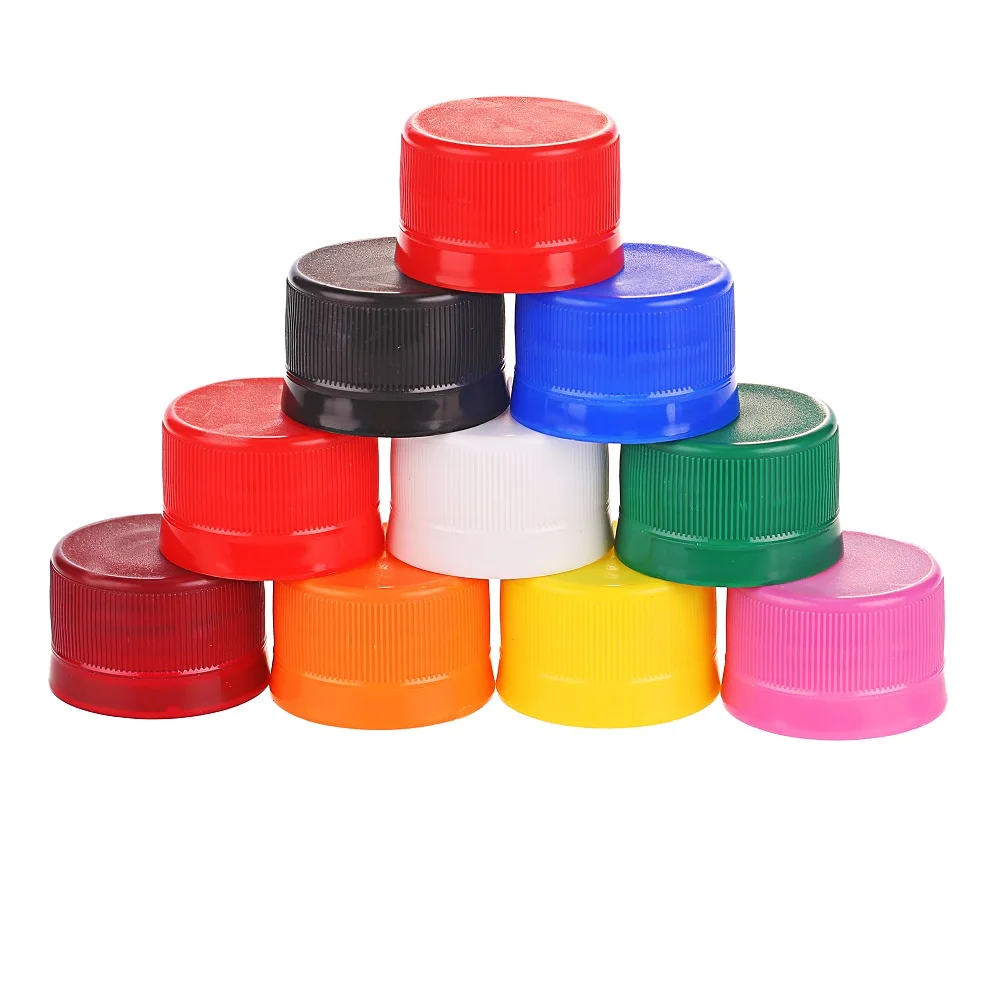
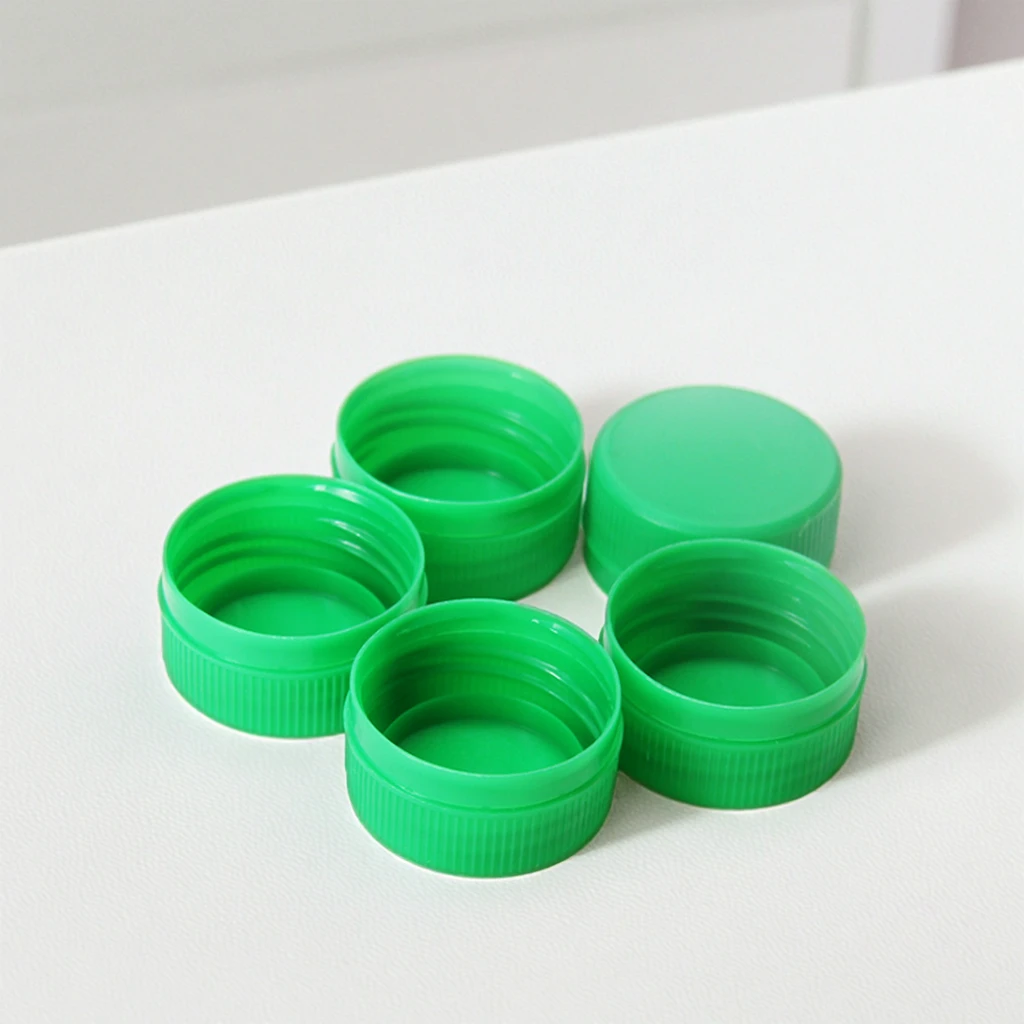
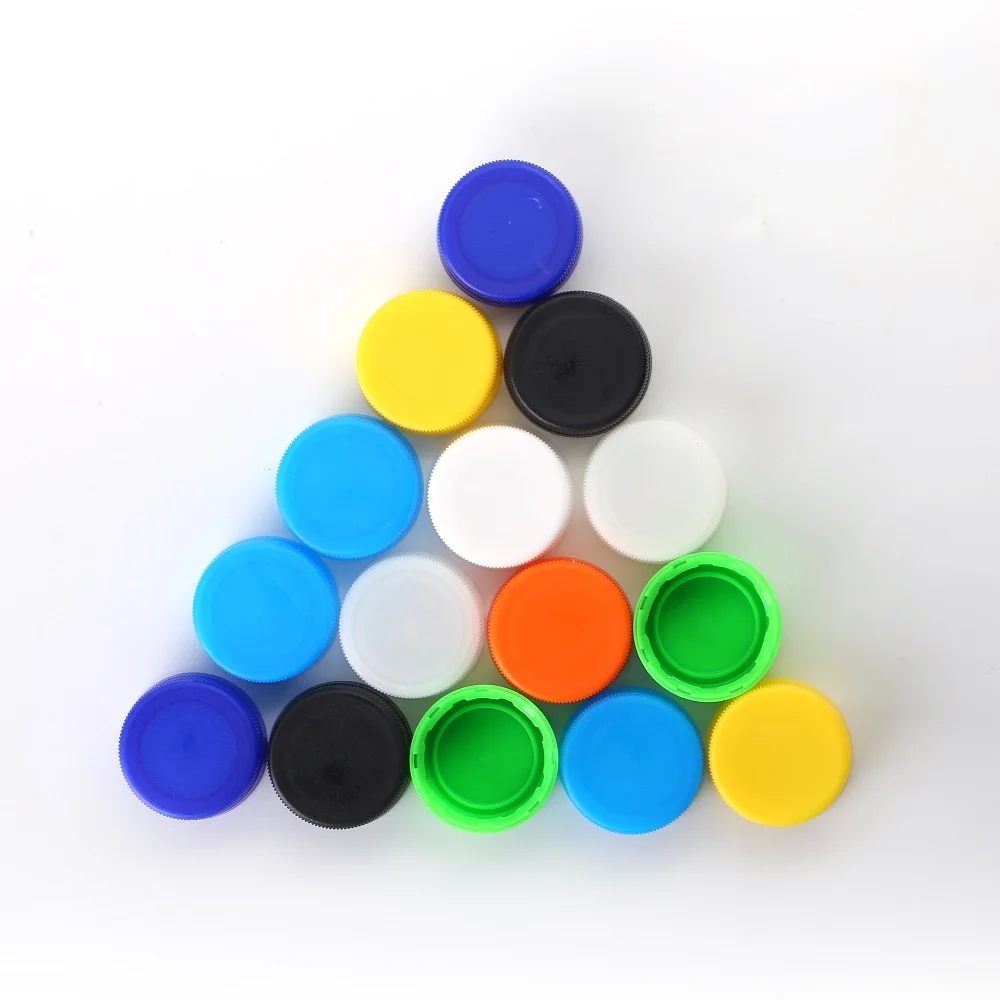
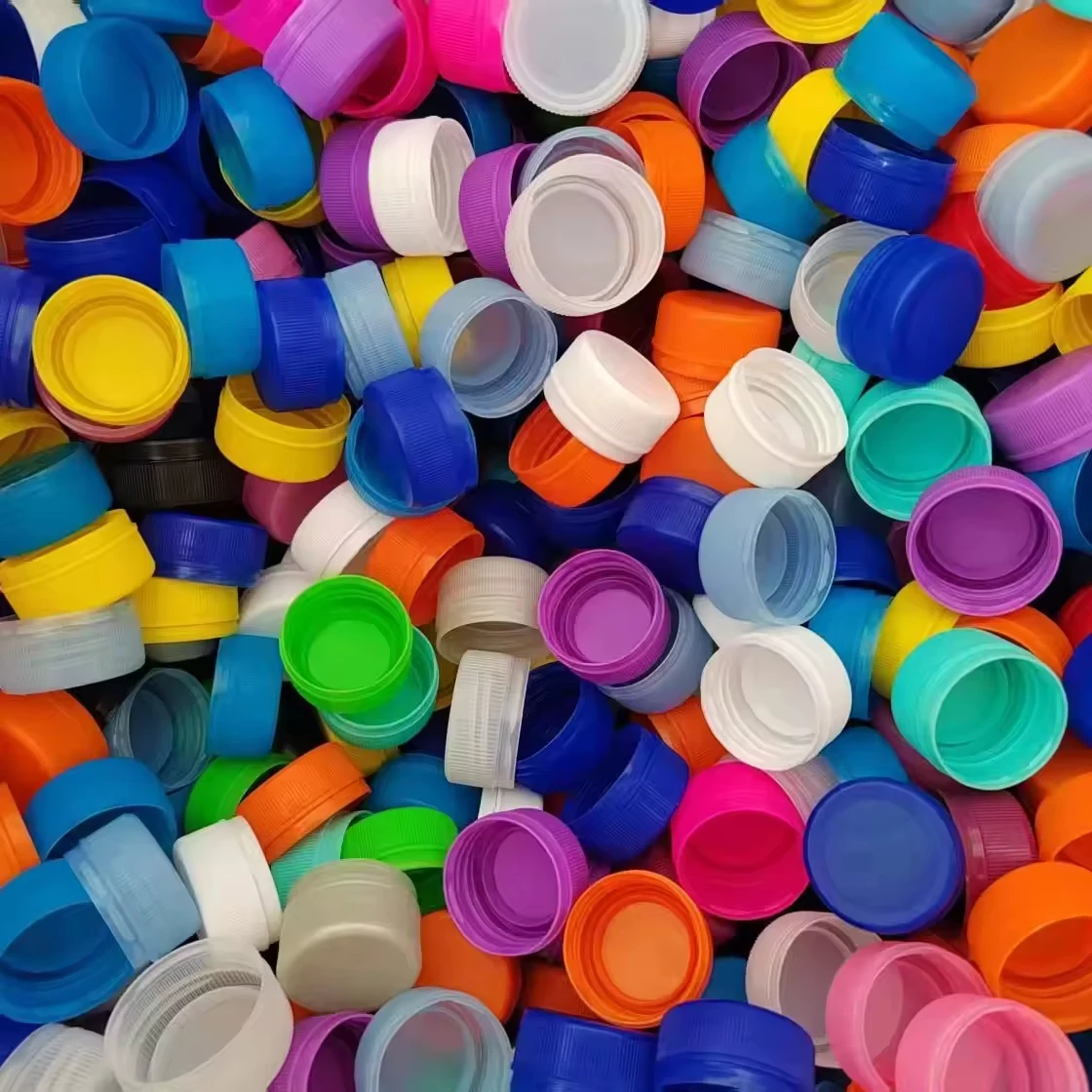
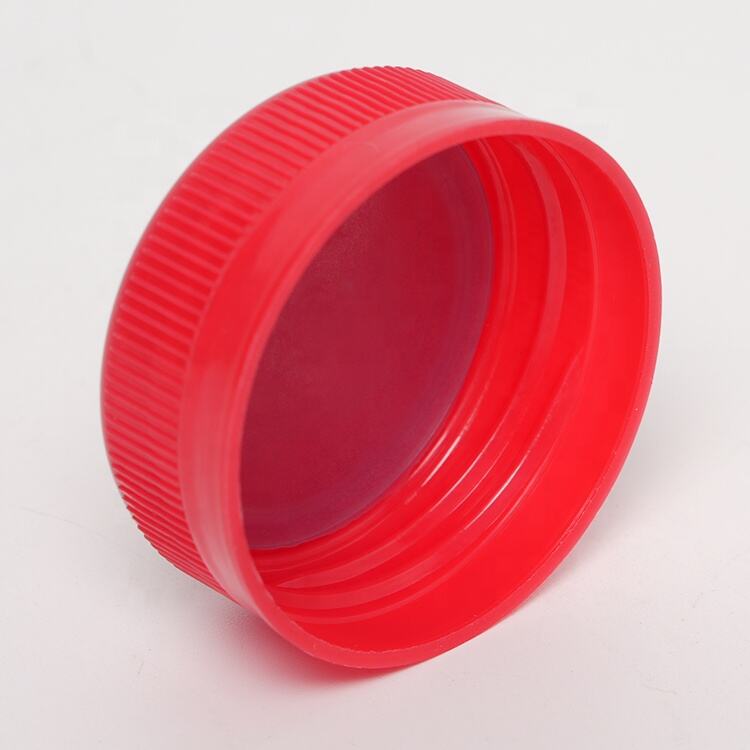
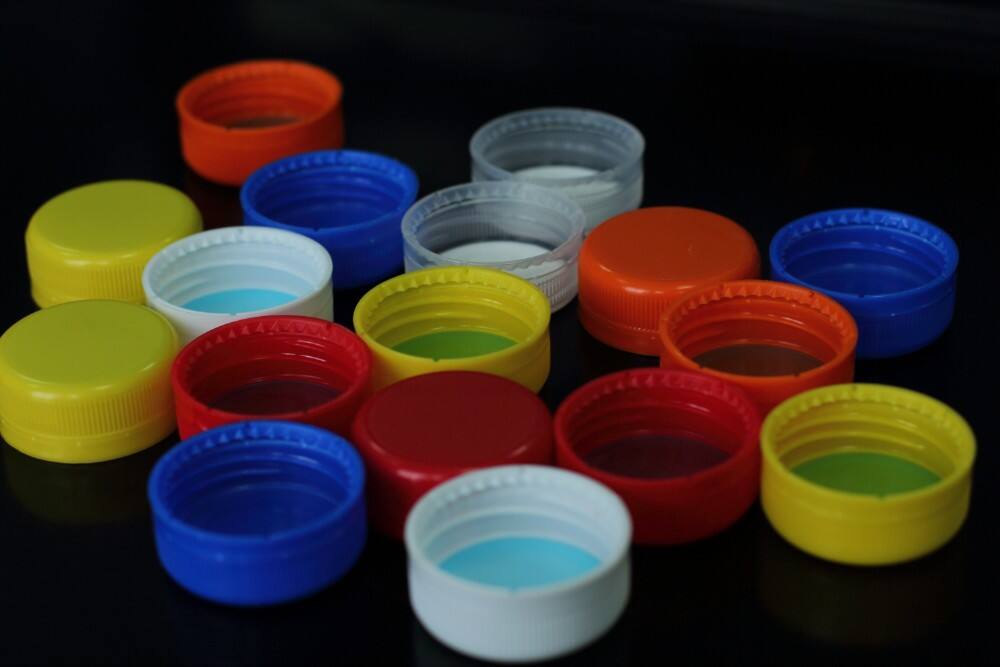
plastic milk bottle cap
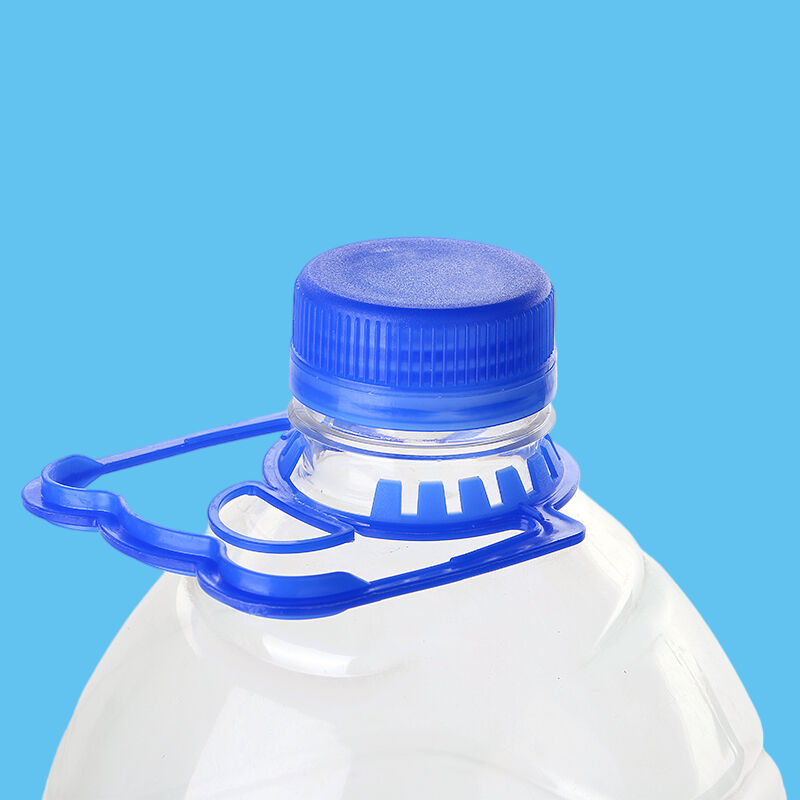
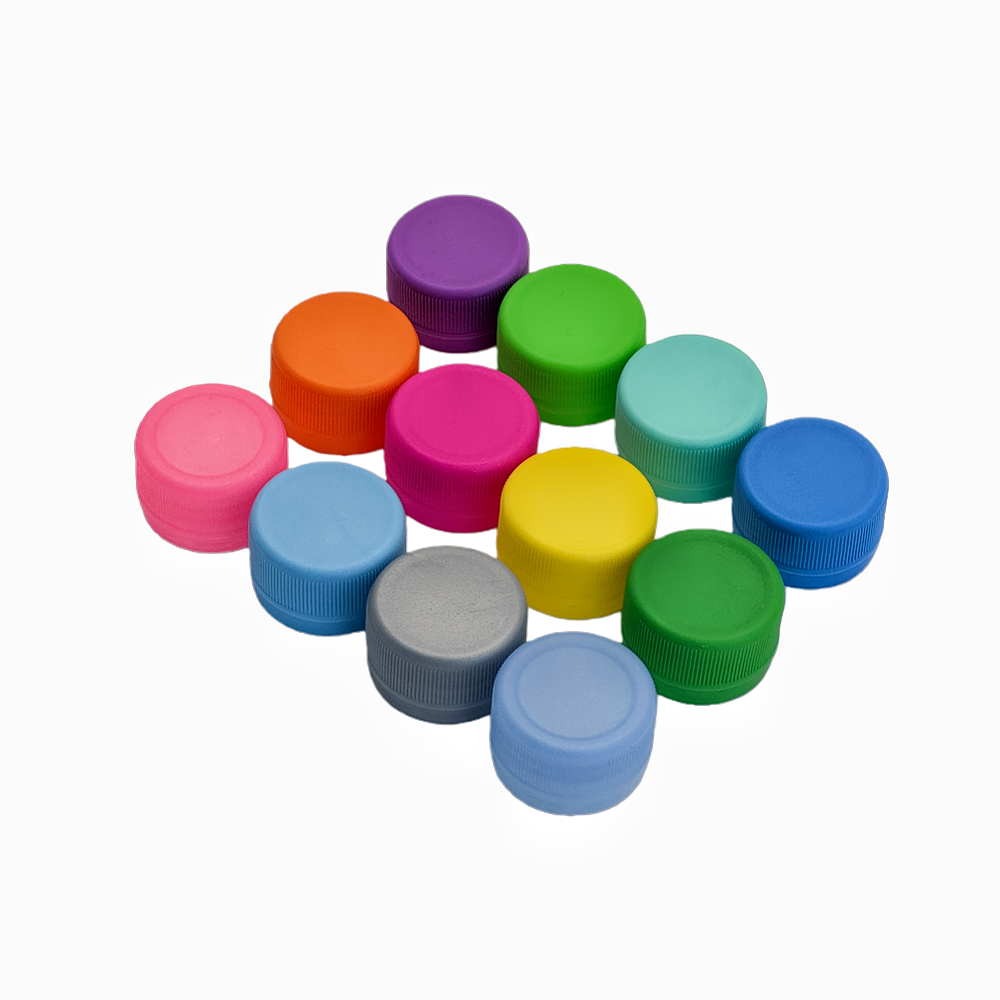
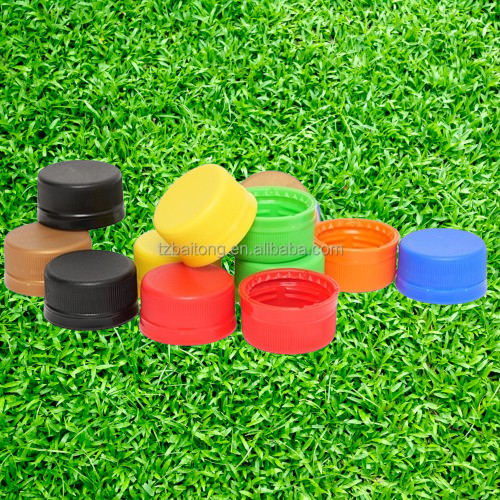
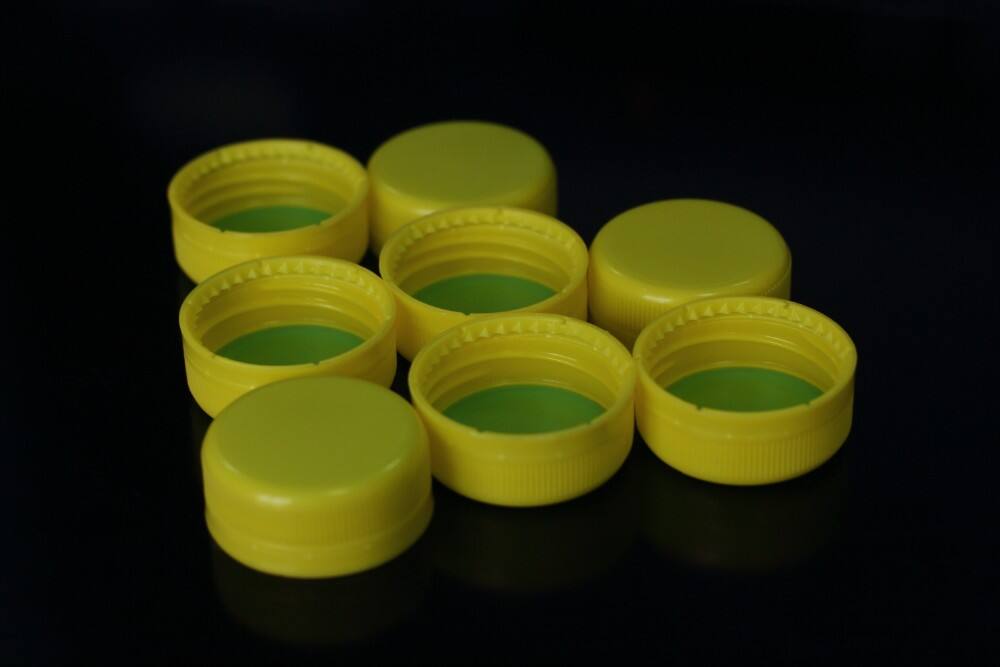
The plastic milk bottle cap is an essential closure component designed specifically for sealing dairy beverage containers, ensuring product freshness and preventing contamination. This innovative packaging solution combines advanced polymer engineering with user-friendly design to deliver reliable performance across the dairy supply chain. The plastic milk bottle cap serves multiple critical functions, including creating an airtight seal that preserves milk quality, preventing spillage during transportation and storage, and providing tamper-evident features that guarantee product integrity. Manufactured using food-grade polyethylene or polypropylene materials, these caps meet stringent safety standards for direct contact with consumable products. The technological features of the plastic milk bottle cap include precision-molded threads that ensure consistent fitment, integrated sealing gaskets that enhance leak resistance, and ergonomic grip surfaces that facilitate easy opening and closing. Many modern designs incorporate one-piece construction that eliminates loose parts while maintaining structural integrity throughout repeated use cycles. The plastic milk bottle cap finds widespread applications in commercial dairy operations, retail distribution networks, and household refrigeration environments. These caps accommodate various bottle sizes ranging from single-serving containers to family-sized jugs, making them versatile across different market segments. The standardized design allows for high-speed automated capping processes in bottling facilities while maintaining compatibility with manual application methods. Environmental considerations have driven innovations in plastic milk bottle cap design, with many manufacturers now offering recyclable options that support circular economy initiatives without compromising functional performance or food safety requirements.

 EN
EN