
 EN
EN


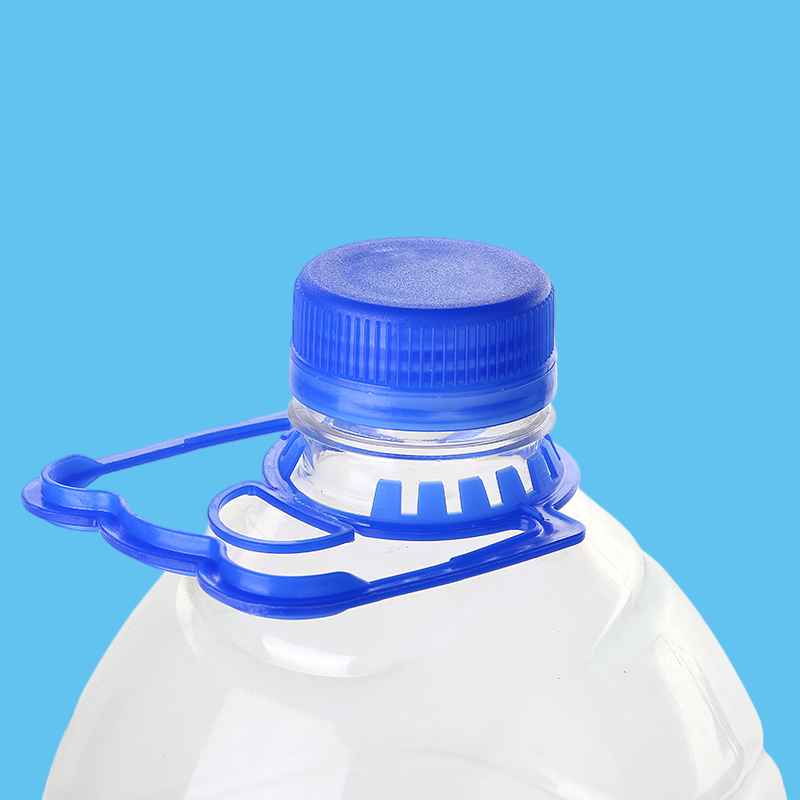
Carrying a heavy water jug safely depends on more than just having a grip point attached to the bottle. The bottle handle has to actually hold the weight of the filled container without stretching, cracking, or pulling loose, often through repeated daily use over an extended period. This article looks at the engineering factors that determine how much load a plastic bottle handle can reliably support, and what that means for buyers selecting handles for large water containers.

Why Load-Bearing Capacity Is the Core Design Requirement
A 5-gallon water jug can weigh more than 40 pounds when full, and the entire weight of that container is transferred through the handle at the moment it is lifted. If the handle's load-bearing capacity is not properly matched to the bottle it supports, the result can range from a handle that stretches and loosens over time to a sudden failure that drops the jug entirely. Because a bottle handle is relied upon every time the container is moved, its ability to consistently bear that load without degrading is the single most important engineering consideration in its design.
How Material Properties Affect Load-Bearing Performance
The material used in a bottle handle directly determines how much weight it can support and how it behaves under stress. PE material is widely used because it offers a practical balance of tensile strength and flexibility, allowing the handle to bear significant weight while still flexing slightly under load rather than remaining rigid and prone to cracking. This flexibility matters particularly during sudden movements, such as when a jug is lifted quickly or set down with some force, since a handle that can absorb a degree of shock performs more reliably over repeated use than one that is completely stiff.
The Role of Attachment Design in Distributing Weight
Beyond the material itself, how a bottle handle attaches to the bottle neck plays a major role in its overall load-bearing performance. A secure snap-fit connection needs to grip the neck tightly enough to prevent slipping under full weight, while still allowing for straightforward installation during the packaging process. Attachment points that distribute pressure evenly around the neck, rather than concentrating stress on a single contact area, tend to perform more consistently over time, since uneven stress distribution is a common cause of gradual loosening or premature wear.
Comparing Key Load-Bearing Factors
The table below summarizes the main factors that influence how much weight a plastic bottle handle can reliably support over time.
| Factor | Impact on Load-Bearing Performance |
|---|---|
| Material tensile strength | Determines the maximum weight the handle can support without stretching or breaking |
| Flexibility under stress | Allows the handle to absorb shock from sudden lifting or setting down |
| Attachment point design | Distributes weight evenly around the bottle neck to reduce localized stress |
| Wall thickness and shape | Affects rigidity and resistance to bending under sustained load |
| Fatigue resistance | Determines how well the handle holds up across repeated daily use over time |
Testing for Fatigue Resistance, Not Just Peak Strength
A bottle handle that performs well when tested once at full load may still fail prematurely if it cannot withstand repeated use over weeks or months. Fatigue resistance, which measures how a material holds up under repeated stress cycles rather than a single load test, is an important consideration for handles used on jugs that are filled, emptied, and refilled regularly. A handle with strong fatigue resistance is less likely to develop small cracks or stretching over time, even if it performed adequately in an initial single-use strength test.
Matching Handle Capacity to Container Size
Selecting an appropriately rated bottle handle requires matching its load-bearing capacity to the specific container it will support, since a handle designed for a smaller bottle will not necessarily perform safely on a larger, heavier jug. Buyers should confirm the handle's rated weight capacity against the actual filled weight of the container, including some margin for safety rather than selecting a handle rated at exactly the bottle's weight. The handle's inner diameter also needs to match the bottle's neck finish precisely, since a loose or overly tight fit at the attachment point can undermine load-bearing performance even if the material itself is rated for sufficient strength.
Evaluating Handle Durability Before Bulk Adoption
Before committing to a bottle handle design at scale, it is worth testing samples under conditions that reflect actual use, including full container weight, repeated lifting cycles, and temperature variations that may affect material flexibility. Requesting documented test data on tensile strength and fatigue performance from a supplier provides a more reliable basis for comparison than relying on a handle's appearance or a single demonstration lift. Gathering feedback from actual users, such as delivery staff handling jugs daily, can also reveal performance issues that controlled lab testing alone might not capture.
Frequently Asked Questions
How much weight can a typical plastic bottle handle support?
This depends on the specific design and material, but handles intended for 5-gallon jugs are generally rated to support loads exceeding 40 pounds when properly matched to the container.
Why is PE material commonly used for load-bearing bottle handles?
PE offers a useful balance of tensile strength and flexibility, allowing the handle to bear significant weight while absorbing shock from sudden movement rather than remaining rigid.
What is fatigue resistance and why does it matter for a bottle handle?
Fatigue resistance measures how well a handle holds up under repeated stress cycles over time, which is more relevant than peak strength alone for containers used and refilled regularly.
Can a handle fail even if it passed an initial strength test?
Yes, a handle can pass a single-load test but still fail over time if it lacks sufficient fatigue resistance for repeated daily use.
How should buyers confirm a bottle handle is rated for their specific container?
Match the handle's rated weight capacity to the container's filled weight with some safety margin, and confirm the inner diameter aligns precisely with the bottle's neck finish.