Get a Free Quote

Our representative will contact you soon.
Email
Name
Company Name
Message
0/1000

The Load-Bearing Science of a Durable Plastic Bottle Handle

2026-03-27 13:00:00
The Load-Bearing Science of a Durable Plastic Bottle Handle

The engineering principles behind a durable plastic bottle handle represent a fascinating intersection of materials science, structural mechanics, and ergonomic design. Understanding how these seemingly simple components bear substantial loads while maintaining their integrity over countless uses requires examining the complex interplay of molecular polymer chains, stress distribution patterns, and mechanical force vectors. A well-designed bottle handle must withstand tensile forces, resist fatigue cracking, and maintain structural stability under varying temperature conditions while providing a comfortable grip for users.

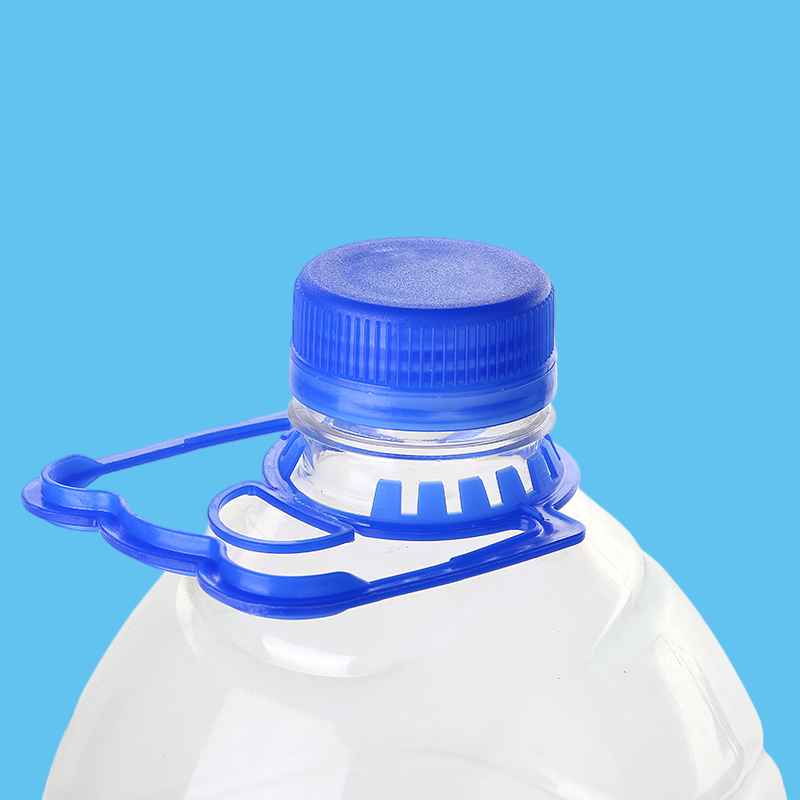
bottle handle

The load-bearing capacity of a plastic bottle handle depends on multiple scientific factors including polymer molecular structure, cross-linking density, and the geometric distribution of stress concentration points. Modern manufacturing techniques allow engineers to optimize these variables, creating handles that can support weights far exceeding the typical bottle contents while maintaining cost-effectiveness and manufacturing efficiency. This scientific approach to bottle handle design has revolutionized packaging applications across industries, from water bottles to industrial chemical containers.

Polymer Science Fundamentals in Handle Construction

Molecular Chain Architecture and Load Distribution

The load-bearing capacity of any bottle handle begins at the molecular level with the arrangement and interaction of polymer chains within the plastic material. Polyethylene and polypropylene, the most common materials for bottle handle construction, feature long carbon-based chains that can align under stress to distribute forces throughout the handle structure. When a bottle handle experiences tensile load, these molecular chains stretch and realign to accommodate the applied force, with stronger intermolecular bonds providing greater resistance to deformation.

The degree of crystallinity within the polymer matrix significantly influences how effectively a bottle handle can bear loads without permanent deformation. Higher crystallinity creates more organized molecular regions that resist stretching and provide structural integrity under stress. Manufacturing processes can control this crystallinity through cooling rates and processing temperatures, allowing engineers to tailor the mechanical properties of each bottle handle to specific load requirements.

Cross-linking between polymer chains creates a three-dimensional network that enhances the load-bearing capacity of the bottle handle structure. These cross-links act as molecular bridges that prevent chain slippage under stress, distributing applied forces across multiple molecular pathways rather than concentrating stress on individual chains. The density and distribution of cross-links directly correlate with the ultimate tensile strength and fatigue resistance of the finished handle.

Material Selection for Maximum Strength

Selecting the appropriate polymer material for a bottle handle requires balancing strength, flexibility, and manufacturing considerations. High-density polyethylene offers excellent tensile strength and chemical resistance, making it ideal for handles that must support heavy loads or exposure to aggressive substances. The molecular weight distribution of the selected polymer affects both the processing characteristics and the final mechanical properties of the bottle handle.

Impact modifiers and reinforcing additives can enhance the load-bearing performance of plastic bottle handle materials without significantly increasing manufacturing costs. Glass fiber reinforcement increases tensile strength and stiffness, while impact modifiers improve resistance to sudden loading or drop impacts. The careful selection and proportion of these additives allow manufacturers to optimize handle performance for specific applications and load requirements.

Temperature-dependent behavior of polymer materials significantly affects the load-bearing capacity of bottle handle designs across different operating environments. Plastic materials generally become more brittle at low temperatures and softer at elevated temperatures, requiring engineers to account for these variations when designing handles for diverse applications. Understanding the glass transition temperature and melting characteristics of the selected polymer ensures reliable performance across the intended temperature range.

Stress Analysis and Geometric Optimization

Force Vector Analysis in Handle Design

The geometric configuration of a bottle handle determines how applied loads distribute throughout the structure and identifies potential failure points under various loading conditions. When a user grips and lifts a bottle, multiple force vectors act simultaneously on the handle, including vertical lifting forces, horizontal grip compression, and rotational moments from bottle swinging or tilting. Effective handle design requires analyzing these complex loading patterns to optimize material distribution and minimize stress concentrations.

Finite element analysis allows engineers to map stress distributions within bottle handle geometries before physical testing, identifying areas of high stress concentration that could lead to premature failure. These analytical tools reveal how changes in handle thickness, curvature, and attachment points affect overall load-bearing capacity. By visualizing stress patterns, designers can modify handle geometry to achieve more uniform stress distribution and eliminate potential weak points.

The attachment interface between the bottle handle and container body represents a critical stress concentration area that requires careful engineering consideration. Sharp corners or abrupt geometry changes in this region create stress risers that can initiate crack propagation under repeated loading. Gradual transitions, filleted corners, and optimized attachment geometries distribute interface stresses more effectively, significantly improving the fatigue life and ultimate strength of the handle assembly.

Ergonomic Considerations in Load Management

Human factors engineering plays a crucial role in bottle handle design, as the interface between user grip characteristics and handle geometry affects both load-bearing performance and user comfort. The diameter and cross-sectional shape of the handle influence grip force distribution, with larger diameters generally reducing peak contact stresses but requiring greater grip span. Optimization involves balancing these competing factors to minimize user fatigue while maintaining adequate load transfer efficiency.

Surface texturing and grip features on bottle handle surfaces can significantly improve load transfer efficiency by increasing friction and reducing the grip force required to prevent slippage. These features must be carefully designed to avoid creating stress concentration points that could compromise structural integrity. The depth, spacing, and orientation of grip textures affect both functional performance and the manufacturing feasibility of the bottle handle production process.

The angular orientation and positioning of the bottle handle relative to the container affects both the load path efficiency and user comfort during lifting operations. Vertical handles provide the most direct load path but may be less comfortable for extended carrying, while angled handles can improve ergonomics but create more complex stress patterns. Optimizing this orientation requires considering both biomechanical factors and structural engineering principles to achieve the best overall performance.

Manufacturing Process Impact on Structural Integrity

Injection Molding Parameters and Strength Development

The injection molding process parameters significantly influence the final load-bearing characteristics of plastic bottle handle components through their effects on molecular orientation, residual stresses, and surface quality. Melt temperature, injection speed, and cooling rates control the development of crystalline structure and the alignment of polymer chains during solidification. Higher injection pressures can improve molecular orientation along the handle axis, enhancing tensile strength in the primary loading direction.

Gate placement and runner system design in bottle handle molds affect the flow pattern of molten plastic and the resulting mechanical properties of the finished part. Multiple gates can reduce weld line formation but may complicate the molding process, while single-gate designs simplify manufacturing but require careful optimization to prevent weak spots. The location and size of gates influence both the structural integrity and the visual appearance of the final handle product.

Cooling system design within the injection mold controls the thermal history of the bottle handle during solidification, directly affecting crystallinity development and internal stress patterns. Uniform cooling promotes consistent mechanical properties throughout the handle cross-section, while uneven cooling can create residual stresses that reduce load-bearing capacity. Advanced mold cooling techniques, including conformal cooling channels, help achieve optimal thermal management for improved structural performance.

Quality Control and Testing Protocols

Comprehensive quality control measures ensure that manufactured bottle handle components meet specified load-bearing requirements and maintain consistent performance across production batches. Tensile testing protocols evaluate the ultimate strength and yield characteristics of handle materials, while fatigue testing assesses long-term durability under repeated loading cycles. These testing methods provide quantitative data for validating design calculations and optimizing manufacturing parameters.

Environmental stress testing exposes bottle handle samples to various temperature, humidity, and chemical exposure conditions to evaluate performance degradation over time. Accelerated aging protocols can predict long-term performance characteristics and identify potential failure modes that may not be apparent in short-term testing. This comprehensive approach to quality validation ensures reliable performance throughout the intended service life of the bottle handle.

Statistical process control techniques monitor key manufacturing variables and product characteristics to maintain consistent quality in bottle handle production. Control charts track parameters such as material properties, dimensional accuracy, and load-bearing performance to identify trends that could indicate process drift or equipment wear. Implementing robust quality systems helps prevent defective products from reaching customers while optimizing manufacturing efficiency.

Application-Specific Load Requirements

Industrial and Commercial Applications

Industrial applications often demand bottle handle designs capable of supporting substantially higher loads than typical consumer products, requiring enhanced material selection and structural optimization. Chemical containers, industrial cleaning solutions, and bulk liquid products may weigh several kilograms when full, placing significant demands on handle strength and durability. These applications require careful analysis of loading conditions, including dynamic loads from transportation and handling equipment.

Temperature extremes in industrial environments can significantly affect the load-bearing performance of plastic bottle handle components, requiring material selection and design modifications to maintain structural integrity. Cold storage applications may reduce material toughness and increase brittleness, while high-temperature environments can reduce strength and stiffness. Understanding these temperature effects allows engineers to specify appropriate safety factors and material grades for specific applications.

Chemical compatibility considerations become critical in industrial bottle handle applications where exposure to aggressive substances could degrade polymer materials over time. Stress cracking, chemical attack, and plasticizer extraction can all compromise the structural integrity of handles in contact with certain chemicals. Material selection must account for both mechanical requirements and chemical resistance characteristics to ensure long-term reliability.

Consumer Product Optimization

Consumer bottle handle applications typically prioritize cost optimization while maintaining adequate safety margins for normal use conditions. Water bottles, beverage containers, and household products generally experience lighter loads but must accommodate a wide range of user handling patterns and environmental conditions. Design optimization focuses on achieving minimum weight and material usage while meeting safety and durability requirements.

Aesthetic considerations often influence bottle handle design in consumer applications, requiring integration of visual appeal with structural performance requirements. Curved profiles, colored materials, and decorative features must be engineered to avoid compromising load-bearing capacity or creating potential failure points. Achieving this balance requires close collaboration between industrial designers and structural engineers throughout the development process.

Recycling and environmental considerations increasingly influence bottle handle design decisions, driving the selection of recyclable materials and elimination of material combinations that complicate waste processing. Single-material designs facilitate recycling while potentially simplifying manufacturing processes, though they may require design modifications to achieve equivalent performance compared to multi-material approaches. Sustainable design principles can often be integrated with structural optimization goals to create environmentally responsible products.

FAQ

What determines the maximum load a plastic bottle handle can support?

The maximum load capacity of a plastic bottle handle depends on several factors including the polymer material properties, cross-sectional area and geometry of the handle, attachment method to the bottle, and the presence of stress concentration features. Material tensile strength, molecular weight, and degree of crystallinity all contribute to load-bearing capacity, while the handle geometry determines how stresses distribute throughout the structure. Manufacturing quality and environmental conditions during use also significantly affect actual load capacity.

How do temperature changes affect bottle handle strength?

Temperature variations significantly impact plastic bottle handle performance by altering the molecular mobility and mechanical properties of polymer materials. Cold temperatures typically increase material stiffness but reduce impact resistance and may cause brittle failure under shock loads. Elevated temperatures decrease material strength and stiffness, potentially leading to creep deformation under sustained loads. Most plastic handles are designed with safety factors to accommodate reasonable temperature variations, but extreme conditions may require special material grades or design modifications.

What manufacturing factors most influence handle durability?

Key manufacturing factors affecting bottle handle durability include injection molding parameters such as melt temperature, pressure, and cooling rate, which control molecular orientation and crystalline structure development. Gate placement and runner design influence material flow patterns and potential weld line formation, while mold design affects stress concentration areas and surface quality. Quality control measures including material testing, dimensional inspection, and load testing ensure consistent performance and help identify process variations that could compromise durability.

How can bottle handle design be optimized for specific applications?

Optimizing bottle handle design requires analyzing the specific loading conditions, environmental requirements, and user interface needs of the intended application. Load analysis determines required strength and fatigue resistance, while environmental factors influence material selection and design features. Ergonomic considerations affect handle geometry and surface features, while manufacturing constraints and cost targets influence material selection and complexity. Computer-aided engineering tools help evaluate design alternatives and optimize performance for specific requirements while maintaining manufacturing feasibility.