Premium Plastic Milk Caps - Advanced Sealing Technology & Sustainable Packaging Solutions

Get a Free Quote

Our representative will contact you soon.
Email
Phone/Whatsapp
Company Name/Name
Message
0/1000

plastic milk cap

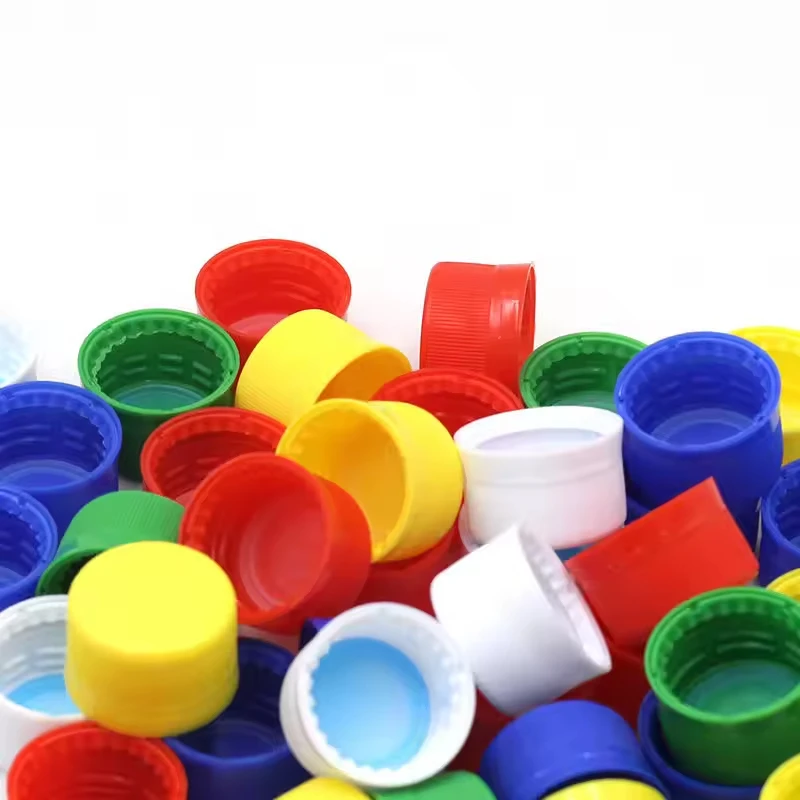
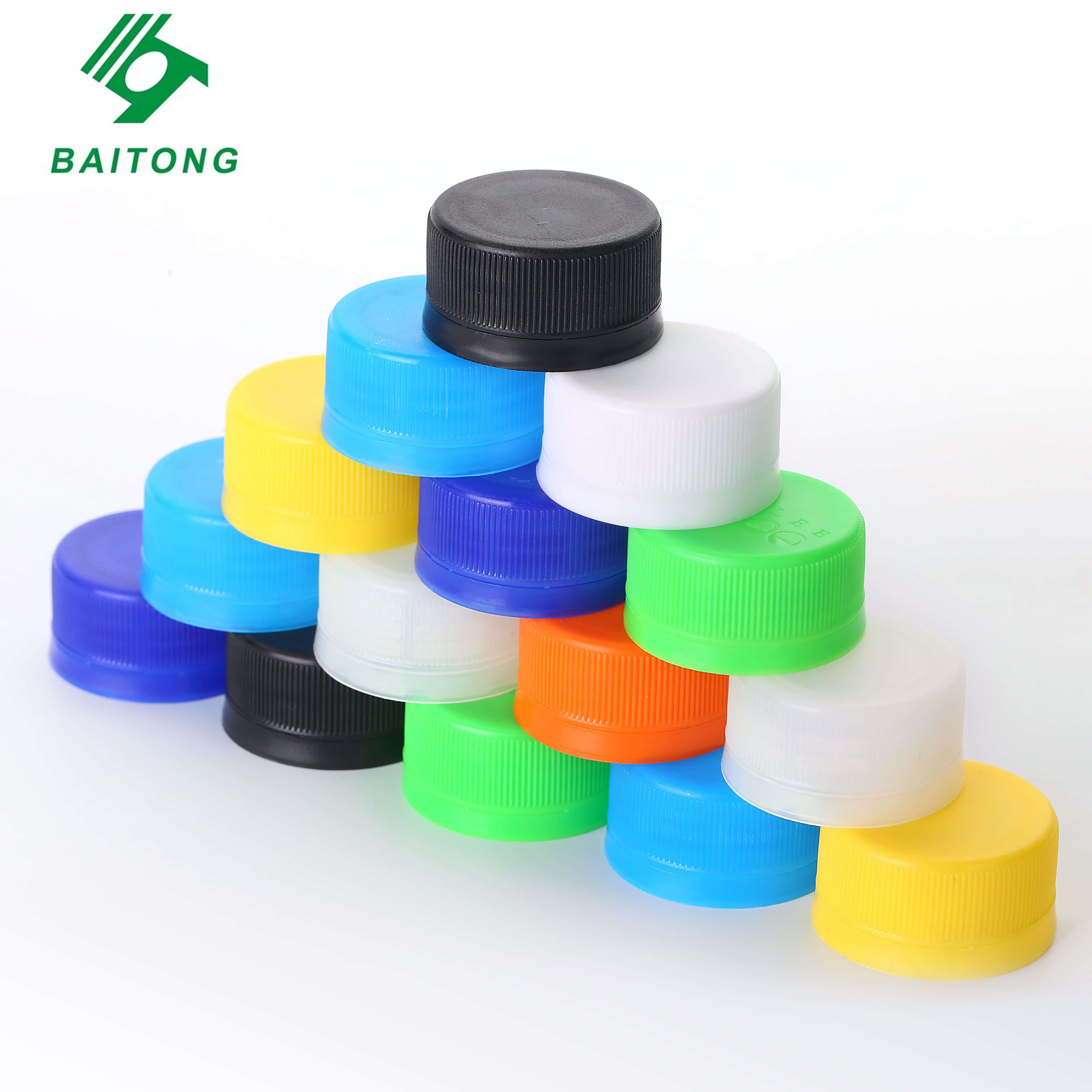
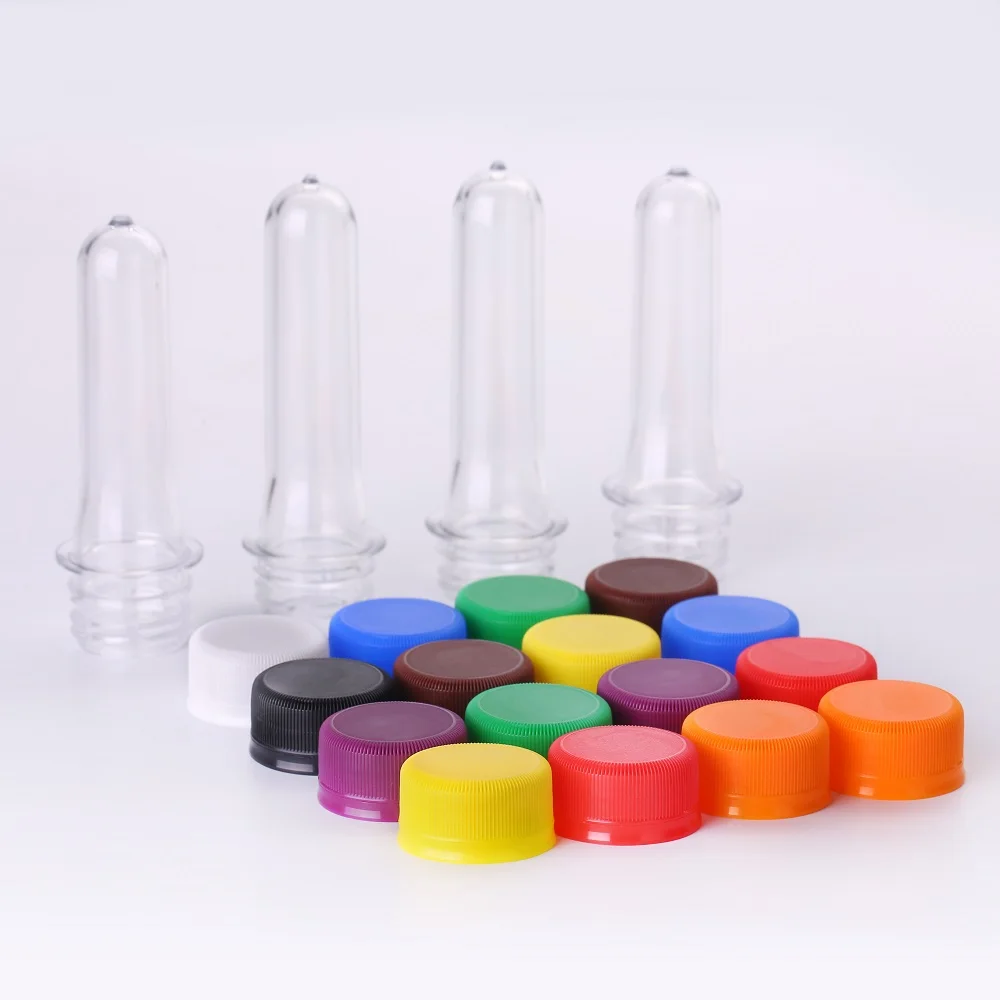
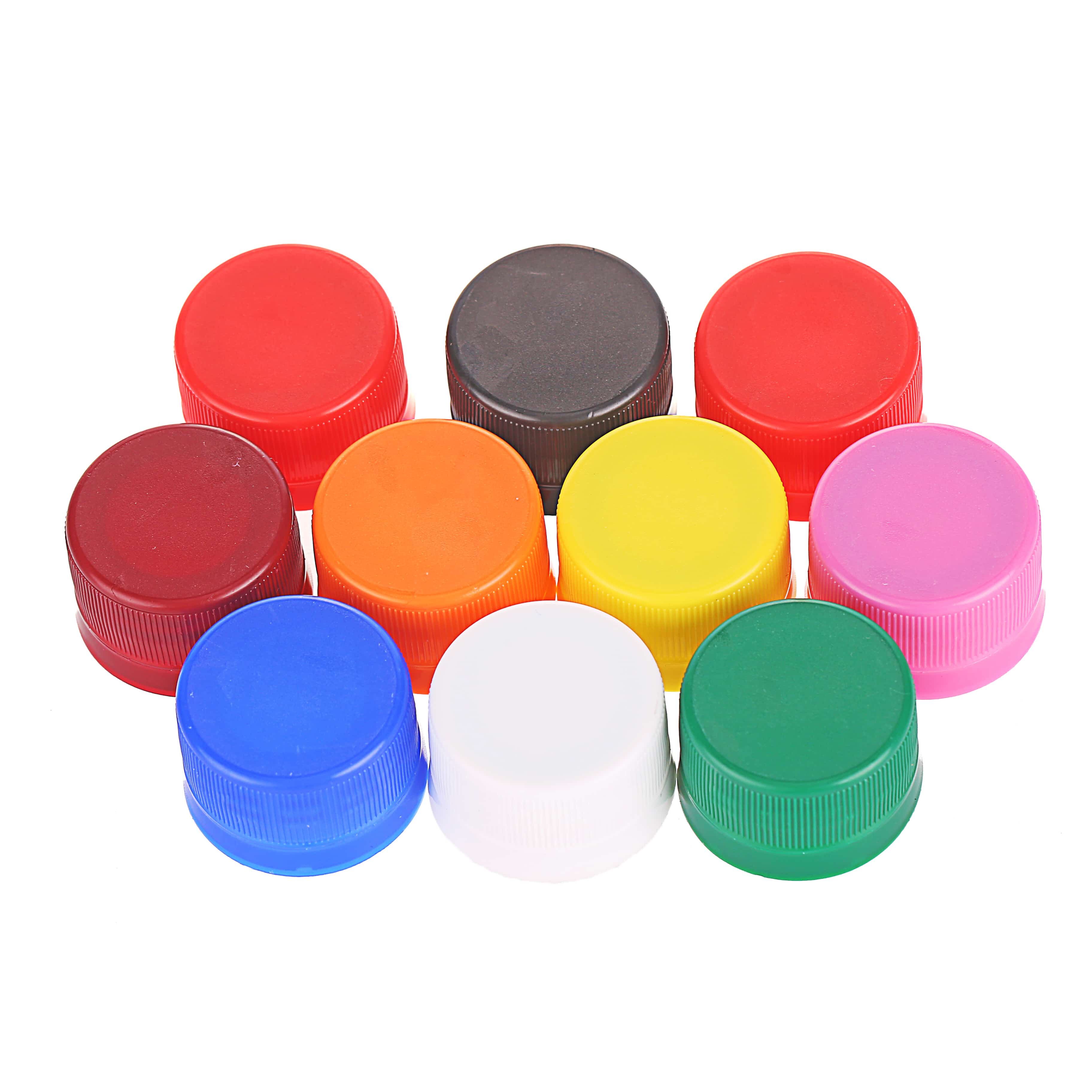
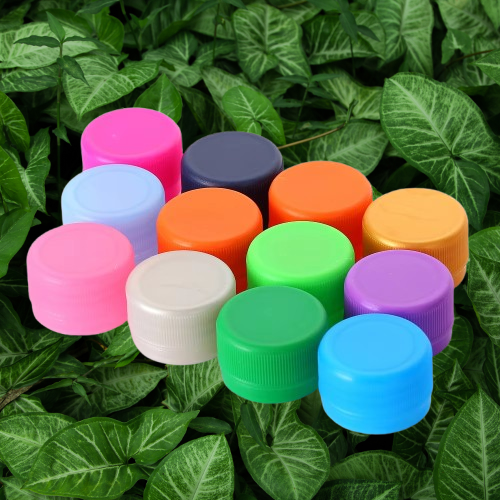
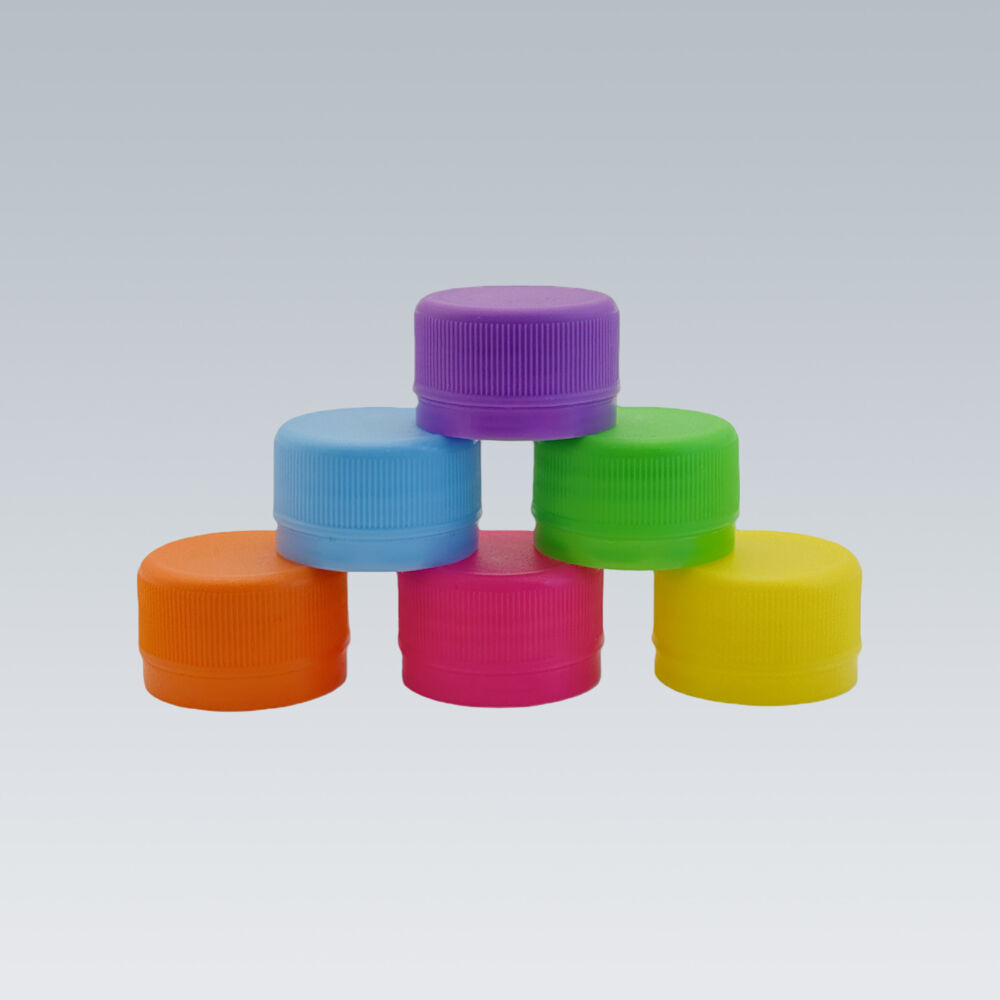
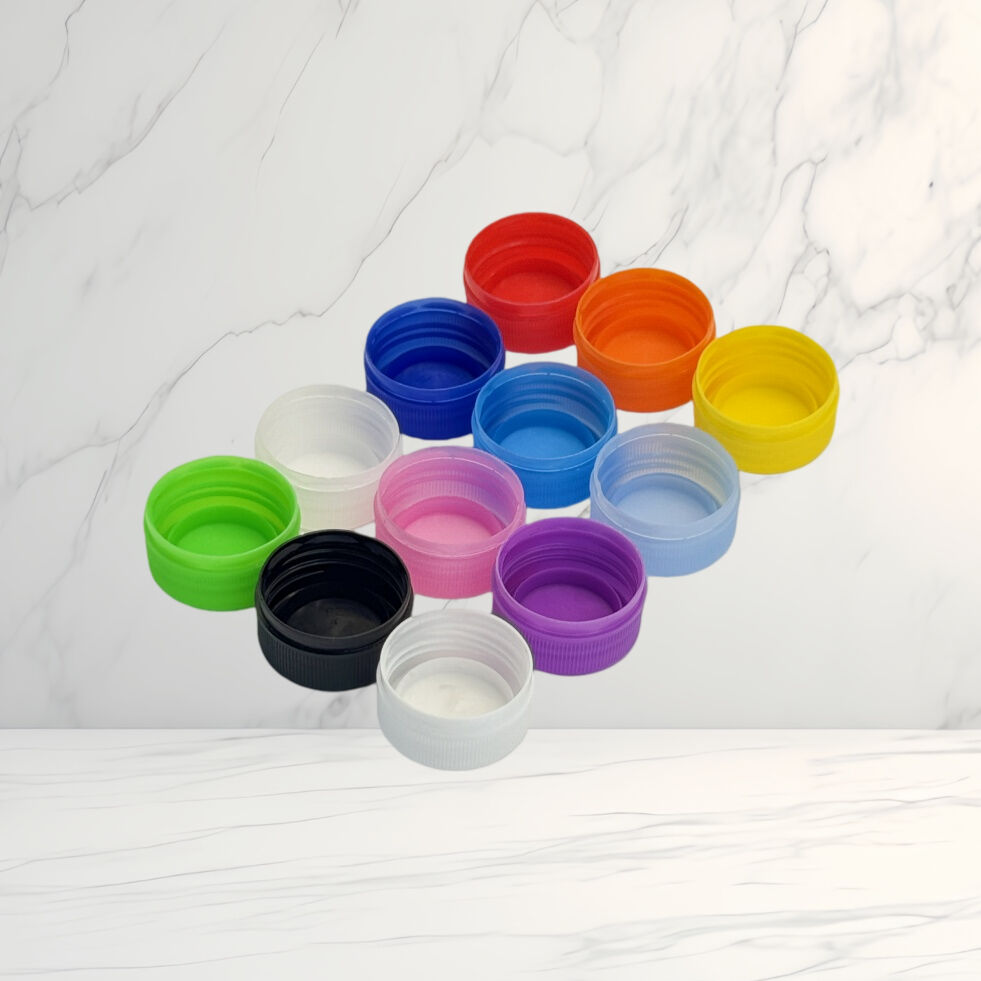
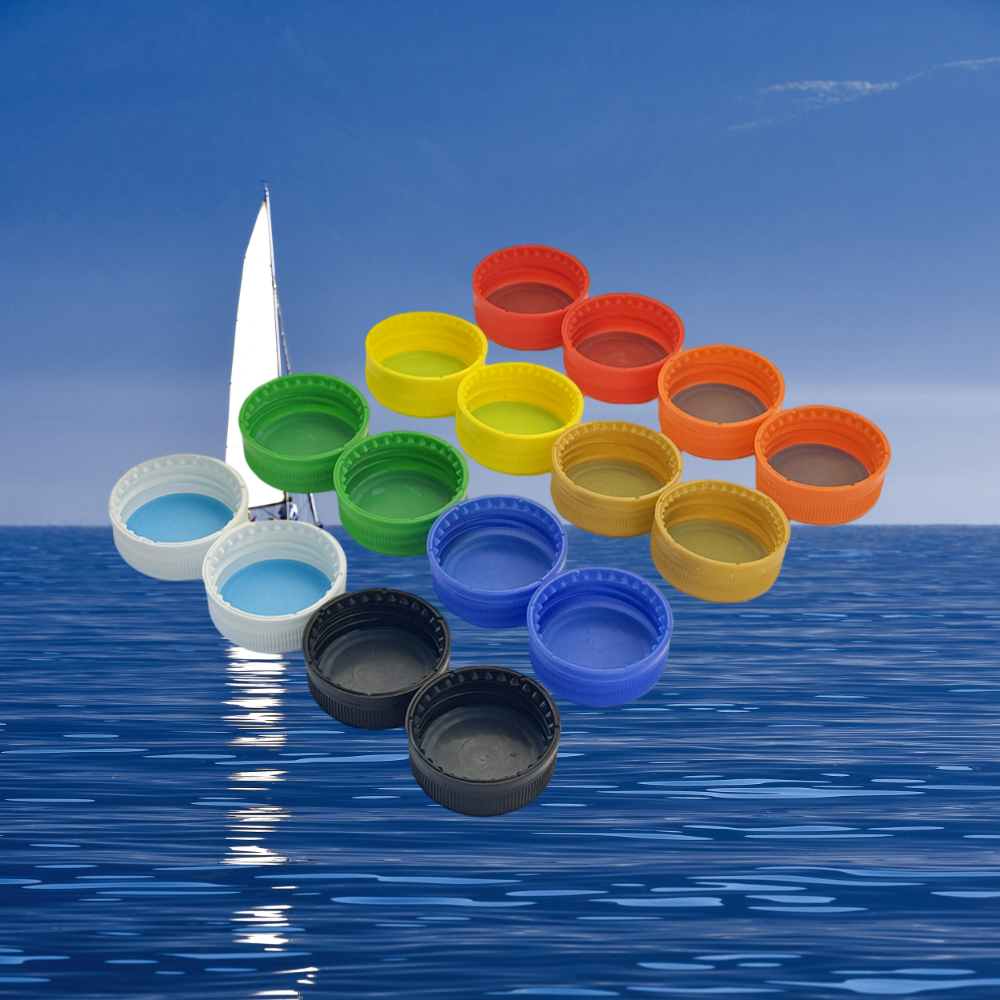
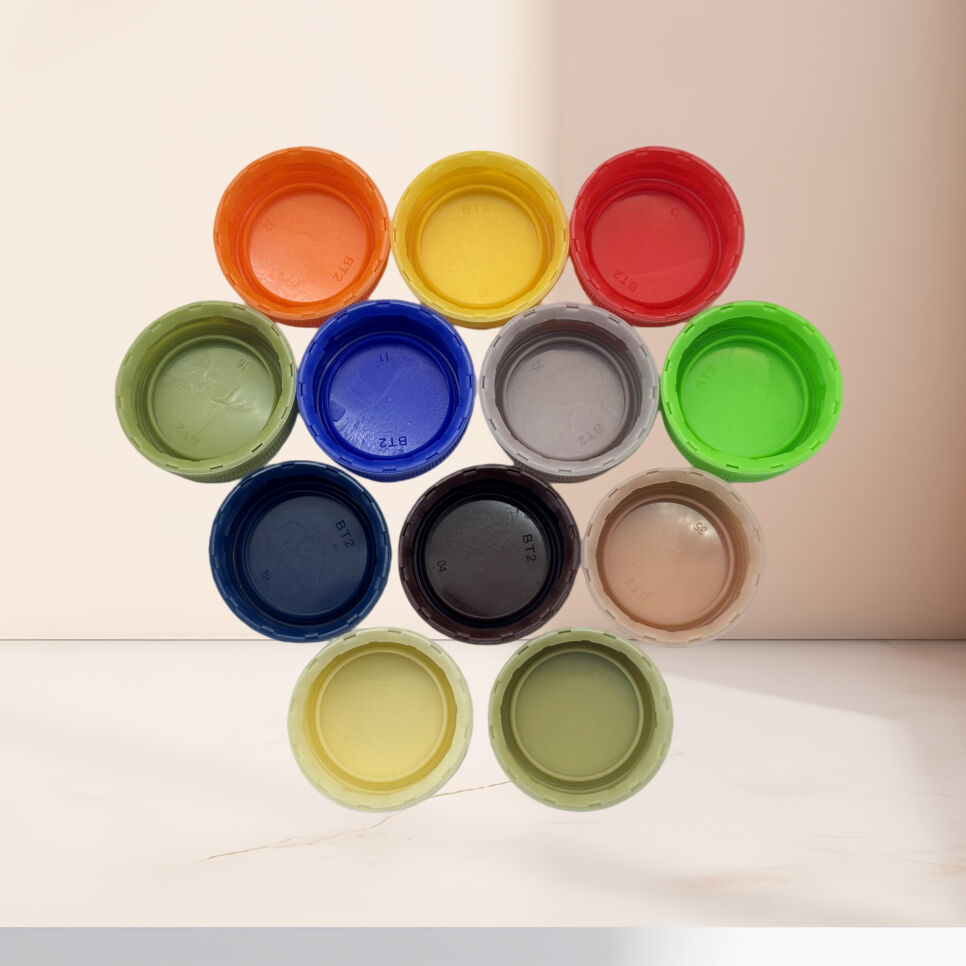
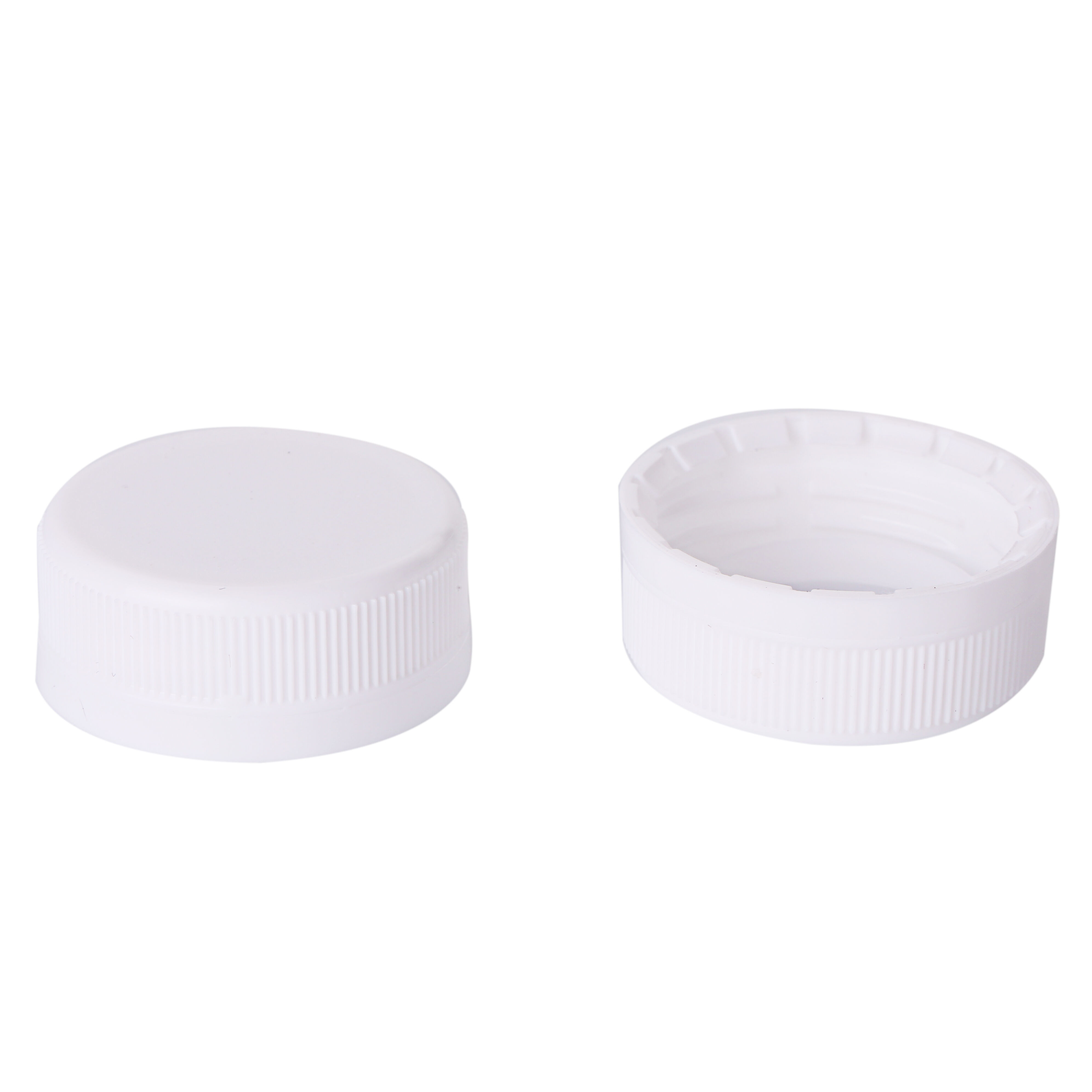
The plastic milk cap represents a fundamental component in modern dairy packaging, serving as the primary closure mechanism for milk bottles and containers across residential and commercial sectors. This essential packaging element combines advanced polymer engineering with practical design principles to deliver reliable sealing performance. The plastic milk cap functions primarily as a protective barrier, preventing contamination while maintaining product freshness and extending shelf life. Modern plastic milk caps incorporate sophisticated threading systems that ensure secure attachment to bottle necks, creating an airtight seal that preserves milk quality from production to consumption. These caps feature ergonomic design elements including textured gripping surfaces and easy-twist mechanisms that accommodate users of varying ages and physical capabilities. The technological foundation of plastic milk caps relies on high-density polyethylene and polypropylene materials, chosen for their chemical resistance, durability, and food-safe properties. Manufacturing processes utilize precision injection molding techniques that guarantee consistent dimensions and optimal threading compatibility across different bottle designs. Quality control systems ensure each plastic milk cap meets stringent industry standards for leak prevention and tamper evidence. The integration of tamper-evident features provides consumers with visible indicators of product integrity, building trust through transparent safety measures. Color-coding systems enable brand differentiation and product identification, with various hues indicating different milk types or fat content levels. Environmental considerations drive ongoing innovations in plastic milk cap design, with manufacturers developing recyclable formulations and lightweighting initiatives that reduce material consumption without compromising performance. The versatility of plastic milk caps extends beyond traditional dairy applications, finding usage in beverage containers, pharmaceutical bottles, and specialty liquid products. Advanced printing technologies allow for detailed branding, nutritional information, and promotional messaging directly on cap surfaces, creating valuable marketing real estate.

Popular Products

The plastic milk cap offers numerous practical benefits that directly address consumer needs and industry requirements. First, the superior sealing capability prevents spillage and contamination, protecting valuable dairy products from environmental factors that could compromise quality. This reliable closure system eliminates waste caused by accidental spills, saving money for households and businesses alike. The lightweight nature of plastic milk caps reduces shipping costs and environmental impact compared to heavier alternatives like metal closures. Easy opening mechanisms accommodate elderly users and children, promoting accessibility across demographic groups without requiring excessive force or specialized tools. The tamper-evident design provides immediate visual confirmation of product integrity, giving consumers confidence in their purchase while protecting against unauthorized access. Durability characteristics ensure plastic milk caps withstand repeated opening and closing cycles without degradation, maintaining seal integrity throughout the product lifecycle. Cost-effectiveness makes plastic milk caps an economical choice for manufacturers, enabling competitive pricing that benefits end consumers. The chemical resistance of modern plastic formulations prevents interaction with dairy products, preserving taste and nutritional content while ensuring food safety compliance. Customization options allow brands to incorporate distinctive colors, logos, and messaging that enhance marketing impact and consumer recognition. The recyclability of plastic milk caps supports environmental sustainability goals, enabling responsible disposal through existing waste management systems. Temperature resistance ensures optimal performance across storage conditions, from refrigerated environments to room temperature distribution. The standardized threading systems promote compatibility across different bottle manufacturers, streamlining supply chain operations and reducing inventory complexity. Quick-twist technology reduces opening time and effort, improving user experience during busy morning routines or food preparation activities. The secure grip design prevents slipping during handling, reducing frustration and potential accidents. Moisture barrier properties protect against humidity infiltration that could affect product quality. The transparent or translucent options allow visual inspection of cap integrity and threading engagement. Stackable design features facilitate efficient storage and transportation in retail and warehouse environments. The smooth interior surfaces prevent bacterial accumulation and simplify cleaning procedures for reusable applications.

Tips And Tricks

Juice Cap Design: Ensuring Airtight Seals for Freshness Retention

23

Apr

Juice Cap Design: Ensuring Airtight Seals for Freshness Retention

The design of a juice cap directly influences product freshness, shelf life, and consumer satisfaction across the beverage industry. Modern juice cap engineering focuses on achieving optimal sealing performance through precise thread geometry, gasket...
View More
How to Customize Your PP Cap for Premium Product Packaging

19

Mar

How to Customize Your PP Cap for Premium Product Packaging

Customizing your PP Cap for premium product packaging represents a strategic approach to elevating brand perception and creating distinctive market positioning. The polypropylene cap industry has evolved significantly, offering manufacturers and bran...
View More
The Best Juice Cap Options for Hot-Fill and Cold-Fill Processes

14

May

The Best Juice Cap Options for Hot-Fill and Cold-Fill Processes

Selecting the right juice cap for your beverage production line is a critical decision that directly impacts product safety, shelf life, and consumer satisfaction. Modern juice manufacturing relies on two primary filling methods—hot-fill and cold-fil...
View More
Testing Carbonated Beverage Cap Performance Under Extreme Temperatures

30

May

Testing Carbonated Beverage Cap Performance Under Extreme Temperatures

Testing carbonated beverage cap performance under extreme temperatures represents a critical quality assurance process that directly impacts product safety, consumer satisfaction, and brand reputation. The carbonated beverage cap serves as the primar...
View More

Get a Free Quote

Our representative will contact you soon.
Email
Phone/Whatsapp
Company Name/Name
Message
0/1000

plastic milk cap

Advanced Sealing Technology for Maximum Freshness Protection

Advanced Sealing Technology for Maximum Freshness Protection

The plastic milk cap incorporates cutting-edge sealing technology that forms an impermeable barrier between dairy products and external contaminants. This sophisticated closure system utilizes precision-engineered thread profiles and specialized gasket materials to create multiple layers of protection. The primary sealing mechanism relies on compression forces generated during cap installation, which activates flexible sealing elements that conform perfectly to bottle rim irregularities. Advanced polymer compounds used in plastic milk cap construction maintain elasticity across temperature variations, ensuring consistent seal performance whether products are stored in refrigerated conditions or transported through varying climate zones. The thread design incorporates specific pitch angles and depth measurements that optimize torque requirements, preventing over-tightening damage while guaranteeing secure closure. Internal liner systems within the plastic milk cap provide additional sealing redundancy, featuring specialized compounds that resist moisture transmission and gas permeability. This multi-layer approach extends product shelf life significantly compared to traditional closure methods. The sealing effectiveness undergoes rigorous testing protocols that simulate real-world handling conditions, including vibration exposure during transportation and thermal cycling that mimics consumer storage patterns. Quality assurance measures include leak detection systems that verify seal integrity before product distribution. The technology also incorporates pressure-sensitive mechanisms that indicate proper installation through tactile feedback, eliminating guesswork during consumer use. Research and development investments continue to enhance sealing performance through material innovations and design refinements. The plastic milk cap sealing system proves particularly effective against volatile compound loss, preserving the characteristic flavor profiles that define quality dairy products. Manufacturing precision ensures consistent thread engagement across production batches, maintaining uniform sealing performance regardless of production volume or facility location. This reliability builds consumer trust and reduces product returns due to freshness concerns, benefiting retailers and manufacturers through improved customer satisfaction and reduced waste disposal costs.
Ergonomic Design Excellence for Universal Accessibility

Ergonomic Design Excellence for Universal Accessibility

The plastic milk cap exemplifies ergonomic design principles that prioritize user comfort and accessibility across diverse consumer demographics. Extensive research into human factors engineering informs every aspect of cap geometry, from grip surface texturing to torque requirements for opening and closing operations. The diameter specifications balance ease of handling with secure closure performance, accommodating various hand sizes while maintaining optimal leverage for effortless operation. Surface treatments on plastic milk caps include carefully designed ridge patterns and anti-slip textures that provide reliable grip even when hands are wet or when caps become condensation-covered during refrigerated storage. The height profile optimizes finger placement and thumb positioning, reducing strain during repetitive use in commercial food service environments. Special attention to opening torque ensures that elderly consumers and individuals with arthritis can operate plastic milk caps without assistance or specialized tools. The visual design incorporates high-contrast elements and tactile indicators that assist users with visual impairments in proper cap alignment and engagement. Manufacturing processes maintain consistent wall thickness to prevent sharp edges or uncomfortable pressure points during handling. The plastic milk cap features rounded edges and smooth transitions that eliminate pinch points while providing secure finger placement during operation. Ergonomic testing involves diverse user groups that evaluate comfort, ease of use, and operation speed under various conditions. Feedback from these assessments drives continuous improvements in cap design and functionality. The threading system utilizes optimized lead angles that minimize rotational effort while ensuring secure attachment, reducing wrist strain during opening procedures. Color selection considers visibility requirements and aesthetic preferences across different market segments. The lightweight construction reduces handling fatigue during high-volume food preparation activities in commercial kitchens and food service operations. Texture variations provide tactile feedback that confirms proper cap engagement without requiring visual verification. The ergonomic excellence extends to cap removal procedures, with integrated grip enhancement features that prevent slipping during unsealing operations. Child-resistant options incorporate safety mechanisms that prevent accidental opening while maintaining accessibility for adult users. These design considerations reflect comprehensive understanding of human capabilities and limitations, resulting in plastic milk cap solutions that enhance user experience across all interaction points.
Environmental Sustainability and Recycling Innovation

Environmental Sustainability and Recycling Innovation

The modern plastic milk cap represents a significant advancement in environmental sustainability through innovative material science and comprehensive lifecycle management approaches. Contemporary manufacturing processes utilize recycled content integration, incorporating post-consumer plastic materials without compromising structural integrity or food safety requirements. This circular economy approach reduces virgin plastic consumption while maintaining the high-performance characteristics essential for dairy packaging applications. The plastic milk cap design emphasizes material efficiency through lightweighting initiatives that minimize polymer usage while preserving strength and sealing capabilities. Advanced recycling technologies enable plastic milk caps to undergo multiple reprocessing cycles, extending material utility and reducing environmental impact throughout the product lifecycle. Specialized recycling programs specifically target plastic milk caps, providing clear guidance for consumer participation and ensuring proper material recovery. The standardization of plastic milk cap materials facilitates efficient sorting and processing within existing recycling infrastructure, maximizing recovery rates and minimizing contamination issues. Biodegradable plastic formulations represent emerging opportunities for plastic milk cap applications, utilizing plant-based polymers that decompose safely in appropriate disposal environments. Life cycle assessments demonstrate the environmental advantages of plastic milk caps compared to alternative closure materials, considering factors including production energy requirements, transportation efficiency, and end-of-life disposal options. Carbon footprint reduction initiatives focus on manufacturing process optimization, renewable energy utilization, and supply chain efficiency improvements. The plastic milk cap industry collaborates with environmental organizations and regulatory agencies to establish comprehensive sustainability standards and measurement protocols. Innovation investments target next-generation materials that combine enhanced performance with reduced environmental impact, including bio-based polymers and chemical recycling technologies. Consumer education programs promote proper disposal practices and highlight the recyclability of plastic milk caps, encouraging participation in circular economy initiatives. The compatibility with existing recycling systems ensures that plastic milk caps can be processed through standard municipal programs without requiring specialized facilities or procedures. Transparency initiatives provide detailed information about material composition, recycling procedures, and environmental impact metrics, enabling informed consumer choices. Sustainable packaging certifications validate environmental claims and provide third-party verification of recycling content and lifecycle performance. These comprehensive sustainability efforts position plastic milk caps as responsible packaging solutions that balance functional requirements with environmental stewardship, supporting both industry growth and ecological preservation objectives.

Get a Free Quote

Our representative will contact you soon.
Email
Phone/Whatsapp
Company Name/Name
Message
0/1000