Premium Milk Cap Factory Solutions - Advanced Manufacturing Technology & Quality Assurance

Get a Free Quote

Our representative will contact you soon.
Email
Phone/Whatsapp
Company Name/Name
Message
0/1000

milk cap factory

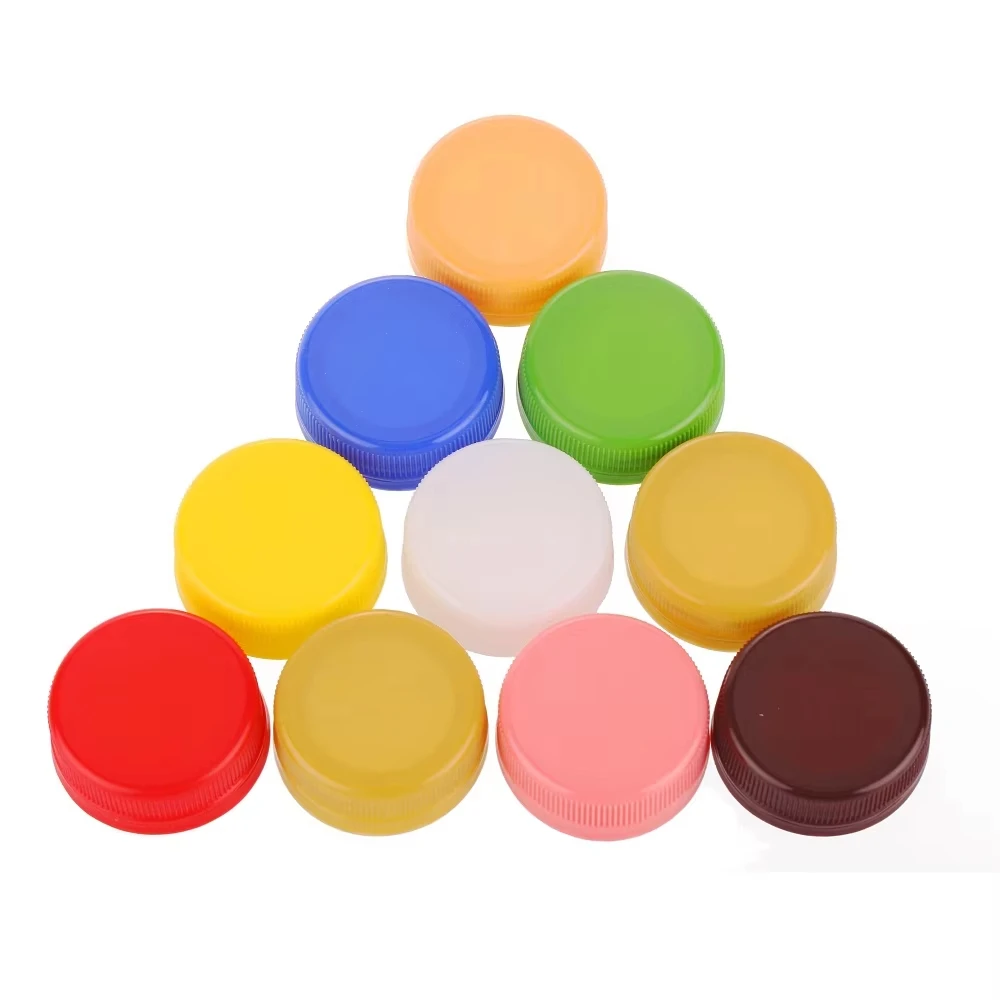
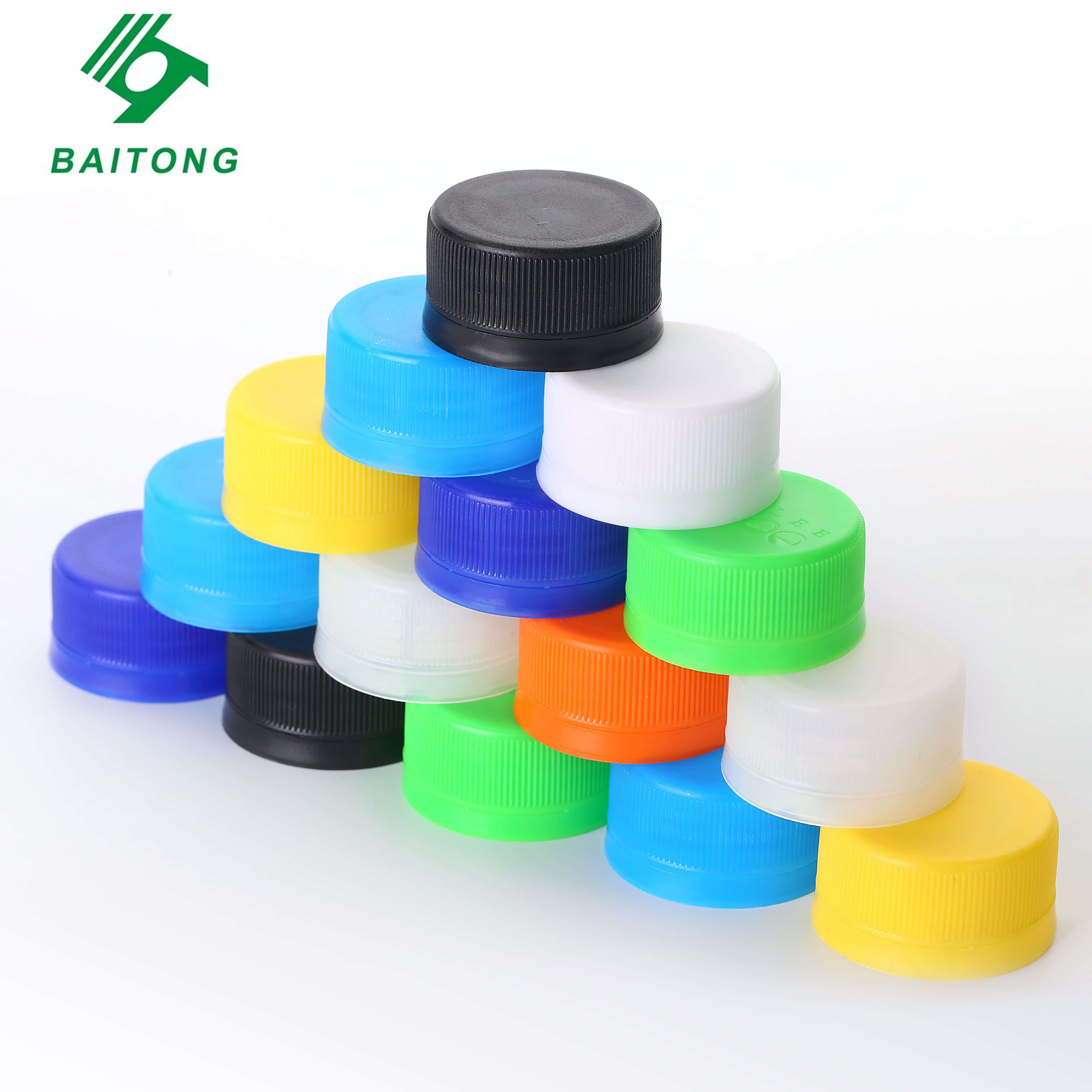
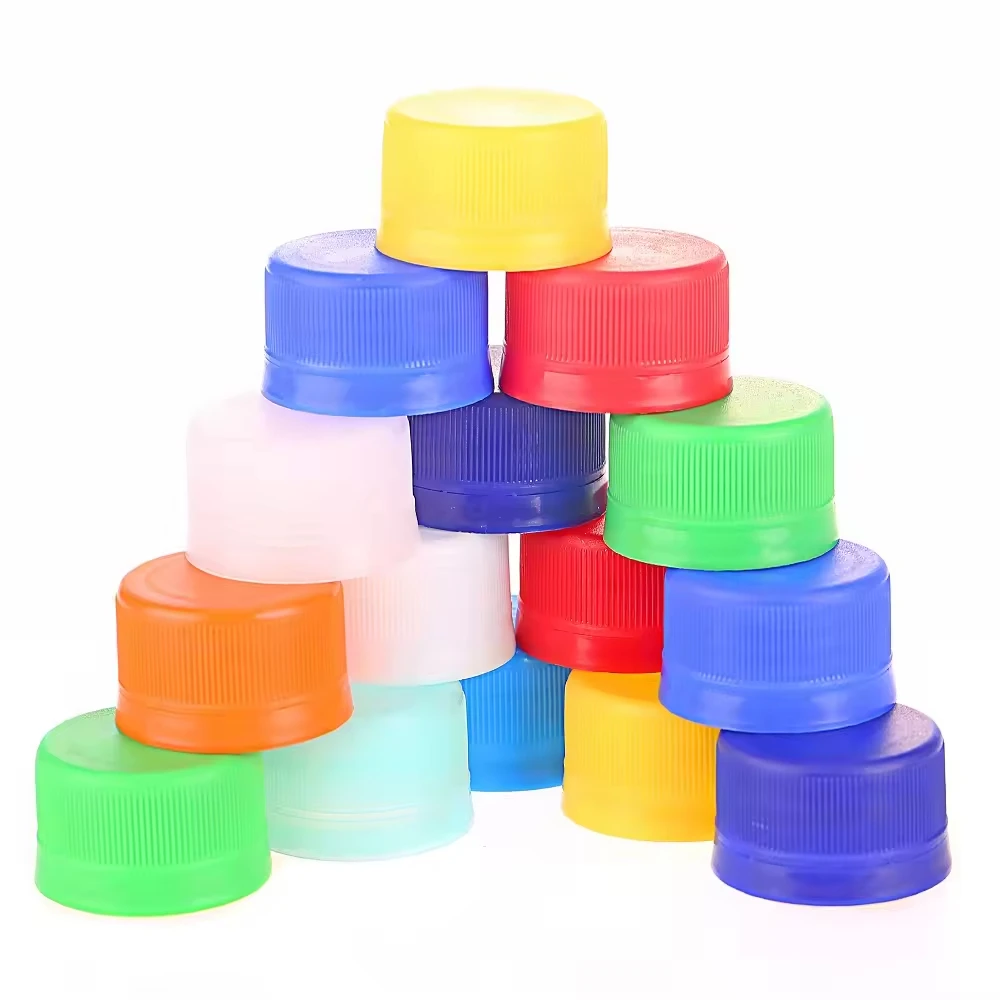
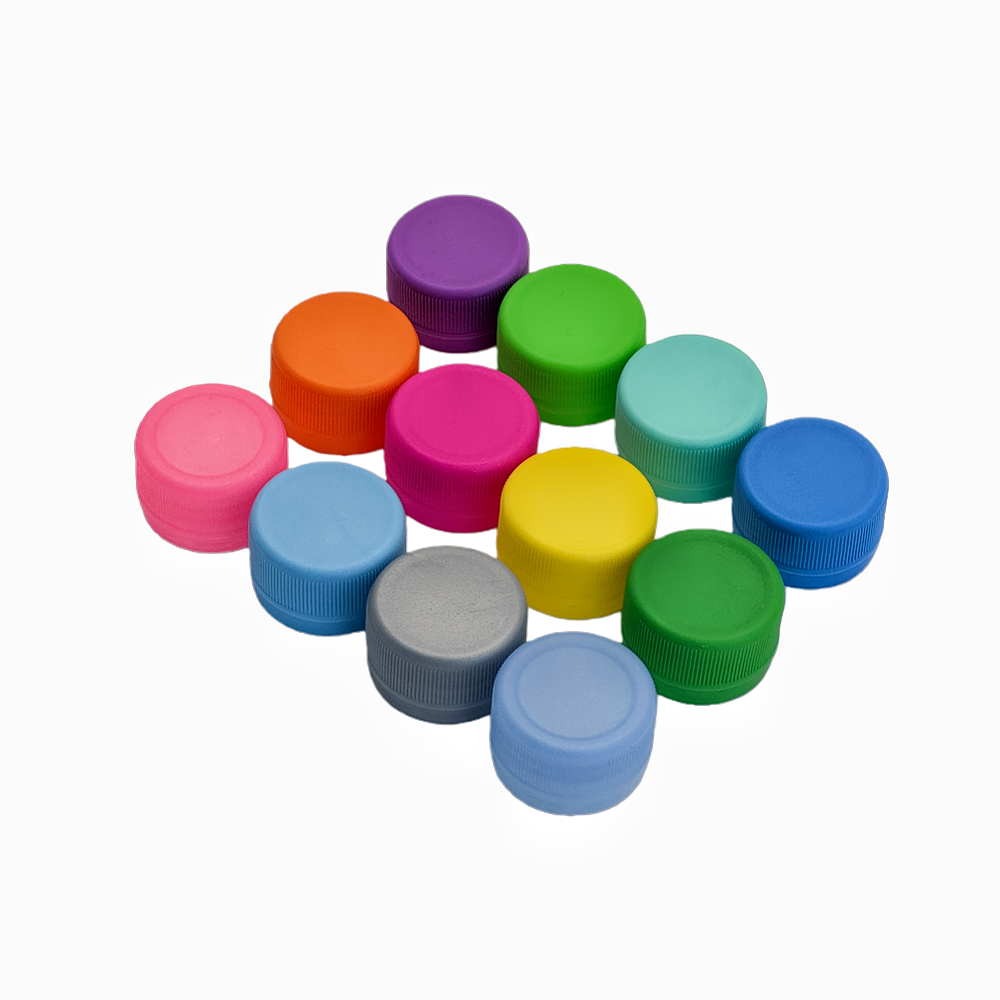
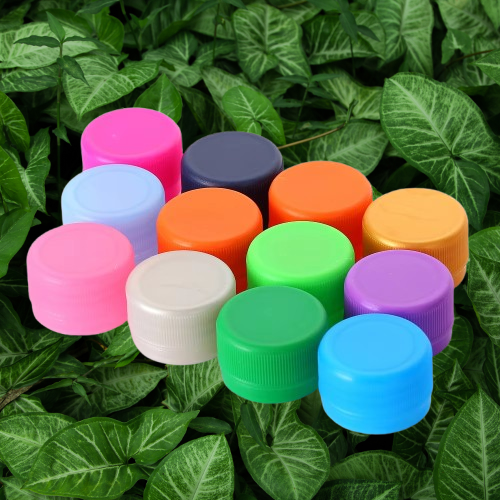
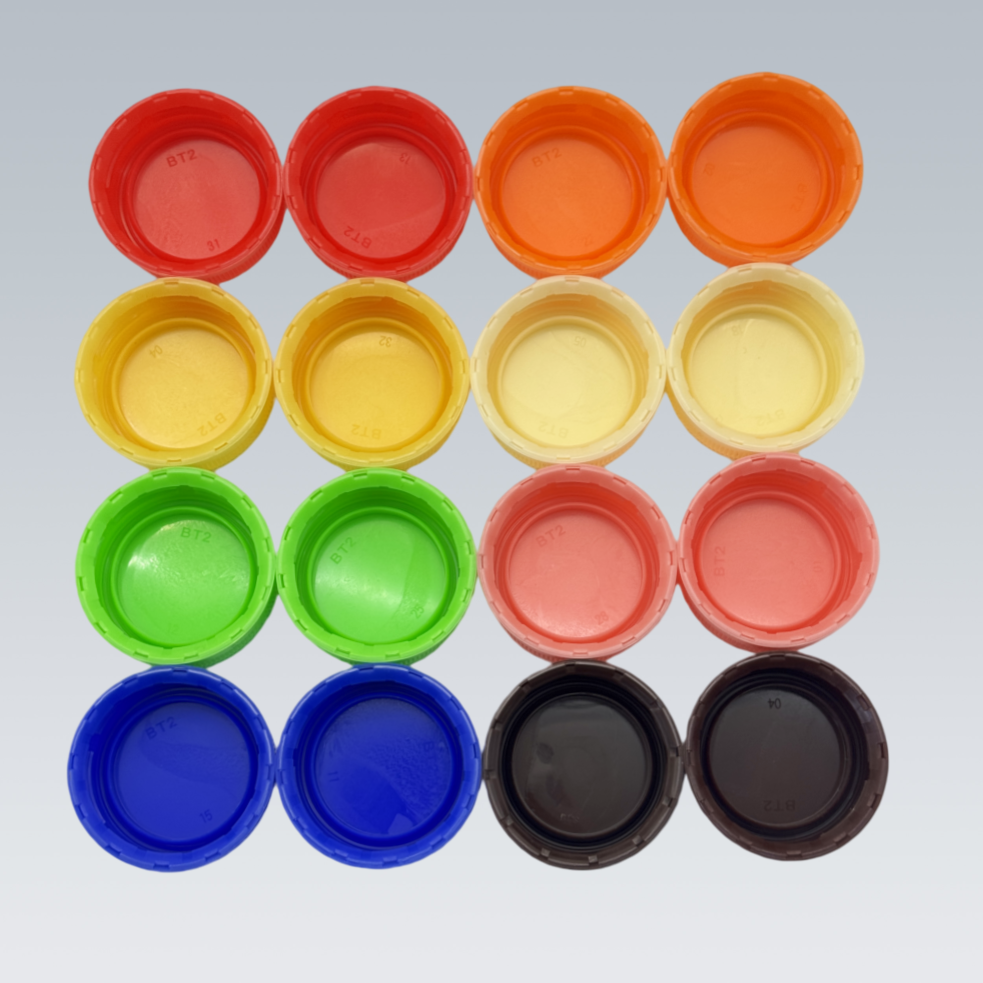
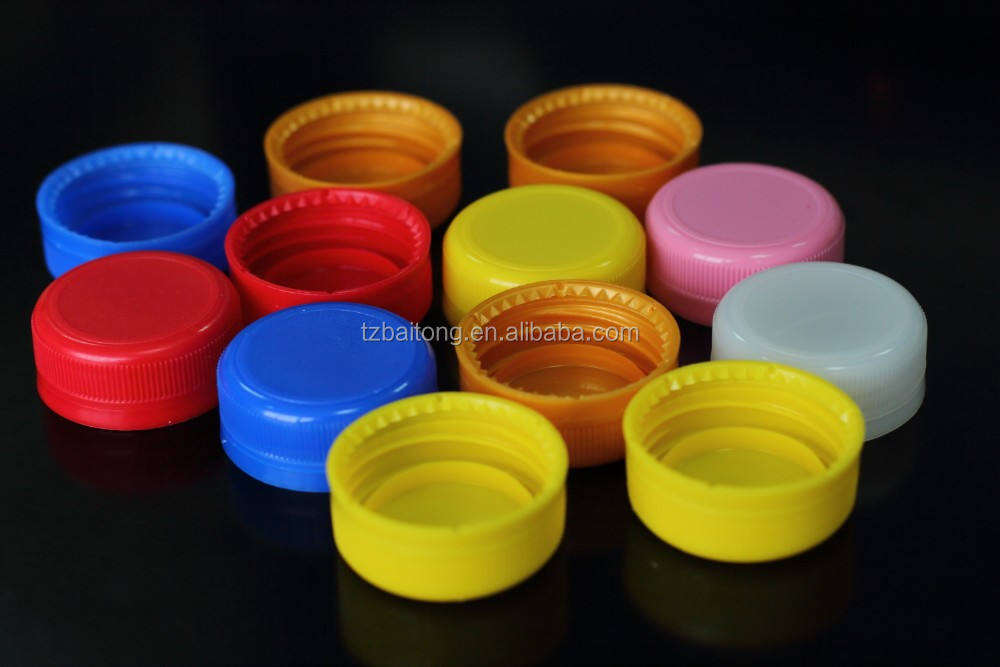
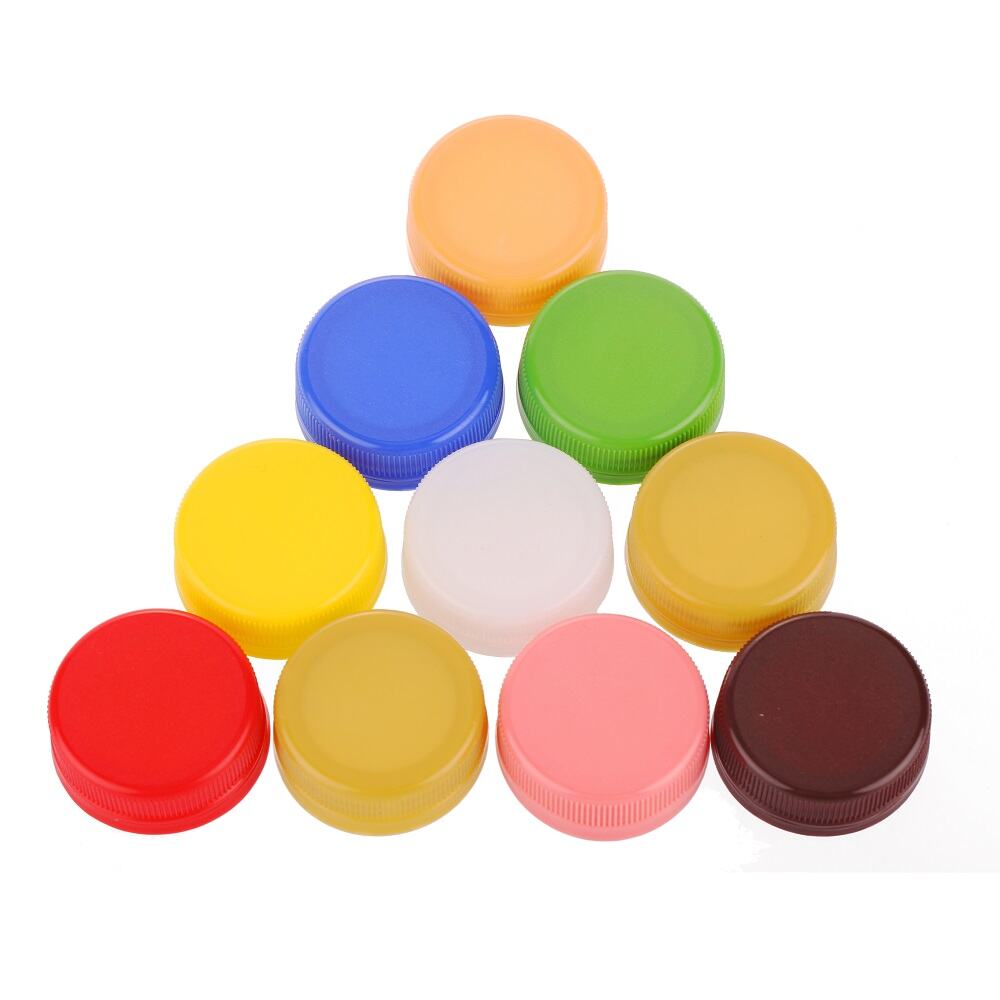
A milk cap factory represents a specialized manufacturing facility dedicated to producing high-quality caps and lids specifically designed for dairy product containers. These advanced production centers combine cutting-edge technology with precision engineering to create sealing solutions that ensure product freshness, safety, and consumer satisfaction across the global dairy industry. The primary functions of a milk cap factory encompass the complete manufacturing process from raw material processing to final quality inspection and packaging. The facility operates sophisticated injection molding systems that transform food-grade polymers into precisely dimensioned caps that meet stringent industry standards. Modern milk cap factory operations integrate automated production lines equipped with computer-controlled machinery that maintains consistent quality throughout the manufacturing process. These facilities utilize advanced polymer processing technologies including high-pressure injection molding, precision trimming, and automated quality control systems. The technological features of a contemporary milk cap factory include state-of-the-art clean room environments that prevent contamination during production, multi-cavity mold systems that enable high-volume production, and real-time monitoring systems that track product specifications throughout the manufacturing cycle. Applications for milk cap factory products extend across various dairy sectors including fresh milk packaging, yogurt containers, cream products, and specialty dairy items. These manufacturing facilities serve major dairy brands, regional processors, and international food companies requiring reliable sealing solutions. The milk cap factory ecosystem supports diverse container formats from small single-serving packages to large family-size containers, ensuring compatibility with different packaging systems and consumer preferences. Quality assurance protocols within these facilities include comprehensive testing procedures that verify seal integrity, material compliance, and dimensional accuracy. Environmental considerations drive modern milk cap factory operations toward sustainable practices including recyclable material usage and energy-efficient production methods.

New Products

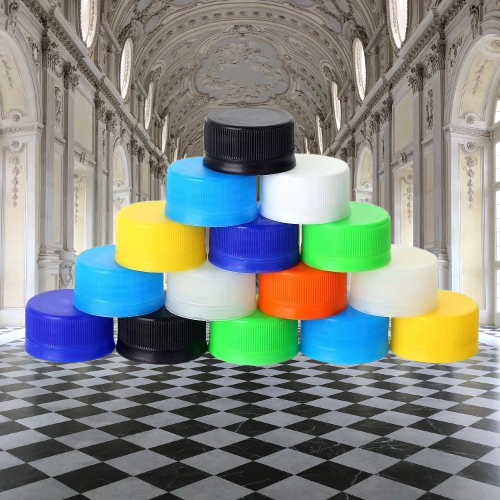
The milk cap factory delivers exceptional value through multiple operational and economic advantages that directly benefit manufacturers and consumers throughout the dairy supply chain. Cost efficiency stands as a primary advantage, with automated production systems reducing labor requirements while maintaining superior quality standards that eliminate waste and minimize production delays. These facilities achieve remarkable economies of scale by producing millions of caps daily at consistently low per-unit costs, enabling dairy companies to optimize their packaging budgets without compromising product quality. Quality consistency represents another significant advantage of the milk cap factory approach, where precision engineering ensures every cap meets exact specifications for fit, seal integrity, and durability. Advanced quality control systems monitor dimensional accuracy, material properties, and sealing performance throughout production, guaranteeing reliable performance across entire product batches. This consistency eliminates costly product recalls and maintains consumer trust in dairy brands. Production flexibility allows milk cap factory operations to accommodate diverse customer requirements including custom colors, specialized designs, and varying cap sizes without extensive retooling delays. Modern facilities can rapidly switch between different product specifications, enabling quick responses to market demands and seasonal variations in dairy packaging needs. Supply chain reliability emerges as a crucial advantage, with established milk cap factory networks providing dependable delivery schedules that support just-in-time manufacturing strategies for dairy processors. These facilities maintain substantial inventory buffers and multiple production lines that ensure continuous supply even during peak demand periods or unexpected equipment maintenance. Innovation capabilities within milk cap factory environments drive continuous improvements in sealing technology, material performance, and manufacturing efficiency. Research and development departments work closely with dairy companies to develop specialized solutions including tamper-evident features, easy-open designs, and enhanced barrier properties that extend product shelf life. Environmental benefits include optimized material usage, reduced transportation costs through regional production networks, and implementation of recycling programs that support circular economy principles. The milk cap factory model also provides superior technical support services including product testing, application engineering, and troubleshooting assistance that helps dairy companies optimize their packaging operations and resolve production challenges quickly.

Tips And Tricks

The Load-Bearing Science of a Durable Plastic Bottle Handle

27

Mar

The Load-Bearing Science of a Durable Plastic Bottle Handle

The engineering principles behind a durable plastic bottle handle represent a fascinating intersection of materials science, structural mechanics, and ergonomic design. Understanding how these seemingly simple components bear substantial loads while ...
View More
The Cost-Benefit Analysis of Adding a Bottle Handle to Large Jugs

10

Apr

The Cost-Benefit Analysis of Adding a Bottle Handle to Large Jugs

Manufacturing companies considering packaging improvements for large volume containers often face decisions that significantly impact both production costs and consumer satisfaction. Adding a bottle handle to large jugs represents one such decision t...
View More
Sustainable Water Cap Designs for Eco-Friendly Beverage Packaging

20

May

Sustainable Water Cap Designs for Eco-Friendly Beverage Packaging

The beverage industry faces mounting pressure to adopt environmentally responsible packaging solutions as consumers increasingly prioritize sustainability in their purchasing decisions. This shift has sparked innovation in water cap design, where man...
View More
Innovative Juice Cap Features to Prevent Oxidation in Beverages

23

Apr

Innovative Juice Cap Features to Prevent Oxidation in Beverages

Beverage oxidation represents one of the most significant challenges facing juice manufacturers today, directly impacting flavor retention, nutritional value, and overall product quality. When oxygen comes into contact with juice, it triggers enzymat...
View More

Get a Free Quote

Our representative will contact you soon.
Email
Phone/Whatsapp
Company Name/Name
Message
0/1000

milk cap factory

Advanced Automated Production Technology

Advanced Automated Production Technology

The milk cap factory leverages cutting-edge automated production technology that revolutionizes the manufacturing process through precision engineering and intelligent control systems. These sophisticated facilities employ multi-station injection molding machines equipped with computer-controlled temperature regulation, pressure monitoring, and cycle timing that ensures consistent product quality across millions of units produced daily. The automated systems incorporate advanced robotics for material handling, product inspection, and packaging operations that eliminate human error while maintaining exceptional production speeds. Vision inspection systems integrated throughout the production line utilize high-resolution cameras and artificial intelligence algorithms to detect dimensional variations, surface defects, and color inconsistencies in real-time, automatically rejecting non-conforming products before they enter the supply chain. The milk cap factory automation extends to raw material management through automated feeding systems that precisely meter polymer pellets, colorants, and additives according to predetermined formulations, ensuring consistent material properties in every production batch. These intelligent systems monitor material levels, automatically reorder supplies when inventory reaches predetermined thresholds, and track material usage patterns to optimize procurement strategies. Climate-controlled production environments maintain precise temperature and humidity conditions that prevent material degradation and ensure optimal processing conditions for different polymer types. The automated quality assurance protocols include statistical process control systems that continuously monitor critical parameters including cap dimensions, seal force requirements, and material density, generating comprehensive production reports that document compliance with industry standards and customer specifications. Predictive maintenance systems analyze equipment performance data to schedule maintenance activities before potential failures occur, minimizing downtime and ensuring continuous production capacity. The integration of Industry 4.0 principles enables remote monitoring capabilities that allow production managers to oversee operations from multiple locations, receive real-time alerts about production anomalies, and implement corrective actions immediately. This advanced automation technology reduces production costs by optimizing material usage, minimizing energy consumption, and eliminating waste generation while delivering superior product quality that meets the demanding requirements of modern dairy packaging applications.
Comprehensive Quality Assurance Systems

Comprehensive Quality Assurance Systems

The milk cap factory implements comprehensive quality assurance systems that establish industry-leading standards for product reliability, safety, and performance consistency across all manufacturing operations. These rigorous quality control protocols encompass every aspect of production from incoming raw material inspection through final product testing and certification. Advanced testing laboratories within the milk cap factory utilize sophisticated instrumentation including universal testing machines, environmental chambers, and chemical analysis equipment to verify material properties, dimensional accuracy, and performance characteristics. The quality assurance framework includes incoming material certification procedures that verify polymer grade specifications, additive concentrations, and contamination levels before materials enter production systems. Statistical sampling protocols ensure representative testing across all production batches, with comprehensive documentation systems that provide complete traceability from raw materials through finished products. Seal performance testing represents a critical component of the quality assurance program, with specialized equipment that measures cap removal torque, seal integrity under various storage conditions, and resistance to environmental stresses including temperature cycling and humidity exposure. The milk cap factory quality systems comply with international food safety standards including FDA regulations, European Union directives, and ISO certification requirements that govern food contact materials and manufacturing practices. Microbiological testing protocols verify that caps maintain sterile conditions during production and storage, with environmental monitoring systems that detect potential contamination sources within production areas. Color matching systems ensure consistent aesthetic appearance across production runs, utilizing spectrophotometric analysis to verify color specifications and maintain brand consistency for dairy companies. Dimensional inspection procedures employ coordinate measuring machines and automated gauging systems that verify critical dimensions including thread specifications, cap height, and sealing surface geometry with micron-level accuracy. The comprehensive documentation systems generate certificates of analysis for each production batch, providing dairy customers with detailed quality data that supports their own quality assurance requirements and regulatory compliance obligations. Continuous improvement initiatives analyze quality data trends to identify optimization opportunities, implement corrective actions for any detected variations, and enhance manufacturing processes to exceed customer expectations and industry benchmarks.
Sustainable Manufacturing Practices

Sustainable Manufacturing Practices

The milk cap factory demonstrates exceptional commitment to sustainable manufacturing practices that minimize environmental impact while maximizing resource efficiency throughout all production operations. These environmentally conscious facilities implement comprehensive recycling programs that recapture production waste, regrind rejected products, and reintroduce recycled materials into the manufacturing process without compromising product quality or safety standards. Energy management systems optimize power consumption through intelligent scheduling of production equipment, utilization of high-efficiency motors and drives, and implementation of heat recovery systems that capture waste thermal energy for reuse in production processes. The milk cap factory sustainability initiatives include selection of renewable energy sources such as solar power installations and wind energy contracts that reduce carbon footprint while providing stable energy costs for long-term operational planning. Water conservation programs implement closed-loop cooling systems, rainwater collection for non-production uses, and advanced filtration systems that enable water recycling throughout manufacturing operations. Sustainable material sourcing practices prioritize suppliers who provide certified recycled content polymers, bio-based materials, and responsibly sourced additives that support circular economy principles while maintaining product performance requirements. Packaging optimization strategies minimize material usage in cap designs through advanced engineering analysis that maintains sealing performance while reducing polymer consumption per unit, directly supporting waste reduction goals for dairy customers. Transportation efficiency improvements include regional production networks that reduce shipping distances, optimized packaging configurations that maximize container utilization, and coordination with customer logistics systems to minimize empty return trips. The milk cap factory environmental management systems comply with ISO 14001 standards and implement comprehensive monitoring programs that track energy consumption, waste generation, water usage, and emissions across all operational activities. Employee training programs ensure workforce understanding of sustainability objectives and encourage participation in environmental improvement initiatives including suggestion programs and green team activities. Life cycle assessment studies evaluate environmental impacts from raw material extraction through product disposal, identifying optimization opportunities and supporting customer sustainability reporting requirements. Collaboration with dairy industry partners promotes sustainable packaging solutions including lightweighting initiatives, improved recyclability designs, and development of compostable alternatives that support emerging environmental regulations and consumer preferences for environmentally responsible packaging solutions.

Get a Free Quote

Our representative will contact you soon.
Email
Phone/Whatsapp
Company Name/Name
Message
0/1000