
 EN
EN




In the beverage packaging industry, maintaining carbonation and preventing gas leakage are critical quality parameters that directly impact product shelf life, consumer satisfaction, and brand reputation. The engineering precision behind closure systems has evolved significantly, with standardized cap designs playing a pivotal role in achieving hermetic sealing performance. Among these innovations, the PCO1887 Cap represents a sophisticated approach to gas-tight seal technology, combining dimensional accuracy with material science to address the complex challenges of containing pressurized carbonated beverages. This article explores the engineering principles, material considerations, and quality control methodologies that enable precision closure systems to deliver consistent gas-tight sealing performance across demanding industrial applications.
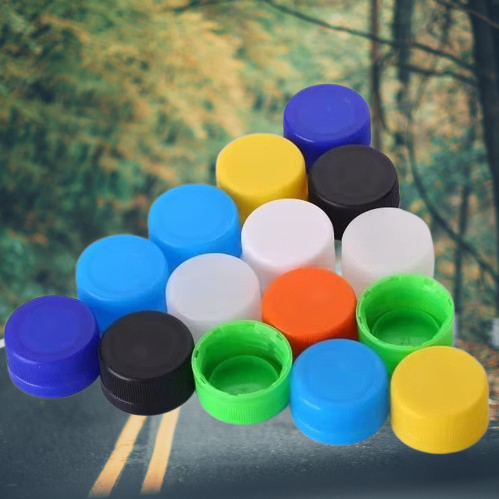
The fundamental challenge in carbonated beverage packaging lies in creating a mechanical seal that can withstand internal pressures ranging from three to four atmospheres while maintaining integrity throughout distribution cycles involving temperature fluctuations, physical handling stress, and extended storage periods. Achieving this level of sealing performance requires a comprehensive understanding of thread geometry, liner compression characteristics, torque application principles, and the interaction between closure components and container finish dimensions. The PCO1881 Cap design addresses these requirements through standardized specifications that ensure compatibility across manufacturing platforms while delivering the dimensional tolerances necessary for reliable gas retention performance in commercial bottling operations.
Engineering Foundations of Gas-Tight Seal Technology
Thread Design Precision and Mechanical Interaction
The thread profile of the PCO1887 Cap follows precise geometric specifications that govern how the closure engages with the bottle neck finish during application. Thread pitch, depth, and angle are engineered to create multiple points of contact that distribute capping torque evenly around the circumference, preventing localized stress concentrations that could compromise seal integrity. This helical engagement pattern allows the cap to travel downward in a controlled manner as rotational force is applied, compressing the liner material against the sealing surface with progressively increasing force until the target torque value is reached.
The mechanical advantage provided by the thread geometry determines the relationship between application torque and the resulting axial compression force acting on the liner. Precise thread dimensions ensure that this force conversion occurs consistently across manufacturing batches, eliminating variations that could result in under-torqued closures with inadequate seal compression or over-torqued applications that damage liner material or deform the bottle finish. The standardized nature of the PCO1887 Cap thread profile enables beverage manufacturers to establish validated capping parameters that deliver reproducible sealing performance across high-speed production lines.
Liner Material Selection and Compression Behavior
The liner component within the PCO1887 Cap serves as the primary sealing element, functioning as a gasket that conforms to microscopic irregularities in the bottle finish surface to create a continuous barrier against gas permeation. Liner materials are typically formulated from specialized polymer compounds or composite structures that exhibit controlled compression behavior under applied force while maintaining long-term elastic recovery properties. The selection of liner material involves balancing multiple performance criteria including compression set resistance, chemical compatibility with beverage formulations, temperature stability, and the ability to maintain sealing force throughout the product's intended shelf life.
During the capping process, the liner undergoes controlled deformation as the cap is applied to the specified torque level. This compression phase creates an interference fit between the liner and the sealing surface, generating contact pressure that must exceed the internal carbonation pressure to prevent gas escape. The liner must distribute this contact pressure uniformly across the sealing surface area to eliminate potential leak paths while accommodating minor variations in bottle finish dimensions that occur within normal manufacturing tolerances. Advanced liner formulations incorporate multiple layers or specialized geometries that enhance conformability and improve seal performance under challenging conditions such as thermal cycling or mechanical vibration during transportation.
Dimensional Tolerance Management Systems
Achieving consistent gas-tight sealing with the PCO1881 Cap requires rigorous dimensional control throughout the manufacturing process, affecting both the closure components and the bottle finish. Critical dimensions include the cap's internal thread profile, the liner thickness and diameter, the overall cap height, and the bottle finish outer diameter, thread profile, and sealing surface flatness. Each of these parameters operates within specified tolerance ranges that must be maintained to ensure proper engagement and seal compression during the capping operation.
Manufacturing quality systems employ statistical process control methodologies to monitor dimensional variations and detect trending that might indicate tooling wear or process drift. Coordinate measuring machines and optical inspection systems verify that produced components fall within acceptable tolerance bands, while functional testing validates sealing performance through pressure retention tests and torque-removal analysis. The cumulative effect of dimensional tolerances across multiple components necessitates tolerance stack analysis during design phases to ensure that worst-case combinations still deliver acceptable sealing performance, providing robust process margins that accommodate normal manufacturing variability.
Material Science Considerations for Seal Performance
Polymer Chemistry and Gas Barrier Properties
The cap shell of the PCO1881 Cap is typically manufactured from high-density polyethylene or polypropylene polymers selected for their combination of mechanical strength, chemical resistance, and processing characteristics. These thermoplastic materials provide the structural rigidity necessary to maintain thread integrity under applied torque while offering sufficient flexibility to accommodate minor dimensional variations without cracking or permanent deformation. The molecular structure of these polymers influences their barrier properties against carbon dioxide permeation, though the primary gas barrier function is typically assigned to the liner component rather than the cap shell.
Polymer selection involves evaluating multiple performance attributes including tensile strength, impact resistance, stress crack resistance, and compatibility with sterilization processes such as hot filling or retort treatment when required by specific beverage applications. Material formulations may incorporate additives such as processing aids, colorants, UV stabilizers, or antimicrobial agents depending on functional requirements and regulatory considerations. The crystalline structure and molecular weight distribution of the base polymer affect both the mechanical properties and the long-term dimensional stability of the finished closure, influencing how the cap performs throughout repeated thermal cycles and extended storage periods.
Liner Compound Formulation Engineering
Modern liner compounds for the PCO1887 Cap represent sophisticated material systems engineered to deliver multiple functional requirements simultaneously. The base polymer or elastomer provides the fundamental sealing characteristics, while additional components modify properties such as compression set resistance, chemical resistance, and processing behavior. Foam liner structures incorporate controlled cellular architecture that enhances conformability to sealing surfaces while maintaining sufficient recovery force to sustain seal pressure over time. Solid liner formulations may include plasticizers or compatibilizers that optimize the balance between initial compression response and long-term relaxation behavior.
The interface between the liner and the cap shell requires careful engineering to ensure secure attachment throughout the product lifecycle. Liner adhesion systems must withstand the mechanical stresses of high-speed capping operations, resist delamination under the influence of moisture or beverage contact, and maintain bond integrity through temperature variations encountered during distribution and storage. Some liner designs incorporate mechanical retention features such as undercuts or compression grooves that supplement adhesive bonding, providing redundant attachment mechanisms that enhance reliability under demanding service conditions.
Environmental Stress Resistance and Aging Behavior
The sealing performance of the PCO1887 Cap must remain consistent throughout exposure to various environmental stressors that occur during the beverage product's lifecycle. Temperature fluctuations between refrigerated storage and ambient conditions create thermal expansion and contraction cycles that affect both the cap dimensions and the liner compression state. The material system must accommodate these dimensional changes without creating leak paths or experiencing permanent deformation that compromises seal integrity. High-temperature exposure during hot filling operations or pasteurization processes imposes additional demands, requiring materials that retain mechanical properties and dimensional stability at elevated temperatures.
Chemical interaction between the closure materials and the beverage formulation represents another critical consideration, particularly for products containing acidic compounds, flavorings, or preservatives that might extract plasticizers or react with polymer chains. Long-term aging studies evaluate how material properties evolve over extended storage periods, monitoring parameters such as liner compression set, polymer embrittlement, and seal force retention. Accelerated aging protocols employ elevated temperatures and humidity conditions to simulate extended real-time storage in compressed test periods, enabling validation of expected shelf life performance before commercial deployment.
Application Process Control and Torque Management
Capping Equipment Calibration and Monitoring
The application of the PCO1887 Cap to the bottle finish requires precisely controlled mechanical action delivered by capping equipment that manages both rotational speed and applied torque. Capping heads employ clutch mechanisms or servo-controlled motors that regulate the torque applied to each closure, ensuring that the target specification is achieved without exceeding limits that could damage components. High-speed production lines incorporate multiple capping stations operating simultaneously, necessitating regular calibration procedures that verify consistent torque delivery across all application points.
Torque monitoring systems track applied values throughout production runs, generating statistical data that enables process control and quality assurance functions. Control charts display torque distributions and identify trending that might indicate equipment wear, incorrect setup parameters, or component variations affecting capping performance. Automated rejection systems remove containers that receive out-of-specification torque values, preventing potentially defective seals from entering distribution channels. The integration of torque data with other process parameters such as line speed, cap feed performance, and bottle orientation enables comprehensive process optimization that maximizes both throughput and quality consistency.
Liner Compression Dynamics and Seal Formation
The transformation of the PCO1887 Cap from an uninstalled component to a functioning gas-tight seal occurs through the controlled compression of the liner material during the application process. As the cap threads engage and the closure travels downward onto the bottle finish, the liner initially makes light contact with the sealing surface. Continued rotation increases the axial force, progressively compressing the liner and increasing the contact pressure at the seal interface. This compression process must occur uniformly around the entire circumference to ensure continuous seal contact without gaps or low-pressure zones that could provide leak paths.
The viscoelastic behavior of liner materials means that compression occurs in multiple phases, with an immediate elastic deformation followed by time-dependent creep that continues after capping is complete. The target torque specification accounts for this behavior, establishing sufficient initial compression to maintain adequate seal pressure even after stress relaxation has reduced the contact force. The relationship between applied torque and resulting liner compression depends on friction coefficients between the cap and bottle finish, which can be influenced by surface finishes, contamination, or lubrication conditions. Process validation studies establish the robustness of the torque specification across the range of friction conditions encountered in production environments.
Quality Verification Through Functional Testing
Confirming that applied PCO1887 Cap closures achieve the required gas-tight seal performance requires functional testing protocols that simulate actual service conditions. Pressure retention testing subjects sealed containers to extended storage periods while monitoring internal pressure levels, detecting seal failures that allow gradual gas escape. Burst testing applies increasing internal pressure until seal failure occurs, establishing safety margins above normal operating pressures. Removal torque testing measures the rotational force required to unscrew the cap after application, providing an indirect indicator of seal compression that can be monitored as a routine quality check.
Advanced testing methodologies employ carbon dioxide permeation measurement techniques that quantify gas transmission rates through sealed closures, enabling precise characterization of barrier performance. These tests often utilize sensitive detection equipment capable of measuring extremely low leak rates that might not affect short-term product quality but could impact extended shelf life performance. The combination of immediate functional checks performed on production lines and more comprehensive laboratory testing conducted on periodic samples provides a multi-layered quality assurance system that validates both process control and final product performance.
Design Optimization Strategies for Enhanced Sealing
Thread Profile Refinement and Load Distribution
Continuous improvement efforts in PCO1887 Cap design focus on optimizing thread geometry to enhance seal reliability while reducing application torque requirements. Advanced thread profiles incorporate features such as multiple-start threads that reduce the rotational travel required during application, improving line efficiency without compromising seal quality. Thread flank angles and root radii are optimized through finite element analysis to distribute capping loads more evenly, minimizing stress concentrations that could lead to material failure or dimensional distortion under high torque conditions.
The vertical positioning of sealing and locking functions within the thread engagement zone affects how mechanical forces are distributed between seal compression and tamper-evidence band retention. Design variations that separate these functions into distinct thread zones enable independent optimization of each performance aspect, allowing seal characteristics to be enhanced without affecting removal torque or tamper-evidence behavior. Computer modeling of thread engagement sequences helps designers predict how variations in component dimensions will affect final seal performance, enabling tolerance specifications to be established based on functional requirements rather than arbitrary manufacturing capabilities.
Liner Geometry Innovation and Seal Interface Design
Evolution in liner design for the PCO1887 Cap includes geometric features that enhance sealing performance beyond what uniform compression alone can achieve. Graduated thickness profiles concentrate sealing pressure in critical zones while reducing material usage in non-functional areas, improving both performance and cost efficiency. Molded-in sealing ribs or concentric rings create multiple sealing lines that provide redundant barriers against gas escape, ensuring that minor surface irregularities or contamination at one sealing zone do not compromise overall seal integrity.
The interface between the liner edge and the cap shell interior affects how compression forces are transmitted from the thread engagement to the sealing surface. Support structures within the cap cavity prevent excessive liner deformation that could cause material extrusion or create stress concentrations leading to premature failure. Venting features in the liner or cap design allow trapped air to escape during application, preventing air pockets that could interfere with proper liner compression or create weak points in the seal. These design refinements result from extensive testing programs that correlate geometric variations with measured seal performance across diverse operating conditions.
Integrated Tamper-Evidence and Functionality Features
Modern PCO1887 Cap designs integrate tamper-evidence features that provide visual confirmation of seal integrity while maintaining the primary gas-tight sealing function. Perforated bands attached to the cap base engage with locking rings on the bottle finish, creating a mechanical connection that must be broken during first opening. The design of these tamper-evidence elements must be carefully coordinated with the sealing function to ensure that forces generated during band engagement do not interfere with proper liner compression or create stress patterns that compromise seal quality.
Additional functional features such as grip textures, color coding systems, or integrated pouring spouts are incorporated into cap designs while maintaining the fundamental sealing performance. Each added feature requires evaluation to confirm that it does not create unintended stress concentrations, material weak points, or dimensional variations that could affect seal reliability. The balance between enhanced consumer functionality and maintaining robust sealing performance requires systematic design validation that tests multiple performance attributes simultaneously under realistic usage conditions.
Industrial Implementation and Process Integration
Production Line Configuration and Throughput Optimization
Implementing PCO1887 Cap closures in high-volume beverage production requires capping system configurations that balance speed, reliability, and quality consistency. Rotary capping machines position multiple capping heads on a carousel that synchronizes with bottle flow, enabling continuous operation at speeds exceeding 1000 containers per minute in high-performance installations. Each capping station must deliver precise torque control while accommodating bottle height variations, cap feed timing, and orientation requirements that ensure proper thread engagement initiation.
Cap feed systems transport closures from bulk hoppers to individual capping heads, employing sorting mechanisms that orient caps correctly and reject defective components before they reach application points. Vibratory bowl feeders or centrifugal orientation systems handle caps at high rates while minimizing damage that could affect dimensional accuracy or liner integrity. The integration of vision inspection systems at cap feed entry points provides automated quality screening that removes out-of-specification components, reducing the likelihood of seal failures caused by defective closures entering the production stream.
Cross-Functional Quality Systems and Traceability
Maintaining consistent PCO1887 Cap sealing performance across extended production runs requires quality management systems that integrate data from multiple process stages. Statistical process control protocols monitor cap dimensions, liner properties, bottle finish specifications, and capping torque values, correlating these parameters with downstream seal performance measurements. Real-time data analysis enables rapid identification of process trends that might indicate developing problems, allowing corrective actions to be implemented before significant quantities of defective product are generated.
Traceability systems link individual production lots of caps and bottles with specific filling and capping equipment, creating a data architecture that supports root cause analysis when seal failures are detected in finished product testing or field performance monitoring. Barcode or RFID tracking enables automated documentation of component genealogy, facilitating targeted recalls if quality issues are discovered after distribution. The integration of quality data across raw material receiving, component manufacturing, beverage production, and distribution creates a comprehensive quality assurance framework that supports continuous improvement initiatives and regulatory compliance requirements.
Sustainability Considerations and Material Lifecycle
Modern PCO1887 Cap development incorporates sustainability objectives that address material selection, manufacturing efficiency, and end-of-life disposal considerations. Lightweighting initiatives reduce polymer content while maintaining structural integrity and sealing performance, decreasing material costs and environmental impact per unit produced. The selection of recyclable polymers and the design of closures that can be efficiently separated from bottles in recycling streams supports circular economy principles that minimize waste generation.
Manufacturing process optimization reduces energy consumption and material waste through improved molding efficiency, reduced scrap rates, and enhanced quality control that minimizes rejection losses. Life cycle assessment methodologies evaluate the total environmental impact of closure systems, considering raw material extraction, manufacturing energy requirements, transportation logistics, and disposal or recycling pathways. These comprehensive analyses inform design decisions that balance performance requirements with sustainability objectives, enabling beverage manufacturers to meet both quality standards and corporate environmental responsibility commitments.
FAQ
What is the difference between PCO1881 and PCO1887 Cap standards?
The PCO1881 and PCO1887 Cap standards represent different finish neck specifications used in beverage bottle closures, with variations in thread profile dimensions, neck outer diameter, and overall height that affect compatibility with specific bottle designs and capping equipment. The PCO1887 Cap designation appears to be a reference within this article's context to illustrate precision closure engineering principles, though industry-standard terminology typically refers to PCO1881, PCO1810, and other established specifications. When selecting closure systems, manufacturers must ensure exact dimensional compatibility between the cap thread profile and the bottle finish specification to achieve proper sealing performance.
How does temperature affect the sealing performance of precision cap systems?
Temperature influences multiple aspects of seal performance in precision cap systems including polymer dimensional changes due to thermal expansion, liner material stiffness variations that affect compression behavior, and internal pressure fluctuations in carbonated beverages that increase stress on the seal interface. Hot filling operations require materials that maintain dimensional stability and sealing force at elevated temperatures, while cold storage conditions demand materials that remain flexible and conformable at reduced temperatures. Comprehensive validation testing evaluates seal performance across the expected temperature range to ensure consistent gas retention throughout the product distribution cycle.
What torque specifications are typically required for gas-tight sealing with PCO caps?
Torque specifications for PCO-standard caps typically range from 12 to 18 inch-pounds depending on the specific cap design, liner material properties, and bottle finish characteristics, with exact values established through validation testing that correlates applied torque with measured seal performance. The target torque must be sufficient to achieve adequate liner compression for gas-tight sealing while remaining below levels that could damage the bottle finish or cause excessive liner deformation. Manufacturing processes establish torque specifications with appropriate tolerance ranges that accommodate normal process variations while ensuring all produced units achieve acceptable sealing performance.
How can manufacturers verify that cap application equipment is delivering consistent seal quality?
Manufacturers verify capping equipment performance through a combination of torque monitoring systems that measure applied values during production, periodic torque audits using calibrated handheld torque meters, removal torque testing that provides indirect seal compression indicators, and functional seal testing through pressure retention or leak detection methodologies. Statistical process control charts track torque distributions over time to identify equipment drift or developing problems before they result in seal failures. Comprehensive validation programs establish the relationship between torque values and seal performance, enabling process control limits to be set based on functional requirements rather than arbitrary specifications.
Table of Contents
- Engineering Foundations of Gas-Tight Seal Technology
- Material Science Considerations for Seal Performance
- Application Process Control and Torque Management
- Design Optimization Strategies for Enhanced Sealing
- Industrial Implementation and Process Integration
-
FAQ
- What is the difference between PCO1881 and PCO1887 Cap standards?
- How does temperature affect the sealing performance of precision cap systems?
- What torque specifications are typically required for gas-tight sealing with PCO caps?
- How can manufacturers verify that cap application equipment is delivering consistent seal quality?