
Get a Free Quote

Our representative will contact you soon.
Email
Phone/Whatsapp
Company Name/Name
Message
0/1000

PCO1810 Cap: Classic Solutions for Carbonated Soft Drinks

2026-05-27 10:00:00
PCO1810 Cap: Classic Solutions for Carbonated Soft Drinks

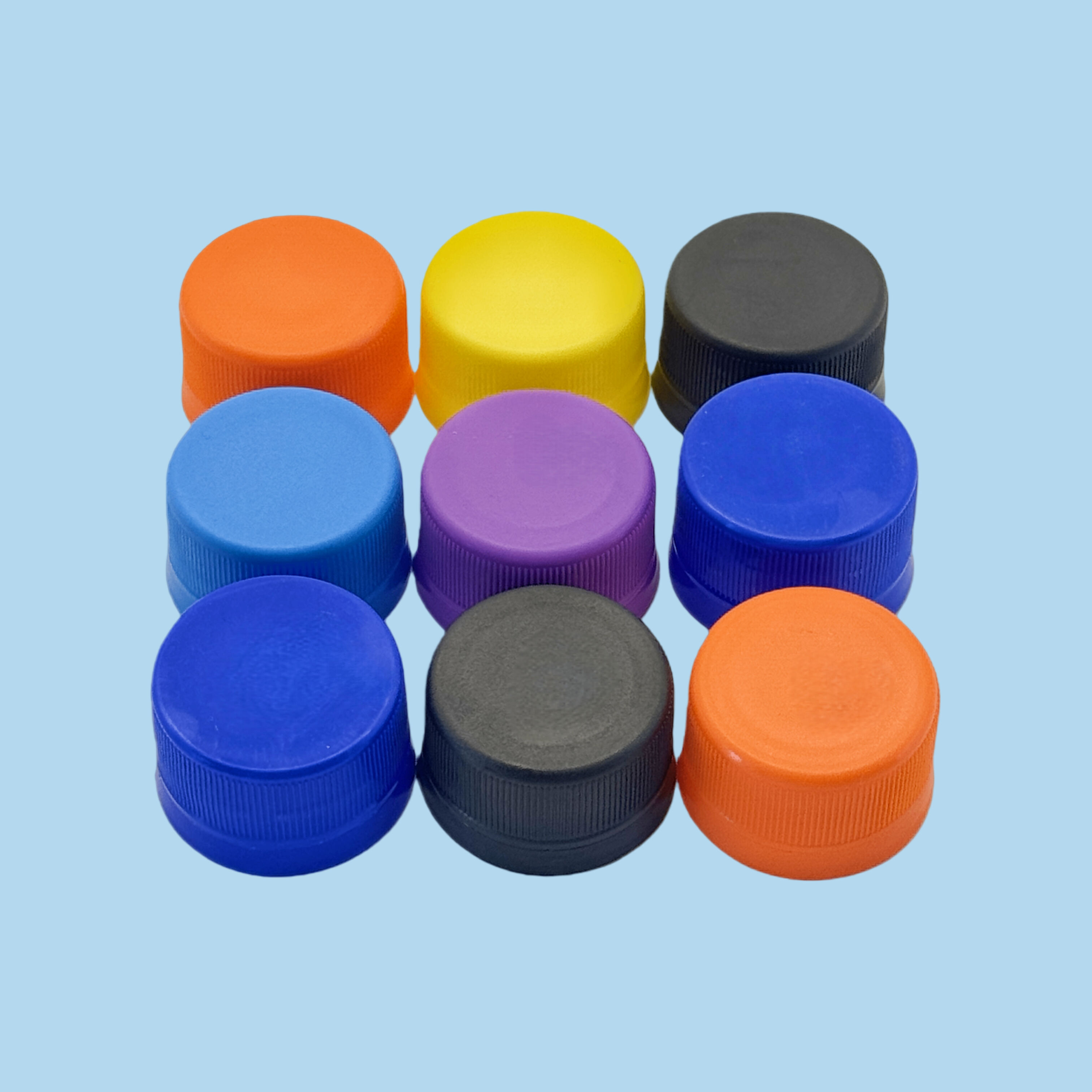
The carbonated soft drink industry demands closure solutions that deliver consistent performance, reliable sealing integrity, and consumer convenience across millions of bottles daily. Among the standardized closure systems widely adopted by beverage manufacturers worldwide, the PCO1810 Cap stands as a proven solution engineered specifically for carbonated beverages. This 28mm screw cap design has earned its position as an industry standard through decades of field performance, offering beverage brands a reliable closure that maintains carbonation pressure, prevents leakage, and delivers smooth opening experiences for consumers. Understanding why this particular cap design remains the preferred choice for carbonated soft drinks requires examining its technical specifications, manufacturing advantages, and practical benefits in real-world bottling operations.

3.jpeg

Beverage bottlers selecting closure systems for carbonated products face critical decisions that directly impact product quality, production efficiency, and consumer satisfaction. The PCO1810 Cap addresses these operational requirements through a standardized design that balances engineering precision with manufacturing practicality. This closure system integrates seamlessly with PET bottle neck finishes, automated capping equipment, and existing supply chain infrastructure, making it particularly valuable for beverage manufacturers operating high-speed bottling lines. The following sections explore the technical characteristics, application advantages, and operational considerations that make this cap design a classic solution for carbonated soft drink packaging.

Technical Foundation of the PCO1810 Cap Design

Standardized Dimensions and Threading Specifications

The PCO1810 Cap derives its designation from the standardized PCO (Plastic Closure Only) thread specification developed to ensure universal compatibility across beverage packaging systems. The 28mm diameter represents the outer dimension of the cap shell, while the 1810 designation refers to the specific neck finish dimensions of the compatible PET bottle. This standardization enables beverage manufacturers to source bottles and closures from different suppliers while maintaining perfect fit and function. The thread profile features a multi-start design that allows for quick application and removal, typically requiring less than one full rotation to achieve complete engagement between cap threads and bottle neck threads.

The precise threading geometry of the PCO1810 Cap creates a mechanical seal that withstands internal pressure from carbonated beverages while allowing controlled removal torque for consumers. Thread depth, pitch angle, and engagement length are engineered to distribute stress evenly across the closure interface, preventing thread stripping during application or premature loosening during distribution. Manufacturing tolerances for thread dimensions typically fall within 0.1mm to ensure consistent performance across production batches. This dimensional consistency allows bottlers to maintain stable capping torque settings on automated equipment, reducing line adjustments and minimizing quality variations.

Material Selection and Structural Engineering

Most PCO1810 Cap implementations utilize high-density polyethylene or polypropylene formulations selected for their mechanical strength, chemical resistance, and processing characteristics. The polymer selection directly influences the cap's ability to maintain sealing pressure over extended shelf life periods while withstanding temperature fluctuations during distribution and storage. Material specifications typically include minimum impact strength requirements to prevent cap cracking during handling, sufficient flex modulus to maintain thread integrity under torque loads, and appropriate melt flow characteristics for consistent injection molding. Some formulations incorporate color concentrates or UV stabilizers to protect beverage contents from light exposure while maintaining visual brand identity.

The wall thickness profile of the PCO1810 Cap varies strategically across different zones to optimize material usage while maintaining structural performance. The top panel typically features thicker sections to resist deformation from internal pressure, while sidewall thickness balances rigidity for threading with flexibility for liner compression. Reinforcement ribs or structural features molded into the cap interior enhance stiffness without adding excessive weight. This engineered material distribution allows manufacturers to reduce overall cap weight while maintaining performance standards, directly impacting material costs and environmental footprint across large production volumes.

Sealing System Integration

The sealing effectiveness of the PCO1810 Cap depends on the liner system installed within the cap shell, typically consisting of a foam or pulp-based disc with a thin barrier layer. When the cap is applied with proper torque, the liner compresses against the bottle neck finish land area, creating a continuous seal that prevents gas escape and contamination ingress. Liner material selection considers factors including compression set resistance, chemical compatibility with beverage formulations, and adhesion to both cap and bottle surfaces. Some liner systems incorporate pressure-sensitive adhesives that bond to the bottle finish during capping, creating a tamper-evident seal that indicates if the package has been opened.

Advanced liner designs for carbonated beverage applications may include multi-layer constructions that combine gas barrier properties with cushioning performance. The outer foam layer absorbs minor surface irregularities on the bottle finish while distributing capping forces evenly. An intermediate barrier layer, often composed of aluminum foil or metallized film, provides the primary resistance to carbon dioxide permeation. An inner layer facing the beverage may include a flavor-neutral coating that prevents liner materials from affecting product taste. This layered approach allows the PCO1810 Cap to maintain carbonation levels throughout the product's intended shelf life, typically ranging from several months to over a year depending on storage conditions and beverage formulation.

Manufacturing Advantages for Beverage Bottlers

High-Speed Production Compatibility

Modern carbonated soft drink production lines operate at speeds exceeding 1,000 bottles per minute, requiring closure systems that perform reliably under demanding automation conditions. The PCO1810 Cap design accommodates high-speed capping equipment through its consistent dimensional tolerances and predictable application behavior. Cap feeding systems can orient and deliver these closures at rates matching line speeds, while capping heads apply precise torque levels to achieve proper sealing without over-tightening. The standardized geometry allows equipment manufacturers to develop specialized tooling optimized specifically for this cap format, improving application accuracy and reducing mechanical wear on capping machinery.

Quality control systems integrated into bottling lines monitor critical parameters during PCO1810 Cap application, including applied torque, cap presence detection, and proper seating verification. Vision systems can inspect each capped bottle for defects such as cocked caps, missing liners, or damaged threads before products proceed to labeling and packaging. The consistent performance characteristics of this cap design enable tighter statistical process control limits, reducing rejection rates and improving overall equipment effectiveness. Bottlers operating multiple production lines can standardize on PCO1810 Cap specifications, simplifying spare parts inventory, maintenance procedures, and operator training across facilities.

Supply Chain Efficiency and Sourcing Flexibility

The widespread adoption of PCO1810 Cap standards throughout the beverage industry creates a competitive supplier marketplace that benefits bottlers through pricing transparency and sourcing flexibility. Multiple cap manufacturers produce closures conforming to these specifications, allowing beverage companies to qualify alternative suppliers and negotiate favorable contract terms. This competitive environment drives continuous improvement in cap quality while maintaining cost competitiveness. Bottlers can implement dual-sourcing strategies that reduce supply chain risk while maintaining consistent product performance across different cap suppliers.

Logistics and inventory management for PCO1810 Cap systems benefit from standardized packaging and handling procedures developed across the closure supply industry. Caps typically ship in bulk containers or on oriented strips compatible with automated feeding equipment, optimizing freight density and minimizing handling labor at bottling facilities. Standardized cap dimensions allow for efficient warehouse storage using conventional racking systems. The long shelf life of properly stored closures enables bottlers to maintain buffer inventory that protects production schedules against supply disruptions. Many cap suppliers offer vendor-managed inventory programs that automatically replenish bottler stocks based on consumption patterns, reducing administrative overhead and ensuring material availability.

Cost Structure and Economic Performance

The established manufacturing infrastructure for PCO1810 Cap production creates favorable economics for beverage bottlers, particularly those operating at significant volumes. Injection molding tooling for this standardized design amortizes across millions of caps, reducing per-unit tooling costs compared to proprietary closure designs. Material utilization efficiency continues improving through ongoing design optimization and processing refinements, directly impacting cap costs. The competitive supplier landscape mentioned previously applies additional downward pressure on pricing while maintaining quality standards acceptable to major beverage brands.

Total cost of ownership calculations for the PCO1810 Cap extend beyond unit purchase price to include application costs, quality losses, and operational impacts. The reliable performance of this closure system reduces line downtime caused by capping equipment jams or adjustment requirements, improving production efficiency. Lower rejection rates during quality inspection minimize material waste and reduce costs associated with rework or disposal. The consumer-friendly opening experience provided by this cap design may reduce customer complaints and returns, though these benefits prove difficult to quantify precisely. When beverage manufacturers evaluate closure options holistically, the PCO1810 Cap frequently demonstrates superior total cost performance compared to alternative designs requiring specialized equipment or non-standard components.

Performance Characteristics in Carbonated Beverage Applications

Carbonation Retention and Gas Barrier Properties

Maintaining carbonation levels throughout the distribution cycle represents the primary functional requirement for closures used on carbonated soft drinks. The PCO1810 Cap achieves effective carbon dioxide retention through the combined performance of its threaded mechanical seal and liner barrier system. When properly applied, the closure creates a sealed environment that minimizes gas permeation through both the cap-bottle interface and the closure materials themselves. Testing protocols evaluate carbonation retention by measuring dissolved CO2 levels in beverages after defined storage periods under controlled temperature conditions, with acceptable performance typically defined as less than 10% carbonation loss over the product's intended shelf life.

The gas barrier effectiveness of PCO1810 Cap systems depends significantly on liner material selection and application torque optimization. Insufficient capping torque fails to compress the liner adequately, creating microscopic leak paths for gas escape. Excessive torque may damage liner materials or bottle neck finishes, similarly compromising seal integrity. Beverage bottlers establish optimal torque specifications through shelf life testing that evaluates carbonation retention across a range of application forces, typically identifying a target torque with acceptable upper and lower limits. Environmental factors including storage temperature and humidity influence carbonation retention rates, with higher temperatures accelerating gas permeation through all closure components. Quality PCO1810 Cap designs maintain acceptable performance across the temperature ranges encountered in normal distribution and retail environments.

Pressure Resistance and Structural Integrity

Carbonated beverages generate internal pressure ranging from 3 to 5 bar depending on carbonation level and temperature, placing significant stress on closure systems. The PCO1810 Cap must resist this continuous pressure loading without deformation, loosening, or failure throughout the product shelf life. The mechanical advantage provided by the threaded connection converts internal pressure into clamping force that actually enhances seal integrity rather than compromising it. Cap material selection and wall thickness design ensure adequate strength to contain these pressure loads with appropriate safety factors. Drop testing and transportation simulation protocols verify that capped bottles withstand impact forces and vibration encountered during distribution without cap loosening or package failure.

Temperature cycling represents a particularly challenging condition for carbonated beverage closures, as thermal expansion and contraction of package components can compromise seal integrity. The PCO1810 Cap and its mating PET bottle neck finish exhibit different thermal expansion coefficients, creating relative movement at the sealed interface during temperature changes. Quality closure designs accommodate these thermal effects through appropriate material selection and seal compression levels that maintain contact pressure across expected temperature ranges. Accelerated shelf life testing subjects capped bottles to repeated temperature cycles between refrigeration and ambient conditions, simulating months of real-world distribution in compressed timeframes. Closures demonstrating stable performance under these demanding protocols provide bottlers with confidence in field performance.

Consumer Convenience and Opening Experience

The consumer interaction with beverage packaging significantly influences brand perception and repeat purchase decisions, making opening convenience an important closure performance dimension. The PCO1810 Cap delivers a balanced opening experience that requires sufficient torque to reassure consumers of package integrity while remaining accessible to users with varying grip strength. The multi-start thread design enables quick removal with less than one full rotation, providing immediate access to the beverage. Knurled or textured sidewall surfaces enhance grip, particularly important when caps or consumer hands are wet with condensation. Cap diameter and height dimensions accommodate comfortable gripping by diverse consumer populations including children and elderly users.

Reclosure capability represents another consumer-valued feature delivered effectively by the PCO1810 Cap design. After initial opening, consumers can reseal the bottle by threading the cap back onto the bottle neck, maintaining carbonation and preventing spillage for on-the-go consumption. The mechanical thread engagement provides tactile and audible feedback confirming proper reclosure, though carbonation retention after opening diminishes compared to the original factory seal. The durability of PCO1810 Cap threads allows for multiple open-close cycles without significant degradation, accommodating consumption patterns where beverages are consumed across several occasions rather than in a single serving. This reclosure performance adds practical value that consumers appreciate, particularly for larger package sizes.

Application Considerations and Implementation Best Practices

Bottle Neck Finish Compatibility and Tolerancing

Achieving optimal performance from PCO1810 Cap systems requires careful attention to the dimensional relationship between cap and bottle neck finish. PET bottles manufactured through stretch blow molding processes exhibit some dimensional variation in neck finish geometry due to material properties and processing conditions. Beverage bottlers must establish specifications for neck finish dimensions including outer diameter, thread form, land area flatness, and overall height that ensure compatibility with their selected PCO1810 Cap design. Statistical process control monitoring of bottle production tracks these critical dimensions, identifying when neck finish characteristics drift outside acceptable ranges that could compromise sealing performance.

The surface finish quality of the bottle neck land area directly impacts the effectiveness of the liner seal created by the PCO1810 Cap. Scratches, contamination, or surface irregularities on this sealing surface create potential leak paths that compromise carbonation retention. Bottle handling systems throughout the production line must protect neck finishes from damage, while blow molding process controls maintain appropriate surface characteristics. Some bottlers implement vision inspection systems that examine neck finish quality before filling, rejecting bottles with defects that could affect capping performance. The coordination between bottle specifications and closure requirements exemplifies the systems integration approach necessary for successful beverage packaging operations.

Capping Equipment Setup and Maintenance

Proper configuration and maintenance of capping equipment proves essential for realizing the performance potential of PCO1810 Cap systems. Capping heads must deliver consistent torque across all stations on rotary capping machines, requiring regular calibration using torque measurement instruments. Cap feeding mechanisms need adjustment to ensure reliable orientation and presentation of closures to capping heads without jamming or misfeeds. Change parts including cap chutes, guides, and gripper assemblies should be sized specifically for PCO1810 Cap dimensions, as components designed for other closure formats may not perform optimally. Equipment manufacturers typically provide detailed setup procedures and dimensional specifications for cap handling systems optimized for this closure style.

Preventive maintenance programs for capping equipment protect against performance degradation that could affect PCO1810 Cap application quality. Wear on capping head clutches or brake assemblies may cause torque drift, requiring periodic replacement of consumable components. Buildup of cap debris or adhesive residue on equipment surfaces can interfere with smooth cap feeding and application. Lubrication of moving components according to manufacturer specifications prevents premature wear while maintaining precise motion control. Many beverage bottlers implement condition monitoring systems that track capping equipment performance metrics, triggering maintenance interventions before equipment degradation impacts product quality. This proactive approach minimizes unplanned downtime while ensuring consistent PCO1810 Cap application throughout production campaigns.

Quality Assurance Testing and Validation

Comprehensive quality assurance programs for carbonated beverages include multiple testing protocols that evaluate PCO1810 Cap performance both during production and throughout shelf life. Removal torque testing on filled and capped bottles sampled from production lines verifies that applied torque falls within specified limits, with both high and low values indicating potential problems. Leak detection systems using various technologies including pressure decay, vacuum testing, or tracer gas methods identify packages with compromised seals before they enter distribution. Destructive testing of closures examines thread engagement, liner compression, and overall assembly integrity to confirm proper cap application.

Shelf life validation studies represent the ultimate test of PCO1810 Cap performance, evaluating carbonation retention, package integrity, and sensory characteristics across extended storage periods. These studies typically include multiple temperature conditions reflecting distribution and storage environments, with periodic testing of retained samples measuring dissolved CO2, conducting sensory evaluation, and inspecting physical package condition. Successful validation demonstrates that the closure system maintains product quality throughout the declared shelf life under realistic conditions. Beverage manufacturers periodically revalidate closure performance when changing suppliers, modifying formulations, or introducing new bottle designs to ensure continued packaging effectiveness. This systematic validation approach provides the technical foundation supporting shelf life claims and distribution practices.

FAQ

What makes the PCO1810 Cap particularly suitable for carbonated soft drinks compared to other closure types?

The PCO1810 Cap achieves superior performance in carbonated beverage applications through its threaded mechanical seal combined with an effective liner system that resists gas permeation. The standardized thread design creates a positive engagement that actually strengthens under internal pressure, while the multi-layer liner provides a gas barrier that maintains carbonation levels throughout shelf life. This closure's widespread industry adoption means proven field performance across billions of packages, giving beverage manufacturers confidence in its reliability. The combination of pressure resistance, carbonation retention, and consumer-friendly opening characteristics specifically addresses the functional requirements of carbonated soft drink packaging.

How does the standardization of PCO1810 Cap dimensions benefit beverage manufacturers?

Standardized PCO1810 Cap specifications create interchangeability between bottles and closures from different suppliers, providing beverage manufacturers with sourcing flexibility and supply chain security. This standardization enables competitive bidding among multiple qualified suppliers, typically resulting in better pricing and terms. Bottlers can standardize capping equipment, maintenance procedures, and operator training across multiple production lines and facilities when using this common closure format. The established industry infrastructure supporting PCO1810 Cap production includes readily available tooling, processing expertise, and quality assurance protocols that reduce technical risk and accelerate implementation compared to proprietary closure designs.

What factors should bottlers consider when selecting suppliers for PCO1810 Cap closures?

Beverage bottlers evaluating PCO1810 Cap suppliers should assess manufacturing quality systems including ISO certifications and process control capabilities that ensure dimensional consistency. Supplier capacity and geographic footprint affect delivery reliability and freight costs, particularly important for high-volume operations. Technical support capabilities including application assistance, troubleshooting expertise, and shelf life validation testing add value beyond the physical product. Material specifications and testing protocols should align with the bottler's quality standards and performance requirements. Long-term supplier stability and financial health provide confidence in continued supply availability, while innovation capabilities may deliver future improvements in cost or performance.

Can PCO1810 Cap systems accommodate hot-fill beverage applications or are they limited to cold-fill carbonated products?

While the PCO1810 Cap design was developed primarily for cold-fill carbonated beverages, modified versions can accommodate some hot-fill applications with appropriate material and design adaptations. Hot-fill processing subjects closures to elevated temperatures during filling that can cause dimensional changes or liner degradation in standard caps. Suppliers offer heat-resistant PCO1810 Cap variants using modified polymer formulations and liner systems designed to withstand hot-fill temperatures while maintaining seal integrity as packages cool. However, the temperature limits and performance characteristics differ from standard carbonated beverage applications, requiring specific validation testing for hot-fill conditions. Beverage manufacturers considering hot-fill applications with PCO1810 Cap systems should work closely with closure suppliers to ensure appropriate product selection and application parameters.