
 EN
EN



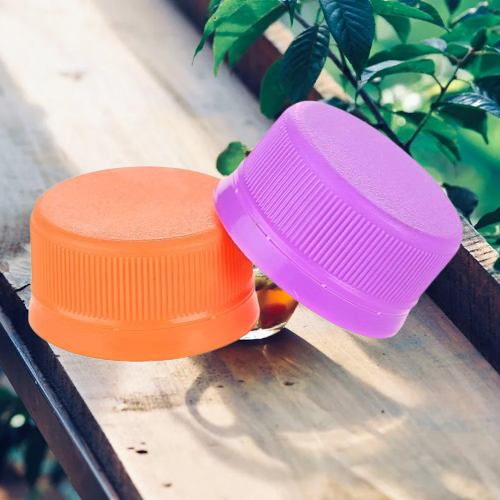
In the competitive landscape of beverage packaging, manufacturers continuously seek technologies that deliver superior quality, consistency, and production efficiency. Sacmi compression molding has emerged as a transformative manufacturing process specifically engineered for producing high-performance closures like the PCO1885 Cap and its closely related variant, the PCO1881 closure system. This advanced molding technology addresses the critical demands of carbonated beverage packaging, where seal integrity, material optimization, and production throughput directly impact both product safety and profitability. Understanding the distinct advantages that Sacmi compression molding brings to PCO1881 cap production enables packaging professionals to make informed decisions about manufacturing investments and quality standards.
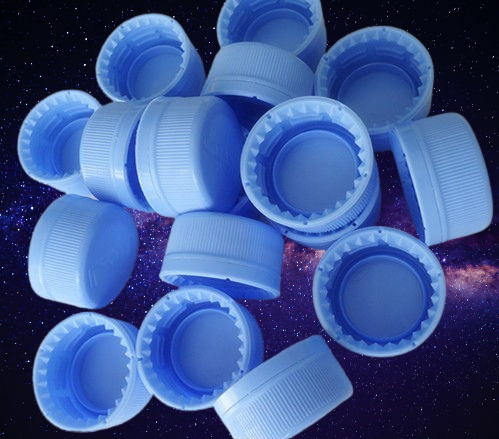
The PCO1881 closure specification, which shares dimensional compatibility with the PCO1885 Cap standard, represents one of the most widely adopted neck finish designs in the global beverage industry. Sacmi's compression molding technology specifically optimizes the production of these precision closures by controlling material distribution, eliminating traditional injection molding limitations, and ensuring consistent performance across millions of production cycles. The benefits extend beyond simple manufacturing efficiency to encompass material savings, enhanced barrier properties, reduced environmental impact, and superior functionality that directly supports brand integrity and consumer satisfaction in demanding carbonated beverage applications.
Superior Material Distribution and Weight Optimization
Precision Material Placement Through Controlled Compression
Sacmi compression molding achieves exceptional material distribution control that fundamentally distinguishes it from conventional injection molding processes. The technology places a precise dose of molten polymer directly into the mold cavity, then applies uniform compression force to shape the PCO1885 Cap without the need for traditional runner systems or injection gates. This controlled compression process ensures that material flows evenly throughout the closure structure, creating consistent wall thickness profiles that enhance both structural integrity and functional performance. The elimination of gate marks and weld lines produces closures with superior aesthetic quality and mechanical strength, particularly critical for the sealing surfaces that maintain carbonation pressure in beverage bottles.
The precise dosing system inherent to Sacmi compression molding enables manufacturers to achieve significant weight reduction while maintaining or even improving closure performance specifications. For PCO1881 cap production, this translates to material savings ranging from eight to fifteen percent compared to traditional injection molding approaches, depending on design complexity and performance requirements. These weight reductions accumulate to substantial cost savings across high-volume production runs, while simultaneously reducing the environmental footprint associated with polymer consumption and transportation. The compression process also permits the use of higher percentages of post-consumer recycled content without compromising the structural integrity or barrier performance that carbonated beverage applications demand.
Enhanced Sealing Performance Through Optimized Liner Compression
The compression molding process provides unique advantages for integrating sealing liners into the PCO1885 Cap structure during the molding cycle itself. Sacmi technology enables in-mold liner application where the sealing compound is precisely positioned and compressed simultaneously with the cap shell formation, creating superior bonding between the liner material and the cap body. This integrated approach eliminates the need for secondary liner insertion operations, reducing production complexity while ensuring consistent liner positioning and compression characteristics across every closure produced. The resulting seal integrity delivers reliable carbonation retention and tamper evidence that meets the stringent requirements of premium beverage brands.
The controlled compression force applied during the molding cycle also optimizes the liner's conformability to bottle finish irregularities, which commonly occur within normal glass or PET bottle manufacturing tolerances. This enhanced conformability ensures consistent seal performance across varying bottle neck dimensions, reducing leakage rates and product loss throughout the supply chain. For manufacturers producing PCO1881 Cap closures for diverse beverage applications, this sealing consistency translates directly to reduced quality complaints and enhanced brand reputation in competitive market segments where product integrity determines consumer loyalty.
Reduced Cycle Time and Increased Production Efficiency
Sacmi compression molding systems achieve remarkably short cycle times that significantly enhance production throughput for PCO1881 cap manufacturing operations. The compression process requires substantially less cooling time compared to injection molding because material is placed rather than injected under high pressure, reducing internal stresses and eliminating the thick sections typically found near injection gates. Production cycles for standard PCO1885 Cap designs frequently operate at intervals below two seconds, enabling individual molding machines to produce upward of forty thousand closures per hour with consistent quality parameters. This production efficiency directly reduces per-unit manufacturing costs while improving equipment return on investment for high-volume beverage packaging operations.
The elimination of runners and sprues in the compression molding process also contributes to cycle time reduction by removing the need to cool, eject, and regrind waste material during each production cycle. This streamlined process reduces energy consumption per closure produced while simultaneously decreasing the volume of regrind material that must be managed within the production facility. For operations producing hundreds of millions of PCO1881 closures annually, these efficiency gains accumulate to measurable improvements in overall equipment effectiveness, energy costs, and environmental performance metrics that increasingly influence packaging procurement decisions across the global beverage industry.
Advanced Quality Consistency and Process Control
Elimination of Common Injection Molding Defects
The compression molding process fundamentally eliminates several defect mechanisms that commonly challenge injection-molded closure production. Without injection gates, compression-molded PCO1885 Cap closures exhibit no gate blush, gate marks, or the localized stress concentrations that can compromise closure performance during application and removal cycles. The absence of weld lines, which form when multiple flow fronts meet during injection molding, removes potential weak points in the cap structure that could lead to premature failure under torque application or internal pressure stress. These quality improvements translate directly to reduced rejection rates during production and fewer field failures that generate costly quality complaints and brand reputation damage.
Sacmi compression molding also minimizes sink marks and warpage issues that frequently affect injection-molded closures with varying wall thickness sections. The controlled compression process maintains uniform pressure distribution throughout the cooling phase, preventing the differential shrinkage that causes dimensional instability in conventionally molded parts. For PCO1881 cap applications where precise thread dimensions ensure proper engagement with bottle finishes and consistent removal torque characteristics, this dimensional stability proves critical to functional performance. Manufacturers benefit from tighter dimensional tolerances and reduced statistical variation in critical quality parameters, enabling higher confidence in automated capping line performance across diverse production environments.
Real-Time Process Monitoring and Adaptive Control
Modern Sacmi compression molding systems incorporate sophisticated process monitoring technologies that continuously track critical parameters throughout each production cycle. Advanced sensor arrays measure compression force, mold temperature profiles, material temperature, cycle timing, and ejection parameters in real time, generating comprehensive data streams that enable immediate detection of process deviations. This monitoring capability allows production teams to identify and correct emerging quality issues before significant quantities of non-conforming PCO1885 Cap closures are produced, dramatically reducing scrap rates and improving overall process capability indices that determine production qualification for demanding beverage brand specifications.
The integration of adaptive control algorithms further enhances process stability by automatically adjusting operating parameters in response to detected variations in material properties, ambient conditions, or equipment wear patterns. These intelligent systems maintain consistent closure quality despite normal variations in raw material characteristics that inevitably occur when processing different resin lots or incorporating varying percentages of recycled content. For manufacturers serving multiple beverage customers with distinct quality requirements, this adaptive capability enables rapid changeovers between different PCO1881 closure specifications while maintaining the tight process control necessary to meet stringent acceptance criteria across diverse application requirements.
Traceability and Quality Documentation Systems
Sacmi compression molding equipment provides comprehensive data logging capabilities that support complete traceability throughout the PCO1885 Cap production process. Every molding cycle generates detailed records linking specific closures to precise production parameters, raw material lot numbers, operator identifications, and equipment status information. This traceability infrastructure enables rapid root cause analysis when quality issues emerge, facilitating targeted corrective actions rather than broad production holds that disrupt supply chain continuity. The detailed production records also satisfy increasingly stringent regulatory requirements and customer quality system expectations that characterize modern food and beverage packaging supply chains.
The digital integration of Sacmi molding systems with enterprise manufacturing execution systems further enhances visibility across production operations, enabling real-time performance monitoring and predictive maintenance scheduling. Production managers gain immediate access to equipment efficiency metrics, quality trend analysis, and production forecasting data that support proactive decision-making and continuous improvement initiatives. For operations producing PCO1881 closures across multiple production lines or manufacturing facilities, this centralized data architecture enables standardization of best practices and rapid identification of performance variations that require management attention or technical intervention.
Environmental Sustainability and Resource Efficiency
Reduced Material Consumption and Waste Generation
The inherent efficiency of Sacmi compression molding delivers substantial environmental benefits through reduced polymer consumption per closure produced. The elimination of runner systems and injection gates means that virtually all material introduced into each production cycle becomes part of the finished PCO1885 Cap rather than generating regrind waste that requires additional processing. This direct material utilization reduces both virgin polymer consumption and the energy required to process and reincorporate waste material, contributing to lower carbon footprints across the closure manufacturing process. For beverage companies pursuing ambitious sustainability targets, compression-molded closures offer measurable progress toward packaging material reduction goals without compromising product protection or consumer convenience.
The weight optimization capabilities of compression molding extend environmental benefits throughout the product lifecycle by reducing transportation fuel consumption and associated greenhouse gas emissions. Lighter PCO1881 closures decrease shipping weights across global supply chains, generating cumulative emission reductions that become substantial when calculated across the billions of closures consumed annually by the beverage industry. These transportation efficiency gains complement material reduction benefits to create comprehensive environmental performance improvements that increasingly influence packaging procurement decisions as corporate sustainability commitments intensify across consumer goods sectors.
Enhanced Recyclability and Circular Economy Integration
Compression-molded PCO1885 Cap closures exhibit superior compatibility with existing recycling infrastructure due to their simplified material composition and absence of processing additives required to manage conventional injection molding challenges. The reduced material mass and optimized design enabled by compression molding facilitates separation during recycling processes, particularly important as beverage packaging systems transition toward fully circular material flows. The technology also accommodates higher percentages of post-consumer recycled content without the performance compromises that often affect injection-molded closures when virgin polymer percentages decrease, supporting closed-loop recycling initiatives that form the foundation of sustainable packaging strategies.
Sacmi compression molding systems also enable efficient processing of emerging bio-based polymers and advanced sustainable materials that present processing challenges in conventional injection molding equipment. These material flexibility advantages position compression molding as an enabling technology for next-generation PCO1881 closure designs incorporating renewable content, biodegradable components, or novel polymer formulations designed to enhance end-of-life environmental performance. As beverage brands intensify efforts to transition toward sustainable packaging portfolios, the material versatility of compression molding provides manufacturers with competitive advantages in developing and commercializing innovative closure solutions that balance performance requirements with environmental responsibility.
Energy Efficiency and Carbon Footprint Reduction
The shorter cycle times and elimination of auxiliary processes inherent to Sacmi compression molding translate directly to reduced energy consumption per PCO1885 Cap produced compared to conventional injection molding approaches. The compression process requires less heating energy due to optimized material placement and reduced cooling requirements resulting from lower internal stress generation. These energy efficiency advantages compound across high-volume production operations to generate substantial reductions in facility energy consumption and associated operating costs. For manufacturers operating in regions with high energy costs or carbon pricing mechanisms, these efficiency improvements deliver both economic and environmental benefits that enhance competitive positioning in cost-sensitive beverage packaging markets.
The integrated nature of compression molding also reduces the auxiliary equipment requirements compared to injection molding systems that require separate runner systems, hot runner controllers, and regrind processing equipment. This simplified equipment architecture reduces initial capital investment, ongoing maintenance requirements, and facility space utilization while decreasing the total energy footprint associated with PCO1881 closure production infrastructure. The operational simplicity of compression molding systems also reduces training requirements and operational complexity, enabling manufacturers to achieve consistent production performance with smaller technical support teams and reduced operational overhead costs.
Technical Versatility and Design Innovation Support
Complex Geometry Capabilities and Design Freedom
Sacmi compression molding technology enables the production of PCO1885 Cap designs incorporating complex geometries and functional features that prove challenging or impossible to achieve through conventional injection molding processes. The controlled material placement inherent to compression molding permits the creation of variable wall thickness profiles, integrated hinge structures, and sophisticated sealing geometries that optimize closure performance without compromising manufacturability. This design freedom allows closure engineers to develop innovative PCO1881 variants that enhance consumer convenience, improve brand differentiation, or integrate additional functionality such as tamper evidence features, dispensing mechanisms, or resealability enhancements that add value throughout the product consumption cycle.
The absence of flow length limitations that constrain injection molding also enables the production of larger diameter closures and specialized designs serving niche beverage applications without requiring fundamental process modifications. Compression molding accommodates these design variations through simple tooling changes rather than extensive process reoptimization, reducing development timelines and commercialization costs for new closure variants. For beverage brands seeking distinctive packaging solutions that enhance shelf presence and consumer engagement, compression molding provides manufacturing flexibility that supports rapid innovation cycles and cost-effective customization of PCO1881 closure platforms across diverse product portfolios.
Multi-Material and Multi-Component Integration
Advanced Sacmi compression molding systems support the integration of multiple materials and components within single production cycles, enabling the creation of sophisticated PCO1885 Cap designs that combine different polymers, colors, or functional elements without secondary assembly operations. This multi-material capability facilitates the production of closures incorporating soft-touch gripping surfaces, color-contrast design elements, or integrated dispensing features that enhance consumer interaction and product differentiation. The compression process ensures proper bonding between dissimilar materials, creating durable interfaces that withstand repeated use cycles and maintain aesthetic quality throughout product shelf life and consumer usage periods.
The in-mold integration capabilities of compression molding also enable the incorporation of functional inserts, labeling elements, or barrier layers during the molding cycle itself, eliminating costly secondary operations while ensuring precise positioning and secure attachment. For PCO1881 closures requiring specialized barrier properties to protect sensitive beverage formulations, compression molding accommodates the integration of barrier layers or oxygen scavenging technologies without compromising structural integrity or increasing production complexity. These technical capabilities position compression-molded closures as enabling platforms for advanced packaging innovations that address evolving consumer preferences and increasingly sophisticated beverage product requirements.
Rapid Prototyping and Product Development Efficiency
The simplified tooling requirements and flexible process parameters of Sacmi compression molding accelerate product development cycles for new PCO1885 Cap designs and variants. Prototype tooling can be produced and validated more rapidly than complex injection mold systems, enabling faster iteration through design optimization cycles and earlier identification of potential manufacturing or performance issues. This development efficiency reduces time-to-market for innovative closure solutions while minimizing development costs associated with tooling modifications and process optimization efforts. For beverage companies operating in fast-moving market segments where packaging innovation drives competitive advantage, compression molding provides manufacturing agility that supports responsive product development strategies.
The process robustness of compression molding also facilitates easier scaling from prototype production through commercial manufacturing volumes without requiring fundamental process changes that often complicate technology transfer in injection molding operations. Production parameters validated during prototype phases translate more directly to full-scale manufacturing conditions, reducing the technical risk associated with new product commercialization and improving first-time success rates for new PCO1881 closure launches. This scaling efficiency proves particularly valuable for manufacturers serving diverse beverage customers with varying volume requirements and frequent new product introductions that demand flexible, responsive manufacturing capabilities.
FAQ
What distinguishes Sacmi compression molding from traditional injection molding for PCO1881 cap production?
Sacmi compression molding fundamentally differs from injection molding by placing a precise dose of molten polymer directly into the mold cavity and applying compression force to shape the closure, rather than injecting material under high pressure through gates and runners. This process eliminates gate marks, weld lines, and runner waste while enabling superior material distribution control and weight optimization. For PCO1885 Cap production, compression molding delivers shorter cycle times, enhanced dimensional consistency, and the ability to integrate sealing liners during the molding cycle itself. The technology also accommodates higher recycled content percentages and reduces energy consumption per closure produced, providing both quality and sustainability advantages over conventional injection molding approaches.
How does compression molding improve the environmental performance of PCO1885 Cap production?
Compression molding enhances environmental performance through multiple mechanisms including reduced material consumption, elimination of runner waste, shorter cycle times requiring less energy, and superior accommodation of recycled content. The process typically achieves eight to fifteen percent weight reduction compared to injection-molded equivalents while maintaining performance specifications, directly reducing polymer consumption and transportation emissions. The absence of runners means virtually all material becomes part of finished closures rather than generating regrind requiring reprocessing. Additionally, compression molding enables efficient processing of bio-based polymers and advanced sustainable materials, supporting beverage industry transitions toward circular packaging systems and reduced carbon footprints across closure supply chains.
Can Sacmi compression molding accommodate specialized PCO1881 closure designs with complex features?
Yes, Sacmi compression molding provides exceptional design flexibility for complex PCO1885 Cap geometries including variable wall thickness profiles, integrated hinge structures, sophisticated sealing geometries, and multi-material components. The controlled material placement inherent to compression molding enables features that prove challenging in injection molding, such as in-mold liner integration, color-contrast elements, and functional inserts incorporated during the molding cycle. The process accommodates rapid prototyping and design iteration with simplified tooling requirements compared to injection molds, accelerating development timelines for innovative closure solutions. This technical versatility supports brand differentiation strategies and specialized beverage applications requiring customized closure performance characteristics beyond standard PCO1881 specifications.
What quality advantages does compression molding provide for carbonated beverage applications?
Compression molding delivers superior quality consistency for carbonated beverage closures through elimination of common injection molding defects including gate marks, weld lines, sink marks, and warpage issues that compromise seal integrity and structural performance. The process produces PCO1885 Cap closures with uniform wall thickness, optimized liner compression, and tighter dimensional tolerances that ensure consistent thread engagement and removal torque characteristics. Advanced process monitoring systems provide real-time parameter tracking and adaptive control that maintain quality despite material variations or environmental changes. The resulting seal integrity reliably maintains carbonation retention, reduces leakage rates throughout supply chains, and minimizes quality complaints that damage brand reputation in competitive beverage market segments where product integrity determines consumer loyalty and repeat purchase behavior.
Table of Contents
- Superior Material Distribution and Weight Optimization
- Advanced Quality Consistency and Process Control
- Environmental Sustainability and Resource Efficiency
- Technical Versatility and Design Innovation Support
-
FAQ
- What distinguishes Sacmi compression molding from traditional injection molding for PCO1881 cap production?
- How does compression molding improve the environmental performance of PCO1885 Cap production?
- Can Sacmi compression molding accommodate specialized PCO1881 closure designs with complex features?
- What quality advantages does compression molding provide for carbonated beverage applications?