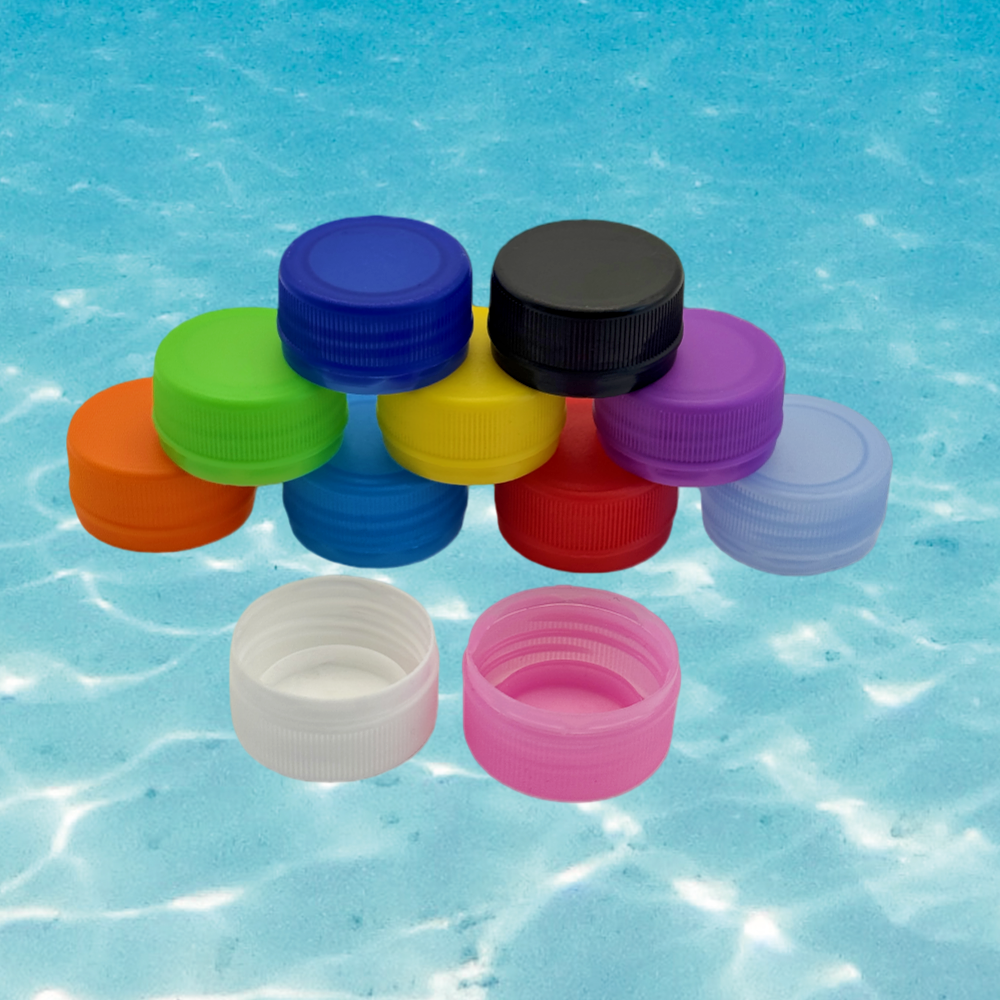
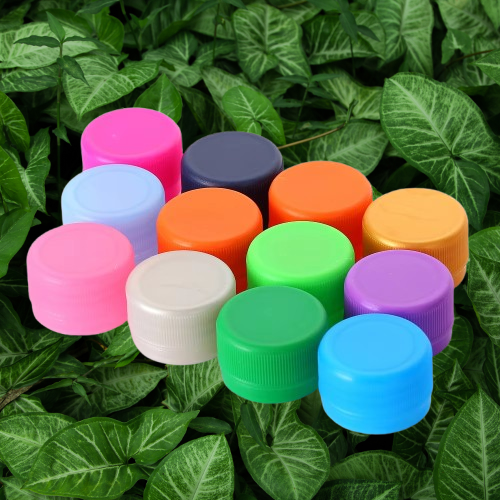
The beverage industry faces mounting pressure to adopt environmentally responsible packaging solutions as consumers increasingly prioritize sustainability in their purchasing decisions. This shift has sparked innovation in water cap design, where manufacturers are reimagining traditional closure systems to minimize environmental impact while maintaining product integrity. Modern sustainable water cap designs represent a crucial intersection of environmental stewardship and functional packaging excellence, offering beverage companies viable pathways to reduce their ecological footprint without compromising product quality or consumer convenience.

Today's sustainable water cap innovations encompass biodegradable materials, reduced plastic content, and circular economy principles that transform how beverage packaging interacts with natural ecosystems. These advanced closure solutions demonstrate that environmental responsibility and commercial viability can coexist, creating value for manufacturers, consumers, and the planet. The evolution from conventional plastic closures to eco-friendly alternatives represents a fundamental shift in packaging philosophy, where every design decision considers long-term environmental consequences alongside immediate functional requirements.
Material Innovation in Eco-Friendly Water Cap Design
Biodegradable Polymer Integration
Modern sustainable water cap manufacturing incorporates biodegradable polymers derived from renewable resources like corn starch, sugarcane, and plant-based cellulose. These bio-based materials offer comparable performance to traditional petrochemical plastics while decomposing naturally within composting environments. Manufacturers engineer these biodegradable water cap formulations to maintain structural integrity throughout product shelf life while triggering controlled degradation once disposed of in appropriate conditions. The integration process requires precise molecular engineering to balance biodegradability with essential barrier properties that protect beverage contents from contamination and preserve carbonation levels in pressurized products.
Advanced biopolymer water cap designs utilize innovative additive packages that enhance mechanical properties without compromising environmental credentials. These formulations incorporate natural plasticizers, bio-based colorants, and plant-derived stabilizers that eliminate toxic additives commonly found in conventional plastic closures. The resulting water cap products demonstrate superior environmental compatibility while meeting rigorous food safety standards and providing reliable sealing performance across diverse beverage applications.
Recycled Content Optimization
Sustainable water cap production increasingly relies on post-consumer recycled materials that divert plastic waste from landfills and ocean environments. Manufacturers develop sophisticated sorting and purification processes that transform discarded plastic bottles into high-quality raw materials suitable for water cap manufacturing. These recycled content water cap designs often incorporate 50-80% post-consumer materials while maintaining the structural integrity and aesthetic appeal demanded by premium beverage brands.
The recycled material integration process requires advanced quality control systems that ensure consistent performance across production batches. Engineers optimize polymer blending ratios to achieve optimal balance between recycled content maximization and functional performance requirements. This approach creates closed-loop manufacturing systems where today's water cap products become tomorrow's raw materials, establishing circular economy principles within beverage packaging supply chains.
Design Features That Enhance Environmental Performance
Lightweight Construction Technologies
Contemporary sustainable water cap designs employ material reduction strategies that maintain functional performance while minimizing resource consumption. Engineers utilize advanced computer modeling and finite element analysis to identify optimal wall thickness distributions that eliminate excess material without compromising sealing integrity or tamper resistance. These lightweight water cap solutions can reduce material usage by 20-30% compared to conventional designs while providing equivalent or superior closure performance.
Innovative structural geometries enable significant material savings through strategic reinforcement placement and optimized load distribution patterns. Manufacturers incorporate ribbing designs, engineered stress concentrations, and intelligent geometry modifications that maximize strength-to-weight ratios. These lightweight water cap innovations contribute substantially to overall packaging sustainability by reducing transportation emissions, raw material consumption, and end-of-life waste volumes.
Mono-Material Design Philosophy
Sustainable water cap development increasingly embraces mono-material construction that eliminates multi-component assemblies requiring complex separation processes during recycling. Traditional water cap designs often incorporate multiple polymer types, metal components, or composite materials that complicate end-of-life processing and reduce recycling efficiency. Modern eco-friendly water cap solutions utilize single-polymer construction that simplifies recycling workflows while maintaining essential functional characteristics.
The mono-material approach extends to decorative elements, sealing systems, and tamper-evident features that traditionally required secondary materials or adhesive bonding. Advanced molding techniques enable integrated color systems, textural elements, and functional features within single-polymer water cap structures. This design philosophy enhances recycling compatibility while reducing manufacturing complexity and material sourcing requirements.
Manufacturing Process Sustainability
Energy-Efficient Production Methods
Sustainable water cap manufacturing incorporates energy-efficient production technologies that minimize carbon footprint throughout the manufacturing lifecycle. Modern injection molding systems utilize servo-driven hydraulics, optimized heating profiles, and intelligent cooling systems that reduce energy consumption by 30-50% compared to conventional manufacturing equipment. These efficient production methods contribute significantly to overall water cap sustainability while reducing operational costs and environmental impact.
Manufacturers implement comprehensive energy management systems that optimize production scheduling, equipment utilization, and thermal recovery processes. Advanced process control algorithms minimize cycle times, reduce scrap generation, and optimize material utilization rates during water cap production. These integrated approaches create manufacturing environments where sustainability and efficiency objectives align to deliver superior environmental and economic performance.
Waste Reduction and Circular Integration
Contemporary water cap production facilities implement zero-waste manufacturing principles that capture, process, and reintegrate production waste streams into new product cycles. Advanced grinding and reprocessing equipment transforms production sprues, rejected parts, and edge trim into high-quality regrind materials suitable for integration into new water cap formulations. These closed-loop systems eliminate production waste while reducing raw material requirements and associated environmental impacts.
Manufacturers develop sophisticated quality control protocols that maximize regrind material utilization without compromising product performance or aesthetic standards. Intelligent blending systems ensure optimal virgin-to-recycled material ratios that maintain consistent water cap properties across production runs. These integrated waste reduction strategies demonstrate how circular economy principles can be effectively implemented within industrial manufacturing environments.
Performance Characteristics of Sustainable Water Caps
Barrier Property Maintenance
Sustainable water cap designs maintain critical barrier properties essential for beverage quality preservation while utilizing environmentally responsible materials. Advanced polymer engineering ensures that bio-based and recycled content water cap formulations provide equivalent oxygen transmission rates, moisture vapor barriers, and chemical resistance compared to conventional alternatives. These performance characteristics are crucial for maintaining beverage freshness, preventing contamination, and preserving carbonation levels in pressurized products.
Manufacturers employ sophisticated testing protocols that validate long-term barrier performance under diverse storage conditions and temperature fluctuations. Accelerated aging studies demonstrate that sustainable water cap materials maintain functional integrity throughout expected product shelf life while providing reliable protection against external contaminants. These performance validations ensure that environmental responsibility does not compromise product quality or consumer safety.
Mechanical Durability Standards
Eco-friendly water cap designs meet rigorous mechanical performance standards that ensure reliable operation throughout distribution, storage, and consumer use phases. Advanced material formulations provide adequate tensile strength, impact resistance, and fatigue tolerance required for automated bottling operations and consumer handling. These mechanical properties are particularly critical for water cap applications where repeated opening and closing cycles must be accommodated without performance degradation.
Testing protocols evaluate torque requirements, thread engagement characteristics, and tamper-evident functionality across diverse environmental conditions and usage scenarios. Sustainable water cap materials demonstrate comparable or superior mechanical performance relative to conventional alternatives while providing enhanced environmental compatibility. These performance attributes ensure that sustainability improvements do not compromise functional reliability or consumer convenience.
Industry Applications and Market Integration
Beverage Category Adaptability
Sustainable water cap technologies demonstrate remarkable adaptability across diverse beverage categories, from still water and flavored beverages to carbonated drinks and functional beverages. Each application presents unique requirements for sealing performance, pressure resistance, and chemical compatibility that influence water cap design optimization. Manufacturers develop category-specific solutions that address particular challenges while maintaining consistent sustainability principles across product lines.
Carbonated beverage applications require enhanced pressure resistance and gas barrier properties that sustainable water cap designs achieve through innovative material formulations and structural engineering. Still beverage applications prioritize tamper evidence and aesthetic appeal while maintaining environmental compatibility. These application-specific optimizations demonstrate the versatility and commercial viability of sustainable water cap technologies across diverse market segments.
Supply Chain Integration Strategies
Successful sustainable water cap implementation requires comprehensive supply chain integration that aligns material sourcing, manufacturing processes, and distribution logistics with sustainability objectives. Manufacturers establish partnerships with bio-based material suppliers, recycled content processors, and logistics providers committed to environmental responsibility. These integrated supply chain relationships ensure consistent material availability while maintaining quality standards and cost competitiveness.
Advanced supply chain management systems track material origins, processing methods, and transportation emissions throughout water cap production cycles. These comprehensive monitoring approaches enable manufacturers to verify sustainability claims while identifying optimization opportunities within complex supply networks. Effective integration strategies create resilient supply chains that support long-term sustainability commitments while maintaining operational efficiency and commercial viability.
FAQ
How do sustainable water cap designs compare to traditional plastic caps in terms of cost?
Sustainable water cap designs typically carry 10-25% higher initial costs compared to conventional plastic alternatives, primarily due to specialized material sourcing and processing requirements. However, these cost differentials are rapidly decreasing as production volumes increase and manufacturing processes optimize. Many companies find that consumer willingness to pay premium prices for environmentally responsible packaging, combined with potential regulatory compliance benefits and brand value enhancement, justify the modest cost increase associated with sustainable water cap adoption.
What recycling options are available for eco-friendly water caps?
Eco-friendly water cap recycling options vary significantly based on material composition and local waste management infrastructure. Biodegradable water cap designs can be processed through industrial composting facilities where available, typically decomposing within 90-180 days under controlled conditions. Recycled content and mono-material water cap designs integrate seamlessly into existing plastic recycling streams, provided consumers separate caps from bottles as required by local programs. Some manufacturers also establish take-back programs that collect used water cap products for reprocessing into new packaging materials.
Do sustainable water caps provide the same tamper-evident security as conventional designs?
Modern sustainable water cap designs incorporate advanced tamper-evident technologies that meet or exceed security standards provided by conventional alternatives. Bio-based and recycled content materials can be engineered with precise mechanical properties that enable effective band retention, controlled fracturing, and visual evidence of tampering attempts. Many eco-friendly water cap solutions utilize innovative design features such as integrated witness marks, controlled tear patterns, and enhanced visual indicators that provide superior tamper evidence while maintaining environmental compatibility.
How long do sustainable water caps maintain their structural integrity during storage?
Sustainable water cap designs demonstrate excellent storage stability, typically maintaining structural integrity and functional performance for 18-24 months under standard warehouse conditions. Bio-based materials are formulated with stabilizing additives that prevent premature degradation while preserving long-term performance characteristics. Accelerated aging studies confirm that sustainable water cap materials resist temperature fluctuations, humidity variations, and UV exposure commonly encountered during distribution and storage. Proper storage conditions and inventory rotation practices ensure optimal performance throughout expected product lifecycle periods.
Table of Contents
- Material Innovation in Eco-Friendly Water Cap Design
- Design Features That Enhance Environmental Performance
- Manufacturing Process Sustainability
- Performance Characteristics of Sustainable Water Caps
- Industry Applications and Market Integration
-
FAQ
- How do sustainable water cap designs compare to traditional plastic caps in terms of cost?
- What recycling options are available for eco-friendly water caps?
- Do sustainable water caps provide the same tamper-evident security as conventional designs?
- How long do sustainable water caps maintain their structural integrity during storage?