
 EN
EN



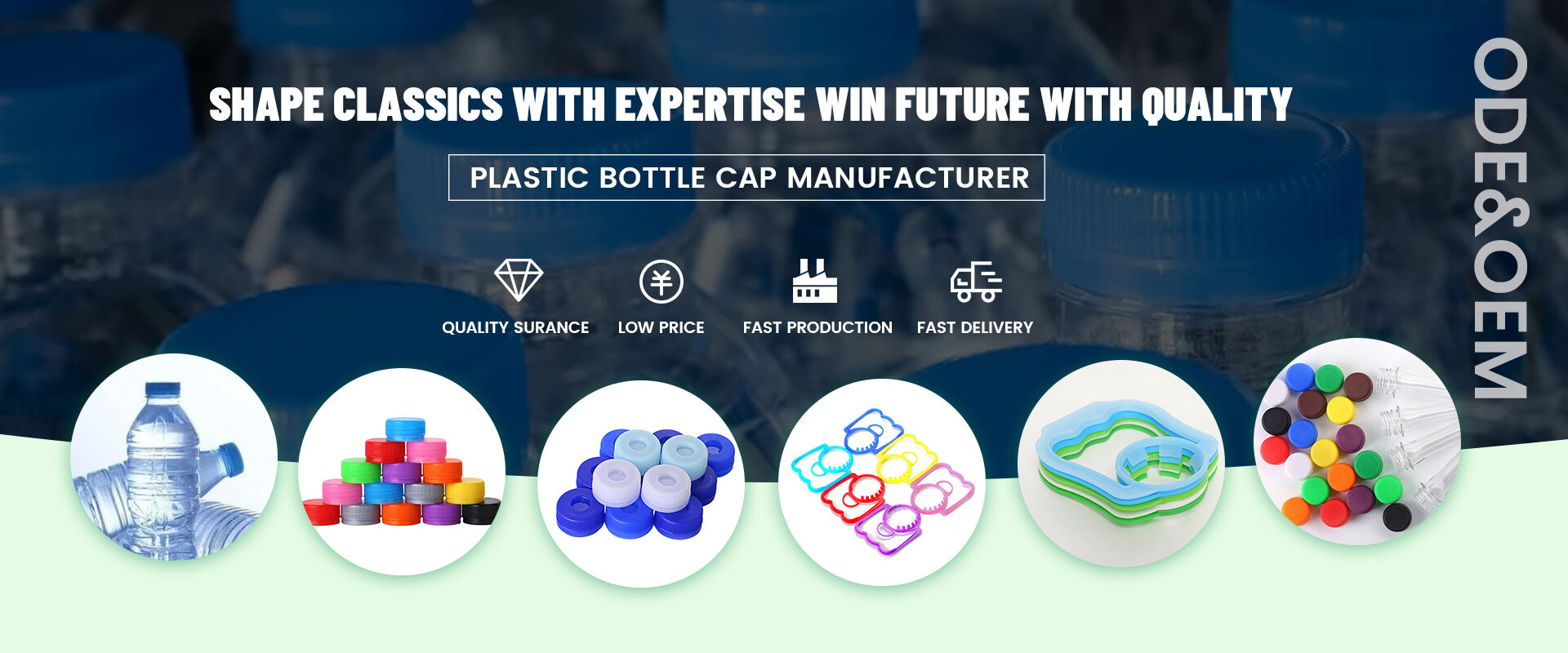
Achieving 30 billion water cap units annually requires sophisticated manufacturing processes, advanced automation systems, and precise quality control protocols that most facilities struggle to implement effectively. The scale of water cap production at this magnitude demands specialized injection molding equipment, dedicated production lines, and streamlined workflows that can maintain consistent output while preserving product quality standards throughout continuous operation cycles.
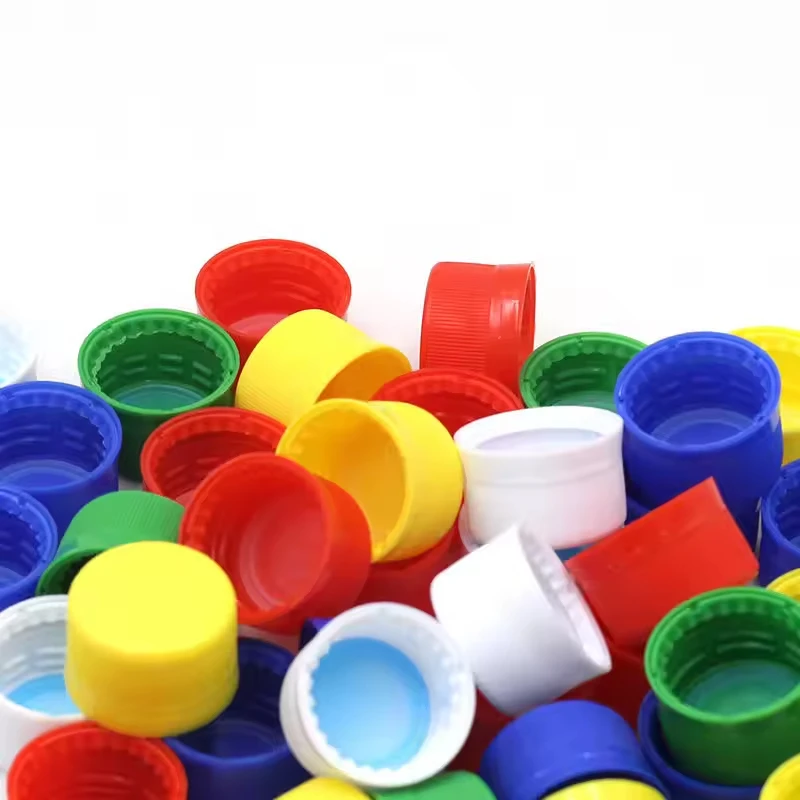
Manufacturing water cap components at unprecedented volumes requires systematic approaches to material handling, production scheduling, and resource allocation that enable facilities to process millions of units daily without compromising structural integrity or dimensional accuracy. The complexity of scaling water cap production to 30 billion units involves coordinating multiple manufacturing stages, from raw material preparation through final packaging, while maintaining the operational efficiency necessary to meet global distribution demands.
Advanced Injection Molding Systems for High-Volume Water Cap Production
Multi-Cavity Mold Configurations
High-volume water cap manufacturing relies on multi-cavity injection molding systems that can produce 32 to 96 caps per cycle, dramatically increasing output rates compared to traditional single-cavity approaches. These sophisticated mold configurations feature precision-engineered cavities with identical dimensions and cooling channels that ensure uniform heat distribution throughout the molding process. The water cap production efficiency depends on optimizing cavity layouts to minimize cycle times while maintaining consistent wall thickness and thread precision across all cavities simultaneously.
Advanced hot runner systems integrated into multi-cavity molds eliminate material waste and reduce cycle times by maintaining optimal polymer temperatures throughout the injection process. These systems deliver molten plastic directly to each cavity through temperature-controlled manifolds, ensuring that every water cap receives consistent material flow and pressure distribution. The precision of hot runner technology enables manufacturers to achieve the dimensional accuracy required for proper bottle sealing while processing thousands of caps per hour.
Automated Material Handling Systems
Continuous water cap production at 30 billion units annually requires automated material handling systems that can process raw polymer resins, colorants, and additives without interrupting manufacturing workflows. These systems feature pneumatic conveying networks that transport materials from storage silos directly to injection molding machines, eliminating manual handling and reducing contamination risks. The integration of material drying systems ensures that polymer moisture content remains within specifications, preventing defects that could compromise water cap performance.
Robotic systems handle finished water cap removal, quality inspection, and packaging operations with speeds that match injection molding cycle times. These automated solutions incorporate vision systems that verify cap dimensions, thread profiles, and surface quality before directing acceptable units to packaging lines. The coordination between material input and finished product handling creates seamless production flows that maintain consistent output rates throughout extended manufacturing campaigns.
Quality Control Systems for Billion-Scale Manufacturing
Real-Time Inspection Technologies
Manufacturing 30 billion water cap units requires real-time quality control systems that can inspect every produced unit without slowing production speeds. Advanced optical inspection systems use high-speed cameras and laser measurement technology to verify critical dimensions including thread pitch, cap height, and sealing surface flatness within microseconds of production. These inspection systems automatically reject defective units while generating statistical process control data that enables immediate production adjustments.
Integrated weight monitoring systems verify that each water cap meets specified material requirements by measuring unit weight variations that indicate incomplete filling or material inconsistencies. The precision of these systems allows manufacturers to detect process variations before they result in significant quality issues, maintaining the consistency necessary for global beverage industry applications. Statistical analysis of inspection data enables predictive maintenance scheduling that prevents equipment failures during critical production periods.
Process Parameter Monitoring
Continuous monitoring of injection molding parameters ensures that water cap production maintains dimensional accuracy and material properties throughout billion-unit manufacturing campaigns. Temperature sensors throughout mold cavities and cooling channels provide real-time data on thermal conditions that affect cap shrinkage and warpage characteristics. Pressure sensors monitor injection and holding pressures that determine material density and surface finish quality.
Advanced process control systems automatically adjust machine parameters based on real-time feedback from monitoring sensors, maintaining optimal production conditions without operator intervention. These systems can compensate for ambient temperature variations, material property changes, and equipment wear patterns that would otherwise affect water cap quality. The integration of process monitoring with production scheduling systems enables manufacturers to optimize production sequences for maximum efficiency while maintaining quality standards.
Production Line Optimization for Maximum Throughput
Cycle Time Minimization Strategies
Achieving 30 billion water cap units annually requires cycle time optimization strategies that reduce the time between successive molding cycles without compromising product quality. Advanced cooling system designs featuring conformal cooling channels machined directly into mold cores enable faster heat extraction, reducing the cooling time required before part ejection. These cooling systems use temperature-controlled coolant circulation that maintains consistent mold temperatures throughout continuous production runs.
Rapid mold change systems allow manufacturers to switch between different water cap configurations quickly, maximizing productive time on each manufacturing line. These systems use standardized mold mounting interfaces and automated clamping mechanisms that reduce changeover times from hours to minutes. The efficiency of rapid changeover capabilities enables manufacturers to respond to market demands while maintaining high utilization rates on expensive injection molding equipment.
Parallel Production Line Management
Managing multiple parallel production lines requires sophisticated coordination systems that balance workloads across available manufacturing capacity while maintaining consistent output quality. Central control systems monitor the status of individual production lines, automatically redistributing work assignments when equipment maintenance or material shortages affect specific lines. This coordination ensures that overall production targets remain achievable even when individual lines experience temporary disruptions.
Integrated material supply systems serve multiple production lines simultaneously, optimizing raw material utilization and reducing inventory requirements. These systems use predictive algorithms to anticipate material needs based on production schedules and automatically trigger material deliveries before shortages occur. The synchronization of material supply with production line requirements prevents production interruptions while minimizing working capital investments in raw material inventory.
Supply Chain Integration for Continuous Operations
Raw Material Management Systems
Producing 30 billion water cap units requires raw material management systems capable of processing thousands of tons of polymer resins annually while maintaining consistent material quality and availability. Advanced inventory management systems monitor material consumption rates and automatically generate purchase orders based on production forecasts and lead time requirements. These systems coordinate with multiple suppliers to ensure material availability while optimizing procurement costs through strategic purchasing decisions.
Quality assurance protocols for incoming materials include automated testing systems that verify polymer properties, color consistency, and contamination levels before materials enter production processes. Dedicated material storage facilities maintain proper environmental conditions to preserve polymer quality during extended storage periods. The integration of material quality data with production parameters enables manufacturers to optimize processing conditions for different material lots, maintaining consistent water cap performance across varying raw material characteristics.
Distribution and Packaging Coordination
High-volume water cap manufacturing requires packaging and distribution systems that can handle billions of small components efficiently while protecting product quality during transportation and storage. Automated packaging lines use precision counting systems to ensure accurate quantities in each shipping container while minimizing packaging material requirements. These systems coordinate with production schedules to maintain steady product flow without creating bottlenecks that could affect manufacturing efficiency.
Integrated warehouse management systems optimize storage space utilization and coordinate shipping schedules with customer requirements and transportation capacity. These systems use automated storage and retrieval equipment to manage vast quantities of finished water cap products while maintaining traceability throughout the distribution process. The coordination between production scheduling and distribution planning ensures that manufacturing capacity aligns with market demand patterns and customer delivery requirements.
FAQ
What injection molding equipment is required for 30 billion water cap annual production?
Achieving 30 billion water cap units annually requires multiple high-speed injection molding machines with 96-cavity molds, each capable of producing over 3,000 caps per minute with cycle times under 2 seconds. The equipment must include automated material handling, hot runner systems, and integrated quality control sensors to maintain consistent production rates throughout continuous operation periods.
How do manufacturers maintain water cap quality consistency at billion-unit production volumes?
Quality consistency at billion-unit volumes requires real-time inspection systems that verify every produced water cap using optical measurement technology and automated rejection systems. Statistical process control monitors critical parameters including dimensions, weight, and material properties, enabling immediate production adjustments before quality variations affect significant quantities of finished products.
What are the key challenges in scaling water cap production to 30 billion units annually?
The primary challenges include coordinating multiple parallel production lines, managing massive raw material requirements, maintaining equipment reliability throughout continuous operation, and ensuring consistent quality across billions of units. Success requires integrated production planning systems, predictive maintenance programs, and sophisticated supply chain coordination to prevent disruptions that could affect overall output targets.
How long does it take to establish 30 billion unit water cap manufacturing capacity?
Establishing 30 billion unit annual capacity typically requires 18-24 months from initial planning through full production capability, including facility construction, equipment installation, process optimization, and quality system validation. The timeline depends on equipment availability, facility construction requirements, and the complexity of integrating multiple production lines with supporting infrastructure systems.
Table of Contents
- Advanced Injection Molding Systems for High-Volume Water Cap Production
- Quality Control Systems for Billion-Scale Manufacturing
- Production Line Optimization for Maximum Throughput
- Supply Chain Integration for Continuous Operations
-
FAQ
- What injection molding equipment is required for 30 billion water cap annual production?
- How do manufacturers maintain water cap quality consistency at billion-unit production volumes?
- What are the key challenges in scaling water cap production to 30 billion units annually?
- How long does it take to establish 30 billion unit water cap manufacturing capacity?