
 EN
EN



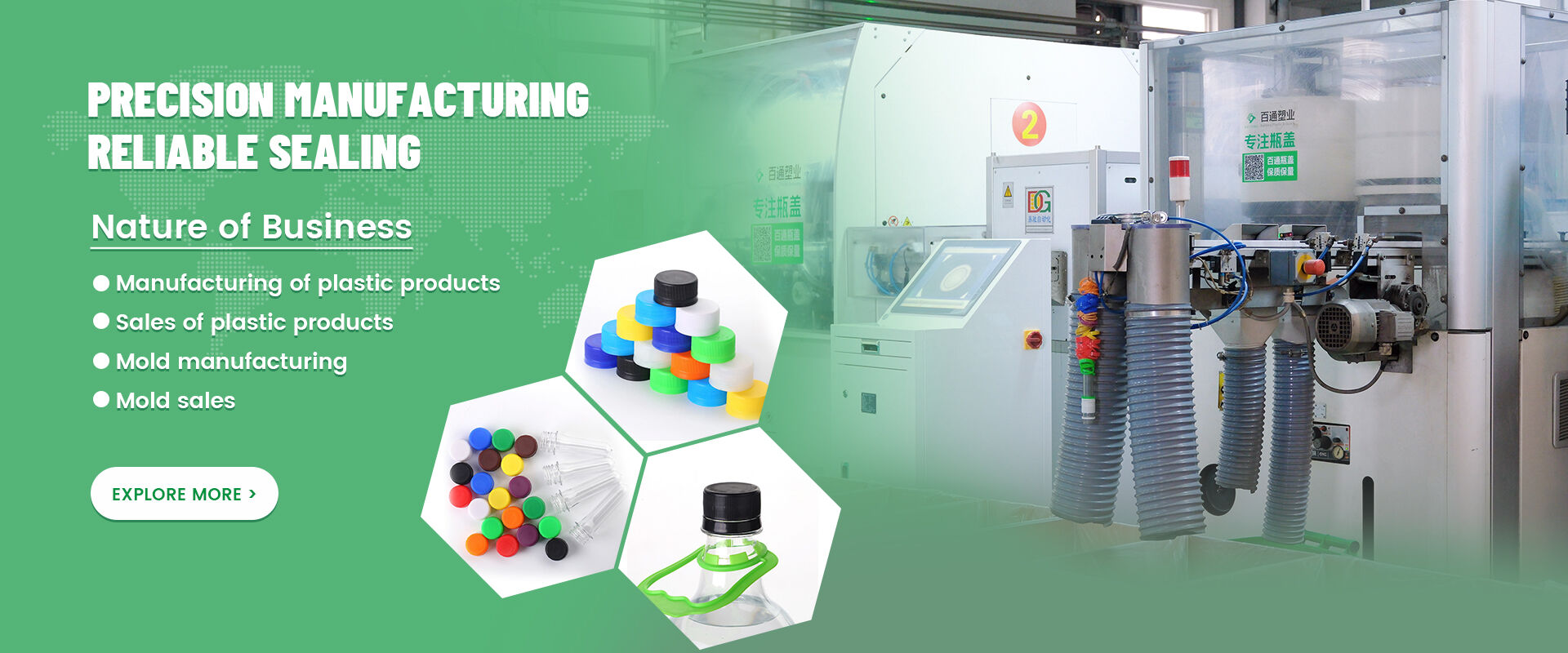
Leak prevention in liquid packaging represents one of the most critical challenges facing manufacturers across industries, from beverage production to pharmaceutical applications. The strategic implementation of precision-engineered water cap solutions directly addresses these concerns by providing superior sealing mechanisms that eliminate common failure points. Understanding the technical aspects of how advanced water cap designs prevent leaks requires examining the interplay between material science, manufacturing precision, and application-specific engineering requirements.
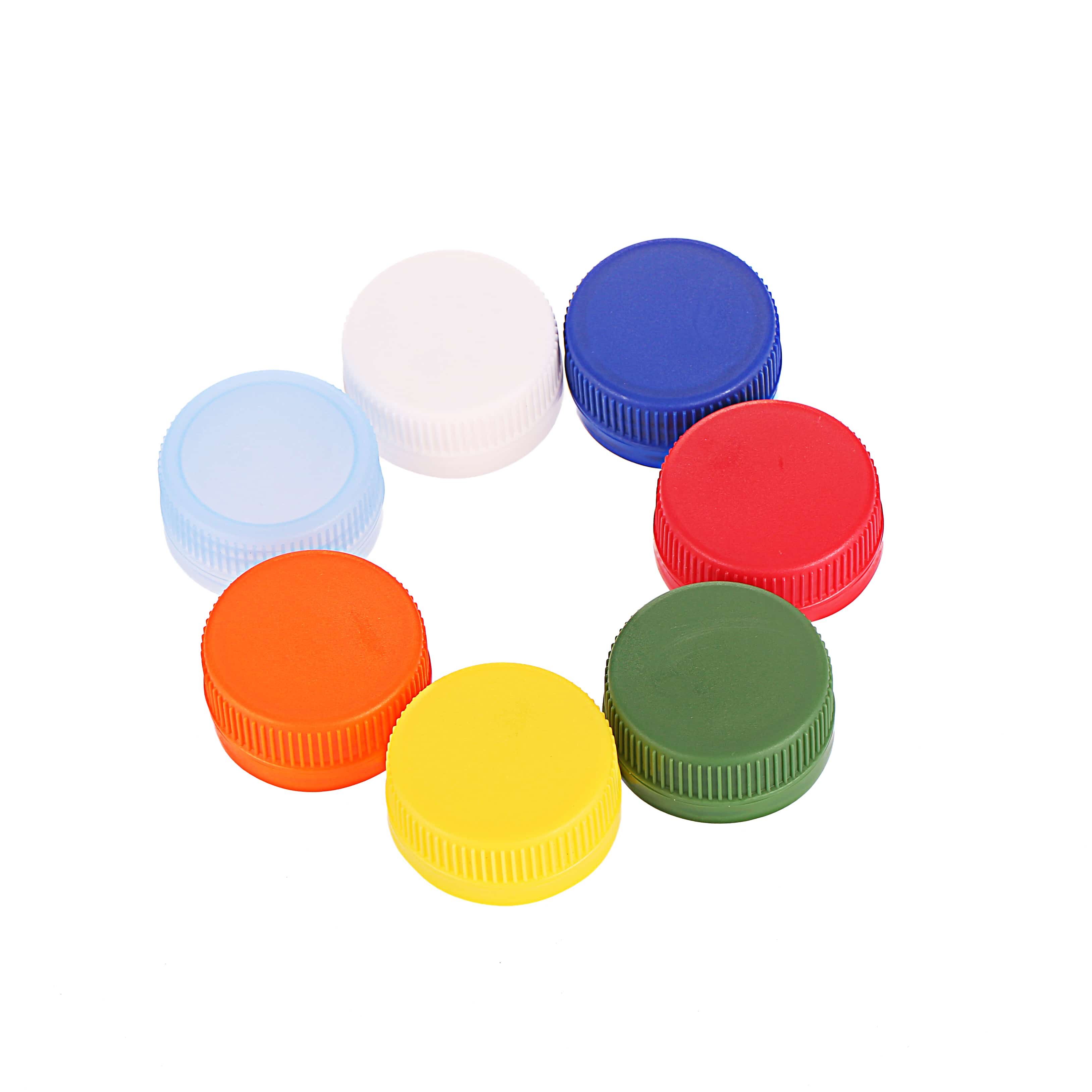
Modern leak reduction strategies center on the fundamental principle that effective sealing depends on consistent pressure distribution, material compatibility, and dimensional accuracy across the entire closure interface. Precision-engineered water cap systems achieve leak prevention through controlled manufacturing tolerances, optimized thread geometry, and advanced sealing technologies that create reliable barriers against liquid migration. The evolution of water cap technology has transformed simple closure mechanisms into sophisticated engineering solutions that address specific leak vulnerabilities while maintaining ease of use and cost-effectiveness.
Engineering Fundamentals of Leak-Proof Water Cap Design
Sealing Mechanism Principles
The effectiveness of any water cap depends on creating a continuous seal that prevents liquid passage under various pressure conditions and environmental factors. Precision-engineered water cap designs utilize multiple sealing interfaces, including thread engagement zones, gasket compression areas, and liner contact surfaces. These components work together to establish redundant leak prevention barriers that compensate for minor manufacturing variations or application inconsistencies.
Advanced water cap engineering incorporates specific thread pitch calculations, gasket durometer specifications, and closure torque requirements to optimize sealing performance. The interaction between these elements creates a predictable sealing force distribution that maintains effectiveness across temperature fluctuations, vibration exposure, and storage duration. Understanding these mechanical relationships enables manufacturers to select appropriate water cap specifications for their specific application requirements.
Material Science Considerations
The selection of appropriate materials for water cap construction directly influences leak prevention capabilities and long-term performance reliability. High-performance polymer formulations provide the flexibility needed for effective gasket compression while maintaining structural integrity under repeated opening and closing cycles. Material compatibility with different liquid formulations ensures that chemical interactions do not compromise sealing effectiveness or cause degradation over time.
Precision-engineered water cap materials undergo extensive testing for stress crack resistance, chemical compatibility, and dimensional stability to ensure consistent leak prevention performance. The integration of specialized additives and processing techniques creates water cap products that maintain sealing effectiveness across wide temperature ranges and extended storage periods. These material innovations represent significant advances in leak prevention technology compared to conventional closure solutions.
Manufacturing Precision Requirements
Achieving reliable leak prevention with water cap systems requires manufacturing processes that maintain extremely tight dimensional tolerances across all critical sealing surfaces. Precision injection molding techniques, controlled cooling cycles, and automated quality verification systems ensure that each water cap meets specified dimensional requirements for optimal sealing performance. Variations in thread geometry, gasket compression zones, or liner placement can significantly impact leak prevention effectiveness.
Advanced manufacturing facilities utilize statistical process control methods and real-time monitoring systems to maintain consistent water cap quality throughout production runs. These quality assurance measures identify potential dimensional deviations before they affect sealing performance, ensuring that precision-engineered water cap products deliver predictable leak prevention results. Investment in manufacturing precision directly translates to improved field performance and reduced customer complaints related to leakage issues.
Implementation Strategies for Optimal Leak Prevention
Application-Specific Design Selection
Different liquid packaging applications require tailored water cap designs that address specific leak prevention challenges and performance requirements. Carbonated beverage applications demand water cap systems capable of maintaining seal integrity under internal pressure while providing easy consumer opening. Pharmaceutical applications prioritize tamper evidence and chemical compatibility alongside leak prevention performance.
The selection process for precision-engineered water cap solutions involves evaluating application pressures, temperature exposure, storage duration, and handling requirements to identify optimal design parameters. Container neck specifications, liquid properties, and distribution conditions all influence the choice of appropriate water cap features and materials. Proper application analysis ensures that selected water cap systems provide reliable leak prevention throughout the product lifecycle.
Installation and Torque Optimization
Achieving optimal leak prevention with precision-engineered water cap systems requires careful attention to installation procedures and torque application methods. Proper capping equipment calibration ensures consistent closure torque that optimizes gasket compression without over-stressing thread engagement areas. Under-torqued applications may allow leak paths to develop, while excessive torque can damage sealing surfaces or make consumer opening difficult.
Implementation of automated torque monitoring systems provides real-time verification of proper water cap installation and helps identify potential equipment calibration issues before they affect leak prevention performance. Training programs for production personnel emphasize the importance of proper handling procedures and equipment maintenance to maintain consistent sealing results. Regular calibration verification and preventive maintenance schedules ensure continued leak prevention effectiveness.
Quality Verification Protocols
Effective leak prevention with water cap systems requires comprehensive quality verification procedures that validate sealing performance before product release. Pressure testing protocols simulate real-world conditions to verify that installed water cap systems maintain seal integrity under specified conditions. These testing procedures identify potential leak paths and validate the effectiveness of precision-engineered design features.
Statistical sampling plans and acceptance criteria ensure that quality verification efforts provide meaningful data about overall Water Cap performance while maintaining production efficiency. Integration of automated testing equipment enables high-volume quality verification without creating production bottlenecks. Documentation systems track testing results and provide traceability for investigating any field performance issues that may arise.
Advanced Technologies in Modern Water Cap Systems
Innovative Sealing Technologies
Modern precision-engineered water cap designs incorporate advanced sealing technologies that go beyond traditional thread-and-gasket approaches to leak prevention. Multi-layer sealing systems create redundant barriers that provide backup protection if primary sealing interfaces experience minor damage or wear. These sophisticated designs maintain leak prevention effectiveness even under challenging application conditions.
Specialized liner technologies utilize advanced polymer formulations and application techniques to create superior sealing performance with reduced closure torque requirements. These innovations improve consumer convenience while maintaining the rigorous leak prevention standards required for commercial applications. Integration of these advanced technologies in water cap designs represents significant progress in closure engineering and leak prevention capabilities.
Smart Monitoring Integration
Emerging water cap technologies incorporate smart monitoring capabilities that provide real-time feedback about sealing performance and potential leak development. Embedded sensors can detect changes in internal pressure, temperature, or other parameters that might indicate compromised leak prevention effectiveness. These monitoring systems enable proactive quality management and help prevent leak-related product losses.
Integration of smart monitoring technologies in precision-engineered water cap systems provides valuable data about field performance and helps identify optimization opportunities for future design improvements. Wireless communication capabilities enable remote monitoring of sealed containers throughout distribution and storage, providing unprecedented visibility into leak prevention performance under real-world conditions. These technological advances represent the future direction of intelligent packaging solutions.
Sustainable Design Approaches
Contemporary water cap engineering increasingly emphasizes sustainable design approaches that maintain superior leak prevention performance while reducing environmental impact. Advanced material formulations incorporate recycled content and bio-based polymers without compromising sealing effectiveness or durability. These sustainable innovations demonstrate that environmental responsibility and technical performance can coexist in precision-engineered closure solutions.
Lightweighting initiatives in water cap design reduce material usage while maintaining structural integrity and leak prevention capabilities through optimized geometry and advanced materials. These efficiency improvements lower transportation costs and environmental impact while delivering equivalent or superior performance compared to conventional designs. Sustainable water cap technologies support corporate environmental goals while meeting demanding leak prevention requirements.
Troubleshooting and Performance Optimization
Common Leak Prevention Challenges
Despite advances in precision-engineered water cap technology, certain application challenges can compromise leak prevention effectiveness if not properly addressed. Temperature fluctuations during storage and transportation can cause differential expansion between water cap components and container materials, potentially creating leak paths. Understanding these thermal effects enables proper material selection and design modifications to maintain sealing integrity.
Vibration exposure during transportation represents another common challenge that can affect water cap sealing performance over time. Repeated mechanical stress can cause gradual loosening of threaded connections or fatigue damage to sealing surfaces. Precision-engineered water cap designs incorporate features that resist vibration-induced loosening and maintain seal integrity throughout distribution cycles.
Performance Monitoring Methods
Effective performance monitoring of water cap leak prevention requires systematic approaches that identify potential issues before they result in product losses. Visual inspection protocols train personnel to recognize signs of improper installation, component damage, or other factors that might compromise sealing effectiveness. Regular sampling and testing procedures verify that water cap systems continue to meet leak prevention specifications over time.
Statistical analysis of leak prevention data helps identify trends and patterns that may indicate emerging quality issues or opportunities for process improvement. Correlation analysis between installation parameters, environmental conditions, and field performance provides insights that guide optimization efforts. These analytical approaches enable continuous improvement in water cap leak prevention effectiveness.
Continuous Improvement Strategies
Optimization of water cap leak prevention performance requires ongoing evaluation of design parameters, material selections, and application procedures. Feedback from field performance data guides iterative improvements in precision-engineered water cap designs. Collaboration between suppliers, equipment manufacturers, and end users ensures that optimization efforts address real-world application requirements and challenges.
Implementation of lean manufacturing principles and continuous improvement methodologies in water cap production processes reduces variability and enhances consistent leak prevention performance. Regular review of quality metrics, customer feedback, and competitive developments identifies opportunities for advancing water cap technology and maintaining market leadership in leak prevention solutions.
FAQ
What makes precision-engineered water caps more effective at preventing leaks than standard closures?
Precision-engineered water caps utilize advanced manufacturing tolerances, optimized thread geometry, and specialized sealing technologies that create more reliable barriers against liquid migration. These caps incorporate multiple sealing interfaces, high-performance materials, and controlled manufacturing processes that eliminate common failure points found in standard closures. The combination of engineering precision and material science advances results in significantly improved leak prevention performance under various application conditions.
How do I determine the correct torque specifications for optimal water cap sealing?
Optimal torque specifications for water cap installations depend on container material, thread design, gasket properties, and application requirements. Manufacturer specifications provide baseline torque ranges, but optimal settings should be validated through pressure testing under actual application conditions. Automated torque monitoring systems help maintain consistent application forces, while regular calibration verification ensures equipment accuracy. Proper torque optimization balances sealing effectiveness with consumer convenience and thread durability.
Can precision-engineered water caps maintain leak prevention effectiveness across different temperature conditions?
Modern precision-engineered water caps are designed to maintain sealing effectiveness across wide temperature ranges through careful material selection and thermal expansion compensation. Advanced polymer formulations provide flexibility needed for effective sealing while maintaining structural integrity during temperature fluctuations. Design features account for differential expansion between cap and container materials to prevent leak path development. Temperature-specific testing validates performance under expected storage and distribution conditions.
What quality verification procedures should be implemented to ensure consistent water cap leak prevention?
Comprehensive quality verification for water cap leak prevention includes pressure testing protocols, visual inspection procedures, and statistical sampling plans that validate sealing performance before product release. Automated testing equipment enables efficient high-volume verification, while documentation systems provide traceability for investigating field performance issues. Regular equipment calibration, personnel training, and correlation analysis between test results and field performance ensure that verification procedures effectively predict real-world leak prevention effectiveness.
Table of Contents
- Engineering Fundamentals of Leak-Proof Water Cap Design
- Implementation Strategies for Optimal Leak Prevention
- Advanced Technologies in Modern Water Cap Systems
- Troubleshooting and Performance Optimization
-
FAQ
- What makes precision-engineered water caps more effective at preventing leaks than standard closures?
- How do I determine the correct torque specifications for optimal water cap sealing?
- Can precision-engineered water caps maintain leak prevention effectiveness across different temperature conditions?
- What quality verification procedures should be implemented to ensure consistent water cap leak prevention?