
 EN
EN



Understanding bottle cap sizes is essential for manufacturers, bottlers, and packaging professionals who need to ensure proper sealing, functionality, and compatibility across their product lines. The diameter measurements of bottle caps, particularly 28mm, 30mm, and 38mm variants, represent standardized specifications that determine which caps fit specific bottle neck finishes. These measurements directly impact product integrity, consumer experience, and production efficiency in beverage, pharmaceutical, and consumer goods industries.
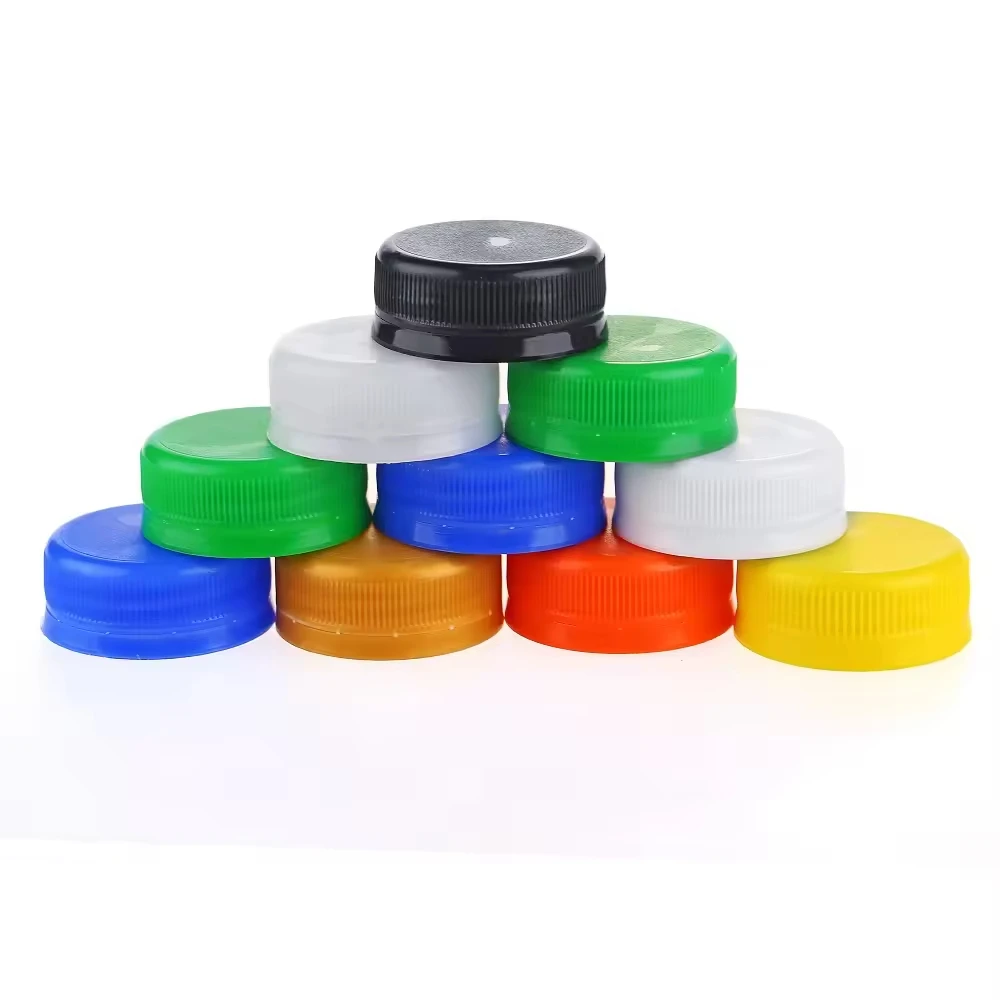
The world of bottle cap sizing follows precise engineering standards that have evolved over decades of packaging innovation. Each bottle cap size corresponds to specific bottle neck finishes, thread patterns, and application requirements. Whether you're dealing with water bottles, carbonated beverages, pharmaceutical containers, or specialty products, understanding these size distinctions helps optimize packaging decisions, reduce compatibility issues, and ensure reliable product performance throughout the supply chain.
Standard Bottle Cap Size Classifications
28mm Bottle Cap Applications
The 28mm bottle cap represents one of the most common sizes in the packaging industry, particularly for water bottles, juice containers, and pharmaceutical applications. This size typically corresponds to PCO 1881 neck finish specifications, which define the thread pattern, height, and diameter requirements for proper cap-to-bottle compatibility. The 28mm measurement refers to the outer diameter of the cap when measured across its widest point.
Industries that frequently utilize 28mm bottle cap sizes include bottled water companies, juice manufacturers, and pharmaceutical packaging operations. The relatively smaller diameter makes these caps ideal for single-serving beverages and products requiring precise portion control. The thread engagement on 28mm caps typically provides excellent sealing performance while allowing easy opening and closing by consumers of all ages.
Manufacturing considerations for 28mm bottle cap production include material selection, thread precision, and sealing liner compatibility. These caps often incorporate tamper-evident features, child-resistant mechanisms, or specialized liners depending on the intended application. The standardized dimensions ensure compatibility across different production facilities and enable efficient supply chain management.
30mm Bottle Cap Specifications
The 30mm bottle cap size serves as a middle ground between smaller 28mm variants and larger 38mm options, offering versatility across multiple product categories. This size commonly appears in sports drink bottles, specialty beverages, and medium-capacity containers where a balance between ease of use and secure sealing is required. The 30mm specification typically aligns with specific neck finish standards that accommodate moderate flow rates and comfortable grip characteristics.
Applications for 30mm bottle cap sizes span across energy drinks, enhanced water products, and certain pharmaceutical formulations. The slightly larger diameter compared to 28mm caps allows for improved grip during opening and closing operations, making these caps particularly suitable for active lifestyle products. The thread design on 30mm caps often incorporates features that prevent cross-threading while maintaining secure closure.
Quality considerations for 30mm bottle cap manufacturing include thread tolerance control, sealing performance validation, and compatibility testing with various liner materials. These caps frequently incorporate advanced sealing technologies to maintain product freshness and prevent contamination, especially in products with extended shelf life requirements.
38mm Bottle Cap Features
The 38mm bottle cap represents the larger end of standard sizing options, commonly used for wide-mouth containers, sports bottles, and applications requiring easy pouring or filling access. This size typically corresponds to specialized neck finish specifications designed to accommodate higher flow rates and improved accessibility. The bottle cap diameter enables comfortable handling and enhanced user experience across diverse applications.
Industries utilizing 38mm bottle cap sizes include sports nutrition companies, wide-mouth beverage manufacturers, and specialty container applications where accessibility takes priority over space efficiency. The larger opening diameter facilitates easier cleaning, filling, and pouring operations, making these caps ideal for reusable containers and products requiring frequent access.
Design elements specific to 38mm bottle cap construction include reinforced threading to handle increased torque requirements, enhanced sealing mechanisms to maintain closure integrity, and ergonomic features that improve user interaction. These caps often incorporate textured surfaces, color coding, or specialized grips to enhance functionality and brand differentiation.
Technical Specifications and Measurement Standards
Industry Measurement Protocols
Bottle cap sizing follows internationally recognized measurement standards that ensure consistency across manufacturers and applications. The diameter measurements for bottle caps are typically taken at the widest point of the cap's outer edge, using precision calipers or automated measurement systems. These measurements must fall within specific tolerance ranges to ensure proper fit and function with corresponding bottle neck finishes.
Professional measurement protocols for bottle cap sizing involve controlled environmental conditions, calibrated equipment, and standardized testing procedures. Temperature and humidity can affect material dimensions, so measurements are typically conducted under specified conditions to maintain accuracy and repeatability. Quality control systems in bottle cap manufacturing facilities rely on these precise measurements to maintain product consistency.
Tolerance specifications for bottle cap dimensions vary depending on the application and material properties. Rigid caps may have tighter tolerances compared to flexible caps that can accommodate slight variations through material deformation. Understanding these measurement standards helps packaging professionals make informed decisions about cap selection and compatibility requirements.
Thread Pattern Classifications
The thread patterns on bottle caps work in conjunction with size specifications to ensure proper sealing and functionality. Different bottle cap sizes often utilize distinct thread configurations optimized for their specific diameter and application requirements. Thread pitch, depth, and profile shapes vary according to the intended use and closure performance requirements.
Common thread classifications include continuous thread, interrupted thread, and specialized patterns designed for specific industries or applications. The 28mm bottle cap typically uses fine-pitch threading for secure engagement, while 38mm caps may utilize coarser threads to facilitate easier opening and closing operations. Thread design directly impacts the torque requirements for proper closure and the ease of consumer interaction.
Manufacturing precision in thread formation affects both the functional performance and the aesthetic appearance of bottle cap products. Consistent thread geometry ensures reliable sealing performance, prevents cross-threading issues, and maintains the expected feel during cap installation and removal. Advanced manufacturing techniques enable the production of complex thread patterns that optimize both function and user experience.
Material Considerations Across Different Sizes
Plastic Material Selection
The choice of plastic materials for bottle cap manufacturing varies according to size requirements, application demands, and performance specifications. Smaller caps like the 28mm size often utilize materials optimized for precision molding and tight tolerance control, while larger 38mm caps may employ materials selected for durability and enhanced grip characteristics. Common plastic materials include polyethylene, polypropylene, and specialized compounds designed for specific applications.
Material properties such as flexibility, chemical resistance, and temperature stability influence bottle cap performance across different sizes. The wall thickness and material distribution in bottle cap designs must account for the structural requirements of each size category. Larger caps require more material and may incorporate reinforcement features to maintain structural integrity under normal use conditions.
Environmental considerations in bottle cap material selection include recyclability, biodegradability, and compliance with food contact regulations. Different sizes may require varying material specifications to meet safety standards while maintaining functional performance. The trend toward sustainable packaging has influenced material choices across all bottle cap size categories, driving innovation in bio-based and recycled content materials.
Sealing and Liner Technologies
Sealing performance requirements vary across different bottle cap sizes, influencing the selection and design of liner systems and sealing mechanisms. Smaller caps typically require more precise liner placement and compression characteristics, while larger caps may accommodate multiple sealing approaches or enhanced barrier properties. The relationship between cap size and sealing performance affects product shelf life, flavor retention, and contamination prevention.
Liner materials and configurations must match the specific requirements of each bottle cap size and application. Options include foam liners, induction sealing systems, pressure-sensitive adhesive liners, and specialty barrier materials. The choice of sealing technology impacts both the manufacturing process and the end-user experience, including opening force requirements and tamper evidence features.
Quality testing for sealing performance involves standardized procedures that evaluate leak resistance, barrier properties, and long-term performance under various storage conditions. Different bottle cap sizes may require different testing protocols to account for their unique sealing mechanisms and application requirements. Consistent sealing performance across size variations ensures reliable product protection and consumer satisfaction.
Manufacturing and Quality Control Processes
Production Techniques for Different Sizes
Manufacturing processes for bottle caps must accommodate the specific requirements of each size category, from tooling design to quality control procedures. Injection molding parameters, including temperature, pressure, and cycle time, require optimization for each bottle cap size to ensure consistent quality and dimensional accuracy. The complexity of tooling increases with cap size due to material flow considerations and cooling requirements.
Production efficiency considerations vary across bottle cap sizes, with smaller caps typically allowing higher production rates per molding cycle compared to larger caps that require more material and longer cooling times. Manufacturing facilities often specialize in specific size ranges to optimize equipment utilization and maintain quality standards. Changeover procedures between different sizes require careful attention to prevent cross-contamination and ensure proper setup.
Advanced manufacturing techniques such as multi-cavity molding, automated inspection systems, and real-time quality monitoring enable efficient production of bottle caps across all size categories. The integration of these technologies helps maintain consistent quality while reducing production costs and minimizing waste generation throughout the manufacturing process.
Quality Assurance Standards
Quality control procedures for bottle cap manufacturing must address the specific requirements and potential failure modes associated with each size category. Dimensional inspection protocols verify that caps meet size specifications and tolerance requirements, while functional testing evaluates sealing performance, opening torque, and durability characteristics. These quality measures ensure that bottle caps perform reliably throughout their intended service life.
Testing methodologies for bottle cap quality assessment include automated measurement systems, leak detection equipment, and performance simulation testing. Statistical process control techniques help identify trends and variations in production that could affect quality outcomes. Regular calibration of measurement equipment and validation of testing procedures maintain the accuracy and reliability of quality control systems.
Compliance with industry standards and regulatory requirements varies according to the intended application of different bottle cap sizes. Food and beverage applications require adherence to food contact regulations, while pharmaceutical applications demand compliance with more stringent safety and quality standards. Understanding these requirements helps manufacturers maintain appropriate quality systems for their specific market segments.
FAQ
What determines the compatibility between bottle caps and bottle necks?
Bottle cap compatibility depends on matching the cap's internal thread pattern and diameter with the bottle neck's external specifications. The neck finish, which includes thread pitch, diameter, and height, must align precisely with the cap's internal dimensions. Standard specifications like PCO 1881 for 28mm caps ensure compatibility across different manufacturers, while custom applications may require specific matching between cap and bottle designs.
How do I measure bottle cap size accurately?
Bottle cap size is measured across the outer diameter at the cap's widest point using precision calipers or measurement tools. The measurement should be taken perpendicular to the cap's central axis for accuracy. Professional measurements are conducted under controlled temperature conditions since materials can expand or contract with temperature changes, affecting the precision of measurements.
Can different sized bottle caps be used interchangeably?
Different sized bottle caps cannot be used interchangeably due to specific thread patterns and diameter requirements designed for particular bottle neck finishes. Using an incorrect cap size can result in poor sealing, leakage, or inability to properly secure the closure. Each bottle cap size is engineered for specific bottle neck specifications and should only be used with compatible containers to ensure proper function and safety.
What factors should I consider when selecting bottle cap sizes for my product?
When selecting bottle cap sizes, consider the intended application, target consumer demographics, product characteristics, and packaging requirements. Smaller caps like 28mm are suitable for single-serve beverages and precise dispensing, while larger 38mm caps work better for wide-mouth containers and products requiring easy access. Additional factors include sealing requirements, opening torque preferences, aesthetic considerations, and compatibility with existing bottle inventory or production equipment.