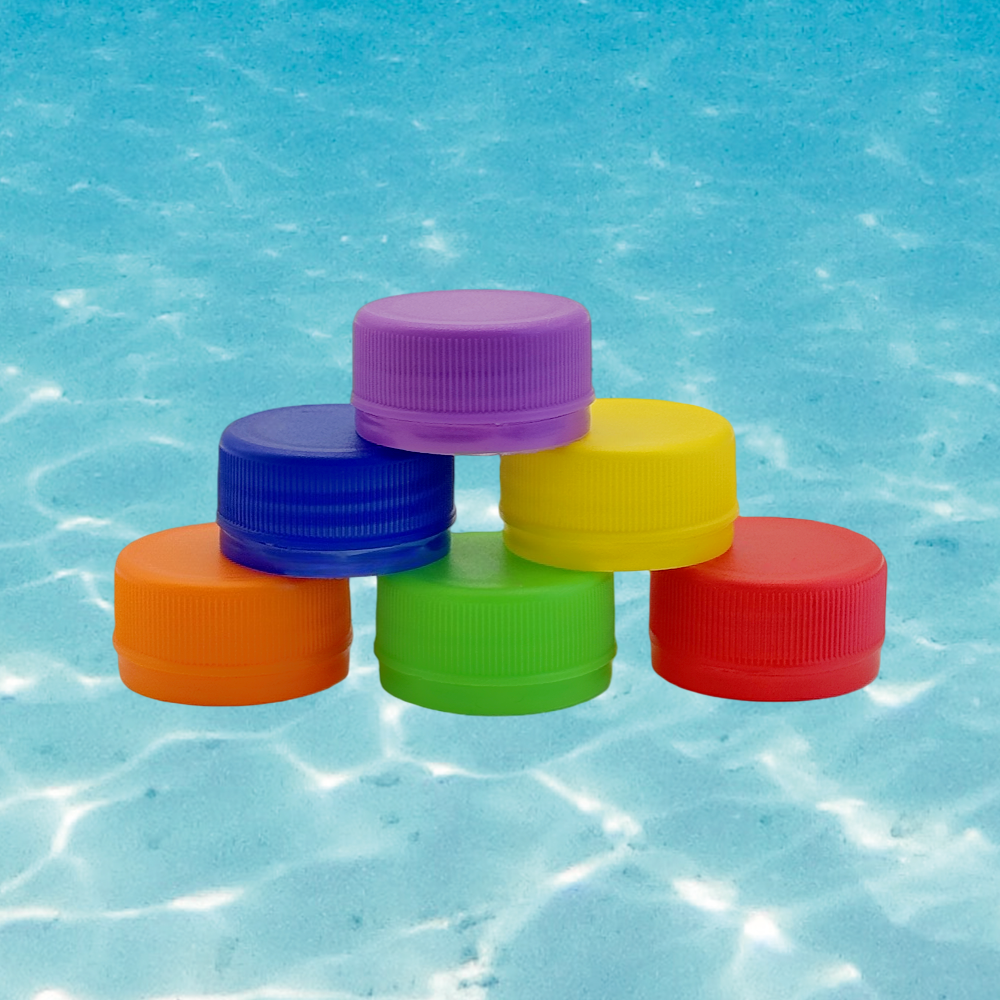
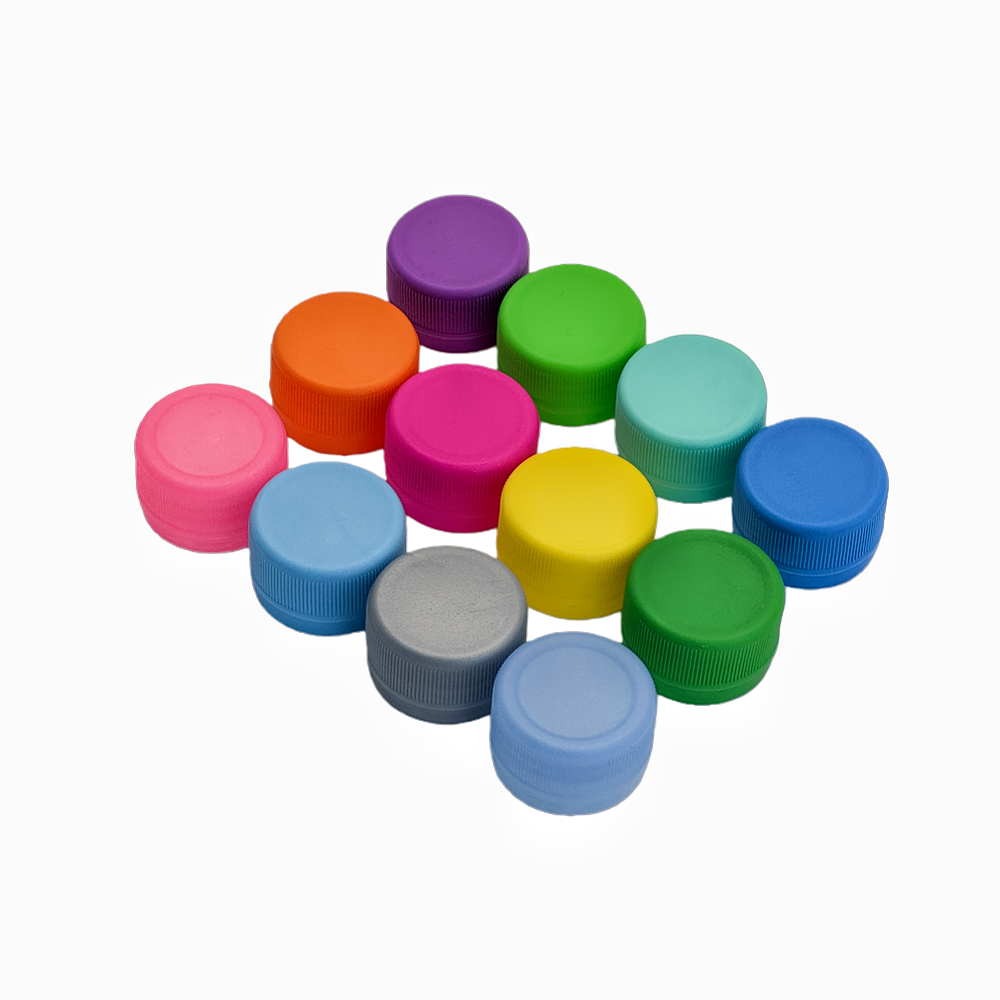
When selecting mineral water packaging, the water cap plays a crucial role in maintaining product quality and consumer satisfaction. High-quality plastic water caps serve as the final barrier protecting the purity and freshness of mineral water from external contaminants. Understanding the essential features that distinguish premium water cap designs helps manufacturers make informed decisions that impact both product integrity and brand reputation.

The mineral water industry demands water cap solutions that combine functional excellence with cost-effective production capabilities. Quality water cap features directly influence consumer experience, product shelf life, and regulatory compliance across different markets. Examining the top five characteristics of superior plastic water caps reveals why these components deserve careful consideration in beverage packaging strategies.
Superior Seal Integrity and Leak Prevention
Multi-Layer Sealing Technology
Premium water cap designs incorporate advanced sealing mechanisms that create multiple barriers against leakage and contamination. The primary seal typically consists of a specialized liner material that forms an airtight bond with the bottle neck threads. This liner material must maintain flexibility across temperature variations while providing consistent sealing pressure throughout the product lifecycle.
Quality water cap manufacturers utilize injection molding techniques that ensure uniform liner distribution and optimal thickness control. The sealing interface between the water cap and bottle neck creates a mechanical barrier that prevents oxygen ingress and maintains carbonation levels in sparkling mineral water products. Advanced sealing systems also incorporate tamper-evident features that provide visual confirmation of package integrity.
The effectiveness of water cap sealing depends on precise thread geometry and surface finish quality. Premium caps feature smooth thread surfaces with consistent pitch and depth measurements that ensure proper engagement with bottle necks. This mechanical precision prevents cross-threading during application and maintains seal integrity under various storage and transportation conditions.
Pressure Resistance Characteristics
High-quality water cap designs must withstand internal pressure variations caused by temperature changes and altitude differences during distribution. The cap structure includes reinforcement features that prevent deformation under pressure while maintaining easy opening characteristics for consumers. Pressure resistance testing ensures that water caps perform reliably across different environmental conditions without compromising seal integrity.
The material composition of premium water caps includes additives that enhance pressure resistance without increasing brittleness. These formulations maintain structural integrity under stress while preserving the flexibility needed for proper sealing performance. Quality water cap designs also incorporate venting features that release excess pressure safely without allowing contamination entry.
Food-Grade Material Safety and Compliance
Regulatory Certification Standards
Premium water cap manufacturing requires strict adherence to food contact material regulations established by agencies such as the FDA, EU Commission, and other international authorities. These regulations specify acceptable polymer types, additive limits, and migration testing requirements that ensure consumer safety. Quality water cap suppliers maintain comprehensive certification documentation that demonstrates compliance with applicable food safety standards.
The certification process for water cap materials includes extensive testing protocols that evaluate chemical migration potential under various storage conditions. These tests simulate real-world scenarios including elevated temperatures, extended contact times, and different pH environments that may occur during mineral water storage and distribution. Certified water cap materials demonstrate minimal migration levels well below regulatory limits.
Traceability systems in premium water cap production ensure that all raw materials meet food-grade specifications throughout the supply chain. Quality manufacturers implement batch tracking systems that maintain records of material certifications, processing parameters, and quality control test results for each production run. This documentation supports regulatory compliance and enables rapid response to any quality concerns.
Chemical Resistance Properties
Quality water cap materials exhibit excellent resistance to chemical interaction with mineral water components and potential contaminants. The polymer matrix must remain stable when exposed to various minerals, pH levels, and trace compounds commonly found in natural mineral water sources. Chemical resistance testing evaluates material performance under accelerated aging conditions that simulate long-term storage effects.
Premium water cap formulations incorporate stabilization additives that prevent degradation from UV exposure, oxidation, and thermal stress. These additives maintain material integrity throughout the expected shelf life while avoiding any potential flavor or odor transfer to the mineral water product. Advanced formulations also resist interaction with cleaning and sanitization chemicals used in bottling operations.
Ergonomic Design and Consumer Convenience
Easy-Open Mechanism Features
Modern water cap designs prioritize consumer convenience through ergonomic features that facilitate easy opening across different age groups and physical abilities. Quality caps incorporate textured gripping surfaces that provide secure finger placement even when wet or cold. The torque requirements for opening are optimized to balance tamper resistance with accessibility for elderly consumers and children.
Premium water cap designs feature consistent opening torque throughout the product lifecycle, preventing caps from becoming too tight or too loose during storage. Advanced thread geometries minimize the effort required for initial engagement while maintaining secure closure performance. Quality control testing ensures that opening torque remains within specified ranges across production batches and storage conditions.
Innovative water cap designs may incorporate features such as non-slip gripping surfaces, raised texture patterns, or ergonomic profiles that enhance user experience. These design elements improve accessibility for consumers with limited dexterity while maintaining the professional appearance expected in premium mineral water products. User testing validates the effectiveness of ergonomic features across diverse consumer demographics.
Tamper Evidence and Security
Quality water cap designs incorporate tamper-evident features that provide clear visual indication of package integrity to consumers and retailers. These security elements may include breakable bands, perforated rings, or other mechanisms that show irreversible evidence of cap removal. Tamper-evident features must balance security effectiveness with ease of initial opening for legitimate consumers.
The design and manufacturing of tamper-evident water cap features require precise control over material properties and molding parameters. Quality manufacturers ensure that security elements function consistently across production volumes while maintaining cost-effective manufacturing processes. Testing protocols verify that tamper-evident features activate reliably under normal opening conditions without false activation during handling and distribution.
Manufacturing Precision and Dimensional Accuracy
Thread Specification Control
Premium water cap manufacturing maintains tight tolerances on thread dimensions to ensure consistent fit and seal performance across bottle variations. Thread pitch, depth, and profile geometry must conform to industry standards while accommodating normal manufacturing variations in bottle neck dimensions. Precision molding techniques produce water caps with uniform thread characteristics that eliminate fitment issues during high-speed bottling operations.
Quality control systems monitor thread dimensions throughout production using automated measurement equipment that detects variations before they affect product performance. Statistical process control techniques identify trends in dimensional measurements that may indicate tool wear or process drift. Preventive maintenance schedules ensure that molding equipment maintains the precision required for quality water cap production.
Advanced water cap manufacturing utilizes multi-cavity molds with individual cavity monitoring to maintain dimensional consistency across all production positions. Each cavity undergoes regular inspection and maintenance to prevent variations that could affect thread quality or sealing performance. Quality manufacturers implement cavity-to-cavity tracking systems that identify and address dimensional variations quickly.
Surface Finish Quality Standards
The surface finish of premium water caps affects both functional performance and aesthetic appearance. Smooth thread surfaces reduce friction during cap application and removal while preventing seal damage that could compromise package integrity. Quality manufacturing processes control surface roughness parameters to optimize both sealing effectiveness and consumer experience during cap operation.
Surface finish specifications for water caps include requirements for visual appearance, tactile properties, and functional performance characteristics. Quality control testing evaluates surface parameters using standardized measurement techniques that ensure consistency across production batches. Surface treatment processes may include polishing, texturing, or coating applications that enhance specific performance aspects.
Durability and Environmental Performance
Temperature Stability Characteristics
Quality water cap materials maintain dimensional stability and sealing performance across the temperature ranges encountered during storage, transportation, and consumer use. Temperature cycling tests evaluate cap performance under conditions ranging from refrigerated storage to elevated warehouse temperatures. Premium water cap formulations resist thermal expansion and contraction that could affect seal integrity or opening torque.
Low-temperature performance of water caps becomes critical for refrigerated mineral water products where brittleness could cause cracking or seal failure. Quality materials maintain flexibility and impact resistance at refrigeration temperatures while preserving easy-opening characteristics. High-temperature stability ensures that water caps retain their shape and sealing properties during exposure to shipping containers or warm storage environments.
Thermal stress testing protocols simulate real-world temperature variations that water caps experience throughout the distribution chain. These tests identify potential failure modes and validate material selection for specific application requirements. Quality water cap designs incorporate thermal expansion joints or flexible elements that accommodate temperature-related dimensional changes without compromising performance.
UV Resistance and Color Stability
Premium water cap materials incorporate UV stabilization additives that prevent degradation from sunlight exposure during storage and display. UV resistance testing evaluates color stability, mechanical property retention, and surface integrity under accelerated weathering conditions. Quality water caps maintain their appearance and performance characteristics throughout typical shelf life periods even under bright retail lighting conditions.
Color stability requirements for water caps ensure that brand colors remain consistent throughout the product lifecycle. Premium colorants and stabilization systems prevent fading, chalking, or color shifts that could affect brand recognition or consumer perception. Quality control testing monitors color parameters using standardized measurement equipment that detects variations before they become visible to consumers.
FAQ
What materials are used in high-quality water caps for mineral water bottles?
High-quality water caps are typically manufactured from food-grade polyethylene (PE) or polypropylene (PP) materials that meet strict regulatory requirements for food contact applications. These materials undergo extensive testing to ensure they do not impart taste, odor, or harmful substances to the mineral water. Premium water cap formulations include UV stabilizers, colorants, and processing aids that are specifically approved for food packaging use.
How do manufacturers ensure water cap quality during production?
Quality water cap manufacturers implement comprehensive quality control systems that monitor critical parameters throughout the production process. These systems include automated dimensional inspection, seal testing equipment, and statistical process control techniques that detect variations before they affect product performance. Regular testing protocols evaluate torque requirements, leak resistance, and material properties to ensure consistent quality across production batches.
What factors determine the shelf life of plastic water caps?
The shelf life of plastic water caps depends on material formulation, storage conditions, and environmental exposure factors. Premium water cap materials maintain their properties for several years when stored under appropriate conditions away from extreme temperatures, direct sunlight, and chemical contamination. Accelerated aging tests conducted by manufacturers establish shelf life recommendations based on retention of critical performance characteristics such as sealing effectiveness and opening torque.
How do water cap designs prevent contamination of mineral water products?
Water cap designs incorporate multiple contamination prevention features including tamper-evident seals, liner materials that create airtight barriers, and thread geometries that prevent contaminant ingress. The sealing system creates both mechanical and chemical barriers that protect mineral water from airborne contaminants, moisture, and external odors. Quality water caps also resist microbial growth through material selection and surface treatments that minimize contamination risks during storage and handling.