
 EN
EN


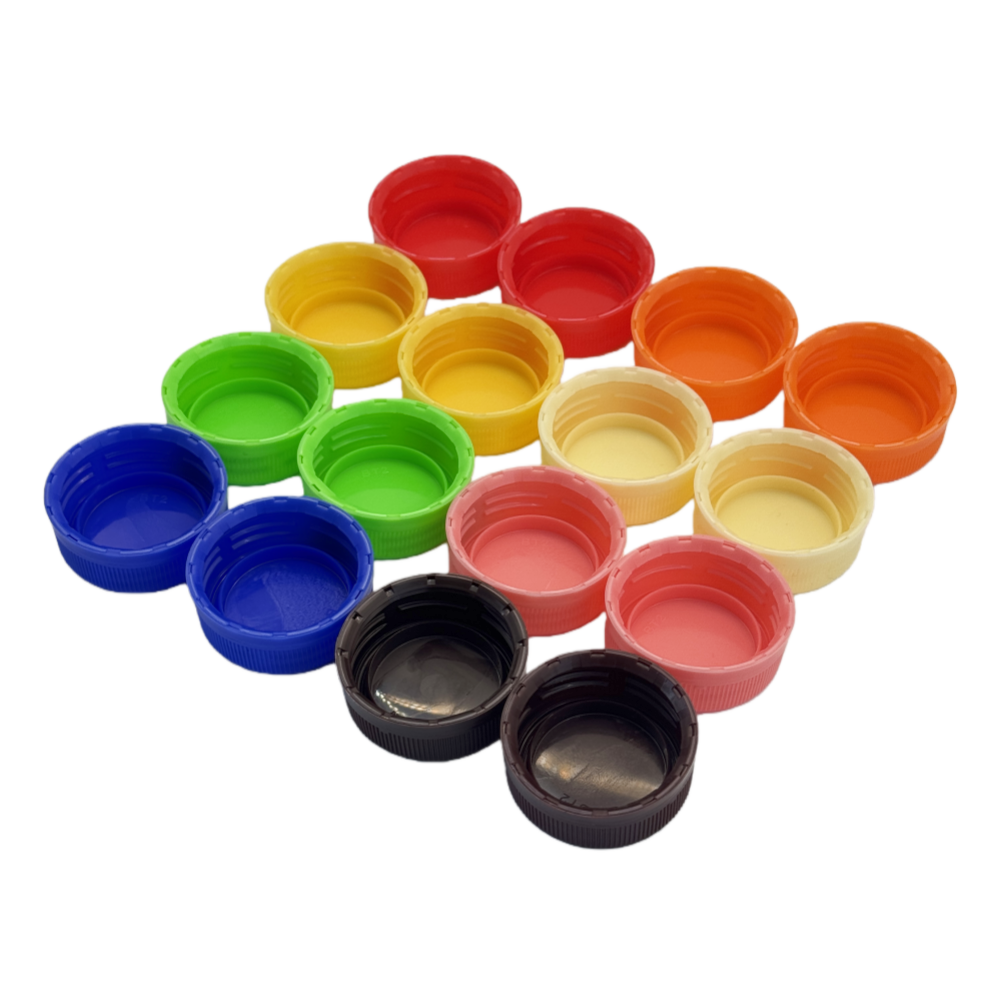
The PP Cap remains one of the most critical components in the beverage, pharmaceutical, and chemical packaging industries today. As businesses scale production globally, sourcing reliable wholesale PP Cap solutions from established manufacturers becomes essential to maintaining quality consistency, cost efficiency, and supply chain reliability. A wholesale PP Cap manufacturer in China provides high-volume production capabilities, competitive pricing, and proven expertise in delivering closures that meet international quality standards and regulatory requirements.
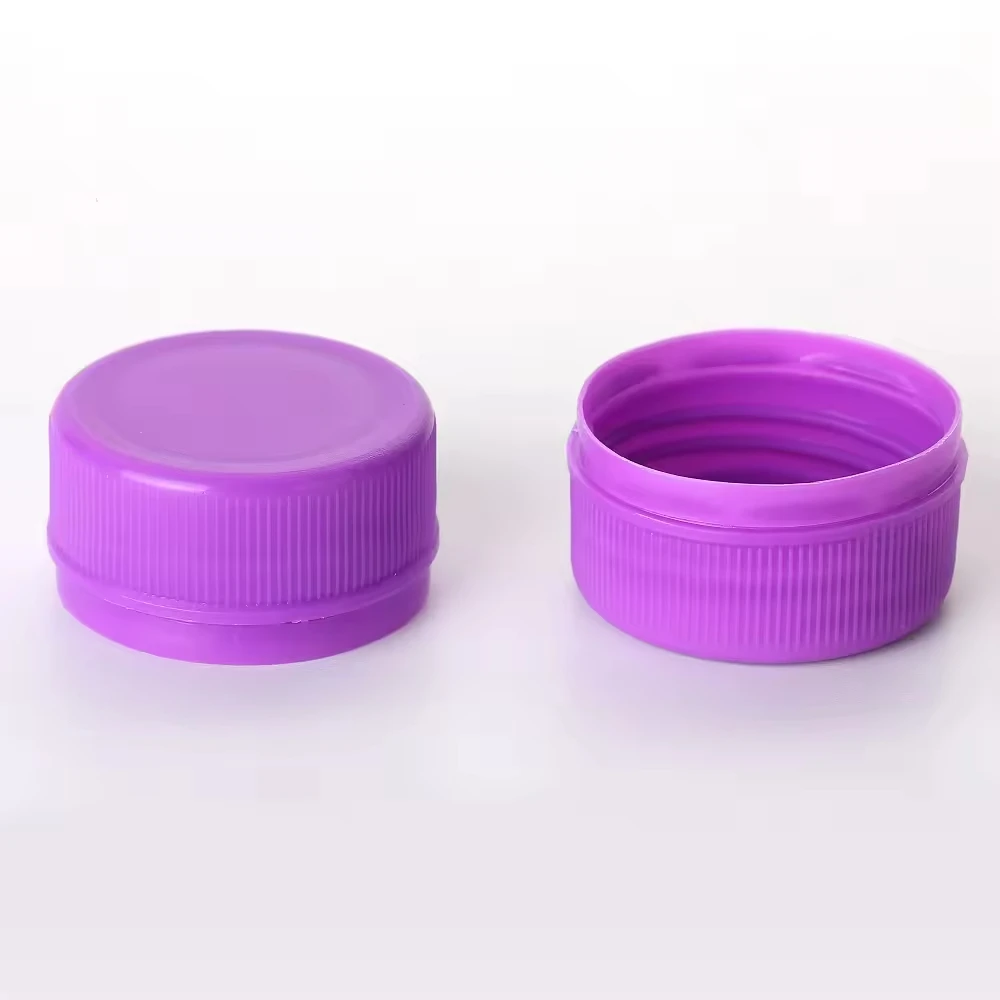
Selecting the right wholesale PP Cap supplier directly impacts your production efficiency, product safety, and market competitiveness. Chinese manufacturers have invested heavily in advanced injection molding equipment, quality control systems, and supply chain infrastructure that enable them to deliver millions of PP Cap units annually while maintaining strict adherence to industry standards such as FDA approval, ISO certification, and tamper-evident specifications. Understanding what distinguishes quality PP Cap manufacturers from average suppliers helps buyers make informed decisions that protect their brand reputation and customer satisfaction.
Understanding PP Cap Manufacturing Standards
Core Material Properties and Specifications
A PP Cap is manufactured from polypropylene, a thermoplastic polymer chosen for its chemical resistance, durability, and cost-effectiveness across diverse applications. The PP Cap production process involves precise temperature control, mold design optimization, and material consistency to ensure each closure performs reliably under storage and transport conditions. Quality PP Cap manufacturers test material specifications including tensile strength, density, and impact resistance to guarantee that closures function properly under pressure variations and temperature fluctuations. The molecular structure of the polypropylene used in each PP Cap directly affects seal integrity, thread performance, and long-term product shelf stability.
Regulatory Compliance and Quality Certifications
Leading wholesale PP Cap producers maintain rigorous certification frameworks that demonstrate compliance with global food safety and pharmaceutical regulations. Each PP Cap batch undergoes testing for heavy metals, migration limits, and contamination to satisfy FDA requirements, European Union directives, and other international standards. Manufacturers implement statistical process control, traceability systems, and full documentation protocols that enable buyers to verify PP Cap quality throughout the supply chain. Certification marks such as ISO 9001, ISO 14001, and FDA approval on every PP Cap unit provide assurance that the manufacturer maintains world-class quality systems and continuous improvement practices.
Advantages of Sourcing Wholesale PP Cap Solutions
Cost Efficiency and Production Scalability
Wholesale PP Cap manufacturers achieve significant cost advantages through high-volume production runs, optimized supply chain logistics, and access to raw materials at competitive regional prices. When purchasing PP Cap units in large quantities, buyers benefit from economies of scale that reduce per-unit costs while maintaining consistent quality across thousands of closures. The PP Cap production capacity of established Chinese manufacturers ranges from hundreds of thousands to millions of units monthly, enabling businesses to scale operations without facing supply bottlenecks or quality variability. Investment in automated injection molding systems allows manufacturers to produce each PP Cap rapidly while minimizing waste and reducing labor-intensive manual processes.
Customization and Design Flexibility
Modern wholesale PP Cap suppliers offer extensive customization options that allow brands to differentiate their products in competitive markets. Custom PP Cap designs can incorporate company logos, color variations, size specifications, and functional features such as dropper assemblies or child-resistant mechanisms. Manufacturers maintain design engineering expertise to optimize PP Cap aesthetics, ergonomics, and performance characteristics while meeting production timelines and cost targets. Whether requiring a standard 28mm PP Cap or a specialized closure format, experienced manufacturers can adjust molds, material compositions, and production parameters to deliver a PP Cap solution that precisely matches brand requirements and end-use applications.
Selecting a Reliable Wholesale PP Cap Supplier
Evaluating Manufacturing Infrastructure and Capability
Assessing a wholesale PP Cap manufacturer's technical infrastructure reveals their capacity to consistently deliver quality products at required volumes. Facilities equipped with modern injection molding machines, automated inspection systems, and environmental controls produce each PP Cap with minimal defects and maximum precision. A capable PP Cap manufacturer maintains redundant production lines and backup equipment to ensure supply continuity even during maintenance periods or unexpected disruptions. Transparent communication regarding PP Cap production timelines, quality metrics, and capacity availability helps buyers establish realistic expectations and build long-term partnerships with reliable partners.
Quality Control and Testing Protocols
Superior wholesale PP Cap providers implement multi-stage quality inspection processes that detect defects before products ship to customers. Each PP Cap undergoes visual examination for color consistency, dimensional accuracy, and surface quality, while statistical sampling verifies thread performance, seal effectiveness, and structural integrity. Advanced PP Cap manufacturers employ third-party testing laboratories and maintain traceability records that document material sources, production dates, and quality results for every batch. Access to detailed testing reports and quality documentation ensures buyers can confidently integrate PP Cap units into their manufacturing processes while maintaining compliance with their own quality assurance requirements.
FAQ
What makes a PP Cap suitable for pharmaceutical and food packaging?
A PP Cap designed for pharmaceutical and food packaging must meet strict regulatory standards for material safety, including FDA approval and migration limit testing. The PP Cap material must resist chemical interaction with contents, maintain seal integrity across temperature ranges, and prevent contamination or tampering. Quality PP Cap manufacturers conduct rigorous testing to ensure closures provide reliable barrier protection while meeting consumer safety expectations and regulatory compliance requirements across global markets.
How can businesses verify the quality of wholesale PP Cap suppliers?
Buyers should request certifications, test reports, and references from existing customers when evaluating wholesale PP Cap manufacturers. Visiting the manufacturing facility to inspect equipment, observe quality control procedures, and review documentation provides direct visibility into PP Cap production capabilities. A reputable PP Cap supplier willingly provides samples, detailed specifications, and transparent communication about their testing protocols and quality assurance systems that ensure consistent product performance.
What customization options are available for PP Cap designs?
Wholesale PP Cap manufacturers offer extensive customization including size adjustments, color selections, logo printing, and functional modifications such as tamper-evident features or child-resistant mechanisms. A PP Cap can be tailored to match specific bottle dimensions, branding requirements, and regulatory requirements for particular industries or markets. Manufacturers work with design engineers to develop custom PP Cap molds and production parameters that deliver the exact closure solution needed while maintaining cost efficiency and on-time delivery.