
Get a Free Quote

Our representative will contact you soon.
Email
Phone/Whatsapp
Company Name/Name
Message
0/1000

Wholesale Water Cap Solutions: A Buyer’s Guide for 2026

2026-05-21 10:56:00
Wholesale Water Cap Solutions: A Buyer’s Guide for 2026

Navigating the wholesale water cap market in 2026 requires a strategic understanding of evolving industry standards, cost structures, and supply chain dynamics. As businesses prepare for next year's procurement cycles, the water cap segment continues to experience significant shifts driven by sustainability mandates, material innovations, and changing consumer preferences. Smart buyers are already positioning themselves to secure reliable supply partnerships and optimize their packaging costs through informed wholesale purchasing decisions.

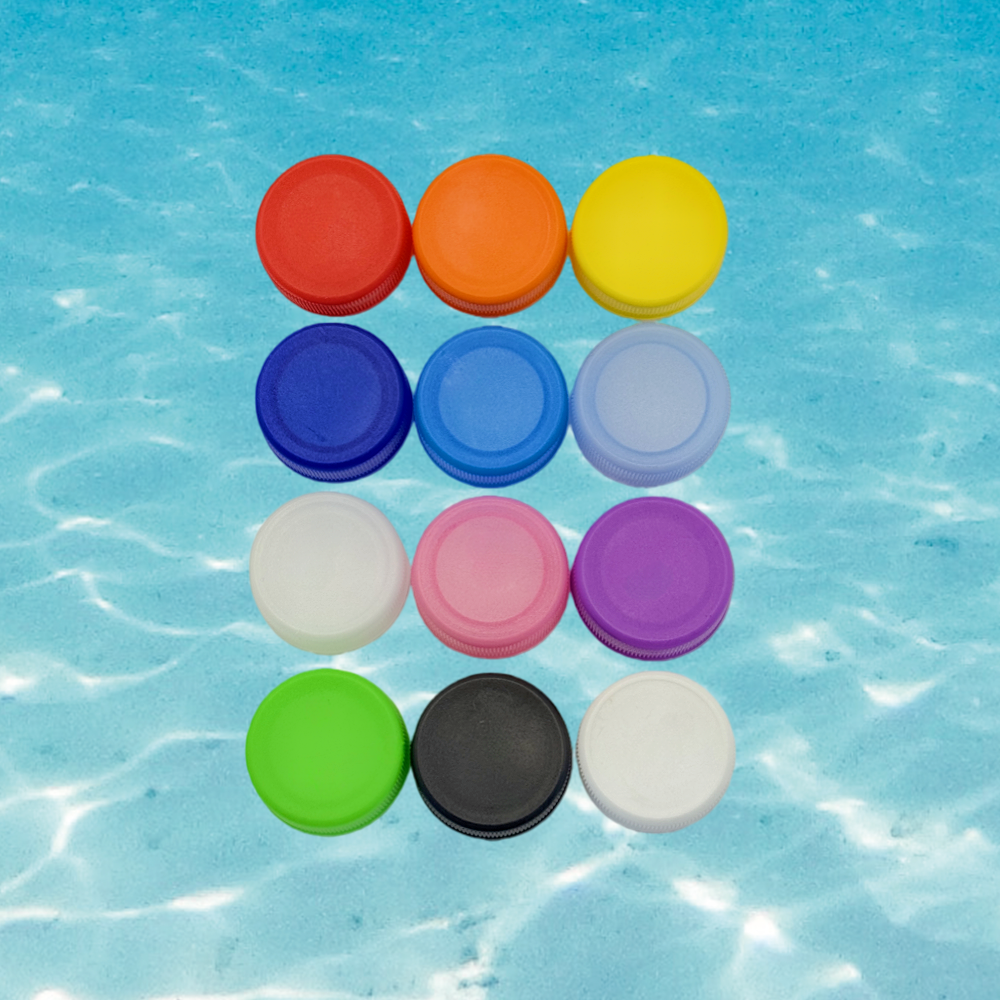
Water Cap

This comprehensive buyer's guide addresses the critical factors that will define wholesale water cap procurement success in 2026. From material specifications and quality certifications to supplier evaluation criteria and cost optimization strategies, buyers need actionable insights to navigate an increasingly complex marketplace. Understanding these fundamentals enables procurement professionals to build resilient supply chains while maintaining competitive pricing structures for their bottled water operations.

Understanding Water Cap Market Dynamics for 2026

Material Innovation Trends

The water cap industry is experiencing a fundamental shift toward advanced polymer compositions that balance performance with environmental responsibility. Traditional polyethylene materials are being enhanced with bio-based additives and recycled content requirements that meet new regulatory standards. These material innovations directly impact procurement strategies as buyers must evaluate long-term availability and cost stability of next-generation water cap formulations.

Manufacturers are investing heavily in material research to develop Water Cap solutions that maintain structural integrity while reducing environmental impact. This technological evolution creates opportunities for early adopters to secure competitive advantages through strategic supplier partnerships with innovative manufacturers.

Supply Chain Transformation

Global supply chain reconfiguration continues to reshape water cap sourcing patterns as companies prioritize regional supplier networks and reduce dependency on single-source arrangements. The wholesale water cap market reflects broader industry trends toward supply chain resilience and risk mitigation strategies. Buyers must now evaluate suppliers based on geographic diversification capabilities and crisis response protocols.

Transportation cost volatility and shipping delays have elevated the importance of supplier location and logistics capabilities in procurement decisions. Forward-thinking buyers are establishing multi-tier supplier relationships that provide flexibility during market disruptions while maintaining consistent water cap quality standards across their operations.

Regulatory Compliance Evolution

Emerging food safety regulations and packaging standards are creating new compliance requirements for water cap manufacturers and buyers. These regulatory changes affect material specifications, testing protocols, and documentation requirements throughout the supply chain. Procurement teams must stay ahead of regulatory timelines to avoid supply interruptions and ensure continuous compliance.

The intersection of environmental regulations and food safety standards is particularly complex for water cap procurement. Buyers need suppliers who can navigate these overlapping requirements while maintaining cost competitiveness and delivery reliability in their wholesale operations.

Strategic Supplier Selection Criteria

Manufacturing Capability Assessment

Evaluating potential water cap suppliers requires comprehensive analysis of manufacturing capabilities, including production capacity, quality control systems, and technology infrastructure. Successful wholesale buyers conduct detailed facility audits that examine equipment condition, process controls, and workforce capabilities. These assessments reveal whether suppliers can meet both current volume requirements and future growth projections.

Production flexibility becomes increasingly important as beverage companies demand more customization options for their water cap specifications. Suppliers with advanced molding capabilities and color management systems can provide competitive advantages through reduced lead times and enhanced product differentiation opportunities.

Quality Management Systems

Robust quality management systems are non-negotiable for water cap suppliers serving wholesale markets. Buyers must verify that potential suppliers maintain comprehensive quality documentation, statistical process control capabilities, and continuous improvement programs. These systems ensure consistent product performance and reduce the risk of costly quality issues in high-volume applications.

Third-party certifications and audit results provide objective evidence of supplier quality capabilities. ISO certifications, FDA registrations, and customer audit scores offer reliable indicators of supplier performance and commitment to quality excellence in water cap manufacturing operations.

Innovation and Development Support

Leading water cap suppliers offer development support that extends beyond basic manufacturing services. Technical expertise in material science, design optimization, and application engineering can provide significant value for wholesale buyers facing complex packaging challenges. Suppliers with dedicated R&D capabilities can accelerate product development timelines and reduce overall project costs.

Collaborative development relationships enable buyers to influence product roadmaps and ensure that water cap innovations align with their market requirements. These partnerships often yield proprietary solutions that provide competitive advantages and strengthen market positioning for both buyers and suppliers.

Cost Optimization Strategies

Volume-Based Pricing Models

Wholesale water cap pricing typically follows volume-tiered structures that reward larger purchase commitments with progressively lower unit costs. Understanding these pricing models enables buyers to optimize their procurement strategies by balancing inventory carrying costs against volume discount opportunities. Strategic buyers analyze their annual consumption patterns to identify optimal order quantities and timing.

Long-term volume commitments can unlock additional pricing concessions and supply guarantees that provide stability in volatile market conditions. However, these agreements require careful risk assessment to avoid overcommitment during demand fluctuations or market transitions that could affect water cap requirements.

Material Cost Management

Raw material costs represent the largest component of water cap pricing, making material cost management a critical procurement focus. Sophisticated buyers monitor polymer pricing trends and work with suppliers to implement cost adjustment mechanisms that provide predictability while sharing market risk. These arrangements often include periodic price reviews based on published resin indices.

Alternative material specifications can sometimes provide cost advantages without compromising performance requirements. Buyers who understand the technical trade-offs between different polymer grades and additives can work with suppliers to identify cost-effective alternatives that maintain quality standards while reducing overall procurement costs.

Total Cost of Ownership Analysis

Comprehensive cost analysis extends beyond initial water cap purchase prices to include logistics, inventory, quality, and supplier management costs. Total cost of ownership models help buyers evaluate the true economic impact of different sourcing strategies and supplier selections. These analyses often reveal hidden costs that significantly affect overall procurement efficiency.

Risk mitigation costs should be incorporated into total cost calculations to account for supply disruption impacts and quality failure consequences. Water cap suppliers with superior reliability records may justify premium pricing through reduced risk exposure and lower total ownership costs over extended periods.

Quality Specifications and Testing Requirements

Performance Standards

Water cap performance specifications must address multiple functional requirements including seal integrity, torque resistance, and environmental durability. Wholesale buyers need detailed specifications that define acceptable performance ranges and testing methodologies for critical parameters. These specifications form the foundation for supplier qualification and ongoing quality monitoring programs.

Application-specific requirements may necessitate enhanced performance criteria beyond standard industry specifications. Buyers should work with suppliers to develop customized testing protocols that validate water cap performance under actual use conditions and environmental stresses encountered in their distribution networks.

Material Compliance Testing

Regulatory compliance testing encompasses food contact safety, migration testing, and environmental impact assessments that verify water cap materials meet applicable standards. Buyers must ensure that suppliers maintain current testing certifications and can provide documentation supporting regulatory compliance claims. This documentation becomes critical during regulatory audits and customer inquiries.

Material traceability systems enable suppliers to track raw material sources and provide lot-specific compliance documentation when required. These systems become increasingly important as regulatory agencies enhance oversight of packaging materials and require more detailed supply chain transparency from water cap manufacturers.

Incoming Inspection Protocols

Effective incoming inspection protocols protect buyers from quality issues while maintaining efficient receiving operations. Water cap inspection procedures should focus on critical quality attributes that affect performance and safety while avoiding unnecessary testing that delays inventory availability. Statistical sampling approaches can provide adequate quality assurance while minimizing inspection costs.

Supplier quality history should inform inspection intensity and frequency to optimize resource allocation toward higher-risk suppliers or products. Mature supplier relationships with proven quality records may warrant reduced inspection requirements, while new suppliers or modified specifications typically require enhanced monitoring until performance stability is demonstrated.

Supply Chain Risk Management

Supplier Diversification Strategies

Geographic and operational diversification reduces supply chain vulnerability by avoiding single points of failure in water cap procurement. Strategic buyers maintain relationships with multiple qualified suppliers across different regions to ensure supply continuity during localized disruptions. This diversification requires ongoing supplier development investments but provides essential risk mitigation benefits.

Supplier financial stability assessment helps identify potential supply disruptions before they impact operations. Regular financial health monitoring and creditworthiness evaluation enable buyers to take proactive measures when supplier viability concerns emerge, protecting against sudden supply interruptions that could affect production schedules.

Inventory Management Balance

Safety stock optimization balances supply security against inventory carrying costs while considering water cap shelf life and storage requirements. Effective inventory management considers supplier lead time variability, demand forecasting accuracy, and supply disruption probability to determine optimal stock levels. These calculations become more complex when managing multiple supplier relationships with different lead time profiles.

Strategic inventory positioning across multiple locations can reduce transportation costs while improving supply chain responsiveness. Buyers with geographically distributed operations may benefit from regional inventory hubs that optimize logistics costs while maintaining adequate supply security for each location.

Contract Risk Allocation

Well-structured supply agreements allocate risks appropriately between buyers and suppliers while providing mechanisms for addressing unforeseen circumstances. Force majeure clauses, price adjustment mechanisms, and performance guarantees protect both parties from extreme market conditions while maintaining supply relationships. These contractual protections become particularly important in volatile market environments.

Regular contract reviews and updates ensure that risk allocation remains balanced as market conditions evolve. Water cap supply agreements should include provisions for addressing regulatory changes, material availability issues, and other factors that could affect supplier performance or buyer requirements over time.

FAQ

What are the key factors to consider when evaluating water cap suppliers for wholesale procurement?

Key evaluation factors include manufacturing capability, quality management systems, financial stability, geographic location, and development support capabilities. Buyers should assess production capacity, quality certifications, delivery performance, and technical expertise to ensure suppliers can meet both current and future requirements while maintaining competitive pricing and reliable service.

How do volume commitments affect water cap pricing in wholesale arrangements?

Volume commitments typically unlock tiered pricing discounts with progressively lower unit costs at higher volumes. Long-term volume agreements may provide additional price concessions and supply guarantees, but require careful demand forecasting to avoid overcommitment risks. Buyers should analyze their consumption patterns and market projections to optimize volume commitments while maintaining procurement flexibility.

What quality testing is essential for wholesale water cap procurement?

Essential testing includes seal integrity verification, torque resistance measurement, material compliance validation, and environmental durability assessment. Regulatory compliance testing for food contact safety and migration limits is mandatory, while application-specific performance testing may be required based on end-use conditions. Incoming inspection protocols should focus on critical quality attributes that affect product performance and safety.

How can buyers optimize their water cap supply chain for 2026 market conditions?

Supply chain optimization requires supplier diversification across multiple geographic regions, strategic inventory positioning, and robust risk management protocols. Buyers should develop relationships with multiple qualified suppliers, implement total cost of ownership analysis, and establish contractual mechanisms for addressing market volatility. Regular supplier performance monitoring and continuous improvement initiatives ensure sustained supply chain effectiveness.