
 EN
EN



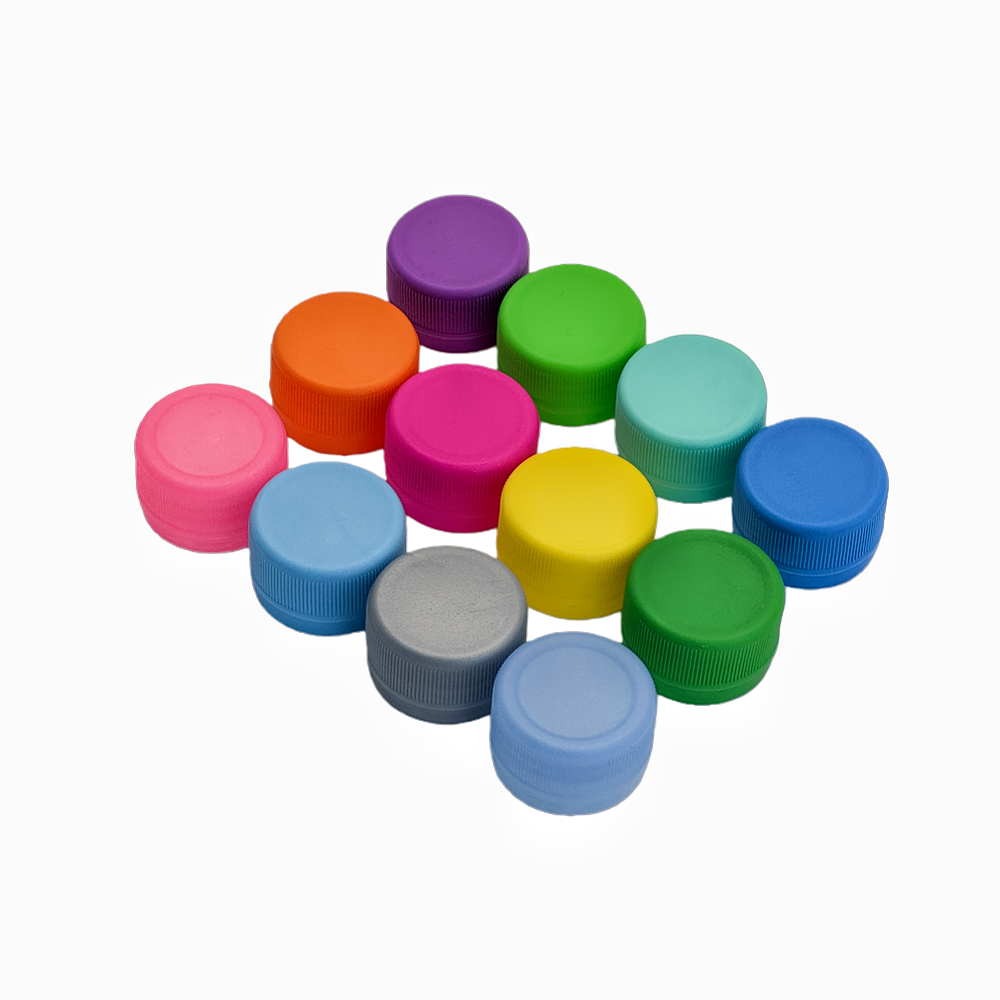
The material used to make a water cap rarely gets a second thought from consumers, but it plays a direct role in how long bottled water stays fresh and free from contamination. Different plastics behave differently when it comes to sealing performance, chemical stability, and resistance to temperature changes during storage and transport. This article examines how water cap material choices affect shelf life and freshness, and what bottlers should weigh when selecting a material for their packaging line.
Why Material Choice Affects Freshness
Bottled water is often valued for its purity and neutral taste, which means even subtle interactions between the cap material and the water can be noticeable to consumers. A water cap made from an unsuitable or inconsistent material can allow gradual moisture loss, permit very slow gas exchange through the plastic itself, or in rare cases introduce a faint taste if the material is not properly formulated for food contact. Over an extended shelf life, these small effects compound, which is why material selection is treated as a meaningful quality factor rather than a minor manufacturing detail.
How HDPE Performs for Standard Water Bottles
High-Density Polyethylene, or HDPE, is one of the most common materials used for water caps on standard still water bottles. It offers a reliable balance of rigidity and slight flexibility, which allows the cap to grip the bottle neck securely while still accommodating minor variations in thread tolerance during manufacturing. HDPE also has good resistance to moisture transmission, helping maintain consistent fill levels and preventing slow evaporation that could otherwise concentrate trace minerals or alter taste over a long storage period. Its consistent performance across large production volumes makes it a practical default for many bottlers focused on standard shelf life requirements.
How PP Performs Under Pressure and Temperature Variation
Polypropylene, or PP, is often chosen when a water cap needs to handle additional stress, such as on carbonated or pressurized water products. PP offers greater rigidity than HDPE, which helps it resist deformation under internal pressure and maintain a stable seal even as temperature changes cause the contents to expand or contract slightly. This added structural stability can translate into more consistent freshness retention for products that travel through varied climate conditions, since a cap that holds its shape under stress is less likely to develop a slow leak path over time.
Comparing Material Performance Factors
The table below summarizes how common water cap materials compare across the factors most relevant to shelf life and freshness.
| Material | Moisture Resistance | Pressure Tolerance | Typical Application |
|---|---|---|---|
| HDPE | Strong resistance to moisture loss | Adequate for non-pressurized products | Standard still water bottles |
| PP | Strong resistance to moisture loss | Higher tolerance for internal pressure | Carbonated or pressurized water |
| Recycled HDPE/PP | Comparable when batch quality is verified | Similar to virgin equivalent material | Sustainability-focused packaging lines |
The Role of Liner and Sealing Compatibility
Material performance is not limited to the cap body alone, since the liner inside a water cap also affects how well freshness is preserved over time. A liner formulated to work well with the chosen cap material helps eliminate microscopic gaps where the cap meets the bottle rim, reducing the slow oxygen or moisture exchange that can otherwise occur even when the cap material itself is high quality. Mismatched liner and cap material combinations can sometimes lead to inconsistent compression over the product's shelf life, which is why bottlers typically validate liner and cap material together rather than evaluating either component in isolation.
How Recycled Material Affects Performance Consistency
As more bottlers incorporate recycled content into their water cap material to meet sustainability goals, performance consistency becomes an important factor to verify. Recycled HDPE or PP can perform comparably to virgin material in terms of moisture resistance and sealing ability, but batch-to-batch consistency depends heavily on the quality and source of the recycled feedstock. Bottlers introducing recycled-content caps should request testing data confirming that shelf life and freshness performance remain stable across multiple production runs, rather than assuming recycled material will behave identically to virgin plastic without verification.
Practical Considerations for Choosing Cap Material
Selecting the right water cap material ultimately depends on matching the material's strengths to the specific product being packaged. Still water bottled for standard retail shelf life generally performs well with HDPE, while carbonated or pressurized water benefits from the added rigidity of PP. Bottlers expecting their product to travel through long supply chains or variable climate conditions should weigh pressure and temperature stability more heavily, since these factors have a greater cumulative effect on freshness over an extended distribution timeline.
Frequently Asked Questions
Does water cap material really affect how long bottled water stays fresh?
Yes, material choice influences moisture resistance and sealing consistency, both of which affect how well freshness is maintained over a product's shelf life.
Is PP always a better choice than HDPE for water caps?
Not necessarily, since PP is better suited for pressurized or carbonated products, while HDPE performs well and is more cost-effective for standard still water bottles.
Can recycled material in a water cap affect freshness performance?
Recycled HDPE or PP can perform comparably to virgin material, but consistency should be verified through testing since recycled feedstock quality can vary by batch.
Why does the liner matter as much as the cap material itself?
The liner works together with the cap material to close microscopic gaps at the bottle rim, so mismatched liner and cap combinations can undermine freshness even with a high-quality cap material.
Should bottlers test water cap material performance before a large order?
Yes, requesting test data on moisture resistance, pressure tolerance, and shelf life performance helps confirm a material choice will perform as expected at full production scale.