
 EN
EN



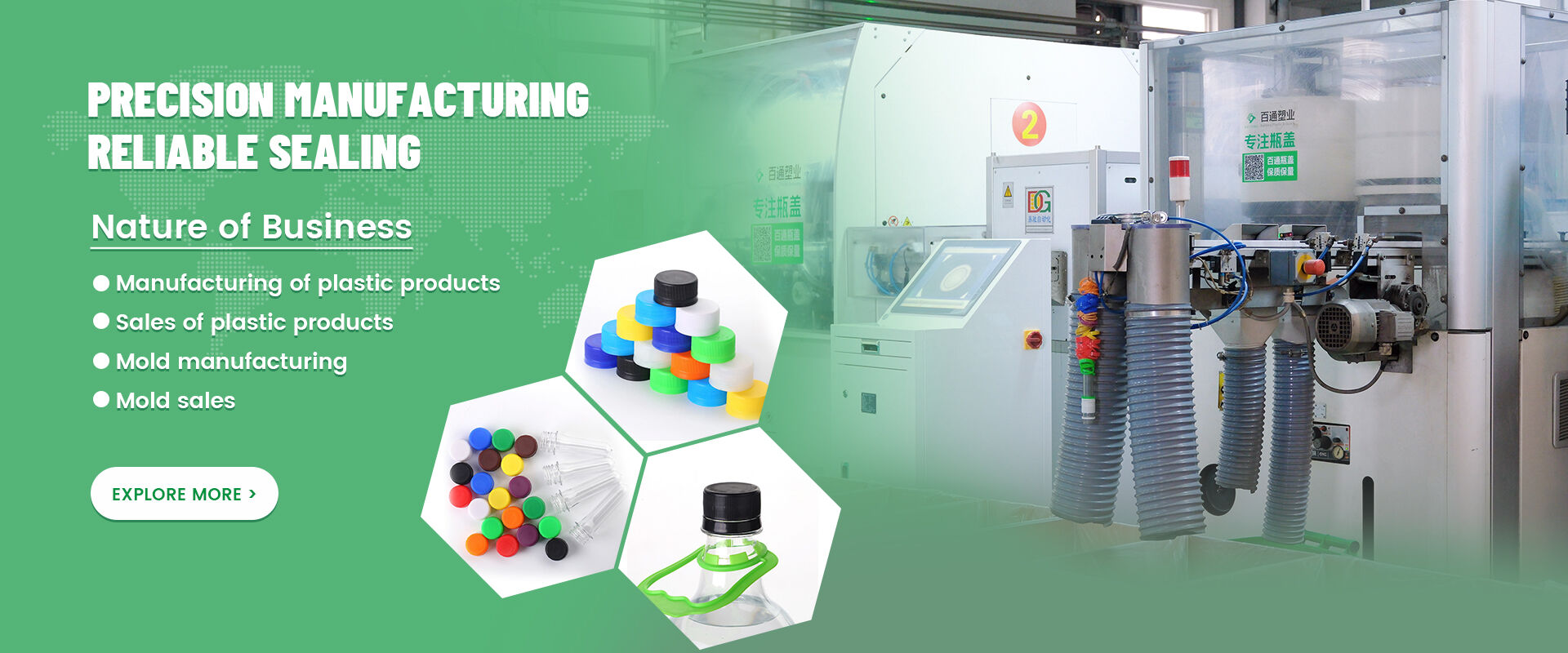
Understanding water cap specifications is crucial for manufacturers, bottlers, and quality control professionals who demand reliable sealing performance across diverse applications. The precise engineering behind each water cap involves multiple dimensional parameters, material properties, and functional characteristics that collectively determine whether your bottled products maintain their integrity throughout distribution and storage.
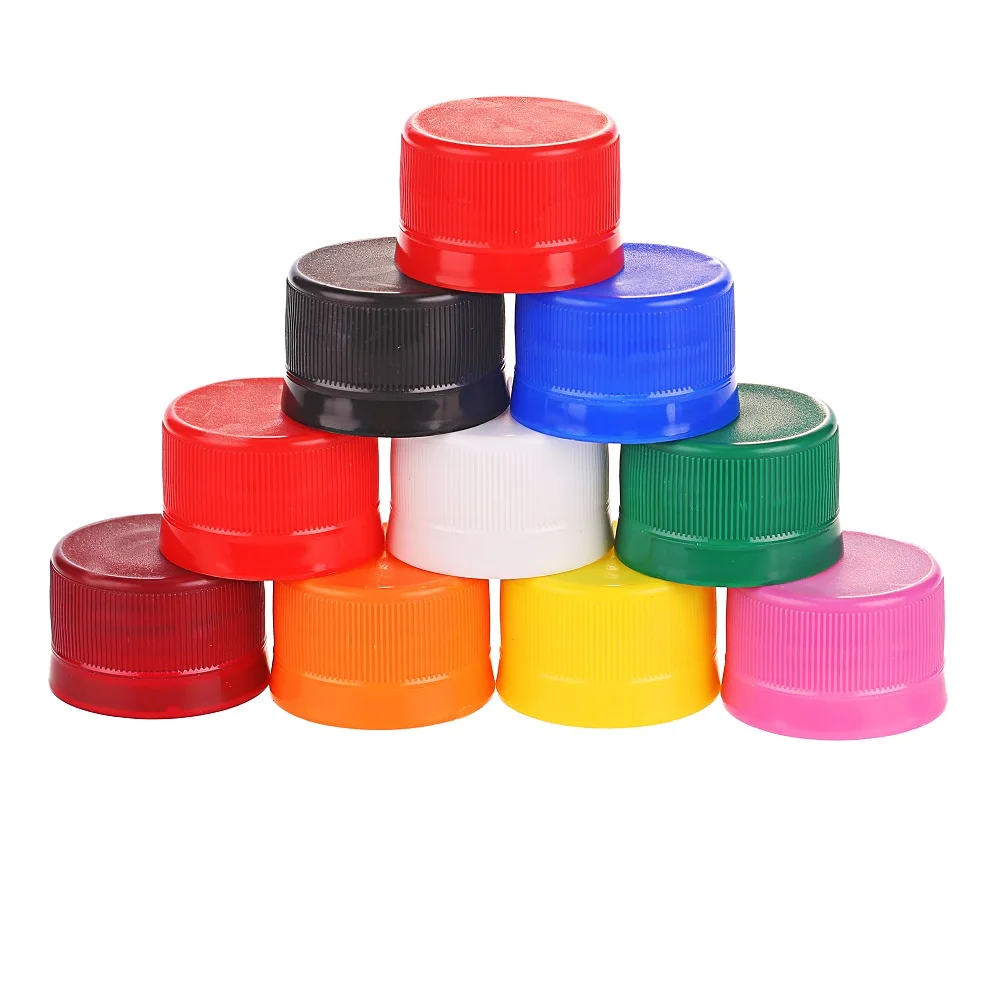
Professional water cap specification encompasses far more than basic diameter measurements, extending into critical sealing mechanisms, torque requirements, material compatibility, and performance validation protocols. When specifications are properly defined and implemented, they eliminate costly product failures, reduce customer complaints, and ensure consistent brand quality that builds consumer trust in bottled water products.
Critical Dimensional Parameters for Water Cap Performance
Thread Configuration and Pitch Specifications
The thread design of a water cap represents one of the most fundamental specification elements that determines sealing effectiveness and application compatibility. Standard thread configurations for water bottle applications typically follow established industry patterns, with 28mm diameter caps featuring specific pitch measurements that ensure proper engagement with bottle neck threading.
Thread pitch accuracy directly impacts the ease of application and removal while maintaining secure closure integrity. When water cap specifications define precise thread geometry, manufacturers can achieve consistent torque application during capping operations, preventing both under-tightening that compromises seal integrity and over-tightening that makes consumer opening difficult.
Professional specification documents must detail thread lead angle, thread depth, and root radius parameters to ensure manufacturing consistency. These dimensional controls become particularly critical when water cap production involves multiple manufacturing locations or when caps must interface with bottles from different suppliers.
Liner Integration and Sealing Surface Geometry
The sealing liner represents a critical component within comprehensive water cap specifications, requiring precise dimensional control and material selection to achieve reliable performance. Liner thickness, durometer, and contact surface area must be carefully specified to create adequate sealing pressure without causing bottle neck deformation or cap application difficulties.
Sealing surface geometry specifications define the contact interface between the water cap liner and bottle finish, determining how effectively the closure prevents moisture migration and contamination. The liner seating surface within the cap must be machined to exact tolerances, ensuring uniform liner compression across the entire sealing circumference.
Modern water cap specifications increasingly incorporate multi-layer liner systems that provide enhanced sealing performance through specialized foam or elastomeric materials. These advanced liner configurations require detailed specification of compression characteristics, recovery properties, and chemical compatibility with various water treatment additives.
Material Properties and Performance Standards
Plastic Resin Selection and Specification Requirements
Material specifications for water cap construction must address both immediate functional requirements and long-term performance expectations under various storage and distribution conditions. High-density polyethylene (HDPE) and polypropylene (PP) represent the most common resin choices, each offering distinct advantages that must be carefully evaluated against specific application requirements.
The molecular weight distribution, melt flow index, and additive package of the base resin significantly influence water cap performance characteristics including stress crack resistance, impact strength, and dimensional stability. Specification documents must define acceptable ranges for these material properties to ensure consistent manufacturing results and reliable field performance.
Chemical resistance specifications become particularly important when Water Cap applications involve contact with various water treatment chemicals, sanitizing agents, or cleaning compounds used in bottling operations. Material compatibility testing protocols must be incorporated into specification requirements to verify long-term chemical stability.
Color Consistency and Appearance Standards
Visual appearance specifications for water cap production require detailed color matching standards, surface finish requirements, and defect acceptance criteria that maintain brand consistency across production runs. Color specification systems such as Pantone or RAL provide standardized reference points that enable consistent color reproduction regardless of manufacturing location or batch timing.
Surface finish specifications must address texture requirements, gloss levels, and acceptable variation ranges that affect both aesthetic appeal and functional performance. Smooth surface finishes may enhance printability for branding applications, while textured surfaces can improve grip characteristics for consumer handling.
Quality control specifications must define acceptable limits for visual defects including flow marks, sink marks, color variation, and surface contamination that could impact consumer perception or functional performance of the water cap system.
Functional Performance and Testing Protocols
Sealing Performance Validation Methods
Comprehensive water cap specifications must incorporate rigorous testing protocols that validate sealing performance under realistic application conditions. Pressure decay testing represents a fundamental validation method that measures the rate of pressure loss from sealed containers over specified time intervals, providing quantitative data on seal effectiveness.
Torque-seal relationship testing establishes the optimal application torque range that achieves reliable sealing without causing closure or container damage. This specification parameter becomes critical for automated capping equipment setup and ensures consistent sealing performance across high-volume production operations.
Environmental stress testing protocols must be incorporated into water cap specifications to validate performance under temperature cycling, humidity exposure, and mechanical stress conditions that simulate real-world distribution and storage environments. These tests help identify potential failure modes before products reach consumers.
Tamper Evidence and Security Features
Modern water cap specifications increasingly incorporate tamper-evident features that provide visible indication of container integrity while maintaining ease of consumer access. Pilfer-proof band designs must be precisely specified to ensure reliable separation during initial opening while preventing premature failure during handling and distribution.
The connection strength between the tamper band and cap body requires careful specification to achieve proper functionality across varying environmental conditions and handling scenarios. Band thickness, perforation geometry, and attachment bridge dimensions must be optimized to provide consistent tamper indication without compromising manufacturing efficiency.
Security feature specifications may also include specialized design elements that enhance product authentication or brand protection, requiring detailed dimensional controls and manufacturing process parameters that maintain feature integrity throughout production volumes.
Quality Assurance and Specification Compliance
Manufacturing Process Control Parameters
Effective water cap specifications must extend beyond final product requirements to encompass critical manufacturing process parameters that influence dimensional accuracy and performance consistency. Injection molding specifications including melt temperature, injection pressure, and cooling time directly impact the final dimensional properties and material characteristics of produced caps.
Mold design specifications become particularly critical for water cap production, requiring precise cavity dimensions, gate location optimization, and cooling channel design that ensure uniform material flow and consistent part properties. Mold maintenance schedules and dimensional verification protocols must be incorporated into specification requirements to maintain long-term manufacturing consistency.
Process monitoring specifications should define statistical process control parameters that enable real-time detection of dimensional drift or material property variation that could compromise water cap performance. These monitoring systems provide early warning of potential quality issues before significant quantities of non-conforming products are produced.
Incoming Material and Component Verification
Comprehensive specification systems must address incoming material verification protocols that ensure all components meet established performance requirements before entering the manufacturing process. Raw material testing specifications should include physical property verification, chemical composition analysis, and performance validation testing that confirms suitability for water cap applications.
Liner material specifications require particular attention to compression set resistance, chemical compatibility, and dimensional stability characteristics that directly influence sealing performance. Incoming liner inspection protocols must verify these critical properties through standardized testing procedures that provide quantitative acceptance criteria.
Colorant and additive specifications must address both immediate processing requirements and long-term performance characteristics including UV stability, migration resistance, and regulatory compliance for food contact applications commonly associated with water cap usage.
Implementation and Specification Management
Documentation Standards and Revision Control
Professional water cap specification management requires comprehensive documentation systems that capture all critical parameters, testing methods, and acceptance criteria in formats accessible to manufacturing, quality control, and supplier management teams. Specification documents must be structured to facilitate easy updates while maintaining complete traceability of changes that could impact product performance.
Version control systems become essential for managing specification revisions across multiple manufacturing locations and supplier relationships. Clear revision identification and change notification protocols ensure that all stakeholders operate with current specification requirements, preventing costly production of non-conforming water cap products.
Digital specification management platforms increasingly provide automated distribution and acknowledgment tracking that ensures specification updates reach all relevant personnel promptly. These systems can integrate with manufacturing execution systems to provide real-time specification compliance monitoring during production operations.
Supplier Communication and Compliance Verification
Effective specification implementation requires clear communication protocols with suppliers that ensure complete understanding of all technical requirements and performance expectations. Supplier capability assessments must verify that manufacturing equipment, quality systems, and technical expertise align with water cap specification requirements before production commitments are established.
Regular compliance auditing protocols should be incorporated into specification management systems to verify ongoing adherence to established requirements. These audits must address both manufacturing process compliance and finished product verification to ensure continuous specification conformance throughout supply relationships.
Supplier development programs may be necessary when water cap specifications require capabilities or technologies beyond current supplier capacity. These development initiatives should include clear milestone definitions and performance validation criteria that demonstrate specification compliance achievement.
FAQ
What are the most critical dimensions to specify for water cap manufacturing?
The most critical dimensions include thread pitch and diameter accuracy, liner seating surface geometry, overall cap height, and tamper band connection specifications. Thread dimensions must typically maintain tolerances within ±0.05mm to ensure proper bottle engagement, while liner seating surfaces require even tighter controls to achieve consistent sealing performance across production volumes.
How do material specifications impact water cap sealing performance?
Material specifications directly influence sealing effectiveness through resin selection, additive packages, and processing characteristics that affect dimensional stability and stress resistance. Higher molecular weight resins typically provide better stress crack resistance but may require modified processing parameters, while additive selections must balance UV stability, chemical resistance, and regulatory compliance requirements for food contact applications.
What testing protocols should be included in comprehensive water cap specifications?
Essential testing protocols include pressure decay testing for seal integrity validation, torque-seal relationship verification, environmental stress testing under temperature and humidity cycling, tamper evidence functionality verification, and dimensional conformance measurement using coordinate measuring systems. These tests should be conducted on statistical sampling from production runs rather than relying solely on first-article inspection.
How often should water cap specifications be reviewed and updated?
Water cap specifications should undergo formal review annually or whenever significant changes occur in raw materials, manufacturing processes, regulatory requirements, or customer performance feedback. Additionally, specification updates may be triggered by new bottle designs, changes in filling equipment, or the introduction of new tamper evidence requirements that affect cap functionality or consumer interaction characteristics.