
 EN
EN



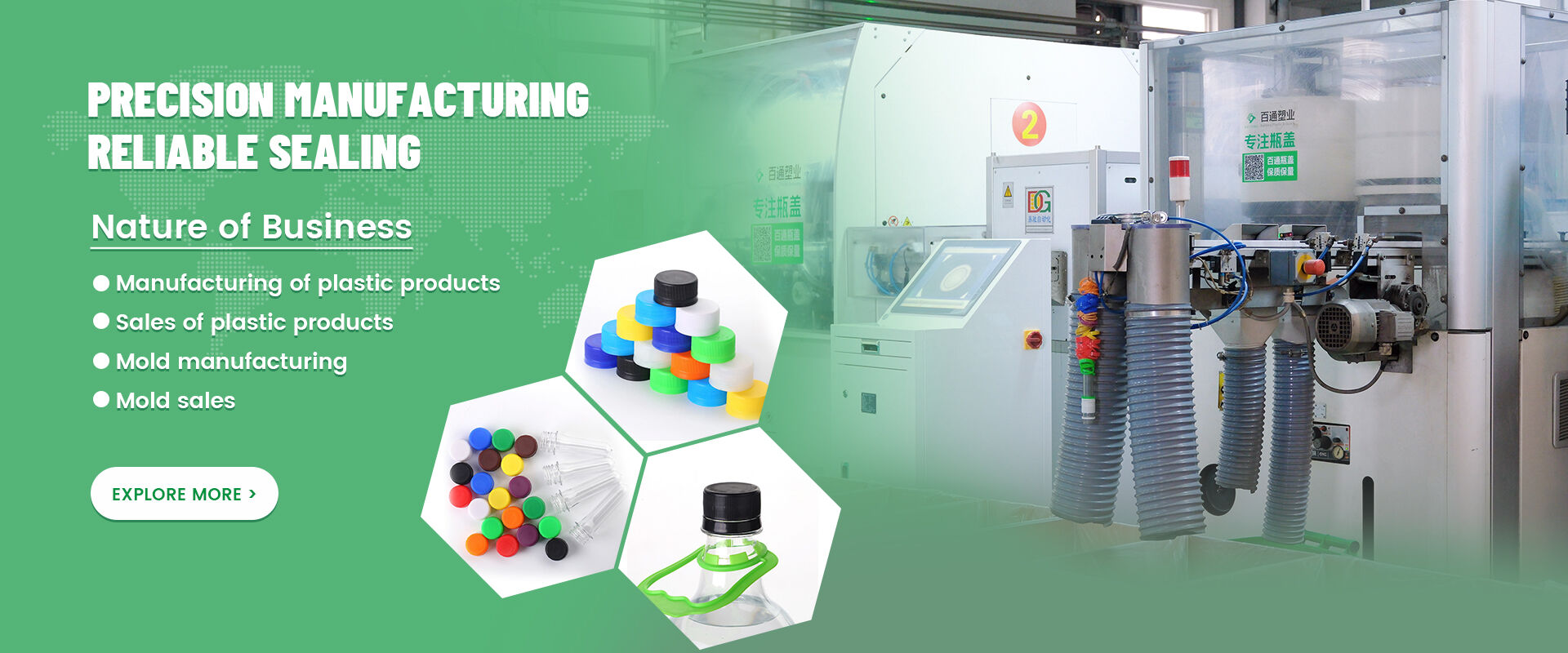
High-speed production lines in the beverage industry demand precision, efficiency, and unwavering quality control at every stage of the manufacturing process. Among the critical components that directly impact production success, water cap quality emerges as a fundamental factor that can make or break operational performance. When production lines operate at speeds exceeding thousands of bottles per minute, even minor defects in water cap design, material integrity, or dimensional accuracy can cascade into significant production disruptions, quality failures, and substantial financial losses.
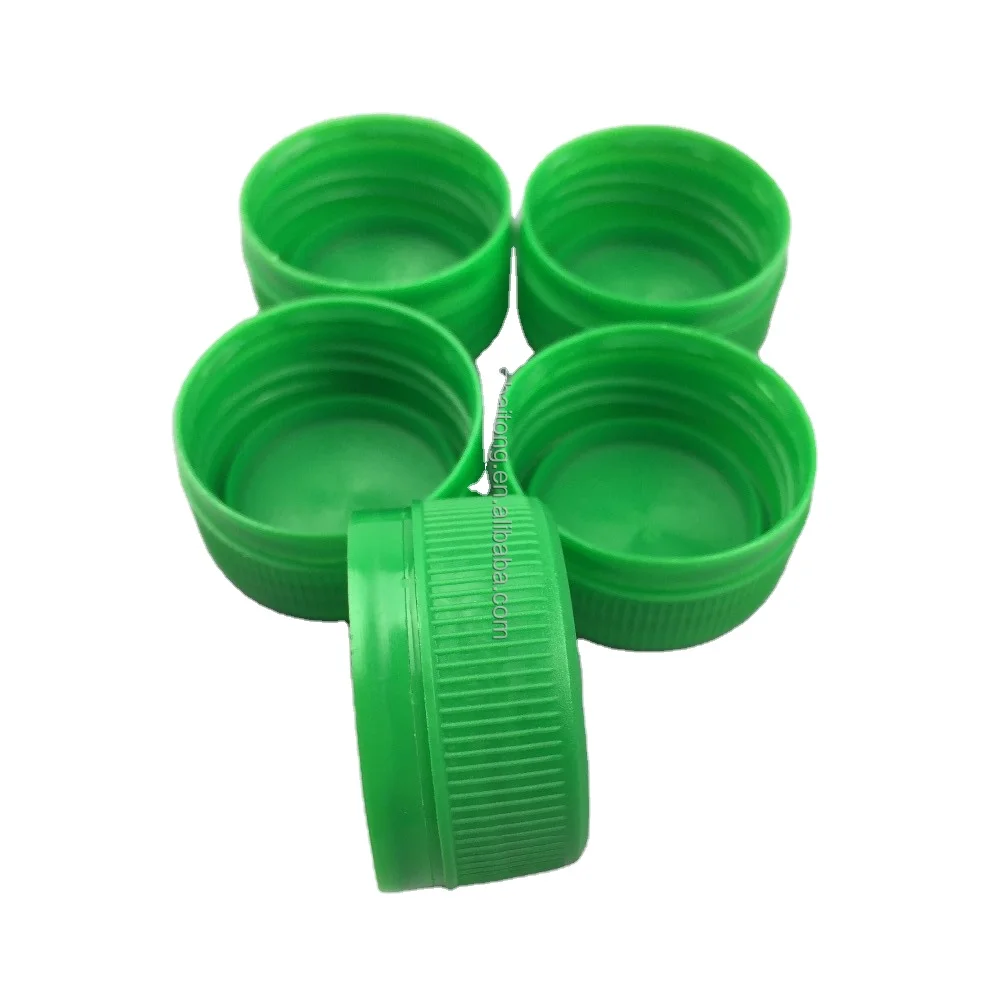
The relationship between water cap quality and high-speed production efficiency extends far beyond simple functionality. Modern bottling operations require water cap solutions that maintain consistent sealing performance, demonstrate reliable thread engagement, and withstand the mechanical stresses inherent in automated capping systems. Understanding why water cap quality serves as a cornerstone of production line reliability reveals the intricate balance between material science, engineering precision, and operational economics that defines successful high-volume beverage manufacturing.
Production Line Speed Dependencies and Water Cap Performance
Mechanical Stress Factors in High-Speed Operations
High-speed production lines subject water cap components to mechanical stresses that far exceed those encountered in slower manufacturing environments. During automated capping processes, each water cap experiences rapid acceleration, precise positioning, and controlled torque application within millisecond timeframes. The plastic materials used in water cap construction must maintain structural integrity under these repeated high-impact conditions while preserving dimensional accuracy for consistent thread engagement.
Temperature fluctuations during high-speed operations create additional challenges for water cap performance. As production equipment generates heat through continuous operation, water cap materials expand and contract, potentially affecting thread tolerances and sealing surface contact. Quality water cap designs incorporate material formulations that maintain stable dimensions across operating temperature ranges, ensuring consistent performance throughout extended production runs.
The centrifugal forces generated during high-speed bottle handling and capping operations place unique demands on water cap thread design and material properties. Inferior water cap quality can result in thread stripping, cross-threading, or incomplete engagement when subjected to these forces, leading to immediate production stoppages and potential equipment damage.
Timing Precision Requirements
Modern high-speed bottling lines operate on precise timing sequences where each water cap must be positioned, applied, and secured within predetermined cycle times. Any variation in water cap dimensions, thread pitch accuracy, or material consistency can disrupt these timing sequences, forcing production slowdowns or complete line stoppages. Quality water cap manufacturing ensures dimensional consistency that supports reliable automated handling and application.
The synchronization between bottle presentation, water cap delivery, and capping head engagement requires precise component specifications. Even minor variations in water cap height, diameter, or thread configuration can create timing mismatches that propagate throughout the production sequence, reducing overall line efficiency and increasing rejection rates.
Quality Control Impact on Production Efficiency
Defect Rate Multiplication Effects
In high-speed production environments, water cap defects multiply exponentially due to the sheer volume of units processed per hour. A water cap defect rate of just 0.1% can result in hundreds of rejected products during a single shift, creating substantial material waste and requiring immediate line intervention. The cumulative impact of poor water cap quality extends beyond individual unit failures to affect entire production batches and downstream packaging operations.
Quality control systems integrated into high-speed lines rely on consistent water cap specifications to maintain detection accuracy and rejection efficiency. When water cap quality varies significantly, quality control sensors may generate false positives or fail to detect actual defects, compromising the reliability of the entire quality assurance process and potentially allowing defective products to reach consumers.
The interconnected nature of high-speed production systems means that water cap quality issues can trigger cascading failures throughout multiple production stages. Poor thread engagement can cause bottle instability during transport, leading to conveyor jams, label misalignment, and packaging equipment malfunctions that extend far beyond the initial capping station.
Equipment Maintenance Implications
High-quality water cap components reduce mechanical wear on capping equipment by providing consistent engagement characteristics and predictable material behavior. When water cap quality is compromised, capping heads experience irregular forces, uneven wear patterns, and accelerated component degradation that increases maintenance frequency and replacement costs.
The precision required for high-speed capping operations demands water cap specifications that support optimal equipment performance. Variations in water cap material hardness, thread geometry, or dimensional accuracy can cause capping torque irregularities that stress drive mechanisms, increase power consumption, and reduce equipment lifespan.
Sealing Integrity and Consumer Safety Requirements
Hermetic Seal Performance Standards
Water cap sealing performance directly impacts product safety, shelf life, and consumer satisfaction. High-speed production lines require water cap designs that achieve consistent hermetic seals across varying bottle fill levels, liquid temperatures, and capping pressures. The sealing surfaces of quality water cap components must maintain precise geometric relationships that ensure reliable contact with bottle neck finishes under all operating conditions.
The liner materials integrated into water cap designs play a critical role in sealing performance and must withstand the mechanical stresses of high-speed application while maintaining chemical compatibility with water products. Quality water cap manufacturing incorporates liner attachment methods that prevent delamination or displacement during automated capping processes.
Consistent sealing performance requires water cap thread designs that distribute capping forces evenly across the sealing interface. Poor water cap quality can result in uneven pressure distribution, creating seal irregularities that compromise product integrity and increase the risk of contamination or leakage during storage and distribution.
Regulatory Compliance Assurance
Food safety regulations mandate specific performance standards for water cap components that come into contact with consumable products. High-speed production operations must maintain continuous compliance with these regulations, requiring water cap materials and manufacturing processes that consistently meet safety standards without variation or degradation over time.
The traceability requirements associated with food safety compliance depend on consistent water cap quality and manufacturing documentation. Production lines operating at high speeds generate vast quantities of products that must be traceable to specific water cap lots, making quality consistency essential for effective recall management and regulatory reporting.
Cost-Effectiveness and Operational Economics
Total Cost of Ownership Analysis
The true cost impact of water cap quality extends beyond initial component pricing to encompass production efficiency, waste reduction, equipment maintenance, and quality assurance expenses. High-quality water cap components typically demonstrate superior total cost of ownership by minimizing production disruptions, reducing rejection rates, and extending equipment service intervals.
Labor costs associated with line stoppages, quality investigations, and equipment adjustments can quickly exceed any savings achieved through lower-cost water cap procurement. High-speed production environments amplify these cost impacts due to the high value of lost production time and the complexity of restart procedures required after quality-related shutdowns.
The predictability of production costs depends heavily on consistent water cap performance that minimizes unexpected expenses related to quality failures, customer complaints, and regulatory non-compliance incidents. Quality water cap suppliers provide performance guarantees and technical support that reduce operational risk and support accurate cost forecasting.
Supply Chain Reliability Factors
High-speed production schedules require reliable water cap supply chains that consistently deliver quality components according to demanding delivery schedules. Supply chain disruptions caused by quality failures or manufacturing inconsistencies can force production slowdowns or complete shutdowns that impact customer commitments and market competitiveness.
The qualification and validation processes required for water cap suppliers in high-speed production environments represent significant investments that must be protected through consistent quality performance. Supplier changes or quality degradation can trigger costly requalification processes that disrupt production schedules and increase operational complexity.
FAQ
How does water cap quality affect production line speed capabilities?
Water cap quality directly determines the maximum achievable production speeds by influencing capping cycle times, equipment reliability, and quality control efficiency. High-quality water cap components enable faster capping cycles through consistent thread engagement, predictable material behavior, and reliable automated handling characteristics. Poor quality water cap components force production slowdowns to maintain acceptable quality levels and prevent equipment damage.
What are the most common water cap quality issues in high-speed production?
The most frequent water cap quality issues in high-speed operations include dimensional inconsistencies that affect automated handling, thread irregularities that cause engagement problems, material variations that create sealing failures, and liner defects that compromise product integrity. These issues typically manifest as increased rejection rates, equipment jams, and inconsistent sealing performance that requires immediate production intervention.
How can manufacturers evaluate water cap quality before implementing high-speed production?
Effective water cap quality evaluation requires comprehensive testing protocols that assess dimensional accuracy, material properties, sealing performance, and automated handling characteristics under simulated high-speed conditions. Testing should include thread engagement analysis, material stress testing, seal integrity verification, and compatibility assessment with existing capping equipment to ensure reliable performance at target production speeds.
What role does water cap material selection play in high-speed production success?
Material selection for water cap components determines performance characteristics including mechanical strength, thermal stability, chemical resistance, and dimensional consistency that are critical for high-speed operations. The optimal materials must withstand repeated mechanical stresses, maintain stable dimensions across temperature variations, and provide consistent sealing properties throughout extended production runs while meeting food safety requirements and cost targets.
Table of Contents
- Production Line Speed Dependencies and Water Cap Performance
- Quality Control Impact on Production Efficiency
- Sealing Integrity and Consumer Safety Requirements
- Cost-Effectiveness and Operational Economics
-
FAQ
- How does water cap quality affect production line speed capabilities?
- What are the most common water cap quality issues in high-speed production?
- How can manufacturers evaluate water cap quality before implementing high-speed production?
- What role does water cap material selection play in high-speed production success?