
 EN
EN




Selecting the right juice cap for your beverage production line is a critical decision that directly impacts product safety, shelf life, and consumer satisfaction. Modern juice manufacturing relies on two primary filling methods—hot-fill and cold-fill processes—each requiring specific cap characteristics to maintain product integrity and ensure proper sealing performance throughout the supply chain.
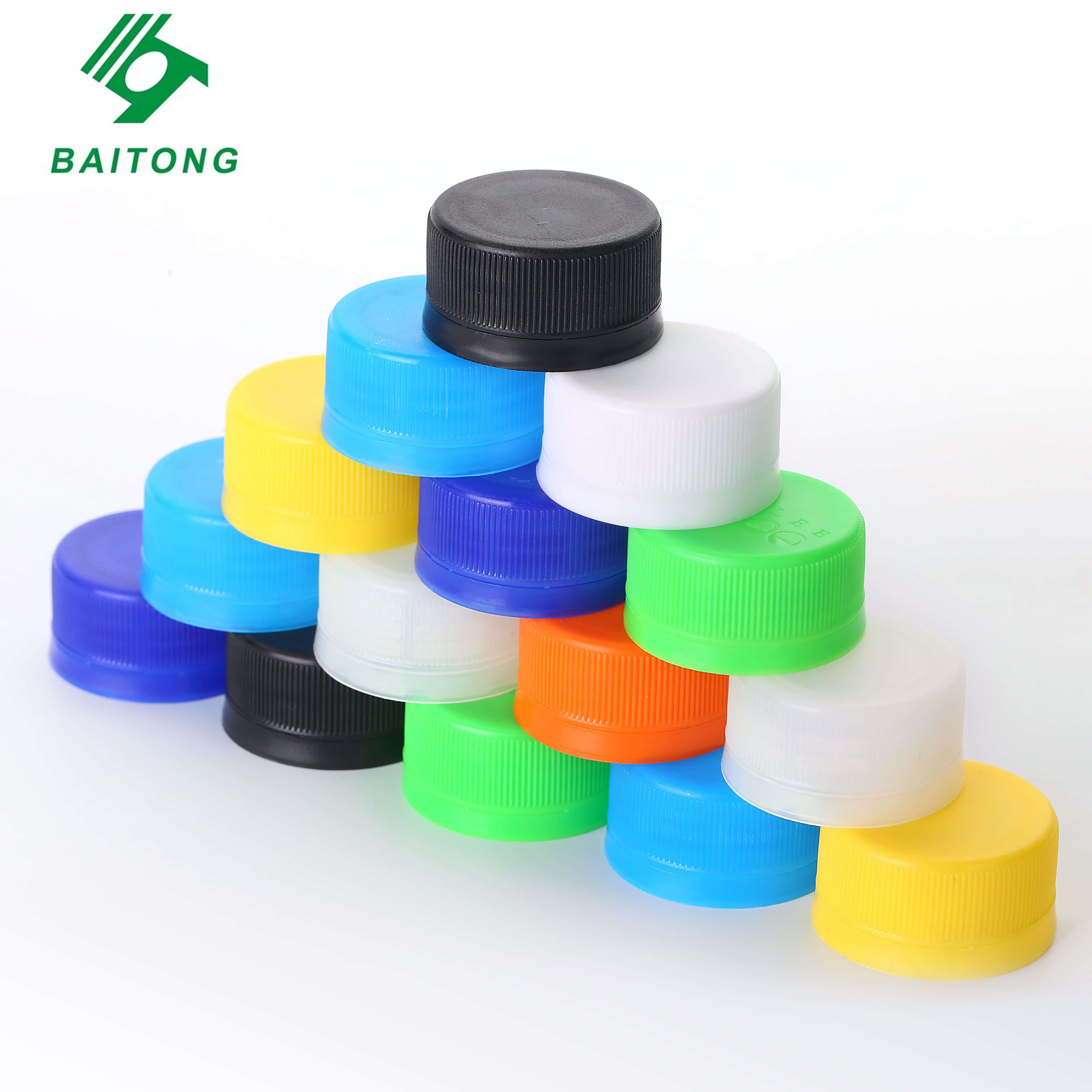
The choice between different juice cap types significantly affects production efficiency, packaging costs, and final product quality. Understanding the unique requirements of hot-fill versus cold-fill applications allows beverage manufacturers to optimize their packaging strategy and deliver consistently high-quality products that meet both regulatory standards and consumer expectations in today's competitive marketplace.
Understanding Hot-Fill and Cold-Fill Process Requirements
Hot-Fill Process Characteristics
Hot-fill processes involve filling juice products at elevated temperatures, typically between 185°F and 195°F (85°C to 90°C), which serves as a pasteurization method to eliminate harmful microorganisms. This thermal processing extends shelf life and ensures product safety without requiring additional preservatives, making it particularly suitable for natural and organic juice formulations.
The high-temperature filling environment creates unique challenges for juice cap selection, as caps must withstand thermal expansion and contraction cycles while maintaining their structural integrity. During the hot-fill process, the juice cap experiences rapid temperature changes that can affect polymer properties, sealing performance, and dimensional stability throughout the cooling phase.
Successful hot-fill operations require caps with enhanced heat resistance, superior sealing properties, and the ability to maintain vacuum integrity as the product cools. The juice cap must also accommodate the thermal expansion of both the container and the cap material itself, ensuring consistent sealing pressure throughout the temperature transition.
Cold-Fill Process Specifications
Cold-fill processes involve filling juice products at ambient or refrigerated temperatures, typically below 40°F (4°C), which requires alternative preservation methods such as pasteurization before filling or the addition of preservatives. This approach offers greater flexibility in packaging materials and cap selection while maintaining product quality and safety standards.
Cold-fill applications allow for more diverse juice cap materials and designs, as the filling environment eliminates thermal stress concerns. However, cold-fill processes may require enhanced barrier properties to prevent oxygen transmission and maintain product freshness, particularly for sensitive juice formulations with high vitamin content or natural flavoring compounds.
The controlled temperature environment in cold-fill operations provides consistent conditions for juice cap application and sealing, resulting in more predictable closure performance and reduced variability in seal quality. This consistency makes cold-fill processes particularly suitable for high-speed production lines and automated packaging systems.
Material Specifications for Optimal Performance
Heat-Resistant Polymer Solutions
Hot-fill applications demand juice cap materials with exceptional thermal stability and resistance to deformation under elevated temperatures. High-density polyethylene (HDPE) and polypropylene (PP) represent the most common material choices for hot-fill caps, offering excellent heat resistance, chemical compatibility, and processing characteristics suitable for high-temperature filling environments.
Advanced polymer formulations for hot-fill juice cap applications incorporate heat stabilizers and processing aids that maintain material properties throughout thermal cycling. These enhanced materials resist creep and stress cracking while providing consistent sealing performance across varying temperature conditions encountered during production and distribution.
The molecular structure of heat-resistant polymers must accommodate thermal expansion without compromising seal integrity or cap removal torque. Properly formulated juice cap materials maintain their dimensional stability and mechanical properties even after repeated exposure to hot-fill temperatures, ensuring reliable closure performance throughout the product lifecycle.
Barrier Property Considerations
Barrier properties play a crucial role in juice cap selection, particularly for products sensitive to oxygen exposure or flavor loss. Multi-layer cap constructions incorporating oxygen barrier materials such as EVOH (ethylene vinyl alcohol) or specialized polymer blends provide enhanced protection against gas transmission and flavor migration.
The selection of appropriate barrier materials depends on specific juice formulations, shelf-life requirements, and storage conditions. Citrus juices, for example, require caps with enhanced limonene barrier properties to prevent flavor loss, while vitamin-fortified juices need superior oxygen barrier performance to maintain nutritional content throughout the distribution period.
Barrier-enhanced juice cap designs balance protection requirements with cost considerations, utilizing strategic layer placement and material selection to achieve optimal performance. Advanced barrier technologies enable extended shelf life and improved product quality while maintaining competitive packaging costs for large-volume juice production operations.
Design Features for Processing Compatibility
Thread Configuration and Sealing Systems
Thread design significantly influences juice cap performance in both hot-fill and cold-fill applications, affecting application torque, removal force, and long-term seal integrity. Standard PCO (Plastic Closure Only) thread configurations provide reliable sealing for most juice applications, while specialized thread designs optimize performance for specific filling conditions.
Hot-fill applications benefit from thread designs that accommodate thermal expansion while maintaining consistent sealing pressure throughout the cooling cycle. Enhanced thread geometry and pitch optimization ensure reliable juice cap engagement even when thermal stress affects dimensional stability of both cap and container components.
Advanced sealing systems incorporate multiple sealing mechanisms, including top seal, thread seal, and enhanced gasket designs that provide redundant protection against leakage. These comprehensive sealing approaches ensure product integrity across varying environmental conditions and handling scenarios encountered throughout distribution and retail display.
Venting and Pressure Relief Features
Pressure management represents a critical design consideration for juice cap applications, particularly in hot-fill processes where thermal cycling creates vacuum conditions as products cool to ambient temperature. Controlled venting mechanisms allow for pressure equalization while maintaining product sterility and preventing container deformation.
Integrated pressure relief features in juice cap designs prevent over-pressurization during storage and transportation while maintaining seal integrity under normal handling conditions. These features are particularly important for glass container applications where pressure buildup can lead to container failure or compromised product safety.
Smart venting technologies incorporate one-way valve mechanisms that allow gas exchange without compromising product protection. These advanced features enable optimal pressure management while preventing contamination or flavor loss, making them ideal for premium juice applications with extended shelf-life requirements.
Application-Specific Performance Optimization
Hot-Fill Application Best Practices
Optimal juice cap selection for hot-fill applications requires careful consideration of thermal cycling effects, container compatibility, and sealing performance under elevated temperatures. Pre-heating cap materials before application can improve conformability and sealing effectiveness, particularly for thick-wall cap designs or specialized polymer formulations.
Temperature control throughout the capping process ensures consistent juice cap application and prevents thermal shock that could compromise seal integrity. Maintaining proper cap storage temperatures and conditioning procedures optimizes material properties and reduces variability in closure performance across production runs.
Quality control protocols for hot-fill operations should include thermal cycling tests that simulate distribution conditions and verify long-term seal performance. Regular monitoring of cap removal torque, vacuum retention, and visual inspection criteria ensures consistent product quality and consumer satisfaction throughout the production cycle.
Cold-Fill Process Optimization
Cold-fill applications offer greater flexibility in juice cap selection while requiring attention to barrier properties and long-term storage stability. Enhanced oxygen barrier capabilities become particularly important for cold-fill products that rely on extended shelf life and refrigerated distribution channels.
Moisture control represents another critical factor in cold-fill juice cap selection, as condensation and humidity variations can affect sealing performance and product quality. Specialized gasket materials and enhanced sealing designs provide superior moisture barrier properties while maintaining easy opening characteristics for consumer convenience.
Production line optimization for cold-fill operations includes proper cap conditioning, accurate torque control, and comprehensive quality verification systems. These measures ensure consistent juice cap performance while maximizing production efficiency and minimizing waste throughout the manufacturing process.
Quality Control and Performance Validation
Testing Protocols and Standards
Comprehensive testing protocols validate juice cap performance across critical quality parameters including seal integrity, barrier properties, and mechanical durability. Standard testing methods such as vacuum decay testing, pressure testing, and accelerated aging studies provide quantitative data on closure performance under various conditions.
Barrier property evaluation requires specialized testing equipment and protocols that measure oxygen transmission rates, water vapor transmission, and flavor scalping characteristics. These measurements ensure that selected juice cap materials meet specific product requirements and regulatory standards for food contact applications.
Mechanical property testing evaluates cap application torque, removal force, and structural integrity under normal and extreme conditions. These tests verify that juice cap designs provide consistent performance throughout the distribution cycle while maintaining consumer-friendly opening characteristics.
Supply Chain Considerations
Successful juice cap implementation requires careful coordination with suppliers, quality assurance protocols, and inventory management systems. Establishing clear specifications and performance criteria ensures consistent cap quality while maintaining production flexibility and cost effectiveness.
Supply chain resilience becomes particularly important for specialized juice cap applications that require custom materials or unique design features. Maintaining qualified backup suppliers and appropriate inventory levels protects against supply disruptions while ensuring consistent product quality.
Continuous improvement programs that incorporate supplier feedback, performance monitoring, and cost optimization initiatives drive long-term success in juice cap applications. These collaborative approaches enable innovation and efficiency improvements that benefit both manufacturers and consumers.
FAQ
What are the main differences between caps designed for hot-fill versus cold-fill juice processes?
Hot-fill juice caps require enhanced heat resistance and thermal stability to withstand filling temperatures of 185°F to 195°F, while cold-fill caps focus more on barrier properties and long-term storage stability. Hot-fill caps use specialized polymers that resist thermal deformation and maintain sealing integrity through temperature cycling, whereas cold-fill caps can utilize a broader range of materials and may incorporate enhanced oxygen barriers for extended shelf life.
How do I determine the optimal thread design for my juice cap application?
Thread design selection depends on your filling process, container type, and performance requirements. Hot-fill applications benefit from thread designs that accommodate thermal expansion, typically using standard PCO configurations with enhanced pitch optimization. Cold-fill applications offer more flexibility in thread selection, allowing for specialized designs that optimize barrier properties or consumer convenience features while maintaining reliable sealing performance.
What barrier properties should I prioritize when selecting juice caps for different product types?
Citrus juices require enhanced limonene barrier properties to prevent flavor loss, while vitamin-fortified juices need superior oxygen barrier performance to maintain nutritional content. Natural and organic juices typically benefit from comprehensive barrier protection against both oxygen and moisture transmission. The specific barrier requirements depend on juice formulation, shelf-life targets, and storage conditions throughout the distribution cycle.
How can I ensure consistent juice cap performance across different production runs?
Consistent performance requires standardized application procedures, proper cap conditioning, accurate torque control, and comprehensive quality monitoring systems. Implementing regular testing protocols for seal integrity, barrier properties, and mechanical performance helps identify potential issues before they affect product quality. Maintaining proper storage conditions for caps and establishing clear specifications with suppliers ensures consistent material properties and performance characteristics across all production runs.
Table of Contents
- Understanding Hot-Fill and Cold-Fill Process Requirements
- Material Specifications for Optimal Performance
- Design Features for Processing Compatibility
- Application-Specific Performance Optimization
- Quality Control and Performance Validation
-
FAQ
- What are the main differences between caps designed for hot-fill versus cold-fill juice processes?
- How do I determine the optimal thread design for my juice cap application?
- What barrier properties should I prioritize when selecting juice caps for different product types?
- How can I ensure consistent juice cap performance across different production runs?