
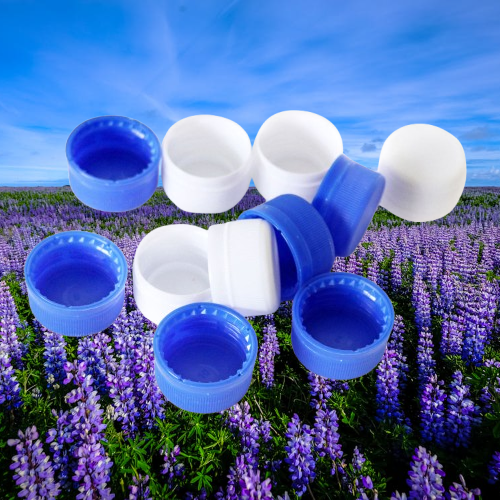
Beverage oxidation represents one of the most significant challenges facing juice manufacturers today, directly impacting flavor retention, nutritional value, and overall product quality. When oxygen comes into contact with juice, it triggers enzymatic reactions that degrade vitamins, alter taste profiles, and reduce the beverage's shelf life. Modern juice cap technology has evolved dramatically to address these concerns, incorporating innovative sealing mechanisms, barrier materials, and specialized valve systems that effectively minimize oxygen exposure during storage and consumption.

The development of advanced juice cap solutions has revolutionized how beverage manufacturers approach product preservation, enabling extended shelf life while maintaining optimal taste and nutritional content. These innovative closure systems employ multiple barrier layers, precision-engineered seal designs, and oxygen-absorbing compounds that work synergistically to create an effective shield against atmospheric exposure. Understanding the specific features and mechanisms behind these protective juice cap technologies enables manufacturers to make informed decisions about packaging solutions that best serve their product requirements and consumer expectations.
Advanced Sealing Technologies in Modern Juice Cap Design
Multi-Layer Barrier Construction
Contemporary juice cap manufacturing employs sophisticated multi-layer barrier construction that creates multiple lines of defense against oxygen infiltration. These barrier systems typically incorporate ethylene vinyl alcohol copolymer layers, which demonstrate exceptional oxygen barrier properties even in thin film applications. The juice cap design integrates these materials within the closure structure, forming a continuous seal that prevents atmospheric gases from reaching the beverage surface. This approach significantly reduces oxygen transmission rates compared to traditional single-material closures, extending product freshness and maintaining flavor integrity throughout the distribution cycle.
The barrier layer configuration within each juice cap must be precisely engineered to balance protection effectiveness with manufacturing efficiency. Advanced barrier systems often feature asymmetric layer arrangements, where oxygen-sensitive materials are positioned strategically within the cap structure to maximize protective benefits. These multi-layer designs also incorporate moisture barriers that prevent humidity-related degradation, ensuring that the juice cap maintains its sealing effectiveness across various storage conditions. The integration of these barrier technologies requires careful consideration of material compatibility and thermal processing parameters during juice cap production.
Precision Seal Interface Engineering
The effectiveness of any juice cap depends critically on the precision of its seal interface with the bottle neck, requiring advanced engineering approaches that account for manufacturing tolerances and material properties. Modern seal interface designs incorporate multiple sealing zones that create redundant protection against oxygen ingress, typically featuring primary and secondary seal surfaces that engage at different compression levels. The juice cap seal geometry must accommodate variations in bottle neck dimensions while maintaining consistent closure torque requirements that ensure reliable sealing without over-tightening that could damage the container.
Advanced seal interface engineering also addresses the dynamic forces that occur during transportation and handling, incorporating flexible sealing elements that maintain contact pressure despite mechanical stress. The juice cap seal design must consider the expansion and contraction effects of temperature variations, ensuring that thermal cycling does not compromise the seal integrity. These engineering considerations require sophisticated modeling and testing protocols that validate seal performance across the full range of expected operating conditions, from production line application through consumer use.
Oxygen Absorption and Scavenging Mechanisms
Active Oxygen Scavenging Systems
Active oxygen scavenging represents one of the most effective approaches for preventing beverage oxidation, incorporating specialized compounds within the juice cap structure that chemically bind with oxygen molecules. These scavenging systems typically employ iron-based compounds, ascorbic acid derivatives, or polymer-bound scavengers that react with residual oxygen in the headspace above the beverage. The integration of these materials into the juice cap requires careful consideration of activation timing and scavenging capacity to ensure optimal protection throughout the product's intended shelf life.
The effectiveness of oxygen scavenging systems depends on proper material selection and distribution within the juice cap structure, requiring specialized manufacturing techniques that maintain scavenger activity while ensuring food safety compliance. Advanced scavenging systems incorporate multiple active compounds that target different forms of oxygen exposure, providing comprehensive protection against both dissolved oxygen and headspace oxygen. The scavenging capacity must be precisely calculated based on the specific beverage formulation, container size, and expected storage duration to avoid over-scavenging that could affect product quality.
Passive Oxygen Barrier Enhancement
Passive oxygen barrier enhancement focuses on improving the inherent barrier properties of juice cap materials through advanced polymer science and nano-technology applications. These approaches typically involve incorporating nano-scale barrier particles, such as clay platelets or metal oxide layers, within the cap material matrix to create tortuous pathways that significantly reduce oxygen permeation rates. The juice cap barrier enhancement must maintain structural integrity and processing characteristics while delivering superior protective performance compared to conventional closure materials.
Advanced barrier enhancement techniques also employ molecular-level modifications of base polymer materials, creating improved chain packing and reduced free volume that naturally resist gas permeation. These passive barrier improvements offer long-term stability and consistent performance throughout the juice cap service life, complementing active scavenging systems to provide comprehensive oxidation protection. The development of enhanced barrier materials requires extensive testing to validate performance improvements and ensure compatibility with existing manufacturing processes and quality standards.
Specialized Valve and Venting Technologies
Controlled Atmospheric Exchange Systems
Controlled atmospheric exchange systems represent a sophisticated approach to managing gas composition within beverage containers, incorporating precision-engineered valve mechanisms within the juice cap structure. These systems allow for selective gas exchange that can remove oxygen while permitting carbon dioxide escape or nitrogen introduction, depending on the specific beverage requirements. The juice cap valve design must provide reliable operation across the full temperature range while maintaining precise control over gas flow rates and composition.
The implementation of controlled atmospheric exchange requires careful integration of valve components within the juice cap assembly, ensuring that the valve mechanism does not compromise the primary sealing function. Advanced valve systems incorporate one-way flow controls that prevent atmospheric contamination while allowing beneficial gas exchange processes. These systems often feature micro-valve arrays that provide redundant operation and improved reliability, ensuring consistent performance throughout the product distribution cycle.
Pressure Relief and Equalization Features
Pressure relief and equalization features within juice cap design address the challenges of internal pressure variations that can affect seal integrity and product quality. These systems incorporate pressure-sensitive mechanisms that automatically adjust internal pressure without allowing oxygen infiltration, maintaining optimal storage conditions while preventing container deformation. The juice cap pressure management must account for altitude variations, temperature fluctuations, and carbonation levels that influence internal pressure dynamics.
Advanced pressure equalization systems employ sophisticated diaphragm mechanisms or spring-loaded valves that respond to pressure differentials while maintaining hermetic sealing under normal conditions. These features ensure that the juice cap maintains consistent sealing performance despite external pressure variations encountered during air transportation or high-altitude storage. The pressure management system must be precisely calibrated to respond appropriately to various pressure scenarios without compromising the primary oxidation protection function.
Smart Monitoring and Indication Technologies
Oxygen Level Detection Systems
Oxygen level detection systems integrated within advanced juice cap designs provide real-time monitoring of internal atmospheric conditions, enabling proactive quality management throughout the distribution chain. These systems typically employ colorimetric indicators or electronic sensors that change appearance or signal when oxygen levels exceed predetermined thresholds. The juice cap monitoring technology must provide reliable indication while maintaining compatibility with existing packaging and distribution processes.
The implementation of oxygen detection systems requires careful consideration of indicator placement and visibility to ensure effective communication of product status to consumers and quality control personnel. Advanced detection systems incorporate reversible indicators that provide continuous monitoring capability rather than simple threshold alerts. These smart juice cap features enable improved inventory management and quality assurance protocols that enhance overall product reliability and consumer confidence.
Freshness and Quality Indication Features
Freshness and quality indication features within modern juice cap technology provide visual or tactile feedback regarding product condition and remaining shelf life. These systems often incorporate time-temperature indicators that track cumulative exposure effects or pH-sensitive materials that respond to beverage quality changes. The juice cap indication system must provide clear, intuitive feedback that enables consumers to make informed decisions about product consumption timing.
Advanced quality indication systems integrate multiple sensing mechanisms that provide comprehensive product status information, including oxidation level, microbial activity, and nutritional degradation indicators. These multi-parameter systems offer superior accuracy and reliability compared to single-indicator approaches, providing detailed quality assessment capabilities within the juice cap structure. The indication system must maintain functionality throughout the expected storage period while remaining cost-effective for commercial implementation.
Manufacturing and Quality Assurance Considerations
Production Process Optimization
The manufacturing of innovative juice cap systems requires specialized production processes that maintain the integrity and effectiveness of advanced protective features throughout fabrication. These processes must carefully control temperature, pressure, and material handling conditions to prevent degradation of oxygen barriers, scavenging compounds, or sensing elements. The juice cap production line must incorporate quality control checkpoints that verify proper feature activation and sealing performance before packaging and distribution.
Advanced manufacturing approaches employ automated inspection systems that validate juice cap dimensional accuracy, seal interface quality, and feature functionality using non-destructive testing methods. These quality assurance protocols ensure consistent performance across production batches while identifying potential issues before products reach the market. The manufacturing process must also accommodate the integration of multiple functional components within the juice cap structure while maintaining efficient production rates and cost-effectiveness.
Performance Validation and Testing Protocols
Comprehensive performance validation of innovative juice cap technologies requires sophisticated testing protocols that simulate real-world storage and distribution conditions. These testing programs evaluate oxygen barrier effectiveness, scavenging system performance, and indication accuracy under accelerated aging conditions and environmental stress scenarios. The juice cap validation process must demonstrate consistent protection throughout the intended shelf life while identifying any potential failure modes or performance limitations.
Advanced testing protocols incorporate statistical analysis methods that provide confidence intervals for performance predictions and reliability estimates. These comprehensive validation programs ensure that innovative juice cap features deliver the promised benefits while meeting regulatory requirements and industry standards. The testing approach must also evaluate the interaction between different protective mechanisms to optimize overall system performance and identify potential synergistic effects or interference issues.
FAQ
How do oxygen-absorbing compounds in juice caps work to prevent beverage oxidation?
Oxygen-absorbing compounds in juice caps work through chemical reactions that bind with oxygen molecules, effectively removing them from the headspace above the beverage. These compounds, typically iron-based materials or ascorbic acid derivatives, are integrated into the cap liner or closure structure where they continuously scavenge oxygen that enters the container or remains after filling. The scavenging process creates an oxygen-free environment that prevents enzymatic reactions responsible for flavor degradation and nutrient loss in juices.
What makes multi-layer barrier construction more effective than traditional single-material juice caps?
Multi-layer barrier construction in juice caps creates multiple protective zones that significantly reduce oxygen transmission rates compared to single-material designs. Each layer serves a specific protective function, such as moisture barriers, oxygen barriers, or structural support, working together to provide comprehensive protection. The layered approach allows for the use of specialized materials optimized for specific barrier properties while maintaining overall cap functionality and manufacturing efficiency.
Can smart monitoring features in juice caps accurately detect beverage quality changes?
Smart monitoring features in advanced juice caps can accurately detect various quality changes through colorimetric indicators, pH sensors, or oxygen level detectors that respond to specific chemical changes in the beverage or headspace. These systems provide reliable indication of oxidation levels, freshness status, or contamination risks, though accuracy depends on proper calibration and environmental conditions. The monitoring technology continues to evolve, offering increasingly sophisticated detection capabilities for comprehensive quality assessment.
What factors should manufacturers consider when selecting innovative juice cap technologies for their products?
Manufacturers should consider beverage formulation compatibility, required shelf life, distribution conditions, cost-effectiveness, and consumer convenience when selecting innovative juice cap technologies. The specific oxidation sensitivity of the beverage, packaging format, target market requirements, and regulatory compliance needs all influence the optimal choice of cap features. Manufacturers must also evaluate the integration requirements with existing production lines and quality control systems to ensure successful implementation of advanced cap technologies.
Table of Contents
- Advanced Sealing Technologies in Modern Juice Cap Design
- Oxygen Absorption and Scavenging Mechanisms
- Specialized Valve and Venting Technologies
- Smart Monitoring and Indication Technologies
- Manufacturing and Quality Assurance Considerations
-
FAQ
- How do oxygen-absorbing compounds in juice caps work to prevent beverage oxidation?
- What makes multi-layer barrier construction more effective than traditional single-material juice caps?
- Can smart monitoring features in juice caps accurately detect beverage quality changes?
- What factors should manufacturers consider when selecting innovative juice cap technologies for their products?