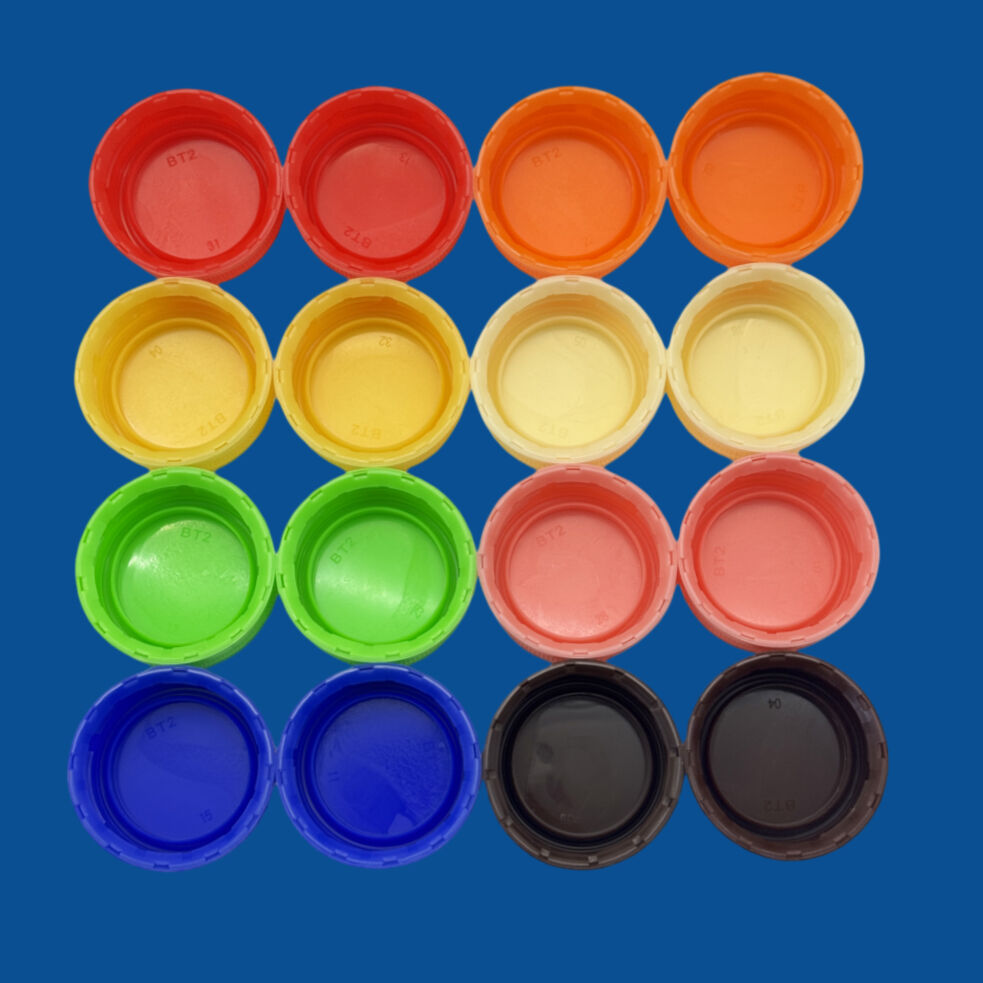
Premium Milk Bottle Cap Solutions - Advanced Sealing Technology for Dairy Packaging

Get a Free Quote

Our representative will contact you soon.
Email
Phone/Whatsapp
Company Name/Name
Message
0/1000

milk bottle cap

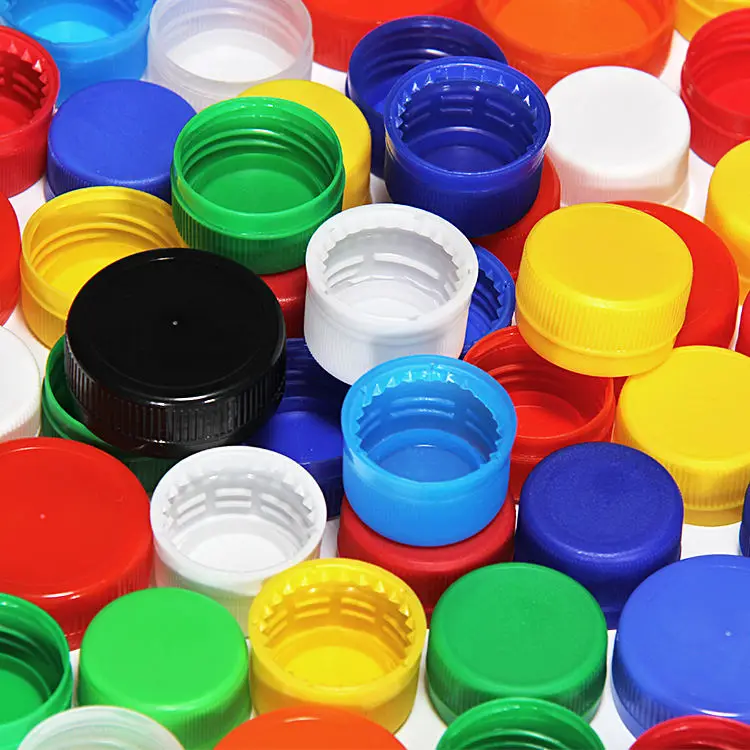
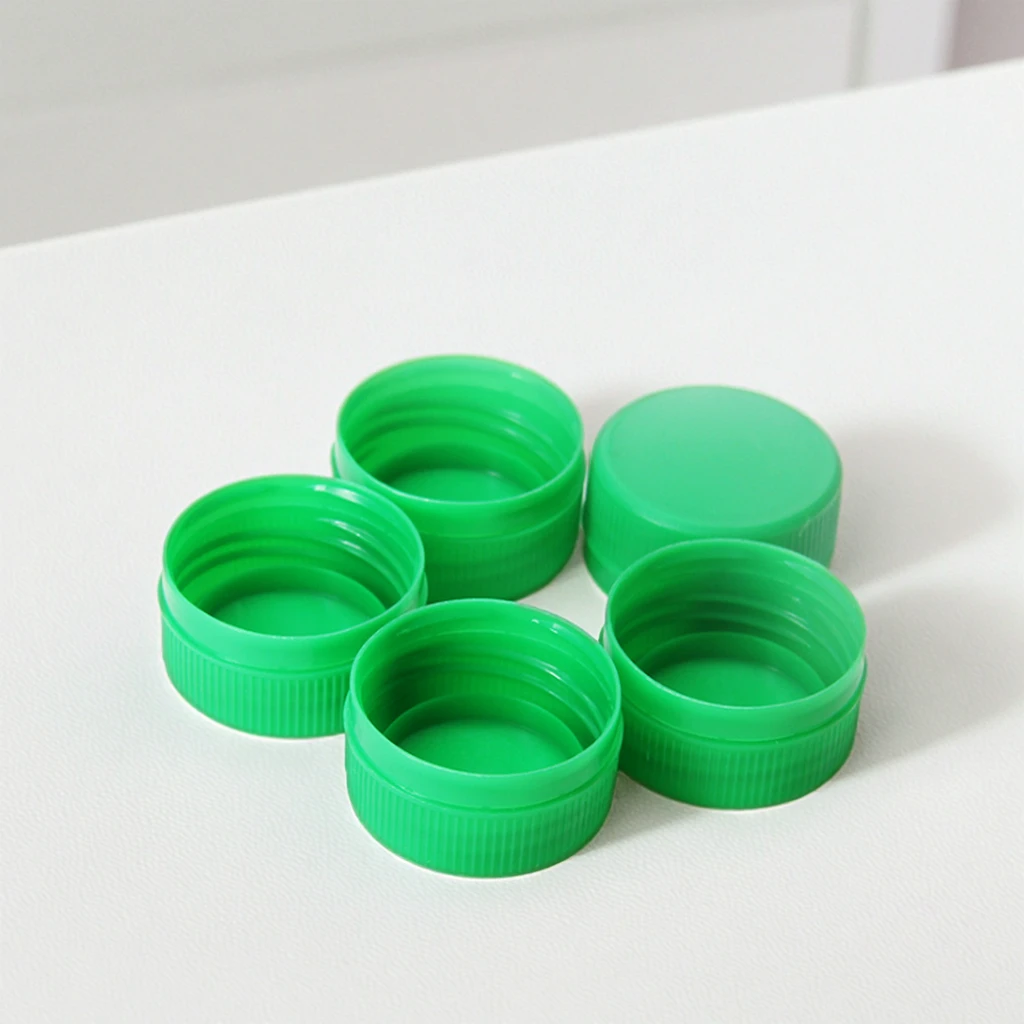
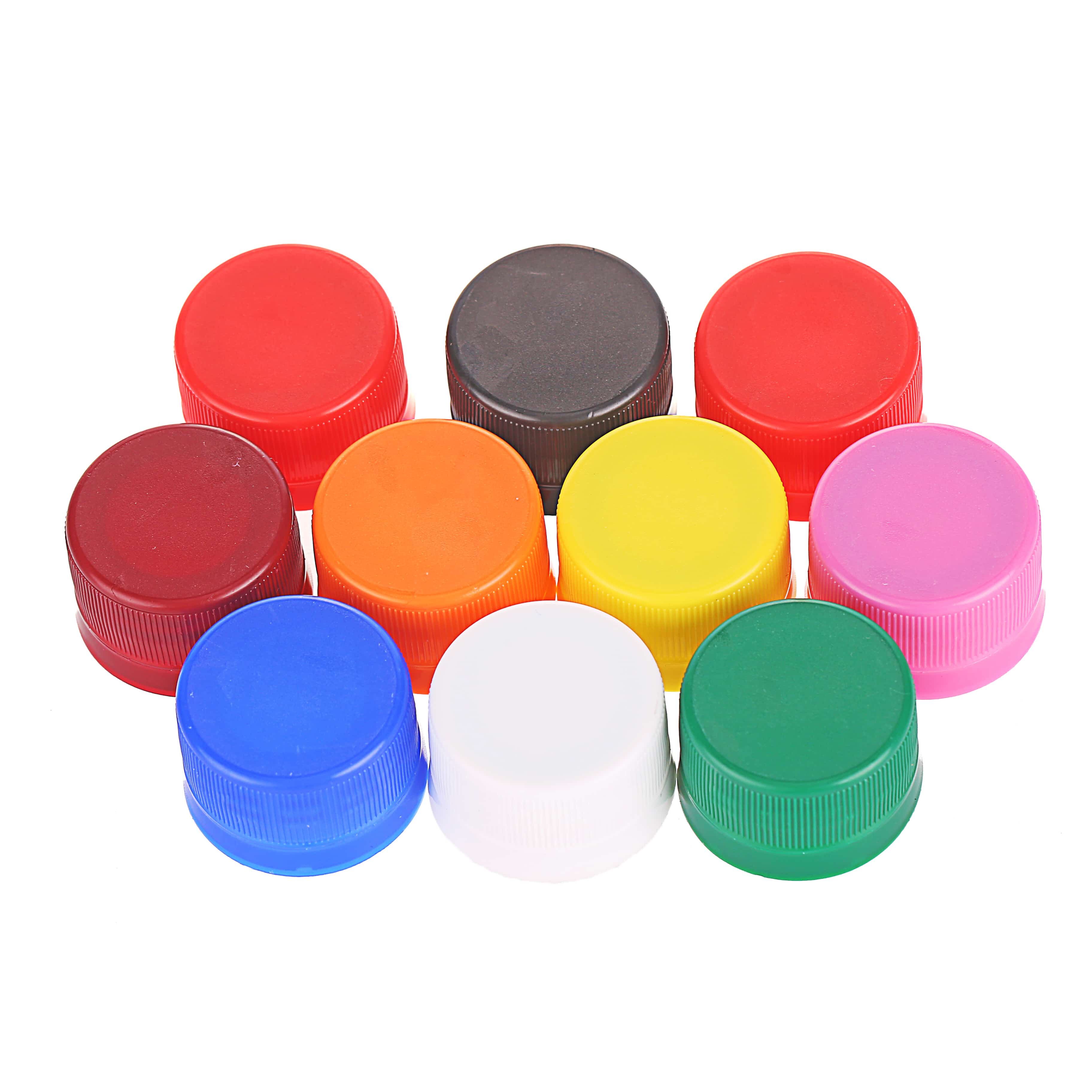
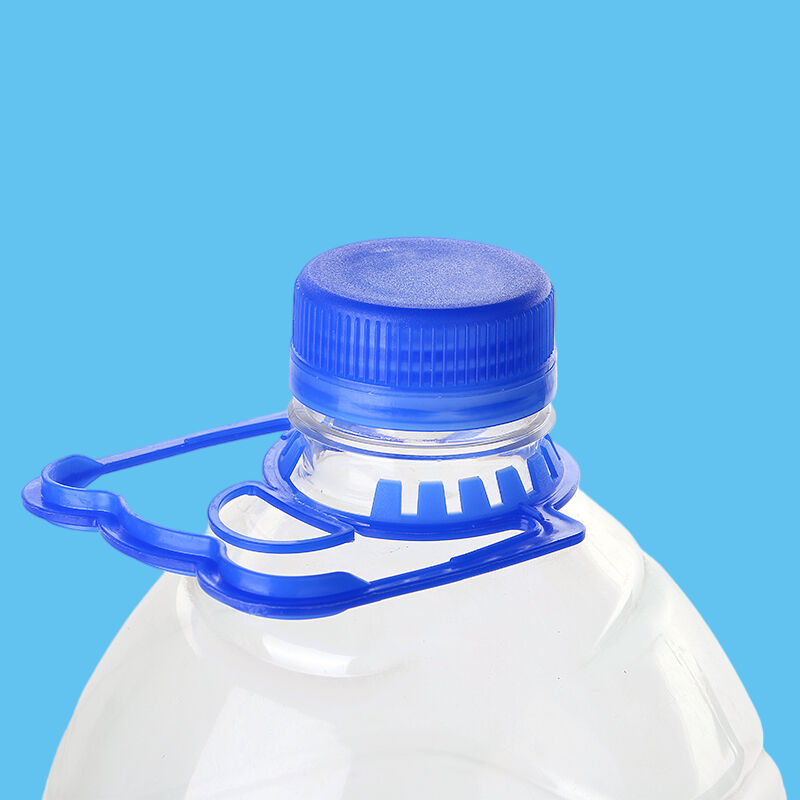
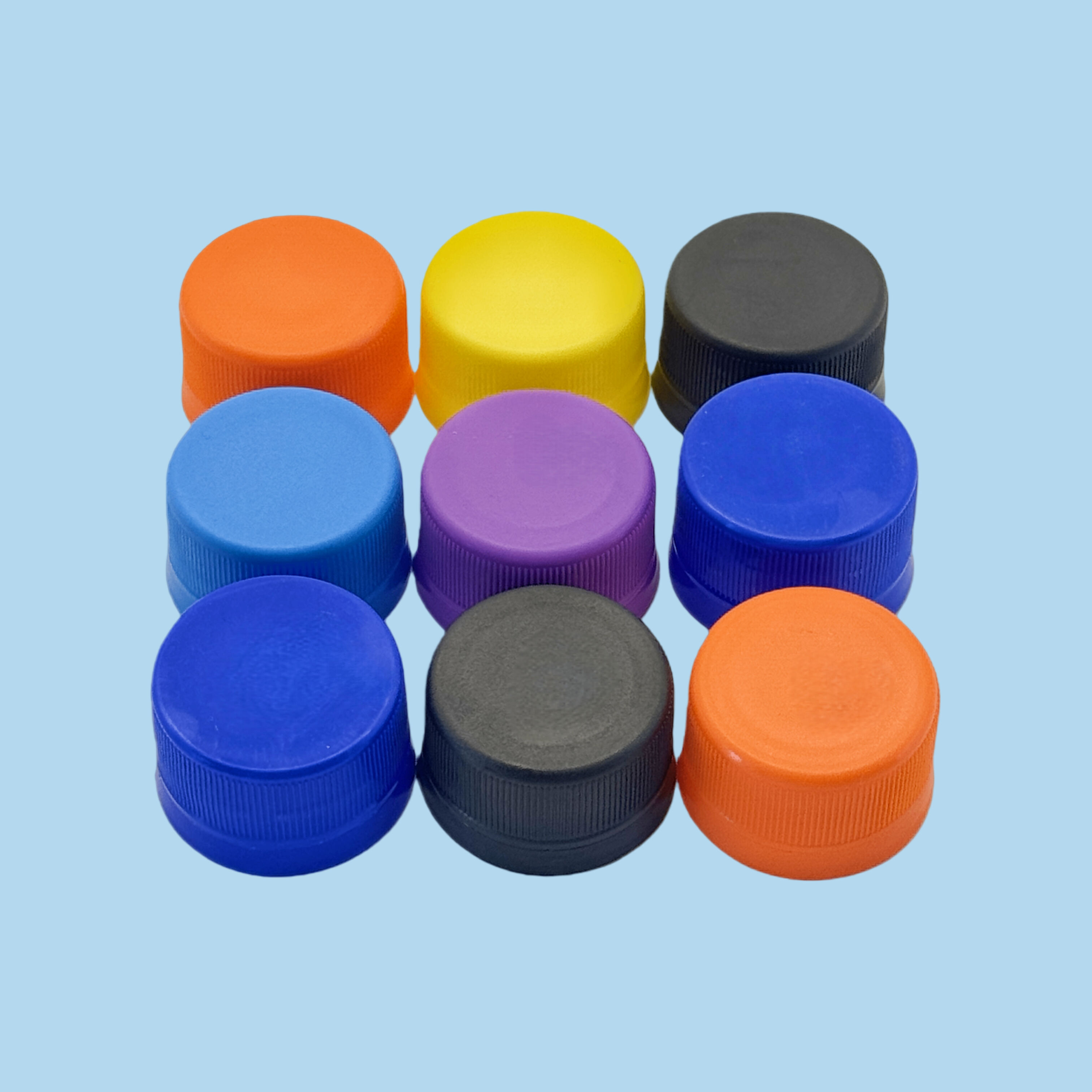
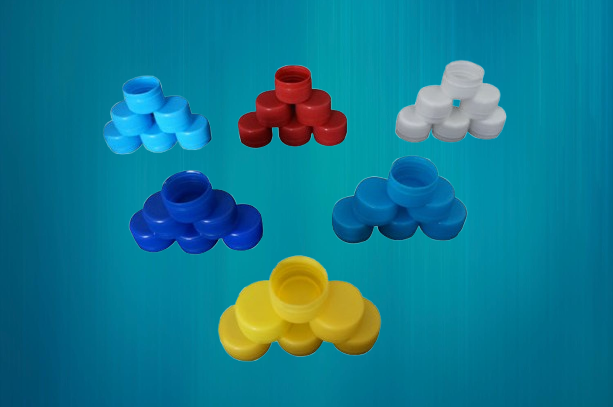
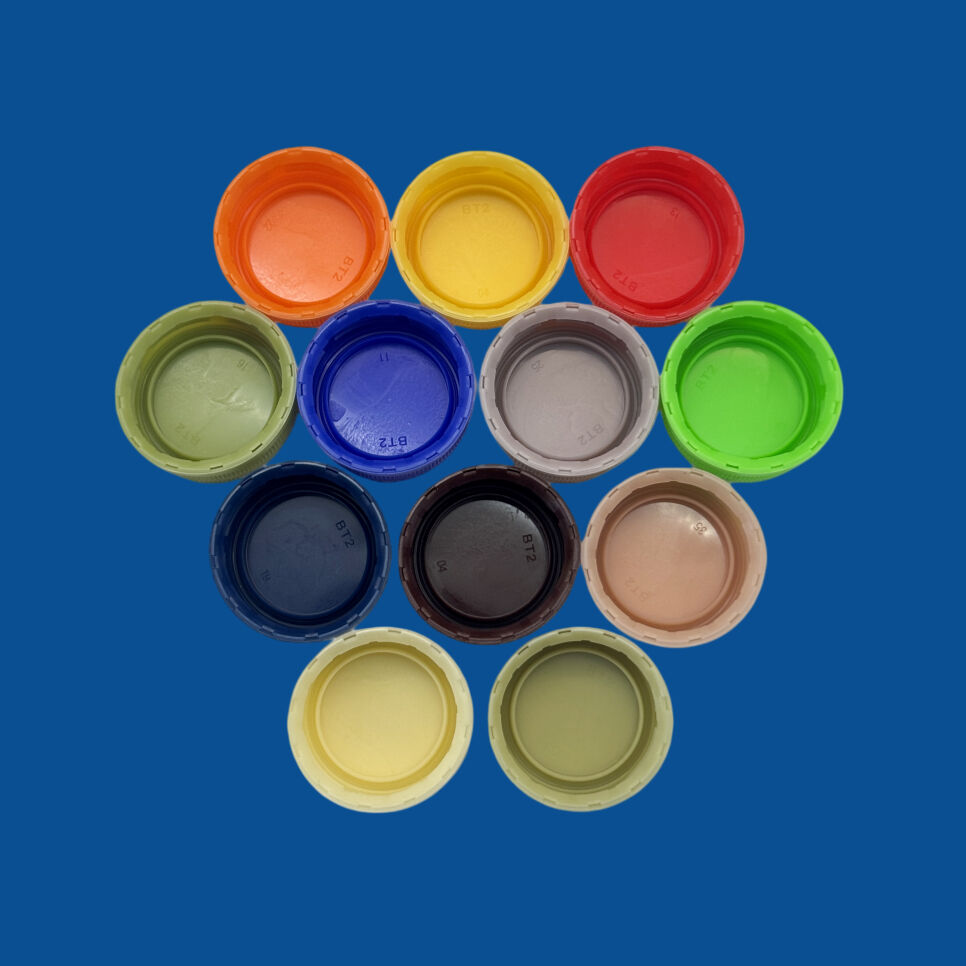
The milk bottle cap represents a fundamental component in modern dairy packaging systems, serving as the primary sealing mechanism for milk containers across residential and commercial applications. This essential closure device provides multiple critical functions that ensure product integrity, consumer safety, and operational efficiency throughout the entire milk distribution chain. Modern milk bottle cap designs incorporate advanced polymer materials and precision engineering to create reliable barriers against contamination, spoilage, and tampering. The technological evolution of the milk bottle cap has progressed significantly from simple cork stoppers to sophisticated threaded closures featuring tamper-evident seals, enhanced grip surfaces, and optimized dispensing mechanisms. Contemporary milk bottle cap manufacturing utilizes high-density polyethylene, polypropylene, and specialized food-grade plastics that meet stringent regulatory standards for direct food contact applications. These materials offer excellent chemical resistance, temperature stability, and mechanical durability while maintaining cost-effectiveness for large-scale production. The structural design of each milk bottle cap includes precisely molded threads, compression gaskets, and ergonomic features that facilitate easy opening and secure closure. Advanced manufacturing processes ensure consistent dimensional accuracy, leak-proof performance, and optimal torque requirements for reliable sealing. Industrial applications of milk bottle cap technology extend beyond traditional dairy packaging to include specialized containers for organic milk products, flavored beverages, and extended shelf-life dairy items. The versatility of milk bottle cap designs accommodates various container sizes, from single-serving portions to family-sized gallon containers, while maintaining uniform performance standards across different applications. Quality control measures in milk bottle cap production include rigorous testing protocols for seal integrity, material compatibility, and long-term performance under diverse storage conditions, ensuring reliable protection of dairy products throughout their intended shelf life.

New Products

The milk bottle cap delivers exceptional value through its superior sealing performance that prevents contamination and extends product freshness significantly beyond traditional closure methods. This enhanced protection mechanism creates an airtight barrier that blocks harmful bacteria, environmental contaminants, and oxygen infiltration, thereby preserving milk quality and nutritional content for extended periods. Consumers benefit from reduced product waste and longer storage times, translating directly into cost savings and improved household efficiency. The ergonomic design of modern milk bottle cap systems ensures effortless operation for users of all ages and physical capabilities, featuring textured grip surfaces and optimized torque requirements that eliminate the frustration associated with difficult-to-open containers. This user-friendly approach enhances customer satisfaction while reducing the risk of spills and accidents during opening and pouring procedures. Manufacturing efficiency represents another significant advantage, as standardized milk bottle cap designs enable streamlined production processes and reduced packaging costs for dairy producers. The lightweight construction of these closures minimizes shipping expenses while maintaining robust performance characteristics that meet demanding industrial requirements. Environmental sustainability benefits emerge through the recyclable nature of milk bottle cap materials, supporting circular economy initiatives and reducing overall packaging waste in landfill systems. Advanced tamper-evident features integrated into milk bottle cap designs provide consumers with confidence in product integrity while enabling easy identification of compromised packages. These security mechanisms protect against contamination and fraud while maintaining simple removal procedures for legitimate users. The chemical inertness of approved milk bottle cap materials ensures no flavor transfer or material migration into dairy products, preserving taste profiles and meeting strict food safety regulations. Temperature resistance capabilities allow milk bottle cap performance to remain consistent across various storage conditions, from refrigerated environments to ambient temperature transport scenarios. Cost-effectiveness emerges through the long-term durability and reusability potential of quality milk bottle cap designs, offering exceptional value propositions for both commercial operators and residential consumers seeking reliable dairy packaging solutions.

Practical Tips

The Ultimate Guide to Choosing the Right Water Cap for Your Bottling Plant

04

Mar

The Ultimate Guide to Choosing the Right Water Cap for Your Bottling Plant

Selecting the appropriate water cap for your bottling plant represents one of the most critical decisions in beverage production operations. The water cap serves as the final seal that ensures product integrity, maintains freshness, and protects cons...
View More
Understanding Different Bottle Cap Sizes: 28mm, 30mm, 38mm and More

02

Apr

Understanding Different Bottle Cap Sizes: 28mm, 30mm, 38mm and More

Understanding bottle cap sizes is essential for manufacturers, bottlers, and packaging professionals who need to ensure proper sealing, functionality, and compatibility across their product lines. The diameter measurements of bottle caps, particularl...
View More
The Impact of Water Cap Material on Shelf Life and Freshness

15

Apr

The Impact of Water Cap Material on Shelf Life and Freshness

The material composition of a water cap plays a crucial role in determining how long bottled water maintains its optimal freshness and shelf life. While consumers often focus on the water source and filtration methods, the seemingly simple water cap ...
View More
Why Water Cap Quality is Critical for High-Speed Production Lines

28

May

Why Water Cap Quality is Critical for High-Speed Production Lines

High-speed production lines in the beverage industry demand precision, efficiency, and unwavering quality control at every stage of the manufacturing process. Among the critical components that directly impact production success, water cap quality em...
View More

Get a Free Quote

Our representative will contact you soon.
Email
Phone/Whatsapp
Company Name/Name
Message
0/1000

milk bottle cap

Advanced Tamper-Evident Security System

Advanced Tamper-Evident Security System

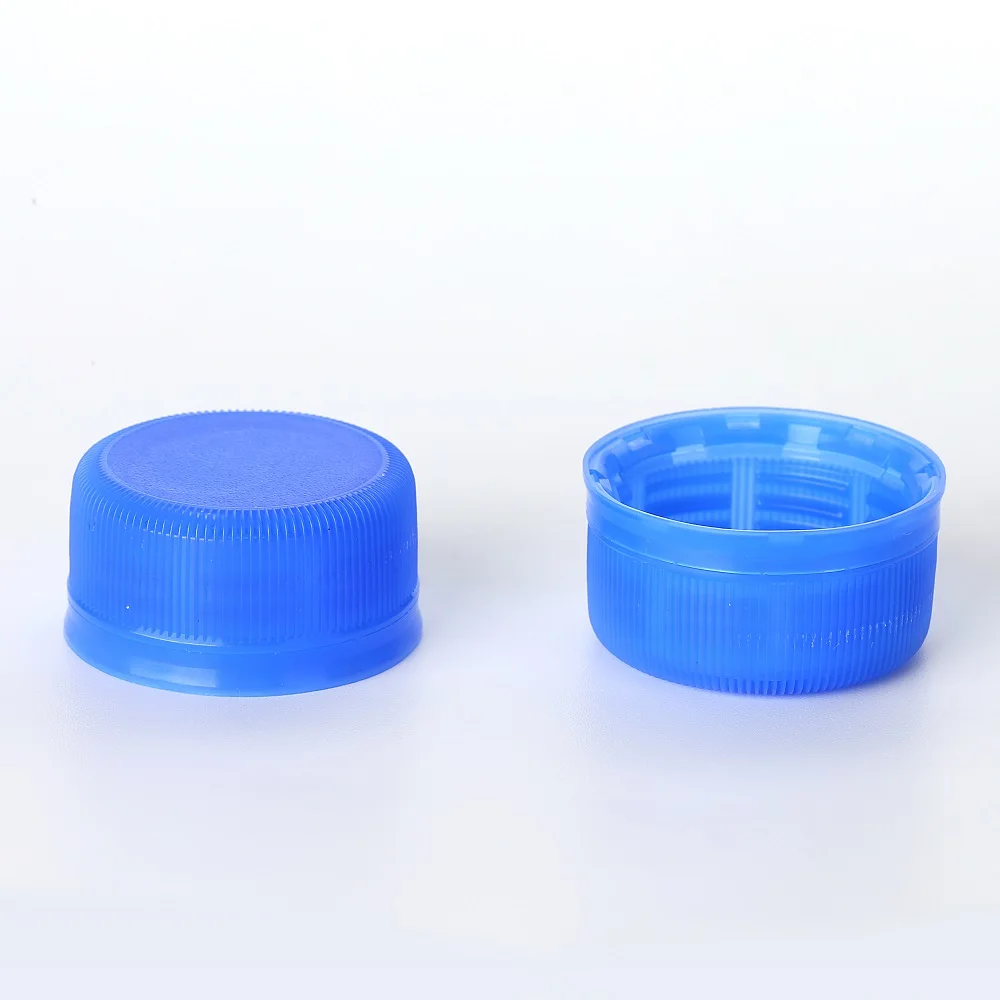
The sophisticated tamper-evident security system integrated into modern milk bottle cap technology represents a breakthrough in consumer protection and product integrity assurance. This innovative feature incorporates multiple security elements that provide unmistakable visual indicators when packages have been compromised or accessed improperly. The primary mechanism consists of a breakaway ring or band that separates from the main cap body during initial opening, creating a permanent indication that the container has been accessed. This security measure protects consumers from potential contamination, adulteration, or malicious tampering while maintaining the convenience and functionality expected from premium dairy packaging solutions. The engineering behind these tamper-evident milk bottle cap systems requires precise material selection and manufacturing tolerances to ensure reliable performance across varying temperature conditions and handling scenarios. Advanced polymer formulations provide the optimal balance between security and usability, ensuring that legitimate access remains simple while unauthorized tampering becomes immediately apparent. The visual design elements incorporated into these security features often include contrasting colors, textured surfaces, or printed warnings that draw consumer attention to the integrity status of their dairy products. Quality assurance protocols for tamper-evident milk bottle cap production include comprehensive testing procedures that validate the mechanical properties, durability, and reliability of security mechanisms under real-world conditions. These testing procedures simulate various tampering attempts, storage conditions, and normal usage patterns to ensure consistent performance throughout the product lifecycle. Consumer education initiatives often accompany the implementation of advanced tamper-evident milk bottle cap systems, helping buyers understand the importance of checking security features before consumption and recognizing signs of potential compromise. The economic benefits of implementing robust tamper-evident technologies extend beyond consumer protection to include reduced liability exposure for dairy producers, enhanced brand reputation, and compliance with evolving food safety regulations that increasingly emphasize package integrity verification systems.
Superior Freshness Preservation Technology

Superior Freshness Preservation Technology

The superior freshness preservation technology embedded within advanced milk bottle cap designs revolutionizes dairy product storage by creating optimal barrier properties that significantly extend shelf life and maintain nutritional quality. This cutting-edge preservation system combines multiple protective mechanisms including oxygen barrier layers, moisture control features, and specialized sealing geometries that work synergistically to create an ideal storage environment for dairy products. The scientific foundation of this technology relies on precisely engineered polymer compositions that minimize gas permeability while maintaining structural integrity under varying pressure and temperature conditions. Advanced milk bottle cap preservation systems incorporate micro-structured sealing surfaces that conform perfectly to container rim geometries, eliminating potential leak paths that could compromise product quality. The molecular-level barrier properties of these specialized materials prevent oxidation reactions that typically degrade milk proteins, vitamins, and flavor compounds, ensuring that products maintain their intended taste profiles and nutritional benefits throughout extended storage periods. Temperature stability represents a crucial aspect of freshness preservation technology, with milk bottle cap materials engineered to maintain consistent sealing performance across refrigerated storage, ambient transport, and occasional temperature fluctuations that occur during normal handling. The preservation efficiency of these systems translates directly into tangible consumer benefits including reduced food waste, extended purchasing intervals, and improved value perception for premium dairy products. Laboratory testing protocols for freshness preservation capabilities include accelerated aging studies, permeability measurements, and sensory evaluation procedures that validate the effectiveness of barrier technologies under controlled conditions. Real-world performance validation involves extensive field testing across diverse climate conditions, distribution networks, and consumer usage patterns to ensure that preservation claims reflect actual performance outcomes. The environmental impact of superior freshness preservation technology extends beyond individual consumer benefits to include reduced food waste at retail and consumer levels, contributing to more sustainable food distribution systems and reduced environmental footprint for dairy industry operations.
Precision-Engineered Ergonomic Design

Precision-Engineered Ergonomic Design

The precision-engineered ergonomic design of contemporary milk bottle cap systems represents the culmination of extensive human factors research and advanced manufacturing capabilities, creating closures that optimize user experience while maintaining superior functional performance. This sophisticated design approach incorporates detailed anthropometric data, grip strength analysis, and motor skill considerations to develop cap geometries that accommodate diverse user populations including children, elderly individuals, and people with limited manual dexterity. The surface texturing and contouring of ergonomic milk bottle cap designs utilize advanced molding techniques to create tactile features that enhance grip security while reducing the force required for opening and closing operations. These textural elements are strategically positioned to provide optimal finger placement and torque transmission, ensuring reliable operation even when hands are wet or when users wear gloves. The dimensional optimization of ergonomic milk bottle cap systems involves careful consideration of cap diameter, height, and thread pitch to create the ideal balance between sealing performance and ease of operation. Advanced computational modeling techniques enable engineers to simulate various hand sizes and grip patterns, optimizing cap geometries for maximum accessibility and comfort during use. The material selection for ergonomic designs emphasizes flexibility and resilience characteristics that allow slight deformation during gripping without compromising structural integrity or sealing performance. This approach creates a more forgiving interface that accommodates natural variations in hand strength and coordination abilities. Color and visual design elements integrated into ergonomic milk bottle cap systems often include contrast enhancement features that aid users with visual impairments while providing clear operational cues for proper opening and closing procedures. The manufacturing precision required for ergonomic milk bottle cap production demands tight dimensional tolerances and consistent material properties to ensure that each unit delivers the intended user experience. Quality control procedures include tactile testing, torque measurement, and user experience validation studies that verify the effectiveness of ergonomic design elements across representative user populations. The long-term benefits of precision-engineered ergonomic design extend beyond immediate user satisfaction to include reduced packaging-related injuries, improved customer loyalty, and enhanced brand differentiation in competitive dairy markets where user experience increasingly influences purchasing decisions.

Get a Free Quote

Our representative will contact you soon.
Email
Phone/Whatsapp
Company Name/Name
Message
0/1000