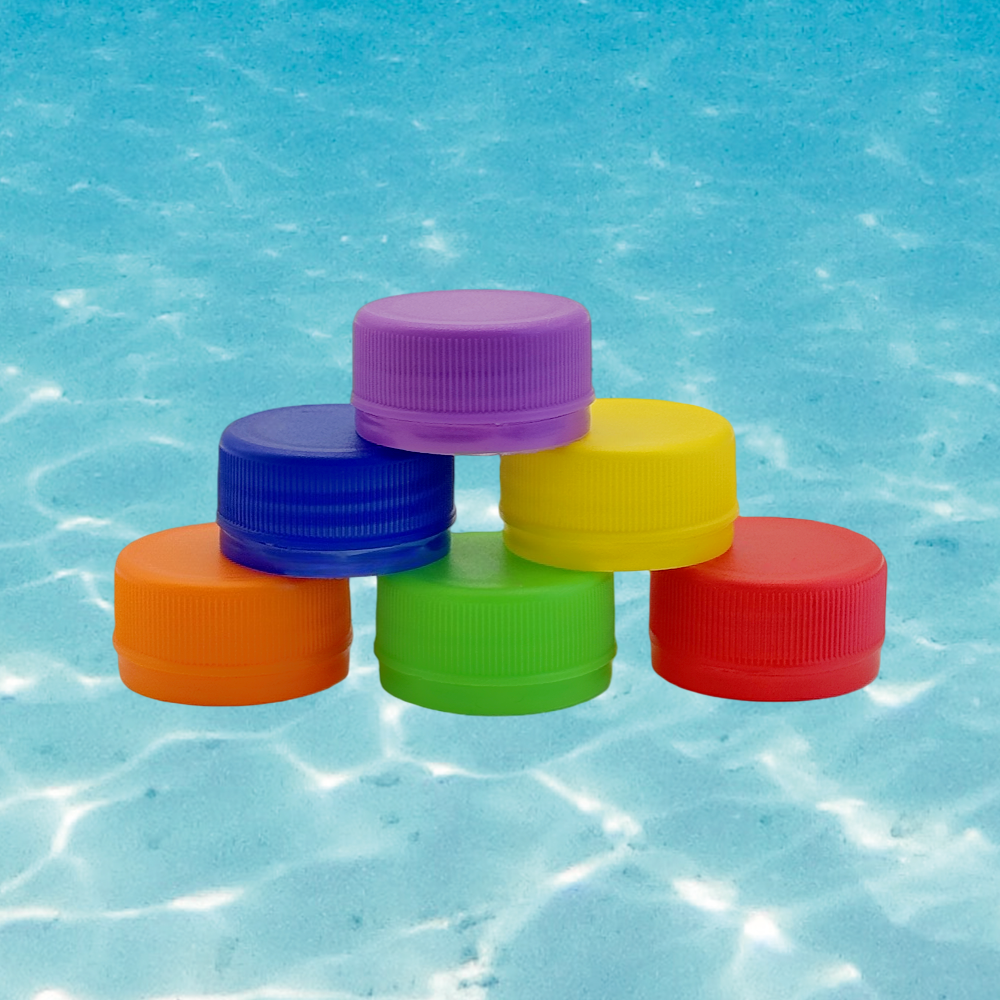
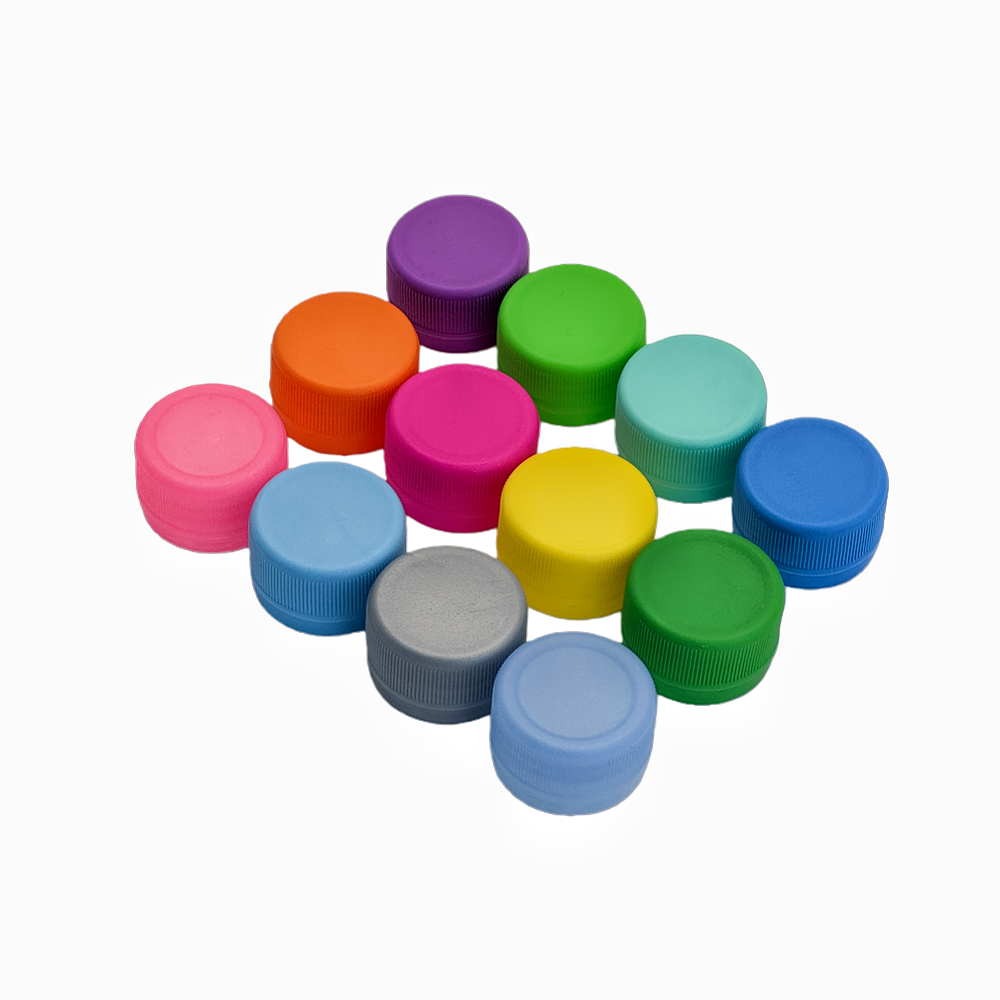
Selecting the appropriate water cap for your bottling plant represents one of the most critical decisions in beverage production operations. The water cap serves as the final seal that ensures product integrity, maintains freshness, and protects consumer safety throughout the entire supply chain. For bottling plant managers and procurement professionals, understanding the intricate relationship between cap specifications, production requirements, and quality standards becomes essential for maintaining competitive advantage in today's demanding beverage market.

The complexity of water cap selection extends far beyond simple dimensional compatibility with your bottle neck finish. Modern bottling operations must consider factors including sealing performance under varying pressure conditions, material compatibility with different water formulations, production line speed requirements, and long-term storage stability. This comprehensive guide addresses the systematic approach required to evaluate, select, and implement the optimal water cap solution that aligns with your specific production parameters, quality objectives, and operational constraints.
Understanding Water Cap Fundamentals for Bottling Operations
Essential Cap Design Elements
The foundation of effective water cap selection begins with understanding the critical design elements that directly impact sealing performance and production efficiency. The thread engagement profile determines how securely the water cap interfaces with the bottle neck, while the liner material composition affects the chemical compatibility and barrier properties essential for maintaining water quality. Professional bottling operations must evaluate the cap's compression characteristics to ensure consistent application torque across high-speed production lines.
Thread pitch accuracy becomes particularly crucial when dealing with automated capping equipment operating at industrial speeds. A properly designed water cap maintains dimensional stability under varying temperature conditions, preventing seal failure during transportation and storage. The cap's sidewall thickness directly influences the structural integrity needed to withstand the mechanical stresses encountered during the capping process and subsequent handling operations.
Material Science Considerations
The material composition of your water cap significantly impacts both performance characteristics and regulatory compliance requirements. High-density polyethylene and polypropylene represent the most common base materials, each offering distinct advantages in terms of chemical resistance, temperature stability, and processing characteristics. The selection between these materials depends on your specific water formulation, expected shelf life requirements, and environmental conditions during distribution.
Advanced polymer additives enhance the functional properties of the water cap, including UV stabilizers for extended outdoor exposure and antioxidants for improved long-term performance. Food-grade certification requirements mandate strict adherence to regulatory standards, ensuring that the water cap materials do not introduce contaminants or alter the sensory properties of the packaged water. Understanding these material science principles enables informed decision-making when evaluating supplier proposals and technical specifications.
Production Line Integration and Compatibility Assessment
Capping Equipment Compatibility
Successful water cap implementation requires thorough compatibility assessment with existing capping equipment and production line configurations. The cap's geometric parameters must align precisely with the chuck specifications, torque settings, and feed system requirements of your automated capping machinery. Dimensional tolerances become critical when operating at high production speeds, as even minor variations can result in misapplied caps, production stoppages, or quality defects.
Modern capping systems often incorporate sophisticated torque monitoring and quality control features that require specific cap design characteristics to function optimally. The water cap must provide consistent resistance characteristics during the application process, enabling accurate torque measurement and rejection of improperly sealed packages. Evaluating these compatibility factors during the selection process prevents costly production disruptions and ensures seamless integration with your existing infrastructure.
Speed and Efficiency Optimization
Production line efficiency directly correlates with the water cap's design characteristics and manufacturing consistency. High-speed bottling operations require caps that feed smoothly through automated handling systems without jamming or misorientation issues. The cap's weight distribution and surface finish affect how reliably it moves through vibratory bowl feeders and linear transfer systems, impacting overall equipment effectiveness and production throughput.
Consistent wall thickness and precise molding tolerances ensure uniform behavior during the capping process, minimizing variation in application force and seal quality. The water cap's design must accommodate the rapid acceleration and deceleration cycles typical of high-speed production lines while maintaining structural integrity and sealing performance. These considerations become increasingly important as production volumes scale and efficiency targets intensify.
Quality Assurance and Performance Validation
Sealing Performance Testing
Comprehensive sealing performance validation represents a cornerstone of effective water cap selection, requiring systematic testing protocols that simulate real-world conditions. Pressure testing procedures evaluate the cap's ability to maintain hermetic seals under varying internal pressures, temperature fluctuations, and mechanical stresses encountered during distribution. These tests must account for the specific characteristics of your water formulation, including dissolved gas content and chemical composition that may affect sealing performance.
Long-term stability testing reveals how the water cap performs over extended storage periods, identifying potential failure modes related to material degradation, stress relaxation, or environmental exposure. Accelerated aging protocols compress months of real-time exposure into controlled laboratory conditions, enabling rapid assessment of cap performance under various storage scenarios. Understanding these performance characteristics allows for informed shelf-life determinations and distribution strategy optimization.
Regulatory Compliance and Safety Standards
The water cap must meet stringent regulatory requirements governing food contact materials and packaging safety standards. FDA regulations specify migration limits for various chemical compounds, requiring comprehensive testing to demonstrate that the cap materials do not introduce harmful substances into the packaged water. European Union regulations impose additional requirements for recyclability and environmental impact assessment, influencing material selection and design optimization.
Third-party certification programs provide independent validation of regulatory compliance, offering additional assurance for quality-conscious bottling operations. These certifications often require ongoing monitoring and periodic re-testing to maintain validity, establishing quality management protocols that extend throughout the cap's lifecycle. Maintaining comprehensive documentation of compliance testing and certification status becomes essential for regulatory audits and customer quality requirements.
Economic Analysis and Total Cost Optimization
Cost Structure Evaluation
Effective water cap selection requires comprehensive economic analysis that extends beyond simple unit pricing to encompass total cost of ownership throughout the production and distribution cycle. Direct material costs must be evaluated against performance benefits, including reduced waste from sealing failures, improved production efficiency, and enhanced product quality that supports premium positioning. The water cap represents a critical component where quality investments often yield substantial returns through operational improvements and risk mitigation.
Hidden costs associated with cap performance issues include production line downtime, quality control labor, customer complaints, and potential recall expenses that can far exceed the incremental cost of premium cap solutions. Systematic cost modeling incorporates these risk factors alongside direct procurement expenses, enabling informed decision-making based on total economic impact rather than initial purchase price alone.
Supplier Partnership and Supply Chain Optimization
Strategic supplier partnerships play a crucial role in optimizing water cap procurement and ensuring consistent supply chain performance. Qualified suppliers demonstrate technical expertise, manufacturing capability, and quality systems that support your production requirements while providing competitive pricing and reliable delivery performance. The evaluation process should include supplier facility audits, quality system assessments, and capability demonstrations that validate their ability to meet your specific requirements.
Supply chain resilience becomes increasingly important in today's volatile business environment, requiring backup supplier qualification and inventory management strategies that prevent production disruptions. The water cap supplier's geographic footprint, production capacity, and financial stability directly impact your operational risk profile and long-term business continuity. Developing comprehensive supplier scorecards and performance monitoring systems ensures ongoing alignment with your quality and delivery expectations.
Implementation Strategy and Change Management
Transition Planning and Risk Mitigation
Implementing a new water cap solution requires systematic transition planning that minimizes production risks while ensuring quality continuity throughout the changeover process. Pilot testing protocols validate performance under actual production conditions, identifying potential issues before full-scale implementation. These trials should encompass various production scenarios, including different line speeds, environmental conditions, and product formulations to ensure comprehensive validation.
Change management procedures must address operator training requirements, equipment adjustments, and quality control protocol modifications necessary for successful implementation. The water cap transition plan should include contingency provisions for reverting to previous specifications if unexpected issues arise during the implementation phase. Maintaining parallel qualification of existing and new cap solutions provides flexibility and risk mitigation during the transition period.
Performance Monitoring and Continuous Improvement
Ongoing performance monitoring systems track key metrics related to water cap performance, including sealing failure rates, production efficiency impacts, and customer feedback trends. Statistical process control techniques identify performance variations and trends that may indicate emerging issues or optimization opportunities. Regular performance reviews with cap suppliers facilitate collaborative improvement initiatives and ensure continued alignment with evolving production requirements.
Continuous improvement programs leverage performance data to drive ongoing enhancements in cap design, manufacturing processes, and application techniques. The water cap represents a critical interface between product quality and customer satisfaction, making performance optimization an ongoing priority rather than a one-time selection decision. Establishing feedback loops with production teams, quality personnel, and customer service departments provides comprehensive insight into cap performance across the entire value chain.
FAQ
What are the most critical factors when selecting a water cap for high-speed bottling operations?
The most critical factors include thread accuracy for consistent capping, material durability for high-speed application, sealing performance under varying conditions, and dimensional consistency for reliable automated handling. Production speed compatibility, torque requirements, and equipment integration capabilities are equally important for maintaining operational efficiency.
How do I determine the appropriate water cap material for different water formulations?
Material selection depends on your water's chemical composition, pH levels, dissolved gas content, and expected shelf life. Standard HDPE and PP materials work well for most applications, while specialized formulations may require enhanced barrier properties or chemical resistance. Conducting migration testing and compatibility studies with your specific water formulation ensures optimal material selection.
What quality testing should I perform before implementing a new water cap design?
Essential testing includes pressure resistance validation, seal integrity assessment, torque application consistency, accelerated aging studies, and regulatory compliance verification. Production line compatibility trials, including feed system performance and capping equipment integration, should be conducted under actual operating conditions to validate performance expectations.
How can I optimize the total cost of ownership for water cap procurement?
Total cost optimization requires evaluating quality-related savings, production efficiency gains, and risk mitigation benefits alongside direct material costs. Consider factors such as sealing failure rates, line efficiency impacts, customer satisfaction effects, and supplier reliability when calculating true economic value. Strategic supplier partnerships and long-term agreements often provide additional cost advantages and supply chain stability.
Table of Contents
- Understanding Water Cap Fundamentals for Bottling Operations
- Production Line Integration and Compatibility Assessment
- Quality Assurance and Performance Validation
- Economic Analysis and Total Cost Optimization
- Implementation Strategy and Change Management
-
FAQ
- What are the most critical factors when selecting a water cap for high-speed bottling operations?
- How do I determine the appropriate water cap material for different water formulations?
- What quality testing should I perform before implementing a new water cap design?
- How can I optimize the total cost of ownership for water cap procurement?