
 EN
EN


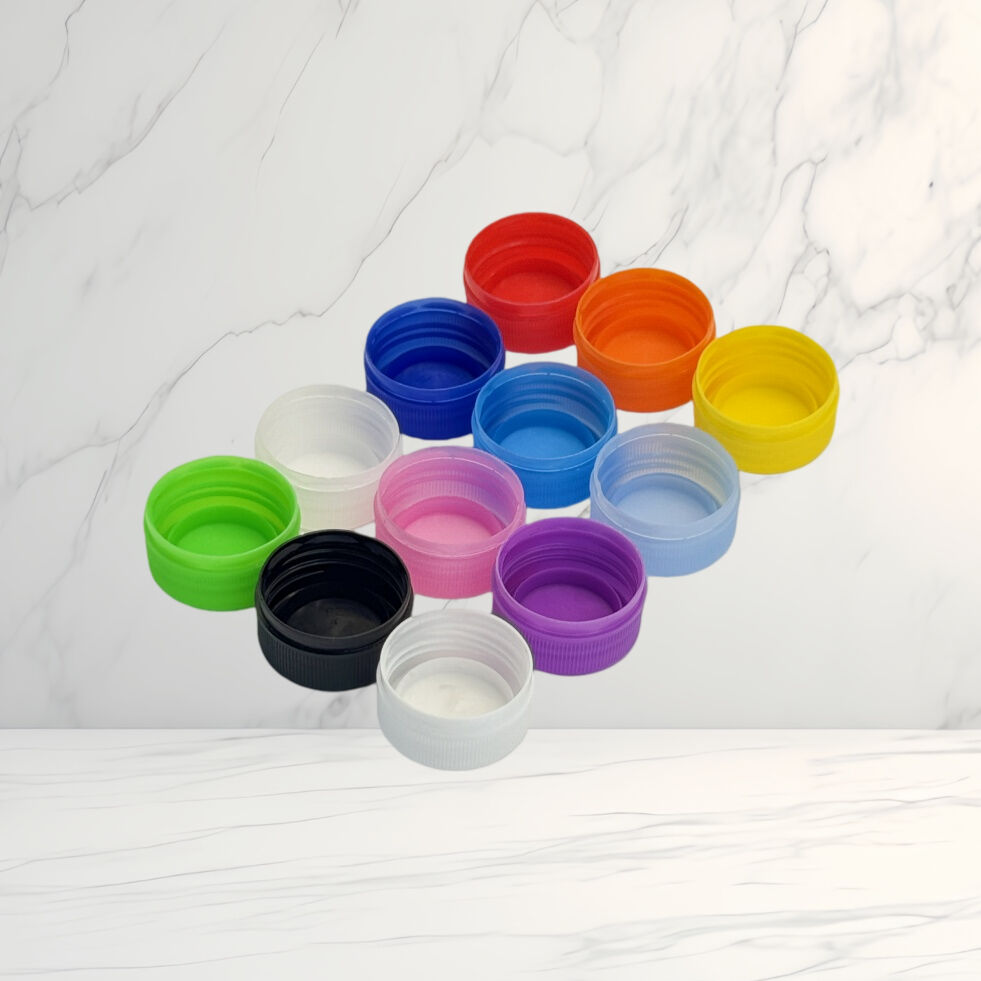
In the crowded world of beverage retail, first impressions are made in seconds. A shopper scanning a shelf full of products will make a purchasing decision based largely on visual cues, and one of the most overlooked yet powerful visual elements is the Juice Cap. This small component sits at the very top of your bottle, making it one of the first things a consumer notices. Its color, finish, and design carry a brand message that either reinforces your identity or fails to communicate it entirely.
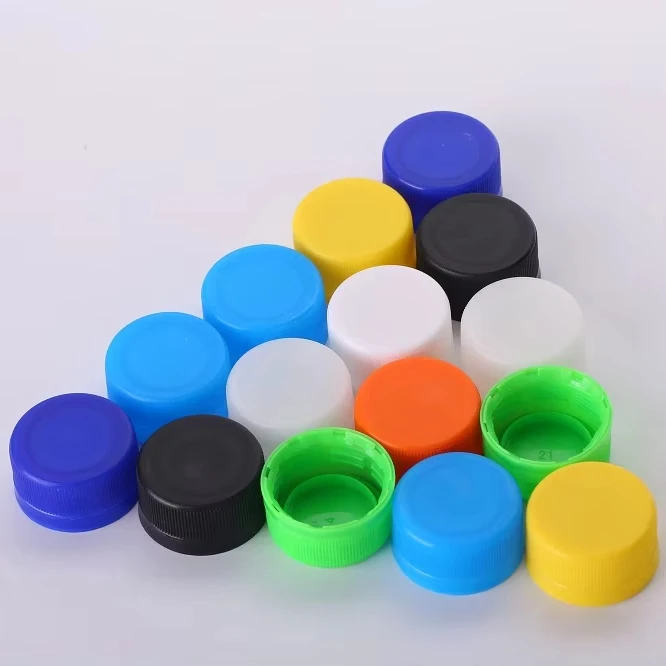
Custom color options for your Juice Cap are no longer a luxury reserved for large beverage corporations. Manufacturers today offer highly flexible customization programs that allow brands of all sizes to select specific Pantone shades, matte or gloss finishes, and even printed or embossed logos directly on the cap surface. Understanding how strategic color choices translate into stronger shelf presence can give your brand a measurable competitive advantage in both retail and foodservice channels.
The Role of Color Psychology in Juice Cap Design
How Cap Color Shapes Consumer Perception
Color is a language that operates below conscious awareness. When a consumer sees a bright orange Juice Cap, their brain instantly makes associations with natural citrus, vitamin C, and freshness. A deep green Juice Cap may suggest organic ingredients or cold-pressed quality. These associations are not accidental — they are the result of decades of color psychology research that marketers in the food and beverage industry use deliberately.
The Juice Cap, though physically small, acts as a color anchor for the entire bottle design. It visually 'finishes' the package and can either harmonize with the label or create a contrasting accent that draws the eye. When selected thoughtfully, cap color becomes a silent brand ambassador that communicates freshness, purity, premium quality, or value positioning without a single word.
For juice brands specifically, color choices tied to flavor variety are particularly effective. A brand offering apple, mango, and berry variants can use a distinct Juice Cap color for each flavor, making it easier for loyal customers to grab the right product without reading the label in detail. This kind of intuitive packaging shortcut builds brand loyalty and reduces decision fatigue at the shelf.
Connecting Cap Color to Brand Identity
A Juice Cap should never be selected in isolation from the broader brand identity. The cap color must align with the dominant colors in the logo, the label background, and any other visual brand elements. When this alignment is achieved, the entire package communicates a unified message that feels professional and trustworthy to the consumer.
For premium juice brands, a matte black or deep forest green Juice Cap can reinforce a positioning of artisanal quality. For family-focused or children's juice products, bright, saturated colors signal fun, energy, and approachability. The critical insight here is that the Juice Cap is part of the brand's visual story, and every custom color decision should be made with that story in mind.
Consistency across product lines is also essential. If your brand expands its SKUs over time, maintaining a recognizable Juice Cap color family ensures that new products are immediately recognizable as belonging to the same brand family. This consistency compounds over time, deepening brand recognition with each repeat purchase.
Shelf Impact and the Science of Standing Out
Creating Visual Differentiation in a Crowded Category
Retail shelf space is a battlefield. The juice category is one of the most visually saturated sections in any supermarket, with dozens of brands competing for a shopper's gaze across multiple rows and shelves. In this environment, a distinctive Juice Cap color can serve as a visual beacon that makes your product identifiable from several feet away.
Research in visual merchandising consistently shows that packaging elements positioned at the top of a bottle receive disproportionate visual attention because they sit above the label line and are visible even when bottles are partially obscured by other products. This makes the Juice Cap a strategically important branding real estate. A well-chosen custom color can allow your bottle to 'pop' in a way that a standard white or generic blue cap simply cannot achieve.
The effect is amplified when multiple units of the same product are grouped together on shelf. A block of bottles with a distinctive custom Juice Cap color creates a visual mass that commands attention far more powerfully than individual units. This principle, known in retail as 'blocking,' is a proven technique for increasing brand visibility without changing shelf positioning or increasing the size of your label.
Finish Options That Influence Perceived Quality
Beyond color itself, the finish of a Juice Cap plays an equally important role in how the product is perceived. A high-gloss finish catches light dynamically and communicates vibrancy and energy — qualities that resonate well with sports hydration or vitamin-enhanced juice beverages. A matte finish, on the other hand, signals sophistication, restraint, and premium positioning that appeals to health-conscious adult consumers.
Some beverage brands are increasingly adopting metallic or pearlescent finishes for their Juice Cap as a way to convey luxury or limited-edition status. These finishes are particularly effective for seasonal product launches, gift-pack presentations, or premium SKUs where the packaging itself is part of the value proposition. The additional cost of such finishes is typically offset by the ability to command higher retail price points.
Textured surfaces on a Juice Cap can also add a tactile dimension to the consumer experience. A soft-touch or rubberized coating not only feels premium in the hand but also provides a functional grip advantage that consumers may consciously or subconsciously appreciate. This multisensory approach to cap design elevates the overall brand experience beyond what is visible on the shelf.
Technical Considerations for Custom Juice Cap Production
Material Selection and Color Accuracy
Achieving accurate, consistent color in a Juice Cap requires careful attention to material selection and the coloring process used during manufacturing. Most plastic bottle caps are made from polypropylene (PP) or high-density polyethylene (HDPE), and both materials accept color pigments differently. PP tends to produce slightly brighter, more saturated colors, while HDPE can sometimes yield a softer, more muted tone.
When commissioning a custom Juice Cap order, providing a precise Pantone color reference is the most reliable way to ensure the final product matches your brand standards. Reputable manufacturers will produce color samples and physical pre-production prototypes that allow you to approve the color accuracy before full production begins. This step is critical for brands that have established color standards that must be met consistently across production batches.
It is also important to account for how the color of a Juice Cap may shift slightly under different lighting conditions — fluorescent retail lighting, natural daylight, and LED shelf lighting can all affect how a color reads. Testing your cap color under the actual lighting conditions in which your product will be displayed is a best practice that prevents unpleasant surprises at the retail level.
Dimensions, Compatibility, and the 28mm Standard
For most juice bottle applications, the 28mm screw cap is the industry standard. This dimension refers to the inner diameter of the cap opening and corresponds to the most widely used neck finish in the beverage industry for bottles ranging from 250ml to 1.5L. Choosing a Juice Cap in this standard size ensures compatibility with the broadest range of bottle formats and simplifies your supply chain.
When customizing a Juice Cap with color and logo, it is essential to confirm that the customization process does not compromise the functional integrity of the cap. The tamper-evident band, sealing liner, and thread engagement must all perform to specification regardless of the color or surface treatment applied. Any reputable supplier should provide documented quality assurance data that confirms functional performance alongside aesthetic specifications.
Custom Juice Cap designs should also be evaluated for compatibility with your existing bottling line equipment. Cap application torque values, conveyor grip compatibility, and cap feeder system dimensions all need to be verified when introducing a new cap design. Working with a manufacturer who understands these operational requirements can save significant time and cost during the production ramp-up phase.
Brand Strategy and Long-Term Value of Custom Cap Investment
Building Recognition Through Packaging Consistency
One of the most powerful outcomes of investing in a custom Juice Cap program is the cumulative effect of packaging consistency over time. Each time a consumer encounters your product — on shelf, in a refrigerator, on a restaurant table, or in a social media image — the distinctive cap color reinforces the visual memory of your brand. This repetition is the foundation of brand recognition, and it compounds in value with every exposure.
Brands that maintain a consistent Juice Cap color across years and product evolutions benefit from the equity built into that visual element. When a product refresh requires a new label design, the familiar cap color provides continuity that helps existing customers identify the product as the one they already trust. This transition equity is difficult to quantify but is a genuine and valuable brand asset.
For brands entering new markets or retail channels, the Juice Cap color can serve as a rapid brand identifier in environments where the full label may not be visible or legible. In foodservice contexts, for example, where bottles may be displayed at eye level in reach-in coolers with limited label exposure, a distinctive Juice Cap color can be the sole visual identifier that drives a purchase decision.
Cost Efficiency in Custom Cap Procurement
A common misconception among emerging beverage brands is that custom Juice Cap colors are prohibitively expensive for smaller production volumes. In reality, advances in plastic injection molding and pigment blending have brought minimum order quantities for custom cap colors down significantly in recent years. Many manufacturers now offer custom color programs at production volumes that are accessible to regional and independent juice brands.
The return on investment from a custom Juice Cap program should be evaluated in the context of broader packaging strategy. If a distinctive cap color contributes even marginally to improved shelf pick-up rates, the revenue uplift can far exceed the incremental cost of custom versus generic cap colors. Brands that have made this calculation often find that the Juice Cap is one of the most cost-efficient branding investments available to them.
Working with a reliable Juice Cap supplier who offers scalable pricing tiers allows brands to start their custom program at a feasible volume and increase order sizes as their distribution grows. This flexible approach to procurement allows brand investment in packaging to grow in step with commercial success rather than requiring a large upfront commitment.
FAQ
What is the most common size for a custom Juice Cap used in beverage production?
The 28mm screw cap is the most widely used Juice Cap size in the beverage industry. It is compatible with the majority of standard juice bottle neck finishes and is offered by most cap manufacturers in a full range of custom colors and finishes. Confirming the exact neck finish specification of your bottle with your cap supplier is recommended before placing a custom order.
Can a small juice brand afford to order custom color Juice Cap options?
Yes, many Juice Cap manufacturers have reduced minimum order quantities for custom colors in response to growing demand from smaller beverage brands. Emerging brands should request information about tiered pricing and sample programs from potential suppliers to assess feasibility. The investment is often justified by improved brand visibility and the long-term equity built through consistent packaging identity.
How does cap color affect the perceived freshness or quality of a juice product?
Color psychology research confirms that certain cap colors strongly influence consumer perceptions of freshness and quality. Green and natural earth tones are associated with organic or cold-pressed qualities, while bright citrus tones suggest energy and vitality. A well-matched Juice Cap color reinforces the product's flavor and positioning story, making it a functional branding tool rather than a purely decorative element.
What should I verify with a Juice Cap supplier before approving a custom color order?
Before approving a custom Juice Cap production run, you should verify color accuracy against your Pantone reference, confirm that functional performance specifications such as torque values and tamper-evidence features are unaffected by customization, and review physical pre-production samples under your intended retail lighting conditions. Additionally, confirm that the cap dimensions are compatible with your existing bottling line equipment to avoid operational issues during production.
Table of Contents
- The Role of Color Psychology in Juice Cap Design
- Shelf Impact and the Science of Standing Out
- Technical Considerations for Custom Juice Cap Production
- Brand Strategy and Long-Term Value of Custom Cap Investment
-
FAQ
- What is the most common size for a custom Juice Cap used in beverage production?
- Can a small juice brand afford to order custom color Juice Cap options?
- How does cap color affect the perceived freshness or quality of a juice product?
- What should I verify with a Juice Cap supplier before approving a custom color order?