
 EN
EN




The beverage manufacturing industry is evolving rapidly, and one component that sits at the center of packaging innovation is the Juice Cap. What was once considered a purely functional closure is now a strategic element that influences brand perception, shelf appeal, supply chain efficiency, and regulatory compliance. For beverage manufacturers sourcing at wholesale scale, staying ahead of Juice Cap trends is no longer optional — it is a competitive necessity.
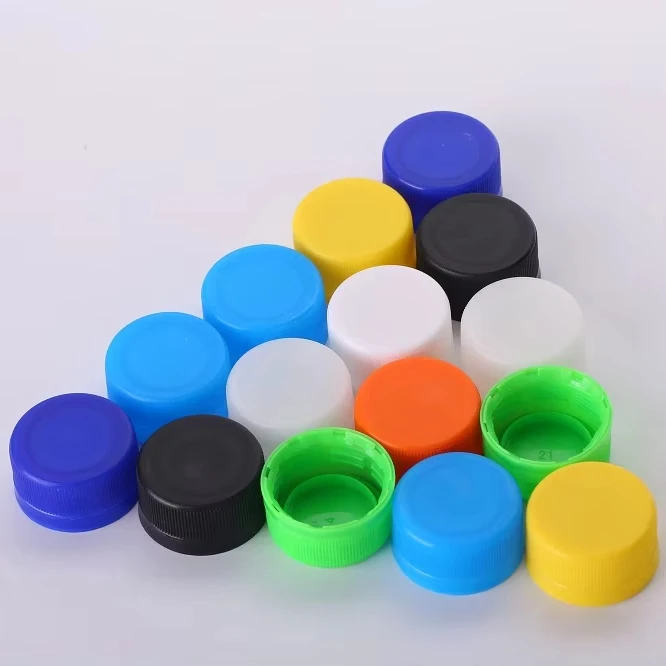
Understanding the current and emerging trends in the wholesale Juice Cap market allows manufacturers to make smarter procurement decisions, align with consumer expectations, and reduce long-term packaging costs. This article breaks down the most important shifts happening in the Juice Cap space right now, and what they mean for your production planning, supplier relationships, and product positioning in a competitive beverage market.
The Shifting Landscape of Wholesale Juice Cap Procurement
From Commodity to Strategic Component
For years, the Juice Cap was treated as a low-priority commodity in beverage packaging. Procurement teams focused primarily on price per unit, and little attention was paid to design, material innovation, or supplier capability. That mindset has changed significantly over the past several years as brand owners and contract manufacturers have recognized the outsized role a Juice Cap plays in consumer experience.
A poorly designed or inconsistent Juice Cap can lead to leakage complaints, tamper-evidence failures, and negative reviews that damage brand equity. Conversely, a well-engineered Juice Cap that opens smoothly, seals reliably, and carries a brand's visual identity can reinforce quality perception at the point of sale. This shift in thinking has elevated the Juice Cap from a background item to a front-line packaging decision.
Wholesale buyers are now asking more detailed questions about cap specifications, material certifications, and customization options before placing large orders. The procurement conversation has matured, and suppliers who can answer those questions with precision are winning more business.
Volume Dynamics and Wholesale Sourcing Patterns
Wholesale Juice Cap sourcing patterns have also shifted in response to global supply chain disruptions. Many beverage manufacturers who previously relied on just-in-time delivery models have moved toward larger buffer stock strategies, particularly for high-velocity SKUs. This means wholesale orders for Juice Cap components are growing in average size, and lead time expectations are being renegotiated.
At the same time, manufacturers are diversifying their supplier base to reduce single-source risk. Rather than relying on one Juice Cap supplier for all their closure needs, procurement teams are qualifying two or three suppliers across different regions. This redundancy strategy adds complexity but provides resilience when one supplier faces production delays or material shortages.
For manufacturers operating at scale, the ability to standardize on a specific Juice Cap specification across multiple suppliers is becoming a key procurement goal. Standardization reduces tooling costs, simplifies quality control, and makes it easier to switch suppliers without reformulating packaging lines.
Material and Design Trends Reshaping the Juice Cap Market
Sustainability Pressure and Material Innovation
Sustainability is one of the most powerful forces reshaping the Juice Cap industry. Consumer awareness of plastic waste, combined with tightening regulations in major markets, is pushing beverage manufacturers to evaluate the environmental profile of every packaging component — including the Juice Cap. This has accelerated interest in caps made from recycled content, bio-based polymers, and materials that are compatible with existing recycling streams.
Polypropylene remains the dominant material for the standard Juice Cap due to its chemical resistance, food-safety profile, and processability. However, manufacturers are increasingly requesting caps made with post-consumer recycled polypropylene or blends that meet specific recycled content thresholds. Suppliers who can provide material traceability documentation and third-party certifications are gaining a clear advantage in wholesale negotiations.
Beyond recycled content, there is growing interest in tethered cap designs that keep the Juice Cap attached to the bottle after opening. This design approach, driven in part by European Union packaging regulations, reduces the likelihood of caps becoming litter and supports end-of-life recyclability. Manufacturers exporting to regulated markets need to factor tethered Juice Cap compatibility into their bottle and cap design roadmap now, not after regulations take effect.
Customization as a Competitive Differentiator
Custom color and logo printing on the Juice Cap has moved from a premium option to a mainstream expectation among mid-to-large beverage brands. A branded Juice Cap reinforces product identity, deters counterfeiting, and creates a more cohesive unboxing experience for consumers. Wholesale suppliers who offer in-mold labeling, pad printing, or color-matched cap production are seeing stronger demand from brand-conscious buyers.
The 28mm screw cap format has become particularly popular in the juice and functional beverage segment because it balances ease of use with a secure seal. Manufacturers sourcing this format in wholesale quantities benefit from the wide availability of compatible bottle necks, which simplifies line changeovers and reduces tooling investment. A well-specified 28mm Juice Cap can serve multiple product lines within the same facility, improving procurement efficiency.
Color customization also plays a functional role beyond aesthetics. Different cap colors can be used to differentiate flavors, product lines, or packaging tiers within the same brand family. This makes the Juice Cap a practical tool for SKU management on the production floor and a visual cue for consumers navigating a crowded retail shelf.
Quality Standards and Compliance Requirements for Juice Cap Sourcing
Food Safety Certifications and Regulatory Alignment
Any Juice Cap used in direct contact with a beverage must meet applicable food safety standards. For manufacturers operating in or exporting to major markets, this typically means ensuring that cap materials comply with regulations such as FDA 21 CFR in the United States, EU Regulation 10/2011 for plastic food contact materials in Europe, or equivalent national standards in other regions. Wholesale buyers should request material compliance declarations and migration test reports from their Juice Cap suppliers as a standard part of the qualification process.
Beyond material compliance, tamper-evidence features are a non-negotiable requirement for most juice products sold through retail channels. A properly designed Juice Cap with a tamper-evident band provides visible proof of integrity to consumers and satisfies retailer requirements. Manufacturers should verify that the tamper-evident feature on their chosen Juice Cap performs reliably across their specific bottle neck finish and filling line conditions.
Torque performance is another critical quality parameter. A Juice Cap that is too easy to open may fail tamper-evidence checks, while one that requires excessive torque creates consumer frustration and potential line issues during capping. Wholesale buyers should specify application torque and removal torque ranges in their purchase agreements and request statistical process control data from suppliers to confirm consistency across production batches.
Supplier Qualification and Audit Practices
As the strategic importance of the Juice Cap has grown, so has the rigor of supplier qualification processes. Leading beverage manufacturers now conduct formal audits of Juice Cap suppliers, evaluating manufacturing process controls, raw material sourcing, quality management systems, and capacity planning. Suppliers who operate under ISO 9001 or equivalent quality management frameworks are generally better positioned to meet these audit requirements.
Capacity verification is particularly important for wholesale buyers placing large or recurring orders. A Juice Cap supplier may quote competitive pricing but lack the production capacity to fulfill peak-season demand without compromising lead times. Buyers should request capacity utilization data and understand how the supplier manages demand spikes before committing to a long-term wholesale agreement.
Traceability systems are also becoming a standard expectation. The ability to trace a specific Juice Cap batch back to its raw material lot, production date, and quality inspection records is essential for managing product recalls and responding to customer complaints. Suppliers who invest in batch-level traceability systems provide a meaningful risk management benefit to their wholesale customers.
Pricing Trends and Cost Management in Wholesale Juice Cap Buying
Raw Material Cost Volatility and Its Impact
The price of a wholesale Juice Cap is closely tied to the cost of polypropylene resin, which is itself linked to petrochemical feedstock prices. Over the past several years, resin prices have experienced significant volatility driven by energy market fluctuations, logistics disruptions, and shifts in global demand. Beverage manufacturers who purchase Juice Cap components in large volumes need to understand this cost structure and build appropriate price adjustment mechanisms into their supplier contracts.
Some wholesale buyers are moving toward index-linked pricing agreements that tie the Juice Cap unit price to a published resin price index. This approach provides transparency and reduces the risk of sudden price increases, while also ensuring that buyers benefit when resin costs decline. Negotiating these structures requires a clear understanding of the cost breakdown within a Juice Cap, including resin content, conversion costs, and overhead allocation.
Freight and logistics costs also represent a meaningful portion of the landed cost for a wholesale Juice Cap order, particularly for buyers sourcing internationally. Optimizing container utilization, consolidating shipments, and aligning delivery schedules with production planning can yield significant savings on a per-cap basis when orders are large enough to justify the logistics investment.
Total Cost of Ownership Beyond Unit Price
Experienced procurement teams evaluate the Juice Cap not just on unit price but on total cost of ownership. A slightly higher-priced Juice Cap that delivers consistent torque performance, zero defect rates, and reliable lead times may generate lower total costs than a cheaper alternative that causes line stoppages, generates consumer complaints, or requires frequent quality interventions.
Tooling investment is another factor in the total cost calculation. Custom Juice Cap molds represent a capital expenditure that must be amortized over the expected production volume. Buyers should negotiate tooling ownership terms carefully, ensuring that molds remain their property and can be transferred to an alternative supplier if needed. This protects against supplier lock-in and preserves flexibility in the wholesale sourcing strategy.
Waste and rejection rates at the filling line are often overlooked in Juice Cap cost analysis. A cap with dimensional inconsistencies may cause elevated rejection rates on automated capping equipment, increasing material waste and reducing line efficiency. Requesting capability studies and dimensional tolerance data from suppliers before finalizing a wholesale agreement helps buyers anticipate and avoid these hidden costs.
Emerging Opportunities for Beverage Manufacturers in the Juice Cap Space
Functional and Smart Cap Innovations
Beyond conventional closure functionality, the Juice Cap is beginning to incorporate features that add value for both manufacturers and consumers. Oxygen-scavenging cap liners, for example, can extend the shelf life of sensitive juice products by absorbing residual oxygen in the headspace after filling. This technology is particularly relevant for cold-pressed and minimally processed juices where oxidation is a primary quality concern.
Smart packaging integration is another emerging area. Some Juice Cap designs now incorporate near-field communication tags or QR code surfaces that enable consumer engagement, authentication, and supply chain tracking. While these features add cost, they open new channels for brand interaction and provide manufacturers with real-time data on product movement through the distribution chain. As the cost of these technologies decreases, their adoption in the wholesale Juice Cap market is expected to accelerate.
Child-resistant and senior-friendly cap designs are also gaining traction in the functional beverage and nutraceutical juice segment. As juice products increasingly overlap with health and wellness categories, the Juice Cap must balance safety requirements with accessibility for a broad consumer demographic. Manufacturers entering these segments should evaluate cap designs that meet applicable child-resistance standards without creating barriers for elderly or mobility-impaired users.
Private Label and Co-Manufacturing Considerations
For contract manufacturers and private label producers, the Juice Cap presents both a challenge and an opportunity. Managing cap specifications across multiple brand clients requires robust documentation systems and clear communication with wholesale suppliers. A single production facility may run dozens of different Juice Cap specifications in a given month, making supplier flexibility and rapid changeover capability critical selection criteria.
Private label buyers often have strong opinions about Juice Cap aesthetics, particularly color and finish, as these elements contribute directly to the perceived quality of their product. Co-manufacturers who can offer a curated range of pre-qualified Juice Cap options — including custom color matching and logo application — provide a meaningful value-add that strengthens client relationships and reduces the time required to launch new SKUs.
Inventory management for Juice Cap components in a co-manufacturing environment requires careful planning. Holding excess cap inventory ties up working capital, while running short creates production delays that damage client relationships. Establishing consignment or vendor-managed inventory arrangements with wholesale Juice Cap suppliers can help co-manufacturers balance these competing pressures more effectively.
FAQ
What is the standard size for a wholesale Juice Cap used in beverage production?
The 28mm screw cap is the most widely used Juice Cap size in the beverage industry, compatible with a broad range of PET and HDPE bottle neck finishes. This size offers a reliable seal, ease of consumer use, and wide availability from wholesale suppliers. Some specialty juice formats use 38mm or 48mm closures, but 28mm remains the dominant standard for single-serve and multi-serve juice bottles.
How do I verify that a Juice Cap supplier meets food safety requirements?
Request material compliance declarations that reference applicable regulations such as FDA 21 CFR or EU Regulation 10/2011, along with third-party migration test reports. Reputable Juice Cap suppliers should be able to provide these documents as part of their standard qualification package. You should also ask about their quality management system certification, such as ISO 9001, and conduct a facility audit if the volume and risk level justify it.
What customization options are typically available for wholesale Juice Cap orders?
Most wholesale Juice Cap suppliers offer custom color matching, logo printing via pad printing or in-mold labeling, and variations in liner material and tamper-evidence band design. Minimum order quantities for custom colors and printed caps vary by supplier but are generally lower than many buyers expect, particularly for established 28mm formats where tooling already exists. Discussing your brand requirements early in the supplier qualification process helps align expectations on lead times and setup costs.
How should beverage manufacturers prepare for tethered Juice Cap regulations?
Manufacturers selling into or planning to export to the European Union should begin evaluating tethered Juice Cap designs now, as regulations requiring caps to remain attached to bottles after opening are already in effect for certain product categories. The key preparation steps include reviewing your current bottle neck finish for tethered cap compatibility, engaging your Juice Cap supplier about available tethered designs, and conducting filling line trials to confirm that tethered caps perform correctly on your existing capping equipment. Early preparation avoids costly last-minute redesigns and supply disruptions.
Table of Contents
- The Shifting Landscape of Wholesale Juice Cap Procurement
- Material and Design Trends Reshaping the Juice Cap Market
- Quality Standards and Compliance Requirements for Juice Cap Sourcing
- Pricing Trends and Cost Management in Wholesale Juice Cap Buying
- Emerging Opportunities for Beverage Manufacturers in the Juice Cap Space
-
FAQ
- What is the standard size for a wholesale Juice Cap used in beverage production?
- How do I verify that a Juice Cap supplier meets food safety requirements?
- What customization options are typically available for wholesale Juice Cap orders?
- How should beverage manufacturers prepare for tethered Juice Cap regulations?