
 EN
EN



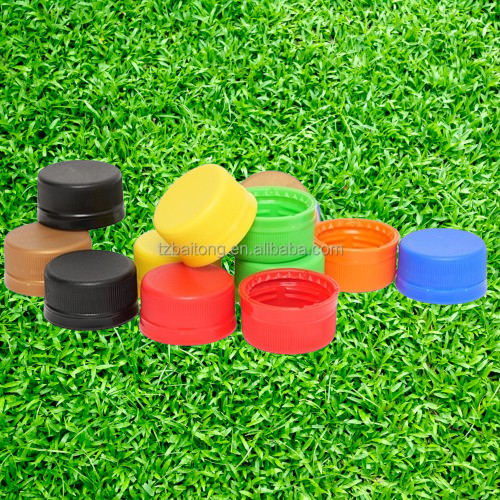
Selecting the right Juice Cap is one of the most consequential decisions a beverage manufacturer can make. A tamper-evident juice cap does far more than seal a bottle — it communicates trust, protects product integrity, and signals to consumers that the contents have not been compromised from the production line to the point of purchase. In a market where consumer confidence is directly tied to brand loyalty, getting this choice right is not optional.
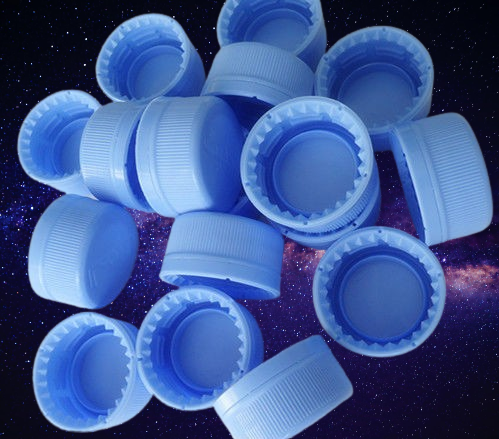
This guide walks through the key selection criteria for a tamper-evident juice cap, covering material properties, design mechanisms, regulatory alignment, and practical compatibility considerations. Whether you are launching a new juice product or re-evaluating your current packaging line, understanding what separates a reliable juice cap from an inadequate one will help you make a more informed, safety-focused decision.
Understanding Tamper-Evidence in Juice Cap Design
What Tamper-Evidence Actually Means
Tamper-evidence refers to a physical feature built into the juice cap that provides visible proof if the seal has been broken or the cap has been removed after initial application. This is distinct from tamper-resistance, which aims to prevent tampering altogether. A tamper-evident juice cap is designed to show consumers and retailers that the product is in its original, unaltered state.
The most common tamper-evident mechanism in a juice cap is the breakaway band, also called a tamper-evident band or pilfer-proof ring. This band is connected to the lower skirt of the cap and breaks away cleanly when the cap is first opened. Once broken, it cannot be reattached without visible evidence of interference, making it an effective and widely trusted safety feature.
For juice products specifically, tamper-evidence is critical because juice is a consumable that is vulnerable to contamination, adulteration, and spoilage. A juice cap that clearly shows whether it has been opened gives consumers the confidence to purchase and consume the product without hesitation.
Common Tamper-Evident Mechanisms Used in Juice Caps
Beyond the breakaway band, several other tamper-evident mechanisms are used in juice cap design. Induction seals, for example, use a foil liner that bonds to the bottle neck under heat, creating an additional barrier that must be punctured before the product can be accessed. This is particularly common in premium or high-acid juice products where oxidation and contamination risks are elevated.
Shrink sleeves are another option, wrapping around the cap and bottle neck to provide a full visual indicator of tampering. While effective, they add cost and complexity to the packaging line. For most standard juice applications, the breakaway band integrated directly into the juice cap remains the most practical and cost-efficient solution.
Understanding which mechanism suits your product depends on your filling process, distribution environment, and the level of consumer scrutiny your category demands. A juice cap with a well-engineered breakaway band is often sufficient for mainstream juice products, while high-value or medically sensitive juice formulations may warrant additional sealing layers.
Material Selection for a Reliable Juice Cap
Plastic Resin Options and Their Trade-offs
The material of a juice cap directly affects its sealing performance, chemical compatibility, and tamper-evident functionality. Polypropylene (PP) is the most widely used resin for juice caps because it offers excellent rigidity, chemical resistance, and compatibility with hot-fill and cold-fill processes. PP caps maintain their structural integrity across a wide temperature range, which is essential for juice products that may be filled at elevated temperatures to extend shelf life.
High-density polyethylene (HDPE) is another option, offering greater flexibility and impact resistance. HDPE juice caps are often preferred for cold-fill applications and products that require a softer, more pliable cap feel. However, HDPE has slightly lower heat resistance than PP, which can be a limiting factor for hot-fill juice lines.
The choice of resin also affects the breakaway band's performance. A juice cap made from a resin that is too brittle may cause the band to break prematurely during capping or transport, generating false tamper signals. Conversely, a resin that is too flexible may not produce a clean, visible break, undermining consumer confidence in the tamper-evident feature.
Liner Materials and Their Role in Juice Cap Sealing
The liner inside a juice cap is the component that creates the primary hermetic seal against the bottle finish. For juice products, liner selection is particularly important because juice contains acids, sugars, and volatile compounds that can interact with certain liner materials over time. A poorly matched liner can lead to seal failure, flavor migration, or contamination.
Expanded polyethylene (EPE) liners are commonly used in juice caps for their excellent sealing properties and chemical inertness. They compress evenly against the bottle finish, creating a consistent seal that resists leakage and oxygen ingress. For carbonated juice products, a foam-backed foil liner may be preferred to handle the additional internal pressure.
When evaluating a juice cap, always confirm that the liner material has been tested for compatibility with your specific juice formulation. High-acid juices such as citrus varieties place greater demands on liner integrity than low-acid options. Requesting compatibility test data from your cap supplier is a standard and necessary step in the selection process.
Dimensional Compatibility and Bottle Finish Standards
Matching the Juice Cap to the Correct Neck Finish
A juice cap must be dimensionally matched to the bottle neck finish to function correctly. The most widely used neck finish for juice bottles is the 28mm diameter, which accommodates a broad range of juice cap designs and is compatible with most standard capping equipment. The 28-1881 finish, for example, is a common specification used across the beverage industry for both still and lightly carbonated juice products.
Neck finish compatibility involves more than just diameter. Thread pitch, thread count, and the height of the tamper-evident band engagement zone must all align precisely with the bottle's finish geometry. A juice cap that does not engage the bottle threads correctly will either under-torque, leading to leakage, or over-torque, causing the tamper-evident band to break prematurely during application.
Before finalizing a juice cap specification, always conduct a physical fitment trial using production-representative bottles and your actual capping equipment. Dimensional drawings and supplier specifications are useful starting points, but real-world fitment testing under production conditions is the only reliable way to confirm compatibility.
Capping Equipment Compatibility Considerations
The juice cap you select must be compatible with your capping machine's chuck design, torque settings, and feed system. Caps with non-standard outer diameters or unusual skirt geometries may require tooling changes or equipment modifications, adding cost and downtime to your production line. Standardized cap dimensions reduce this risk significantly.
Torque application is a particularly sensitive variable. The application torque must be high enough to engage the tamper-evident band fully and create a reliable seal, but not so high that it damages the cap or bottle finish. Most juice cap suppliers provide recommended application and removal torque ranges, and these should be validated during your line trials.
If you are running a high-speed filling line, cap feed consistency becomes critical. A juice cap with inconsistent dimensions or surface finish can cause feed jams, misalignment, or capping failures that disrupt production efficiency. Sourcing caps from a supplier with tight dimensional tolerances and robust quality control processes is essential for high-volume juice operations.
Regulatory and Safety Standards for Juice Cap Selection
Food Contact Material Compliance
Any juice cap used in consumer-facing products must comply with applicable food contact material regulations. In most markets, this means the cap materials — including the resin, colorants, and liner — must be approved for direct food contact under standards such as FDA 21 CFR in the United States, EU Regulation 10/2011 in Europe, or equivalent national standards in other jurisdictions.
Compliance documentation should be requested from your juice cap supplier before finalizing any sourcing decision. This typically includes a Declaration of Compliance (DoC) and, where required, migration test results demonstrating that the cap materials do not transfer harmful substances to the juice at levels exceeding regulatory limits.
For juice products sold across multiple markets, it is important to confirm that the juice cap meets the most stringent applicable standard, as regulatory requirements vary by region. A cap that is compliant in one market may not automatically meet the requirements of another, particularly for colorants and specific polymer additives.
Industry Standards and Certification Expectations
Beyond regulatory compliance, many juice brands and retailers expect their packaging components to meet recognized industry standards. ISO certification of the cap manufacturing facility, for example, provides assurance that the supplier operates a documented quality management system. This is increasingly a baseline expectation in B2B juice packaging procurement.
Some markets also have specific standards for tamper-evident packaging, including requirements for the minimum force needed to break the tamper-evident band and the visual clarity of the break indicator. Reviewing these standards in the context of your target market before specifying a juice cap will help you avoid costly reformulation or re-sourcing later in the product development cycle.
Sustainability certifications are also becoming relevant in juice cap selection. Recyclability claims, recycled content percentages, and compatibility with existing recycling streams are increasingly scrutinized by retailers and consumers alike. A juice cap that supports your brand's sustainability commitments without compromising safety performance is the ideal outcome.
Practical Evaluation Criteria When Sourcing a Juice Cap
Supplier Qualification and Quality Assurance
The quality of a juice cap is only as reliable as the supplier's manufacturing and quality control processes. When evaluating potential juice cap suppliers, look for evidence of consistent dimensional control, documented material traceability, and a structured approach to defect detection. Suppliers who can provide statistical process control (SPC) data and incoming quality inspection records demonstrate a higher level of manufacturing discipline.
Audit capability is another important factor. A supplier who welcomes facility audits and can demonstrate clean room or controlled environment manufacturing for food-contact components is a stronger partner than one who resists scrutiny. For high-volume juice operations, the cost of a single batch of non-conforming caps — in terms of production downtime, product recalls, and brand damage — far exceeds the cost of thorough supplier qualification.
Lead time reliability and inventory management are also practical considerations. A juice cap supplier who can maintain consistent supply across seasonal demand peaks and provide reasonable safety stock arrangements reduces your operational risk. Evaluate not just the cap itself, but the supplier's ability to support your production schedule reliably over time.
Prototype Testing and Line Trials Before Full Commitment
Before committing to a full production run with a new juice cap, conduct structured prototype testing that covers seal integrity, tamper-evident band performance, torque consistency, and compatibility with your filling and capping equipment. These trials should be run under conditions that replicate your actual production environment as closely as possible, including temperature, line speed, and bottle variation.
Shelf-life simulation testing is also advisable, particularly for juice products with extended shelf-life targets. This involves storing capped bottles under accelerated aging conditions and evaluating seal integrity, liner performance, and tamper-evident band condition over time. Any degradation in seal quality or tamper-evidence visibility during this testing should be treated as a disqualifying finding.
Consumer perception testing, while often overlooked in the technical evaluation process, can provide valuable insight into how the tamper-evident feature of your juice cap is perceived by end users. A band that breaks cleanly and visibly reassures consumers, while one that tears unevenly or leaves ambiguous residue can create doubt and undermine the safety message your packaging is meant to convey.
FAQ
What is the most important feature to look for in a tamper-evident juice cap?
The most important feature is a clearly visible and reliably functioning tamper-evident band. The band should break cleanly and completely upon first opening, leaving no ambiguity about whether the juice cap has been previously opened. Material quality, dimensional consistency, and compatibility with your bottle finish are equally critical supporting factors.
Can the same juice cap be used for both hot-fill and cold-fill juice products?
Not always. Hot-fill processes expose the juice cap to elevated temperatures that can affect liner compression and cap geometry. Polypropylene caps with heat-resistant liners are generally suitable for hot-fill applications, while HDPE caps are better suited to cold-fill. Always confirm the cap's temperature rating with your supplier before using it across different filling processes.
How do I verify that a juice cap meets food contact safety requirements?
Request a Declaration of Compliance from your juice cap supplier, along with any supporting migration test data. The declaration should reference the specific regulatory standards applicable to your target market, such as FDA 21 CFR or EU Regulation 10/2011. For markets with stricter requirements, independent laboratory testing of the cap materials may also be advisable.
What neck finish diameter is most commonly used for juice bottles?
The 28mm neck finish is the most widely used diameter for juice bottles, and it is compatible with a broad range of standard juice cap designs and capping equipment. The specific thread profile, such as the 1881 standard, should also be confirmed to ensure proper engagement between the juice cap and the bottle finish during both application and consumer opening.