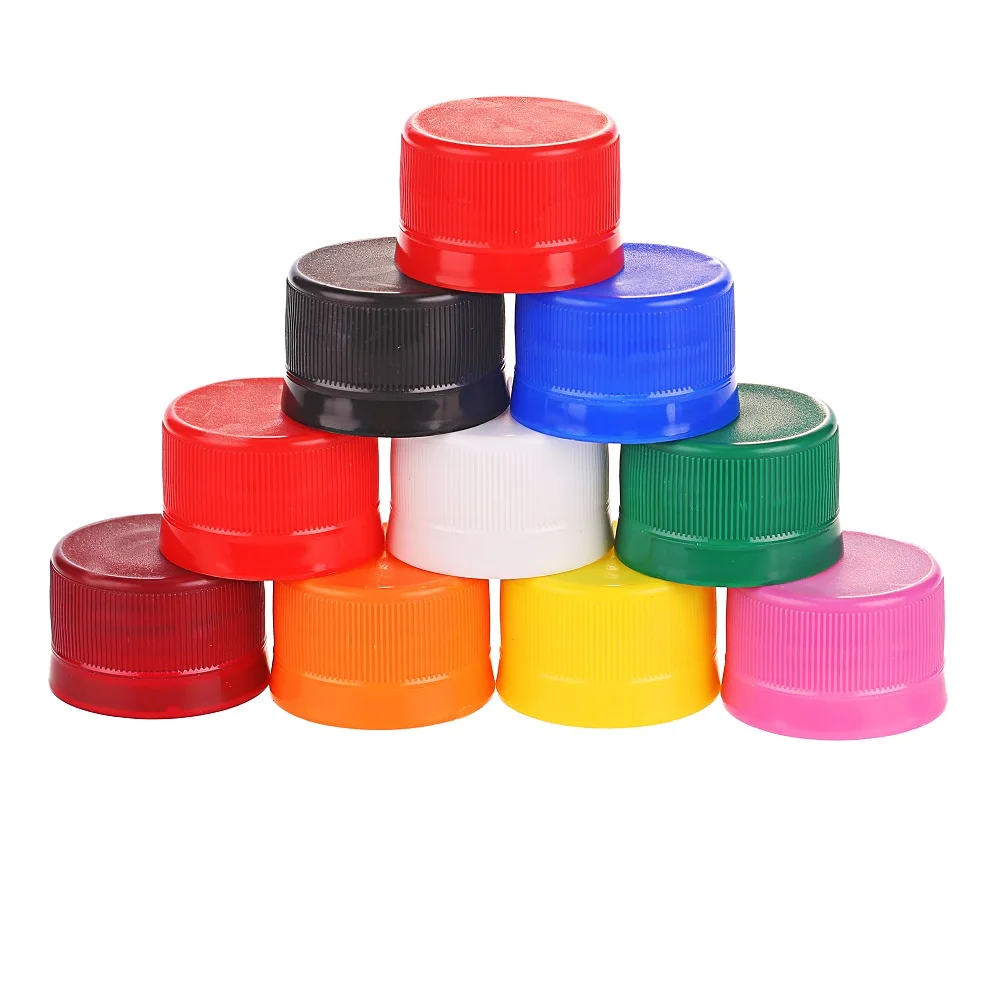
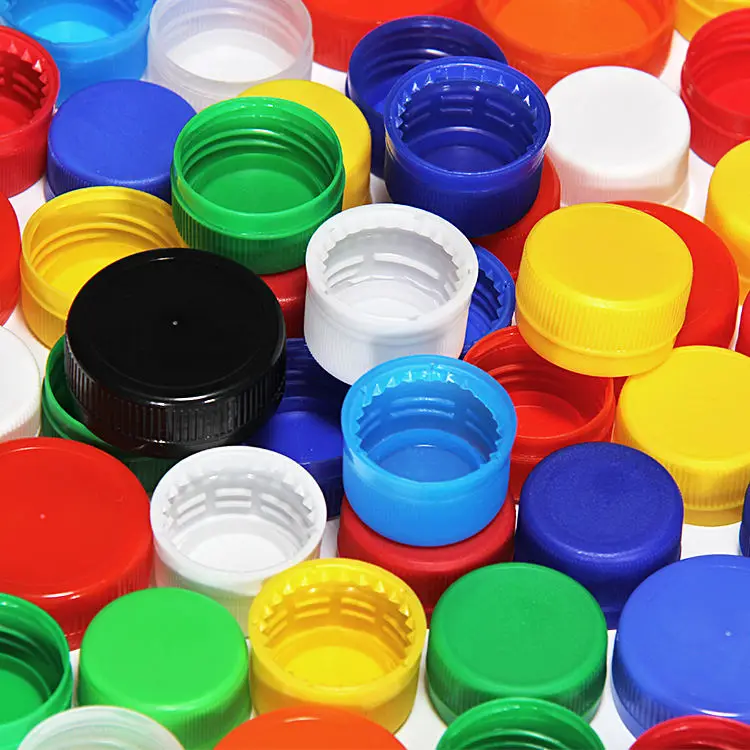
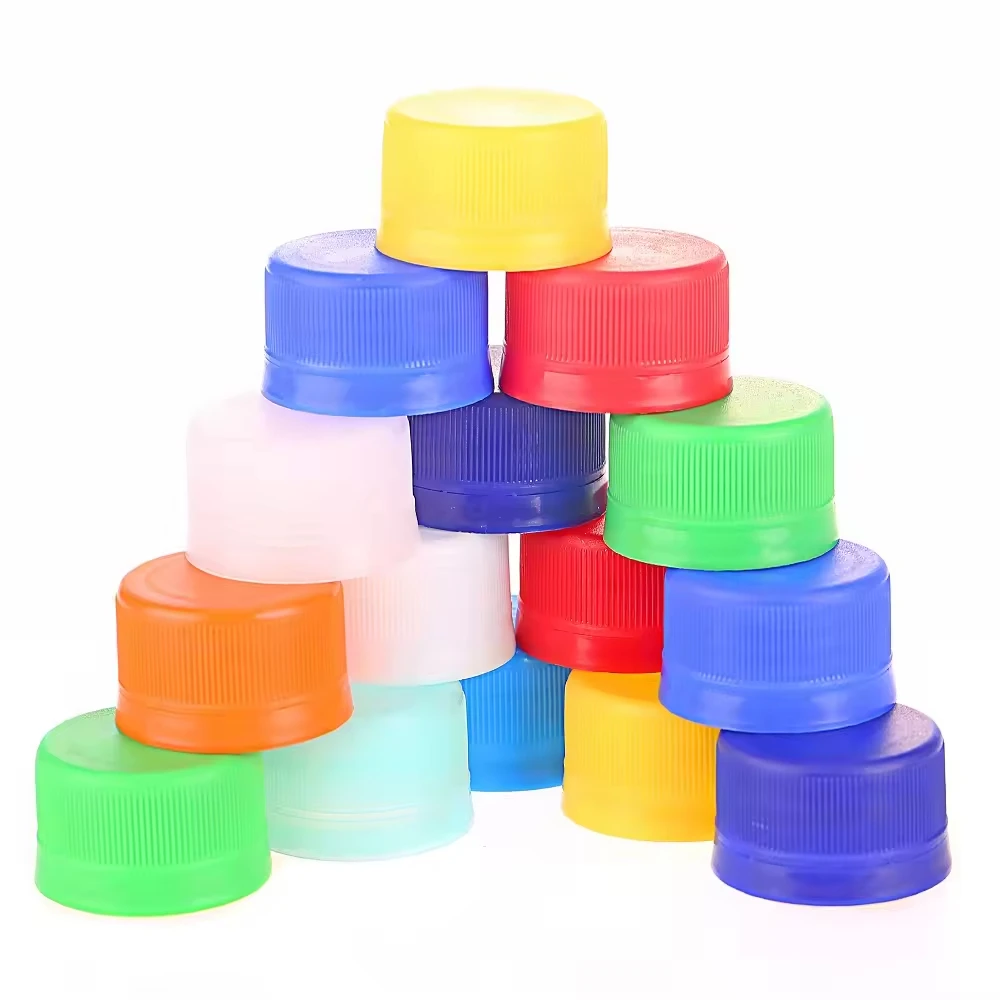
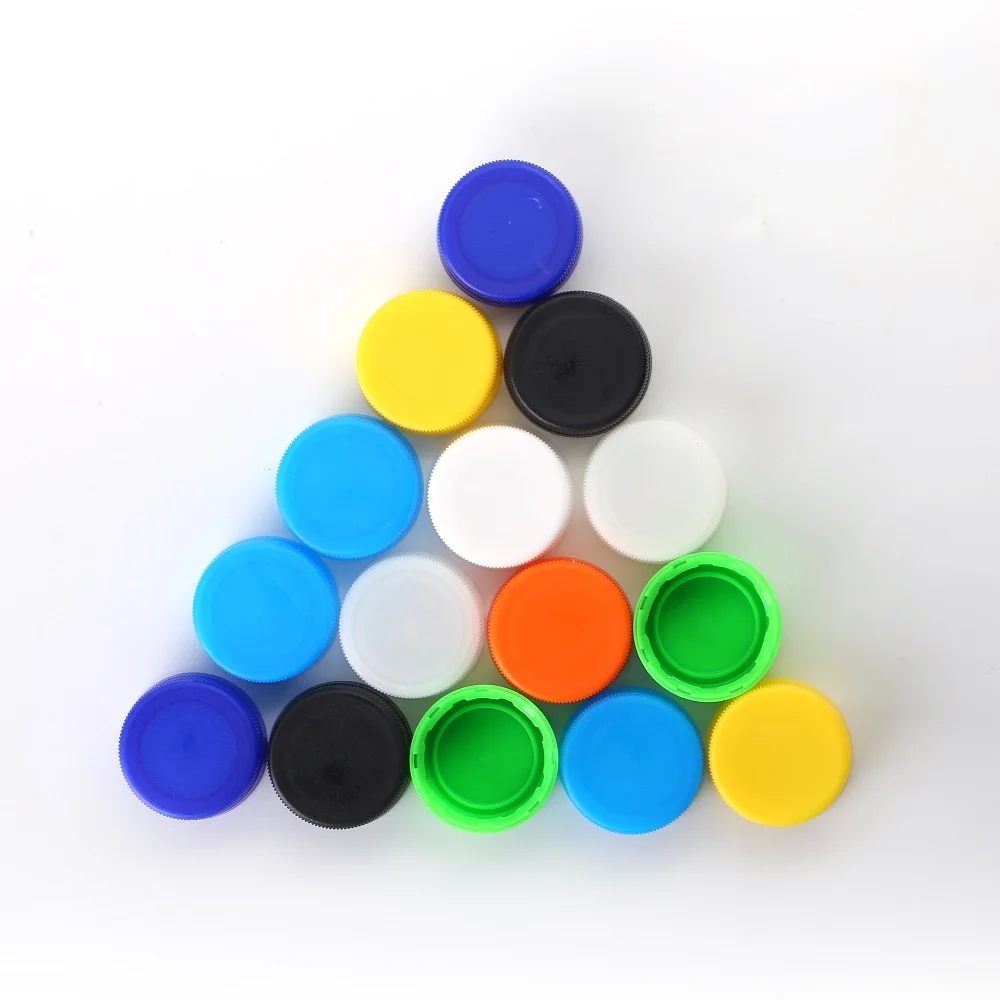
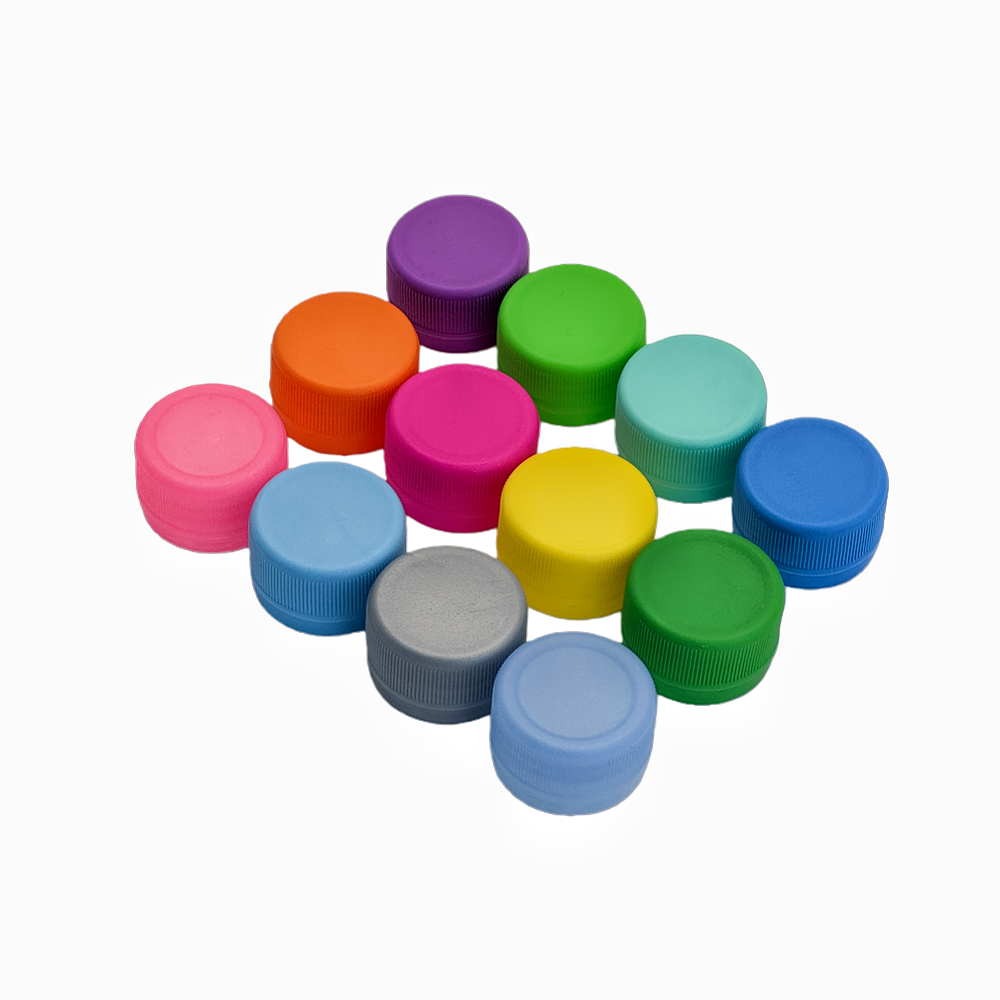
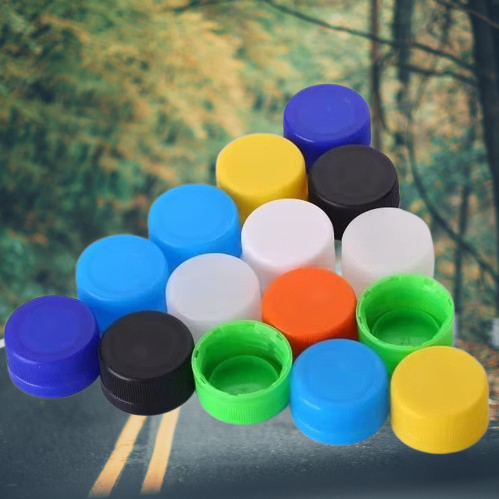
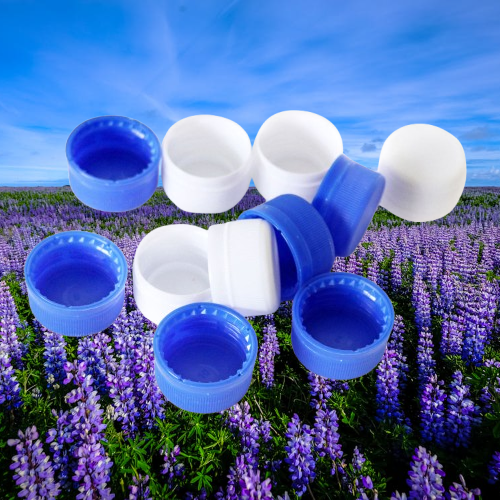
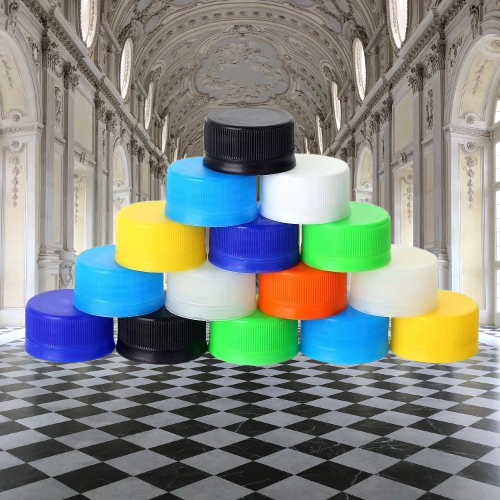
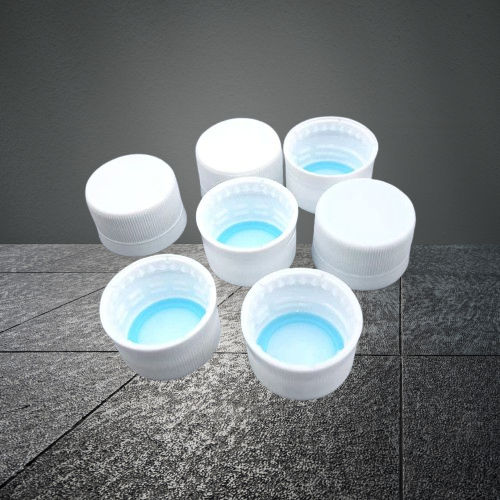
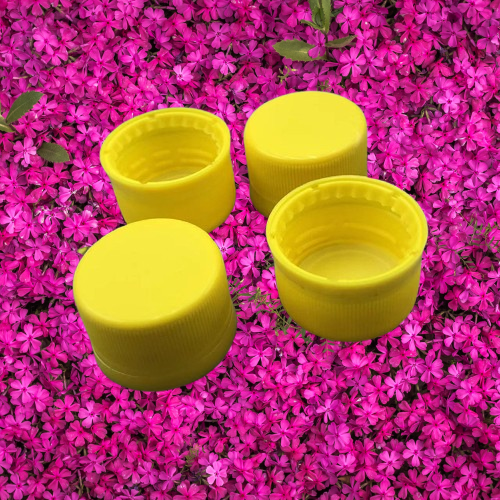
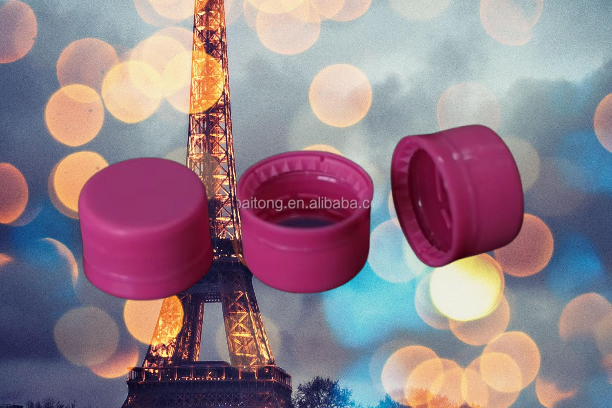
carbonated soft drink bottle cap
The carbonated soft drink bottle cap is a specialized closure system engineered to seal beverage containers while maintaining carbonation pressure and product freshness. This essential component serves as the primary barrier between the beverage and external environment, preventing gas escape and contamination. Modern carbonated soft drink bottle caps incorporate advanced sealing technology, typically featuring multi-layer construction with liner materials that create airtight seals against bottle finishes. The cap's design accommodates internal pressures ranging from 3 to 6 bar, which is critical for carbonated beverages. These closures utilize precise threading systems that ensure consistent application and removal torque, providing consumer convenience while maintaining product integrity. The carbonated soft drink bottle cap functions through compression sealing, where the liner material conforms to the bottle's sealing surface upon application. Manufacturing processes involve injection molding of food-grade polymers, followed by liner insertion using specialized machinery. Common applications span cola beverages, sparkling water, energy drinks, and flavored carbonated products across retail, food service, and vending channels. The caps accommodate various bottle sizes from single-serve 200ml containers to family-size 2-liter formats. Quality carbonated soft drink bottle caps meet international food safety standards including FDA and EU regulations, ensuring materials remain inert and non-reactive with beverage contents. The closure system's reliability directly impacts consumer satisfaction, brand reputation, and product shelf life, making it a critical component in the beverage packaging ecosystem.

 EN
EN