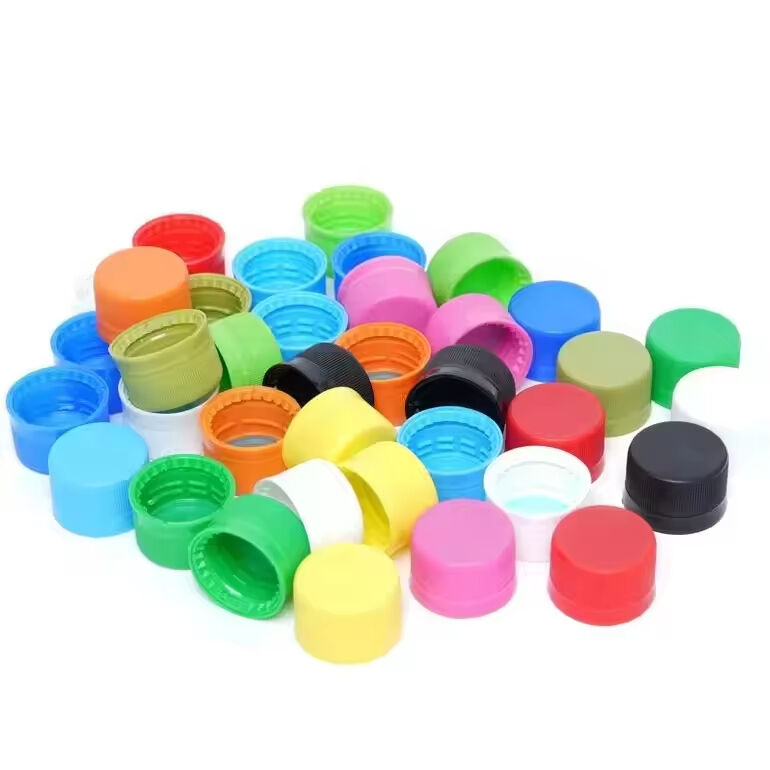
carbonated soda bottle cap
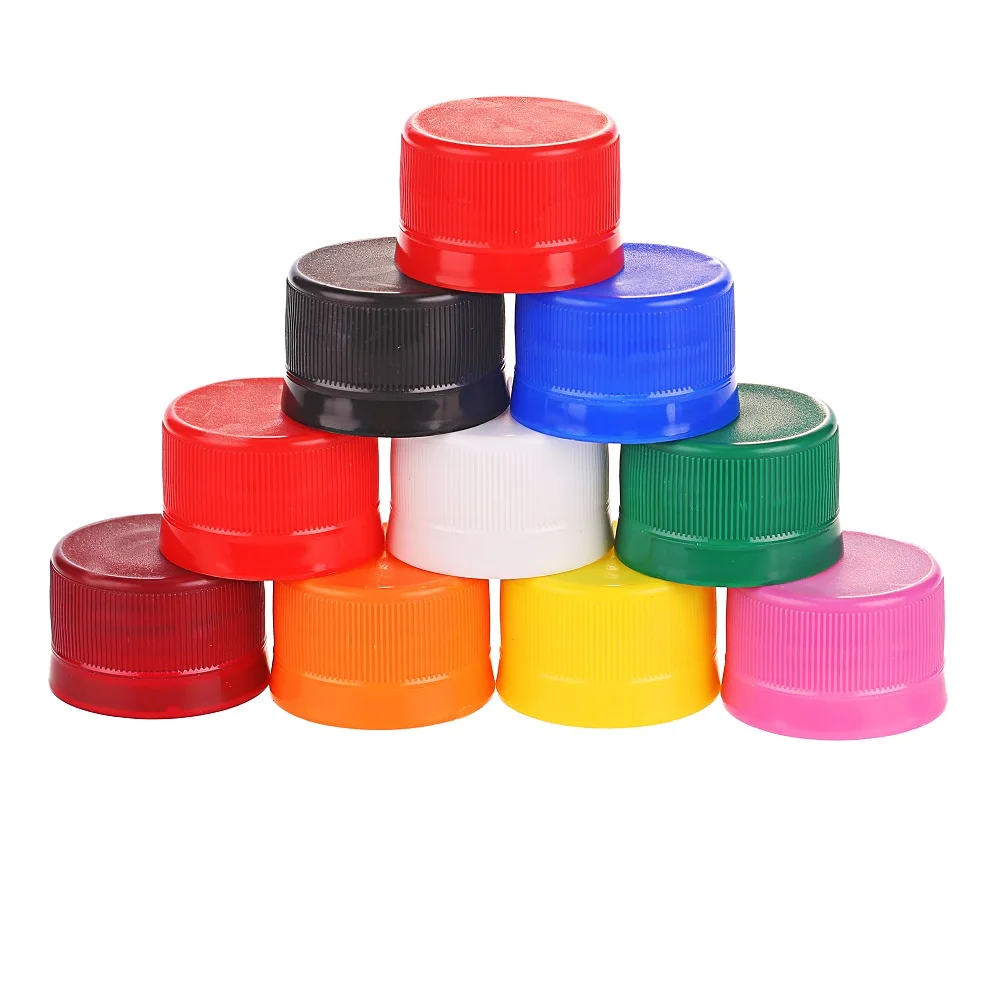
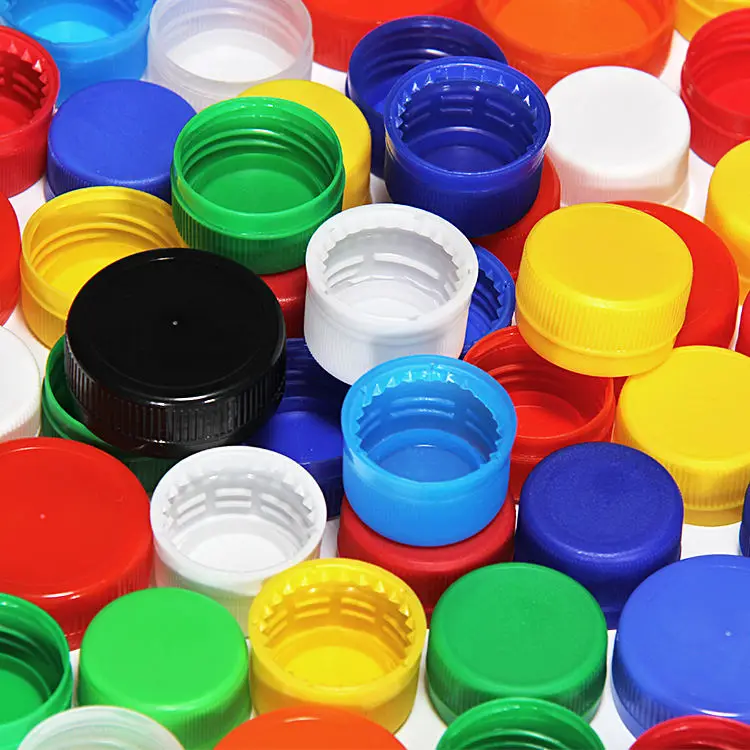
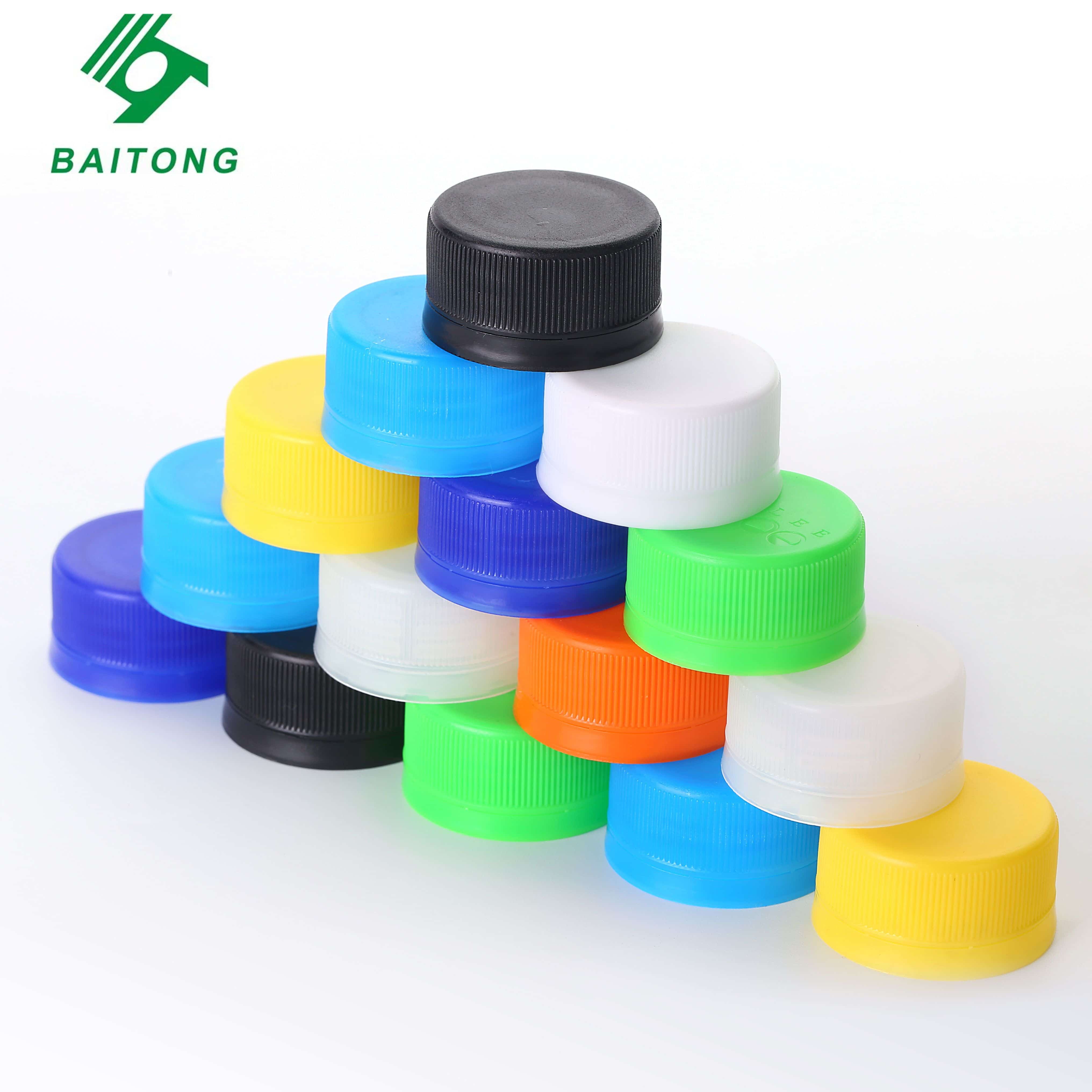
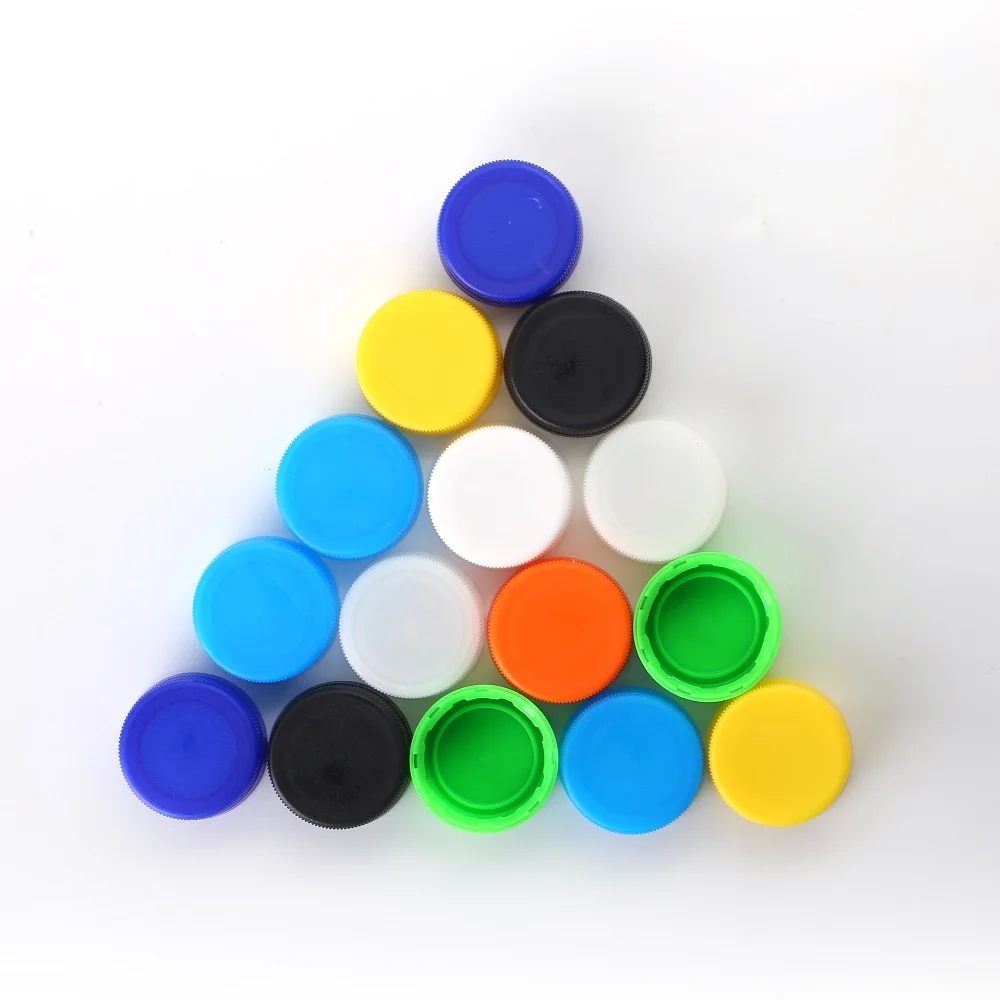
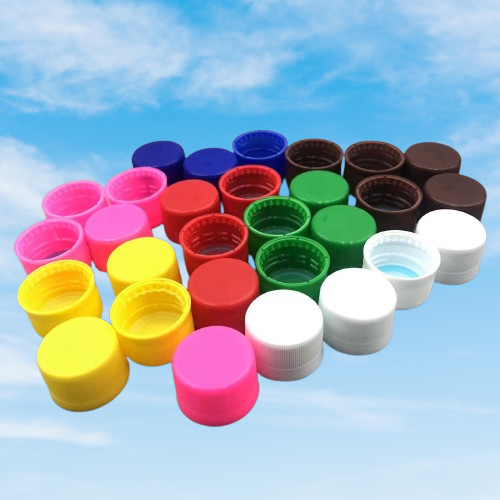
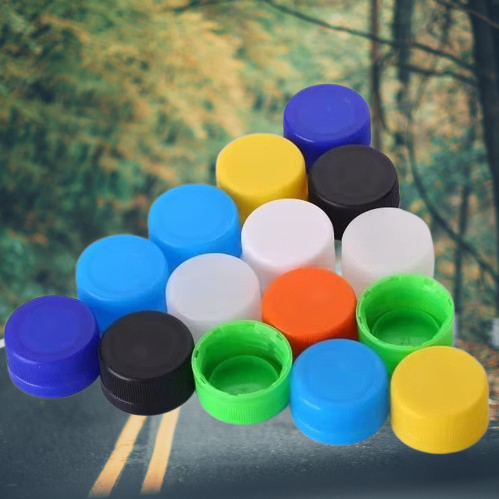
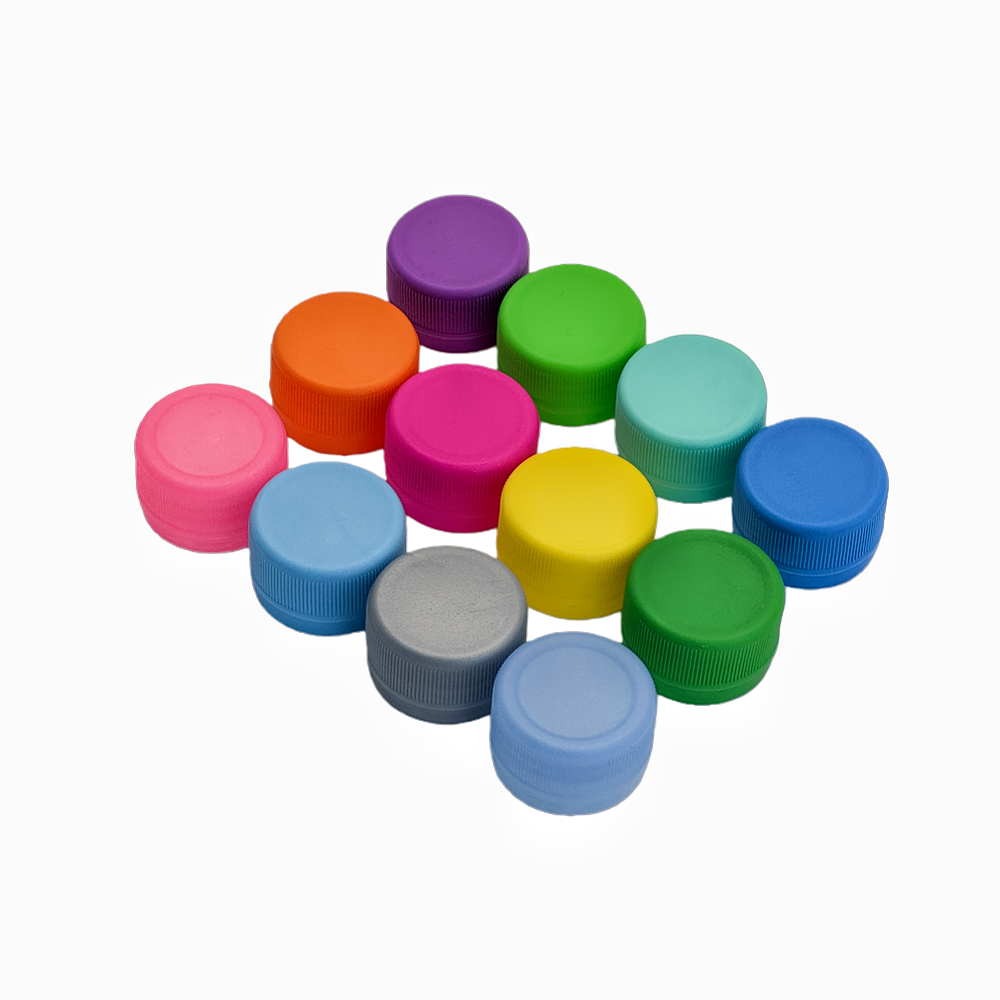
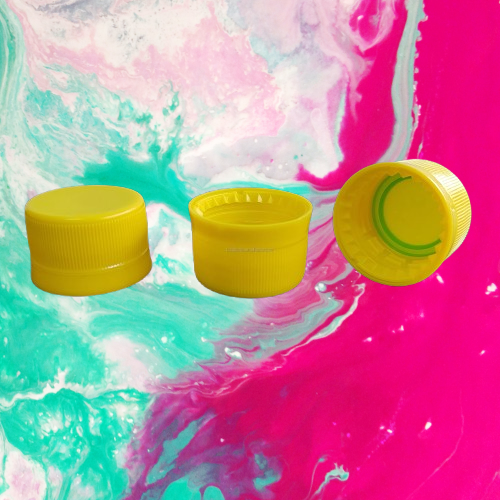
The carbonated soda bottle cap is an essential closure system specifically engineered to seal carbonated beverages while maintaining optimal pressure and freshness. This specialized cap serves as the critical barrier between the beverage and external environment, preventing carbon dioxide gas from escaping and keeping the drink fizzy and flavorful. The carbonated soda bottle cap incorporates advanced sealing technology, typically featuring a liner made from food-grade materials that creates an airtight seal against the bottle's threaded neck. The main functions include pressure retention, contamination prevention, tamper evidence, and ease of opening and resealing. Technological features of the carbonated soda bottle cap encompass precision threading that matches bottle neck specifications, liner compression properties that adapt to internal pressure variations, and structural integrity designed to withstand forces during filling, transportation, and storage. Many modern designs incorporate tamper-evident bands that break upon first opening, providing consumers with confidence in product safety. Applications span the entire beverage industry, from small craft soda producers to major international brands, covering standard soft drinks, sparkling water, energy drinks, and carbonated juice products. The carbonated soda bottle cap is manufactured using injection molding processes with materials like polypropylene or high-density polyethylene, chosen for their durability, chemical resistance, and recyclability. These caps are compatible with various bottle sizes and formats, making them versatile solutions for different packaging requirements across diverse market segments and consumer preferences.

 EN
EN