
 EN
EN



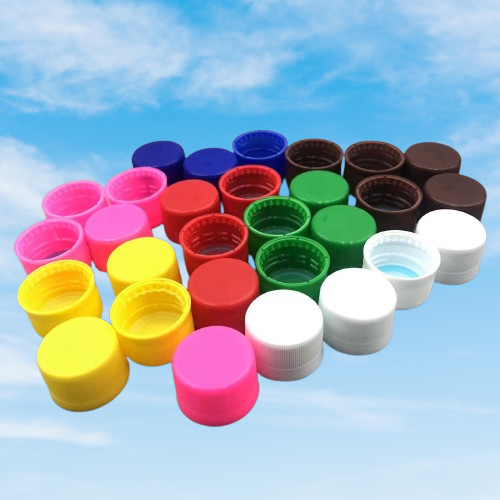
Carbonated beverages store gas under pressure inside a sealed bottle, and that pressure pushes outward against every part of the closure system the moment the cap is applied. Unlike still water or juice, a carbonated beverage cap has to manage this constant internal force throughout the product's entire shelf life, not just at the moment of filling. This article looks at the engineering principles behind how a carbonated beverage cap is designed to handle high pressure reliably, from thread geometry to liner construction.
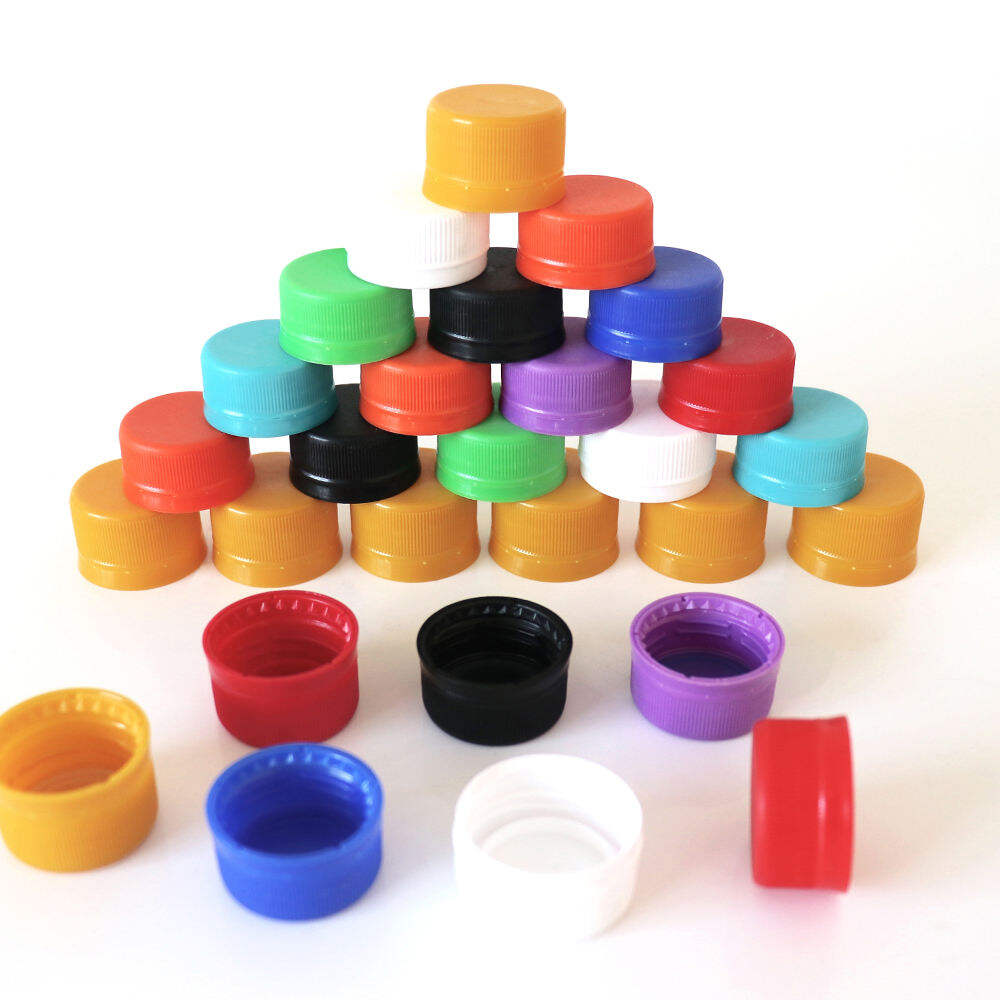
Why Pressure Management Is a Core Engineering Challenge
When a carbonated drink is sealed, dissolved gas continues to push against the inside of the bottle and cap, and this pressure can increase further if the product is exposed to heat during storage or transport. A cap that cannot manage this sustained force risks slow gas leakage, which results in flat-tasting product, or in more extreme cases, a compromised seal that allows the cap to loosen unexpectedly. Engineering a carbonated beverage cap therefore involves more than creating a tight seal at the moment of capping; it requires a design that holds steady under continuous outward pressure for weeks or months at a time.
Thread Design as the Primary Pressure-Holding Mechanism
The threading system is the first and most fundamental element responsible for holding a carbonated beverage cap securely against internal pressure. The PCO1881 cap, a 28mm threaded design, has become a widely used industry standard for carbonated soft drink packaging because its thread geometry distributes pressure evenly across multiple contact points between the cap and bottle neck. This even distribution prevents pressure from concentrating on a single weak point, which would otherwise be more likely to fail under sustained internal force. Precision in thread pitch and depth also affects how much torque is needed to apply the cap securely without requiring excessive force during high-speed bottling.
The Role of Dual-Sealing Systems
Many carbonated beverage cap designs rely on a dual-sealing approach that combines mechanical and material-based sealing methods working together. The primary seal forms through the threaded connection itself, creating a tight mechanical interface between cap and bottle. A secondary seal is created through compression of a specialized liner material against the bottle's opening, which closes any remaining microscopic gaps that the thread alone cannot fully eliminate. This combination ensures that even small manufacturing variations in the bottle neck do not compromise the overall seal, since the liner can compress slightly to accommodate minor inconsistencies while the thread provides the primary structural hold.
Liner Technology and Gas Permeation Resistance
Beyond mechanical sealing, the liner inside a carbonated beverage cap is engineered specifically to resist gas permeation over time. Specialized polymer formulations within the liner create an additional barrier that slows the natural tendency of carbon dioxide to migrate outward through small material gaps, which helps maintain the beverage's fizz and flavor profile throughout its shelf life. These liners are tested to confirm they hold their sealing properties not just immediately after filling, but across the temperature variations and physical handling stress that occur during distribution and retail storage.
Comparing Key Engineering Elements
The table below summarizes the main engineering components involved in a pressure-resistant carbonated beverage cap and the specific role each one plays.
| Engineering Element | Function | Why It Matters Under Pressure |
|---|---|---|
| Threaded closure (e.g., PCO1881, 28mm) | Provides primary mechanical seal | Distributes pressure evenly across multiple contact points |
| Liner compression | Creates secondary seal against bottle opening | Closes microscopic gaps the thread alone cannot seal |
| Gas-resistant liner formulation | Slows carbon dioxide migration through material | Preserves carbonation and flavor over shelf life |
| Pressure-release design features | Prevents over-pressurization in extreme conditions | Reduces risk of cap failure under excessive internal force |
| Manufacturing tolerance control | Maintains consistent thread and liner fit | Ensures reliable performance across millions of units |
Why Standardization Supports Reliable Performance
The widespread adoption of standardized thread designs like the PCO1881 format also supports consistency across the broader carbonated beverage industry. Standardized threading allows bottlers and manufacturers to rely on proven, tested geometry rather than engineering a pressure-resistant solution from scratch for every product line. This consistency simplifies quality control, since a carbonated beverage cap built to a recognized standard has already been validated against the pressure conditions typical of carbonated products, reducing the testing burden for individual bottlers adopting the format.
Evaluating Cap Performance for High-Pressure Products
Buyers selecting a carbonated beverage cap for a new product line should request data on pressure tolerance testing, including how the cap performs when exposed to elevated temperatures that increase internal gas pressure. It is also worth confirming that the liner material has been validated specifically for carbonated formulations, since gas-resistant liner performance can differ from liners designed primarily for still beverages. Running sample batches through the actual filling and capping process, rather than relying solely on supplier specifications, remains the most reliable way to confirm a cap will hold up under the pressure conditions specific to a given product.
Frequently Asked Questions
What makes the PCO1881 cap a standard choice for carbonated beverages?
Its 28mm threaded design distributes pressure evenly across multiple contact points, making it a reliable, widely tested format for carbonated soft drink packaging.
Why does a carbonated beverage cap need both a thread and a liner seal?
The thread provides the primary mechanical hold, while the liner compresses to close microscopic gaps the thread alone cannot fully seal, together creating a more reliable barrier.
Can heat exposure cause a carbonated beverage cap to fail?
Heat increases internal gas pressure, which can strain a poorly engineered cap, making temperature-resistant design and liner performance important considerations.
Does liner material differ between carbonated and still beverage caps?
Yes, liners for carbonated products are typically formulated specifically to resist gas permeation, which differs from liner requirements for non-carbonated beverages.
How can a buyer confirm a carbonated beverage cap will perform reliably under pressure?
Request pressure tolerance and temperature testing data from the supplier, and run sample batches through actual filling and capping equipment before committing to a large order.