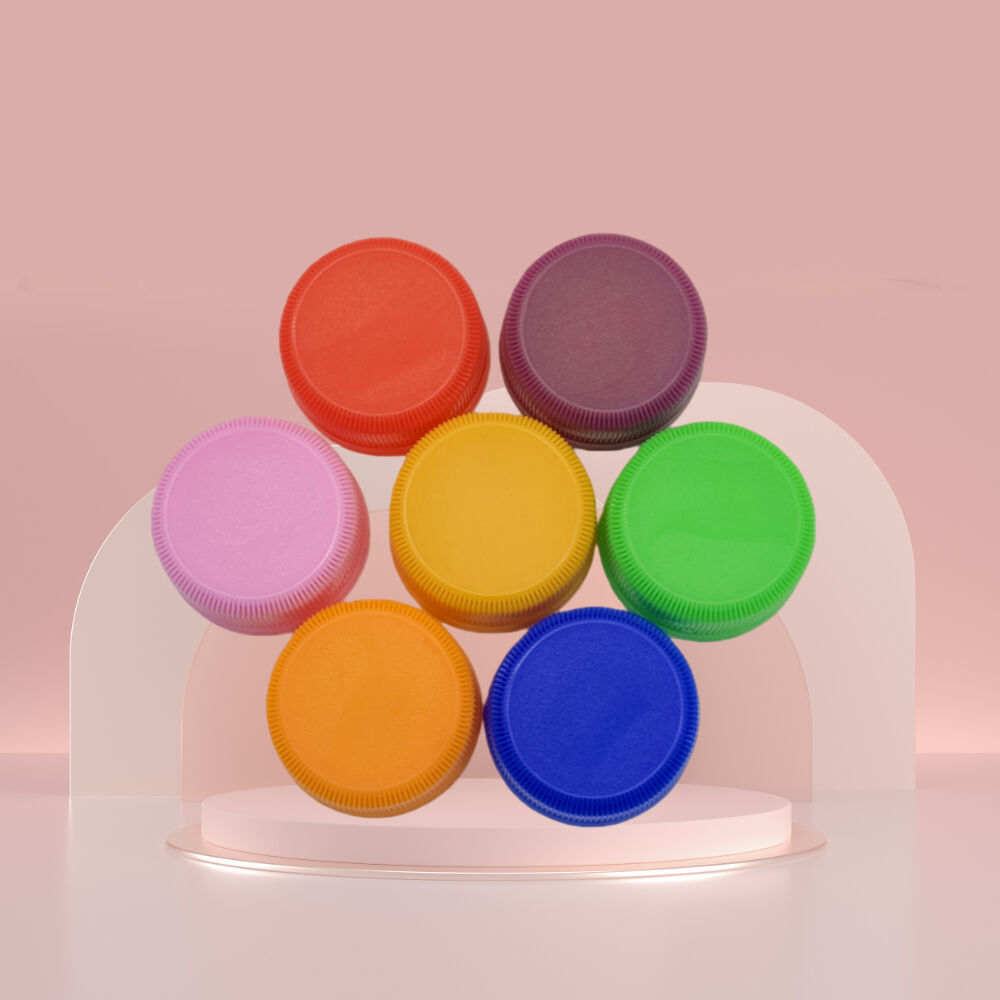
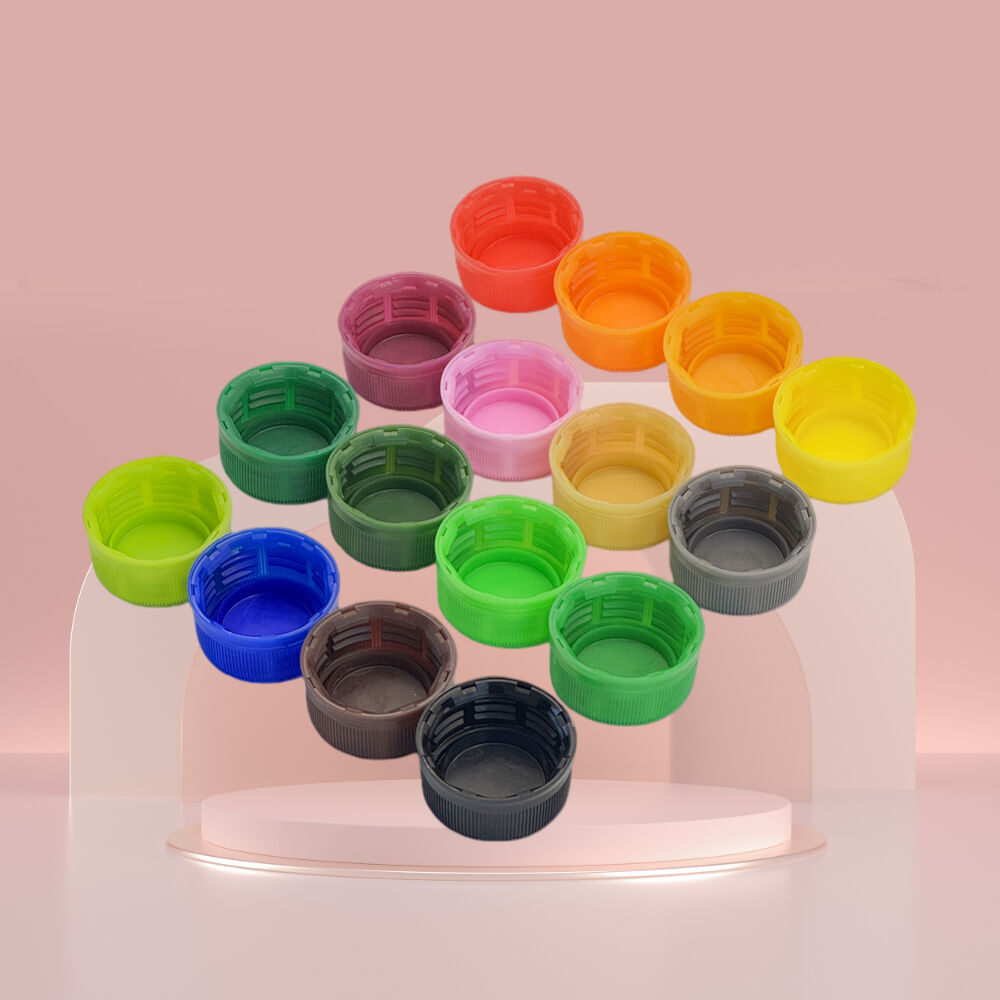
Premium Carbonated Beverage Caps: Advanced Sealing Technology for Superior Fizz Retention

Get a Free Quote

Our representative will contact you soon.
Email
Phone/Whatsapp
Company Name/Name
Message
0/1000

carbonated beverage cap

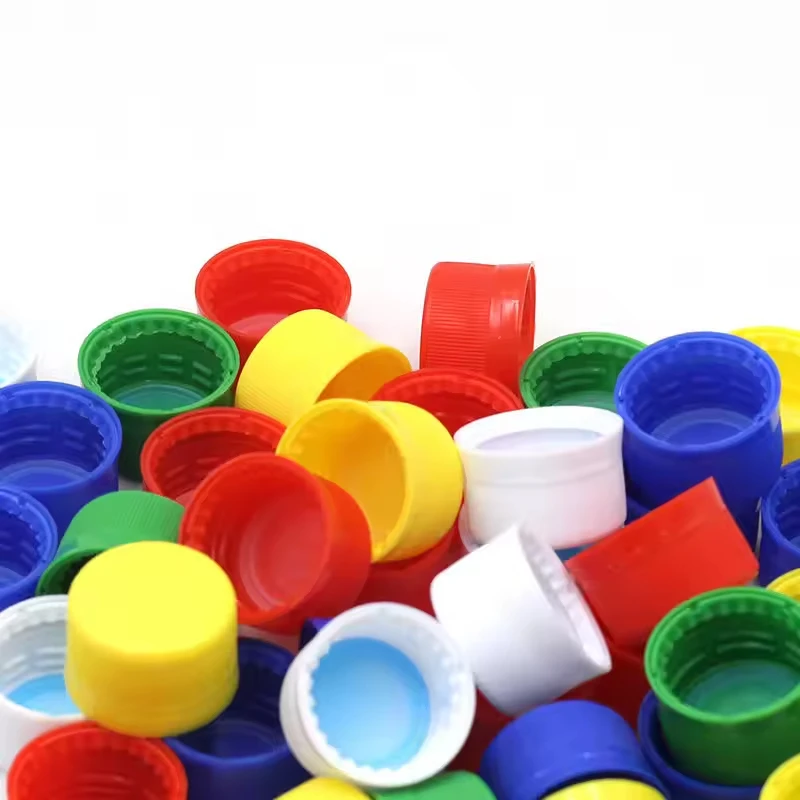
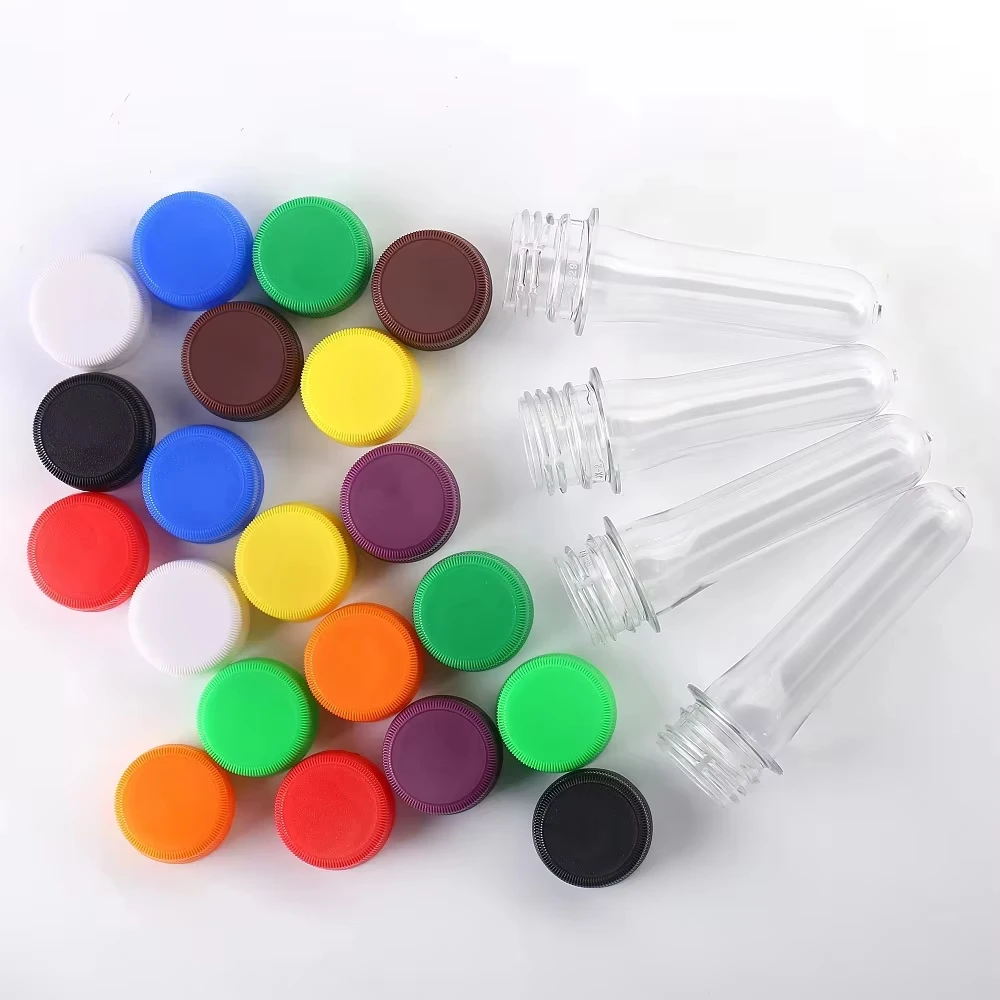
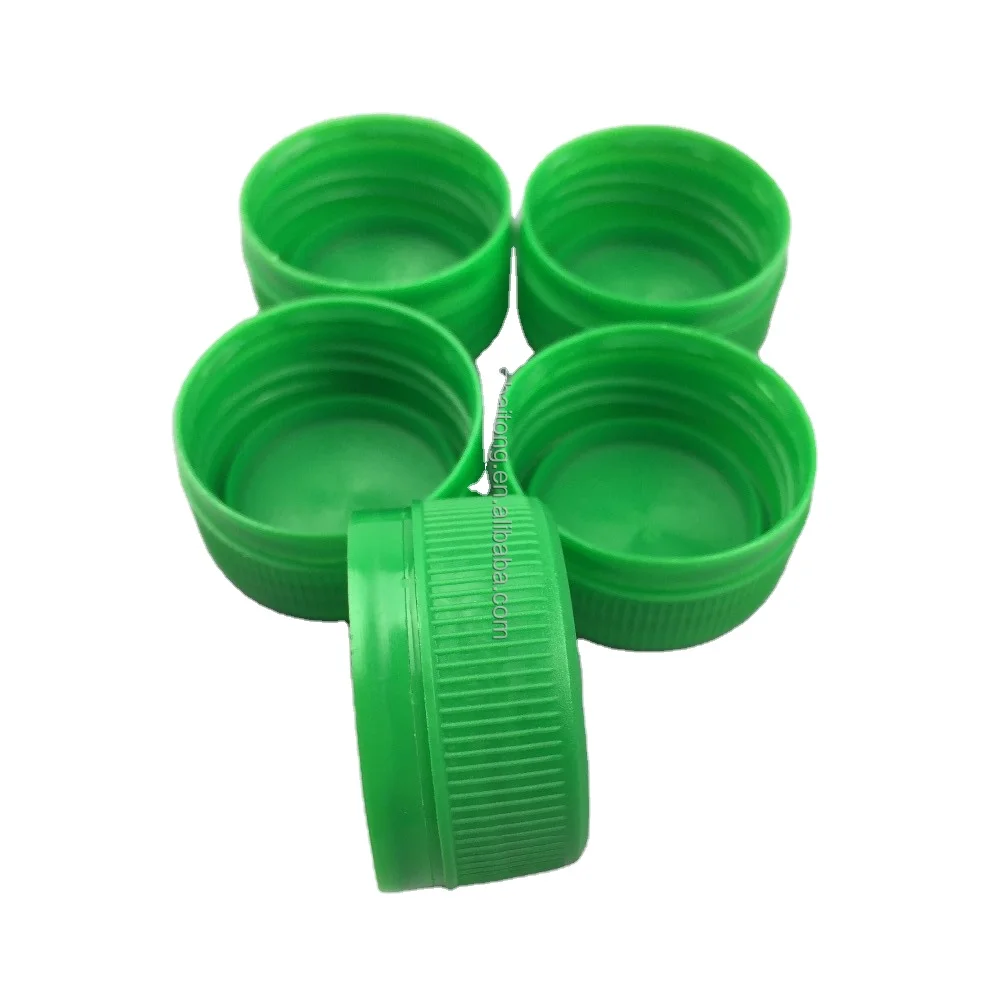
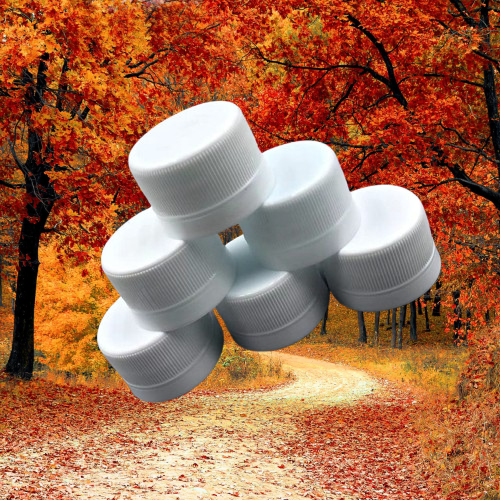
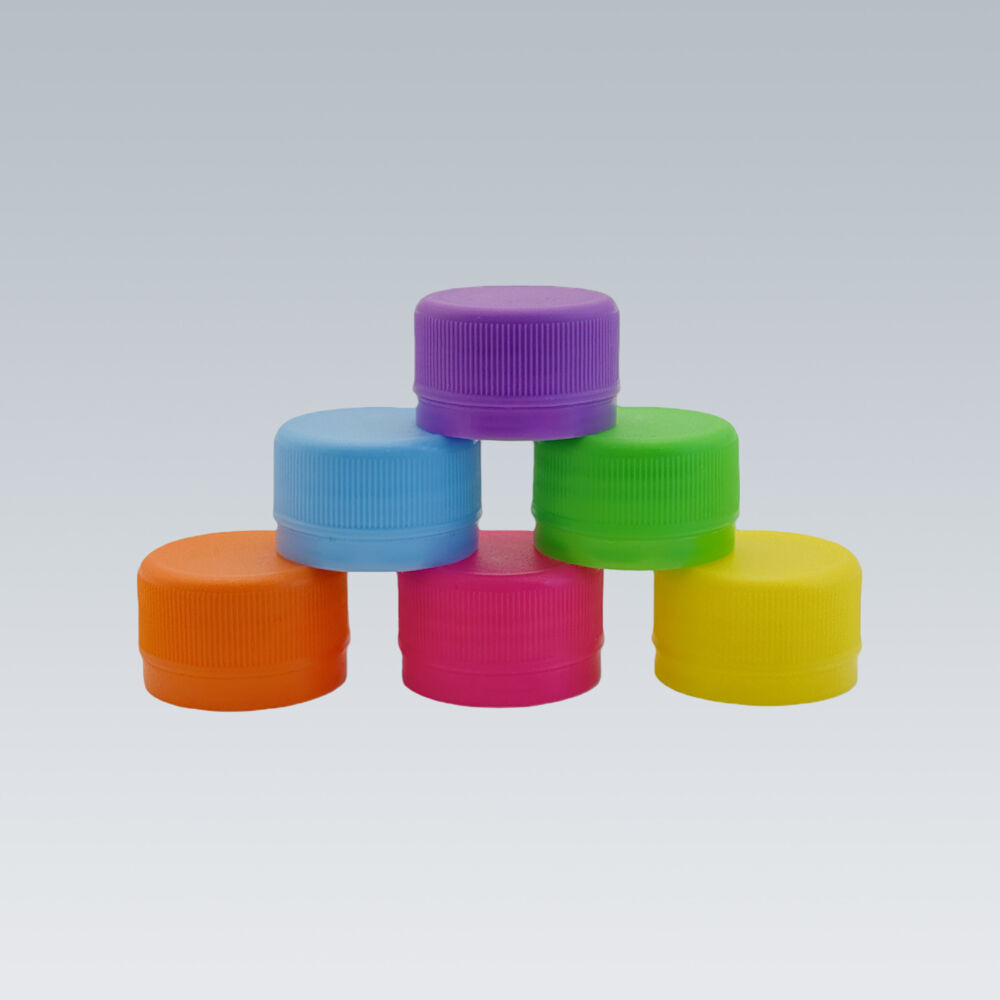
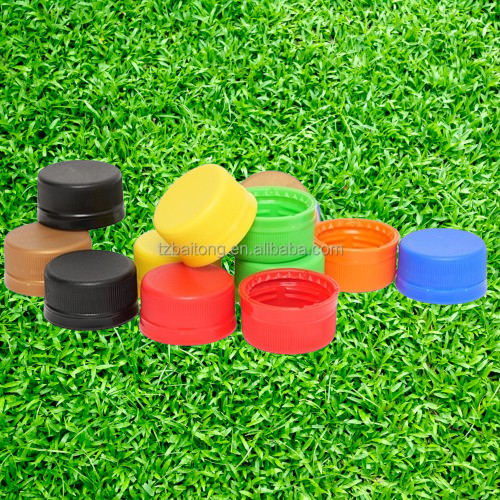
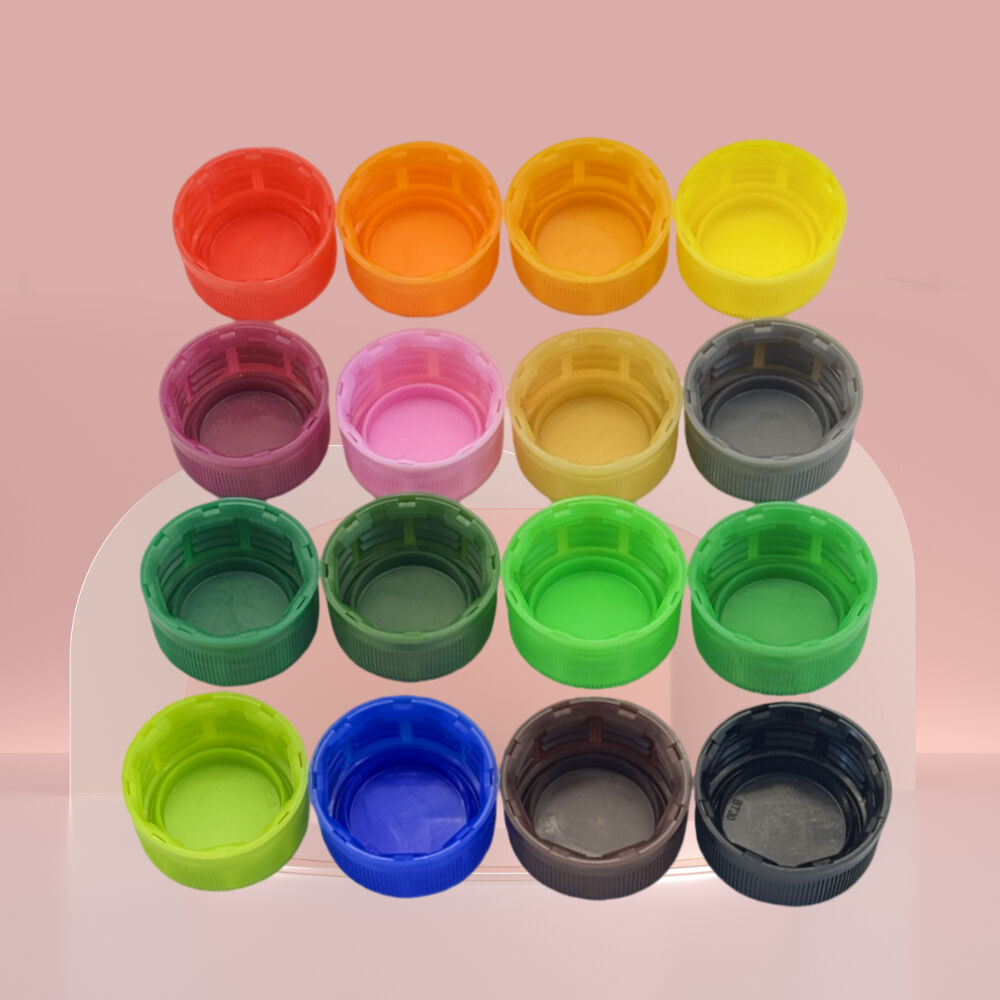
The carbonated beverage cap represents a critical engineering component specifically designed to maintain the integrity and quality of fizzy drinks throughout their lifecycle. This specialized closure system serves multiple essential functions that directly impact consumer satisfaction and product preservation. The primary responsibility of a carbonated beverage cap involves creating an airtight seal that prevents carbon dioxide from escaping, thereby maintaining the characteristic fizz and taste profile that consumers expect from their favorite sodas, sparkling waters, and energy drinks. Modern carbonated beverage cap designs incorporate advanced polymer materials and precision manufacturing techniques to ensure consistent performance across various temperature ranges and storage conditions. The technological features embedded within each carbonated beverage cap include specialized liner materials that resist chemical interaction with acidic beverages, ensuring flavor preservation and preventing contamination. These caps typically feature threaded designs that provide secure closure while allowing easy opening for consumers. The manufacturing process involves injection molding techniques that create uniform wall thickness and precise threading dimensions, guaranteeing reliable sealing performance. Applications for carbonated beverage caps span across numerous industries including soft drink manufacturing, craft beverage production, pharmaceutical companies producing effervescent medications, and specialty drink manufacturers. The versatility of these closure systems makes them indispensable for any product requiring pressurized containment. Quality control measures ensure each carbonated beverage cap meets stringent industry standards for gas retention, torque specifications, and material safety requirements. Advanced testing protocols verify the cap's ability to maintain internal pressure while resisting external environmental factors such as humidity, temperature fluctuations, and mechanical stress during transportation and handling.

New Product Releases

The carbonated beverage cap offers numerous practical benefits that directly enhance product quality and consumer experience while providing significant value for manufacturers and distributors. One major advantage lies in the superior gas retention capabilities that these specialized closures provide, ensuring beverages maintain their intended carbonation levels for extended periods. This feature translates into fresher-tasting products that meet consumer expectations regardless of storage duration or environmental conditions. The robust sealing mechanism prevents flavor degradation and maintains the original taste profile established during production, resulting in consistent quality that builds brand loyalty and customer satisfaction. Manufacturing efficiency represents another significant benefit, as carbonated beverage caps are designed for high-speed automated application on production lines. This compatibility reduces bottling time, minimizes labor costs, and increases overall throughput capacity for beverage manufacturers. The standardized threading systems allow for universal compatibility across different bottle designs, reducing inventory complexity and streamlining supply chain management. Cost-effectiveness emerges as a compelling advantage through the cap's recyclable construction and lightweight design. These features reduce raw material consumption, lower shipping costs, and support sustainability initiatives that resonate with environmentally conscious consumers. The durability of modern carbonated beverage cap designs minimizes product loss due to seal failure, protecting investment in beverage production and reducing waste throughout the distribution chain. Consumer convenience stands out as a practical benefit through the easy-open design that requires minimal effort while maintaining secure closure during storage and transport. The tamper-evident features provide safety assurance and regulatory compliance, particularly important for commercial beverage operations. Temperature resistance ensures reliable performance across diverse climate conditions, from refrigerated storage to ambient temperature retail environments. The chemical inertness of cap materials prevents interaction with beverage components, maintaining product integrity and ensuring food safety standards. These combined advantages make carbonated beverage caps an essential investment for any operation involving pressurized beverages, delivering measurable returns through improved product quality, operational efficiency, and customer satisfaction.

Tips And Tricks

The Engineering Behind a Carbonated Beverage Cap: Handling High Pressure

13

Mar

The Engineering Behind a Carbonated Beverage Cap: Handling High Pressure

The engineering complexity behind a carbonated beverage cap extends far beyond its simple appearance, requiring sophisticated design principles to withstand internal pressures that can reach up to 4 atmospheres. Modern carbonated beverage cap systems...
View More
The Load-Bearing Science of a Durable Plastic Bottle Handle

27

Mar

The Load-Bearing Science of a Durable Plastic Bottle Handle

The engineering principles behind a durable plastic bottle handle represent a fascinating intersection of materials science, structural mechanics, and ergonomic design. Understanding how these seemingly simple components bear substantial loads while ...
View More
How to Customize Your PP Cap for Premium Product Packaging

19

Mar

How to Customize Your PP Cap for Premium Product Packaging

Customizing your PP Cap for premium product packaging represents a strategic approach to elevating brand perception and creating distinctive market positioning. The polypropylene cap industry has evolved significantly, offering manufacturers and bran...
View More
Why Water Cap Quality is Critical for High-Speed Production Lines

28

May

Why Water Cap Quality is Critical for High-Speed Production Lines

High-speed production lines in the beverage industry demand precision, efficiency, and unwavering quality control at every stage of the manufacturing process. Among the critical components that directly impact production success, water cap quality em...
View More

Get a Free Quote

Our representative will contact you soon.
Email
Phone/Whatsapp
Company Name/Name
Message
0/1000

carbonated beverage cap

Advanced Pressure Retention Technology

Advanced Pressure Retention Technology

The most critical feature of any carbonated beverage cap lies in its sophisticated pressure retention technology, which represents the culmination of decades of engineering innovation and materials science advancement. This technology ensures that carbon dioxide molecules remain dissolved in the beverage solution, maintaining the characteristic effervescence that defines quality carbonated drinks. The pressure retention system works through a multi-layer sealing approach that combines precision-molded cap geometry with specialized liner materials engineered to create an impermeable barrier against gas migration. The inner liner typically consists of food-grade polymer compounds that possess excellent chemical resistance properties, preventing interaction with acidic beverage formulations while maintaining flexibility across temperature ranges. This flexibility proves crucial during thermal cycling, as beverages experience temperature variations during storage, transport, and consumption preparation. The threading mechanism incorporates precise tolerances that ensure consistent engagement with bottle neck specifications, creating uniform compression of the sealing liner around the entire circumference. Advanced manufacturing techniques employ computer-controlled injection molding processes that maintain dimensional accuracy within micron tolerances, ensuring each carbonated beverage cap delivers identical sealing performance. The pressure retention technology extends beyond basic sealing to include pressure relief capabilities that prevent over-pressurization while maintaining optimal carbonation levels. This balanced approach protects both product quality and package integrity throughout the product lifecycle. Quality assurance testing validates pressure retention performance through accelerated aging protocols that simulate extended storage conditions, confirming long-term carbonation maintenance. The technology accommodates various beverage formulations, from standard soft drinks with moderate acidity to highly carbonated energy drinks and specialty beverages with complex chemical compositions. This versatility makes the pressure retention technology suitable for diverse applications across the beverage industry, providing manufacturers with reliable closure solutions that protect their investment in product development and brand reputation.
Consumer-Friendly Design Innovation

Consumer-Friendly Design Innovation

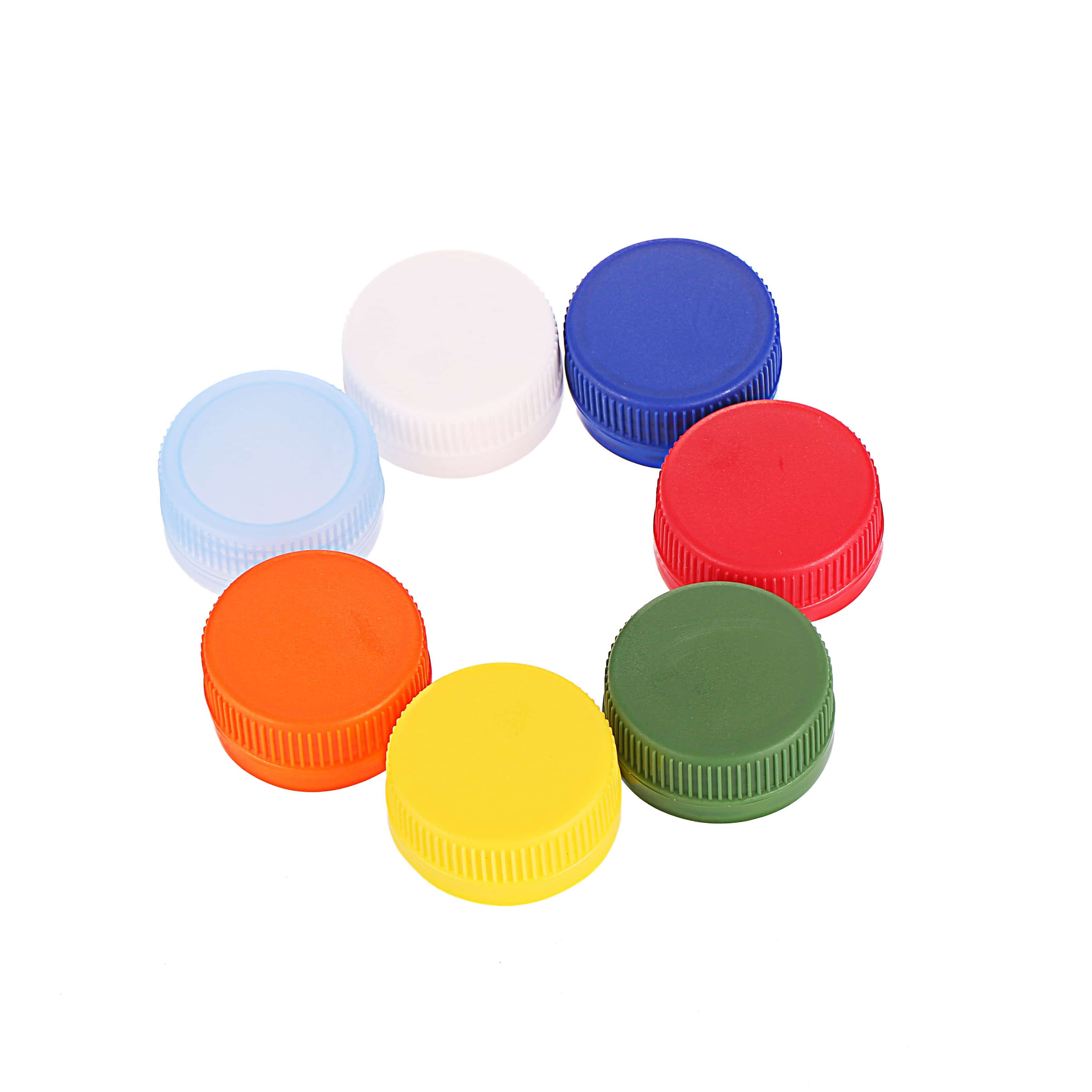
Modern carbonated beverage cap design prioritizes consumer experience through innovative features that balance ease of use with secure closure functionality, representing a significant evolution from traditional cap designs that often frustrated users with difficult opening mechanisms or inadequate resealing capabilities. The consumer-friendly approach begins with ergonomic considerations that account for diverse hand sizes, grip strengths, and dexterity levels across different demographic groups. The cap surface incorporates textured patterns that enhance grip security, particularly important when handling cold, wet bottles that may become slippery during use. The threading design employs optimized pitch angles that reduce the torque required for opening while maintaining sufficient engagement for secure closure, addressing common consumer complaints about caps that are either too difficult to remove or fail to provide adequate resealing. Visual indicators enhance user experience by providing clear feedback about proper closure status through alignment marks, color coding, or tactile features that confirm complete engagement. Safety considerations include tamper-evident features that provide immediate visual confirmation of package integrity, building consumer confidence while meeting regulatory requirements for commercial beverage products. The design accommodates single-handed operation for enhanced convenience, particularly valuable for consumers with mobility limitations or those engaged in activities where one hand remains occupied. Resealing functionality ensures beverages maintain carbonation and freshness between consumption occasions, extending product utility and reducing waste. The cap design considers diverse consumption patterns, from immediate consumption scenarios to extended storage periods where multiple openings and closings occur. Material selection balances durability requirements with environmental considerations, incorporating recyclable polymers that support sustainability goals while maintaining performance standards. Child-resistant features can be integrated when required for specific beverage categories, providing safety protection without compromising adult accessibility. The innovative design approach extends to aesthetic considerations that complement bottle design and brand identity, creating cohesive packaging solutions that enhance shelf appeal and brand recognition in competitive retail environments.
Manufacturing Excellence and Quality Assurance

Manufacturing Excellence and Quality Assurance

The production of carbonated beverage caps demands exceptional manufacturing excellence and comprehensive quality assurance protocols that ensure consistent performance across millions of units while meeting stringent industry standards for food safety, environmental compliance, and functional reliability. Manufacturing excellence begins with advanced injection molding technology that employs computer-controlled process parameters to maintain precise dimensional tolerances, material distribution, and surface finish quality throughout high-volume production runs. The manufacturing process incorporates real-time monitoring systems that track critical variables including melt temperature, injection pressure, cooling rates, and cycle times, enabling immediate adjustments to maintain optimal production conditions. Raw material selection follows rigorous specifications for food-grade polymers that meet FDA regulations, European Union standards, and other international requirements for beverage packaging applications. Quality assurance protocols encompass incoming material inspection, in-process monitoring, and finished product testing that validates every aspect of cap performance from gas permeability to torque specifications. Automated inspection systems employ vision technology and dimensional measurement tools to identify deviations from specification limits, ensuring defective products are removed before reaching the packaging stage. Statistical process control methodologies track production trends and identify optimization opportunities that improve efficiency while maintaining quality standards. Traceability systems maintain detailed records linking each production batch to specific material lots, process conditions, and quality test results, enabling rapid response to any quality concerns that may arise in the market. Environmental compliance extends beyond regulatory requirements to include sustainability initiatives that minimize waste generation, optimize energy consumption, and support circular economy principles through recyclable material selection. Continuous improvement programs engage production teams in identifying enhancement opportunities that reduce costs, improve quality, or increase production capacity while maintaining stringent safety standards. Calibration programs ensure all measurement and testing equipment maintains accuracy over time, supporting reliable quality assessment throughout the manufacturing process. Supplier qualification and ongoing monitoring programs verify that component materials and services meet established standards, creating a supply chain foundation that supports manufacturing excellence objectives and ensures consistent carbonated beverage cap quality for end users.

Get a Free Quote

Our representative will contact you soon.
Email
Phone/Whatsapp
Company Name/Name
Message
0/1000