Premium Carbonated Beverage Bottle Closures - Advanced Sealing Technology for Optimal Freshness

Get a Free Quote

Our representative will contact you soon.
Email
Phone/Whatsapp
Company Name/Name
Message
0/1000

carbonated beverage bottle closure

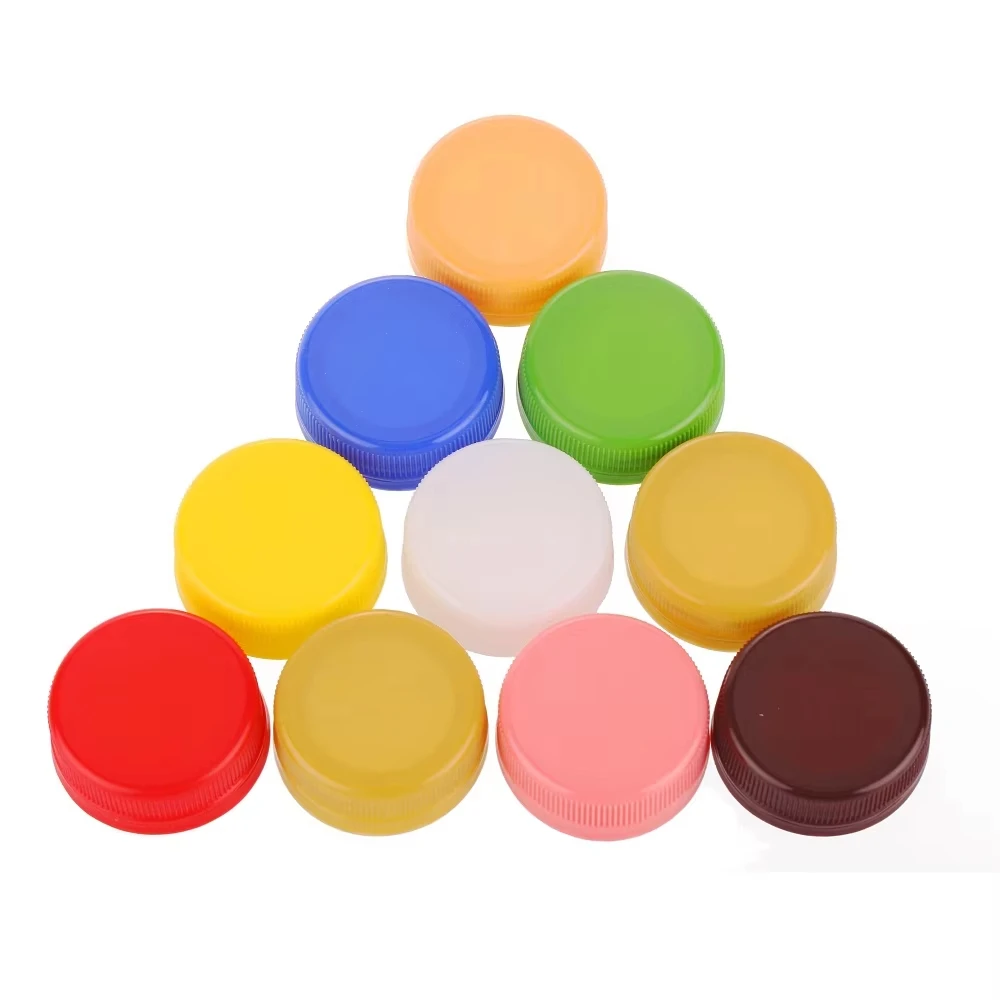
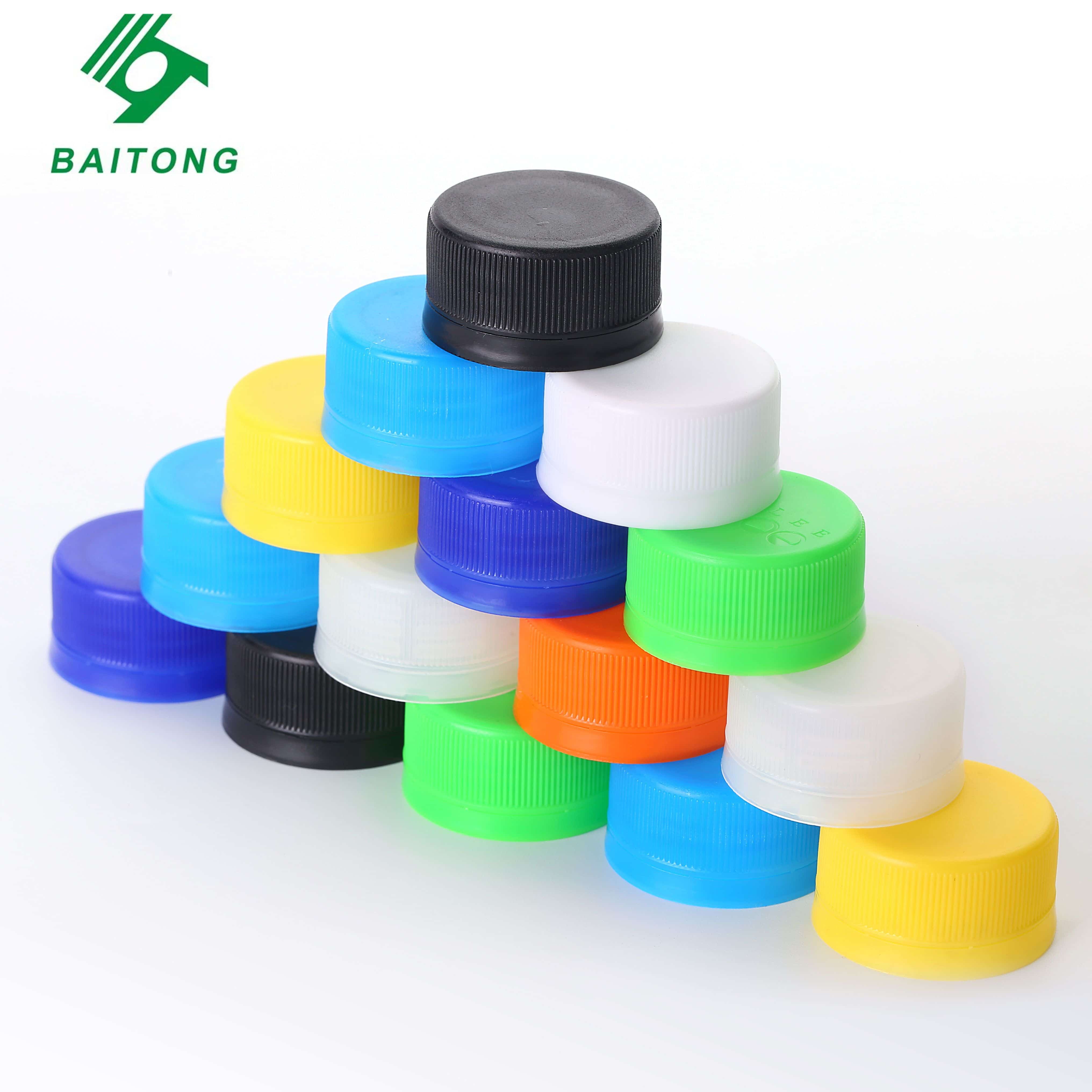
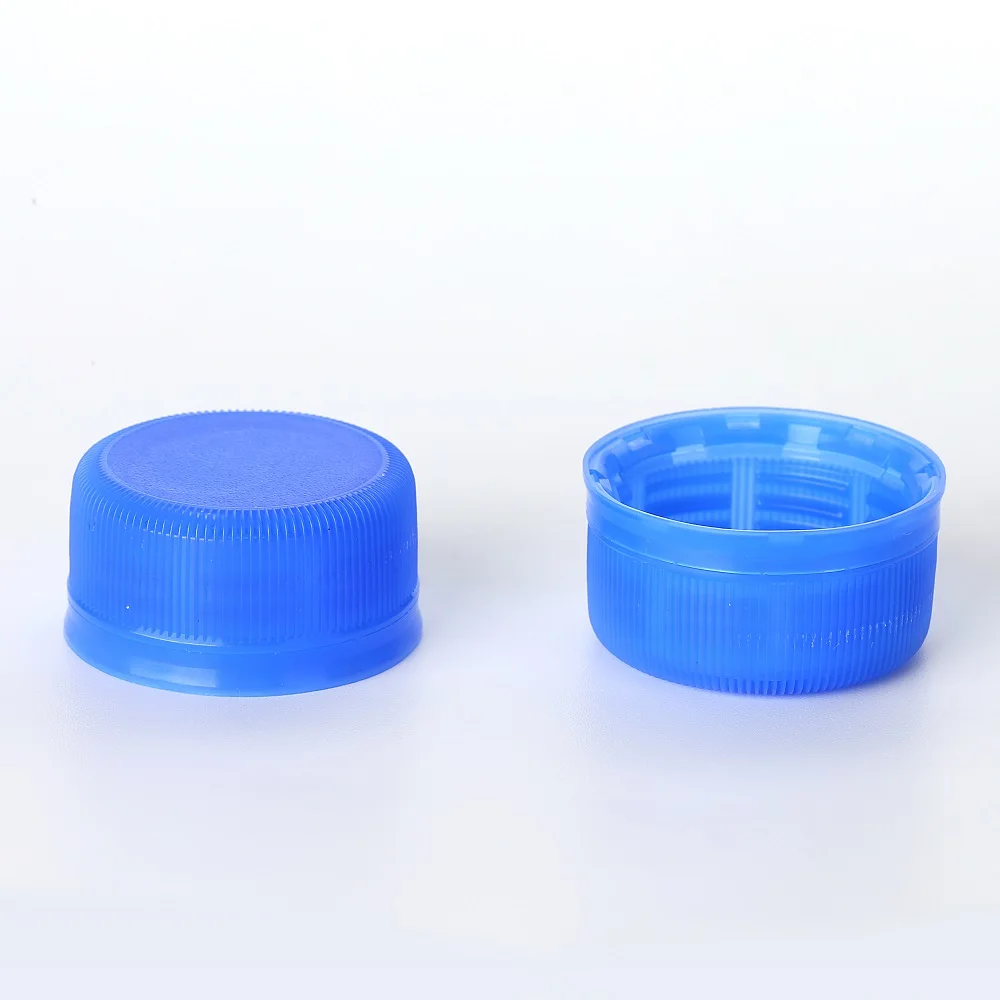
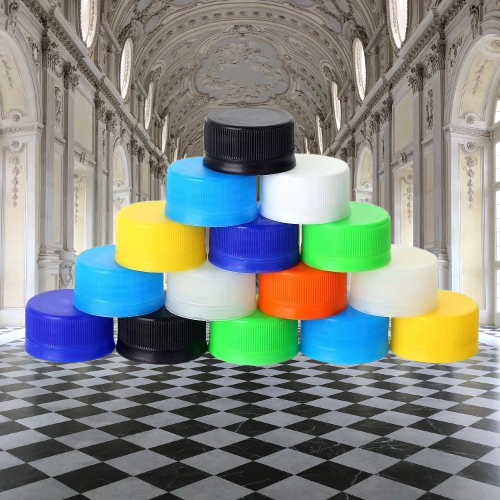
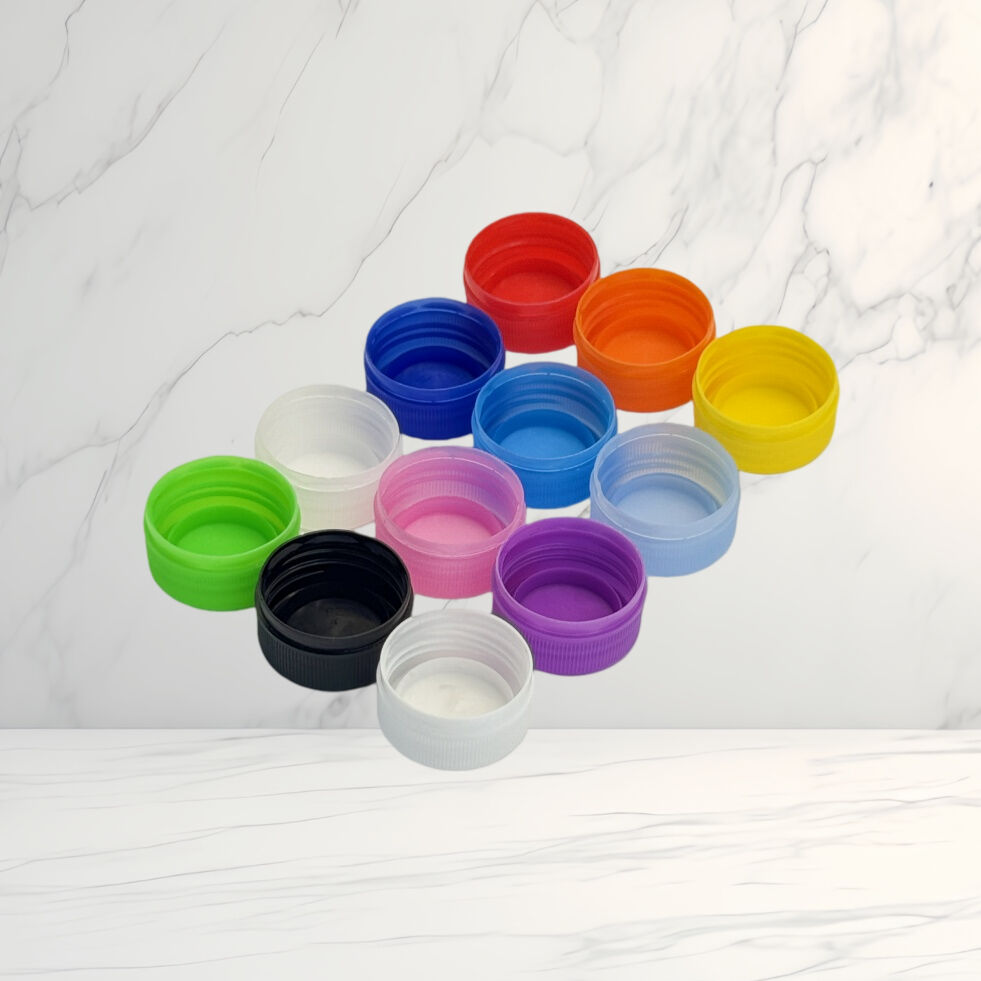
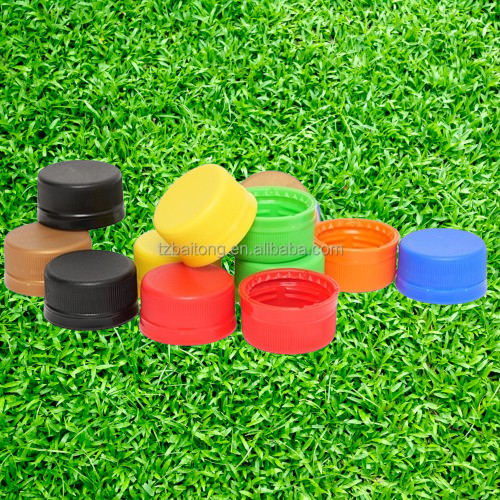
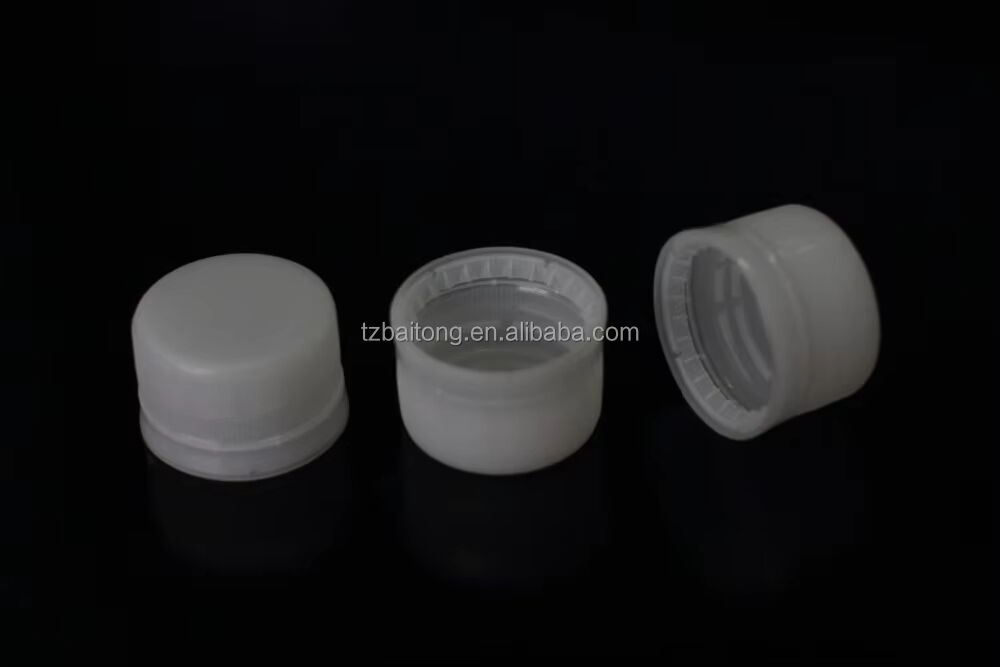
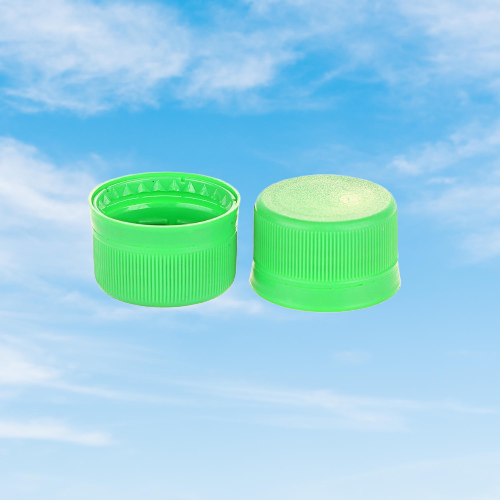
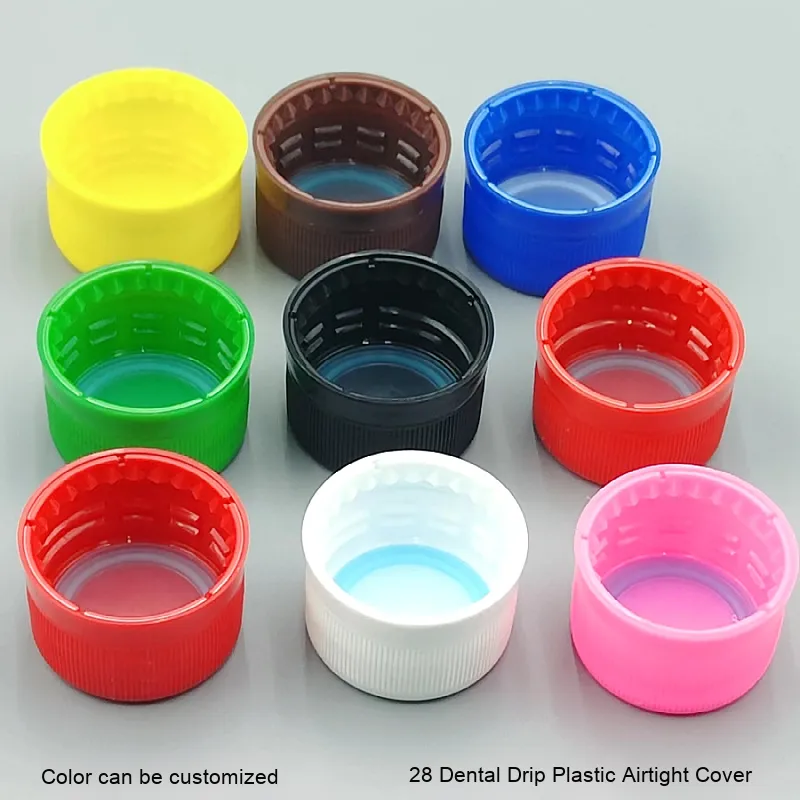
The carbonated beverage bottle closure represents a critical component in modern packaging technology, designed specifically to maintain the quality, freshness, and safety of carbonated drinks throughout their shelf life. This specialized closure system serves multiple essential functions that directly impact consumer satisfaction and product integrity. The primary function of a carbonated beverage bottle closure involves creating an airtight seal that prevents carbon dioxide gas from escaping while simultaneously blocking external contaminants from entering the container. This dual-barrier protection ensures that beverages retain their characteristic fizz and flavor profile from production to consumption. Technologically, these closures incorporate advanced materials and engineering principles to withstand internal pressure generated by dissolved carbon dioxide. The closure mechanism typically features precision-molded threads that create a secure connection with the bottle neck, complemented by specialized liner materials that enhance sealing performance. Modern carbonated beverage bottle closures utilize high-grade polymers and composite materials that resist deformation under pressure while maintaining flexibility for easy opening. The design incorporates tamper-evident features that provide visible indication if the package has been compromised, ensuring consumer safety and brand protection. Applications span across the entire carbonated beverage industry, from traditional sodas and soft drinks to sparkling water, energy drinks, and carbonated alcoholic beverages. The closure system must accommodate varying pressure levels depending on the specific product formulation and carbonation requirements. Manufacturing facilities rely on these closures to maintain production efficiency while meeting stringent quality standards. The technological features include optimized torque specifications for automated capping equipment, ensuring consistent application across high-volume production lines. Additionally, the closure design considers environmental factors, with many manufacturers developing recyclable options that support sustainability initiatives without compromising performance standards.

Popular Products

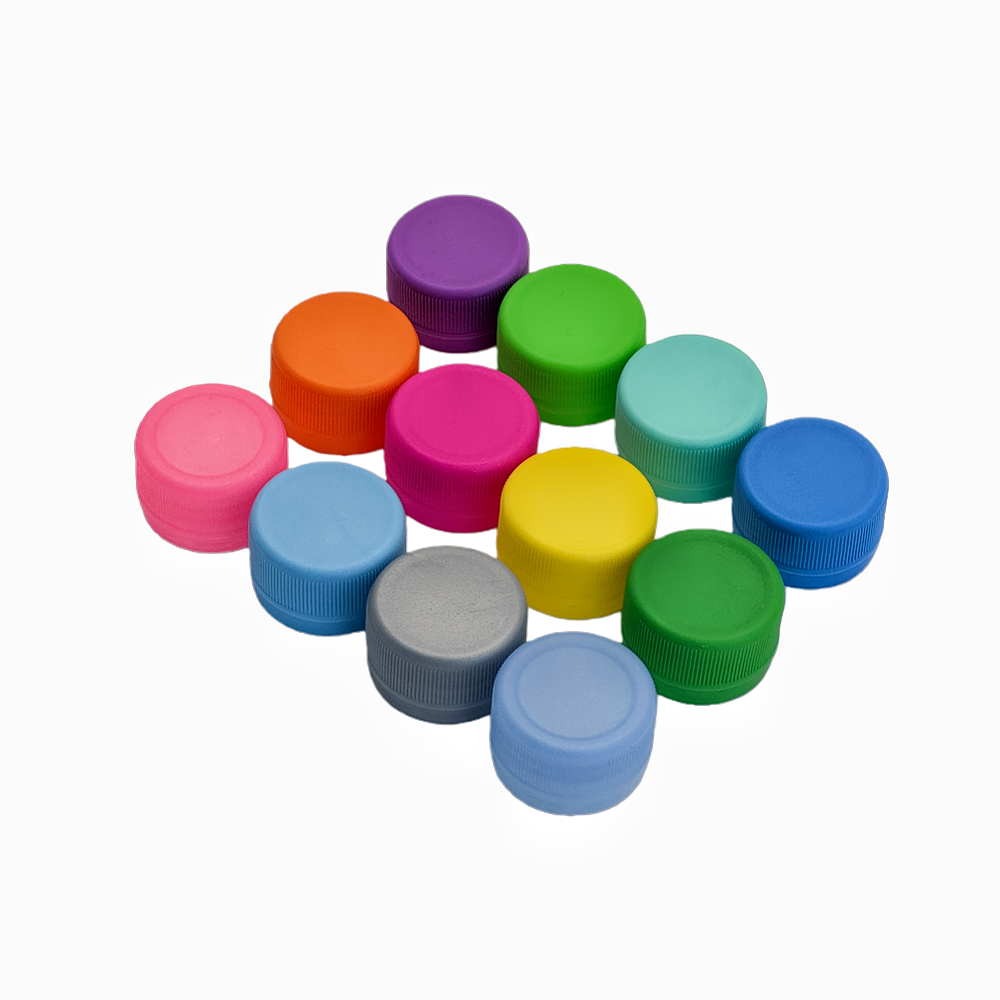
The carbonated beverage bottle closure offers numerous practical benefits that directly enhance the consumer experience while providing significant value to manufacturers and retailers. One of the most important advantages lies in superior gas retention capabilities, which keep beverages fresh and fizzy for extended periods. This extended freshness translates to longer shelf life, reducing waste for both retailers and consumers while ensuring optimal taste quality when the product is consumed. The closure system provides exceptional convenience through its user-friendly design that allows effortless opening without requiring additional tools or excessive force. This accessibility makes the product suitable for consumers of all ages and physical capabilities, expanding market reach and customer satisfaction. The resealable nature of these closures enables consumers to partially consume beverages and store them for later consumption while maintaining carbonation levels. This flexibility supports changing consumption patterns and lifestyle needs, particularly valuable for larger container sizes or premium products. From a safety perspective, carbonated beverage bottle closures incorporate tamper-evident features that immediately indicate if the package integrity has been compromised. This visible security measure builds consumer confidence and protects brand reputation by ensuring product authenticity. The closure system also provides excellent barrier properties against external contaminants, including bacteria, dust, and other potentially harmful substances that could affect product quality or consumer health. Manufacturing advantages include compatibility with high-speed automated production lines, enabling efficient bottling operations that reduce labor costs and increase throughput. The standardized design facilitates inventory management and reduces complexity in procurement processes. Quality control benefits emerge from consistent sealing performance that minimizes product defects and customer complaints. The closure system supports brand differentiation through customizable design options, including embossed logos, colored materials, and unique textures that enhance shelf appeal and brand recognition. Environmental considerations have led to the development of lighter-weight closures that reduce material usage and transportation costs while maintaining performance standards. These eco-friendly options support corporate sustainability goals and appeal to environmentally conscious consumers. Cost efficiency results from optimized material usage and streamlined manufacturing processes that deliver reliable performance at competitive price points, benefiting the entire supply chain from producers to end consumers.

Tips And Tricks

The Engineering Behind a Carbonated Beverage Cap: Handling High Pressure

13

Mar

The Engineering Behind a Carbonated Beverage Cap: Handling High Pressure

The engineering complexity behind a carbonated beverage cap extends far beyond its simple appearance, requiring sophisticated design principles to withstand internal pressures that can reach up to 4 atmospheres. Modern carbonated beverage cap systems...
View More
How to Customize Your PP Cap for Premium Product Packaging

19

Mar

How to Customize Your PP Cap for Premium Product Packaging

Customizing your PP Cap for premium product packaging represents a strategic approach to elevating brand perception and creating distinctive market positioning. The polypropylene cap industry has evolved significantly, offering manufacturers and bran...
View More
PCO1881 Cap: The Industry Standard for Lightweight CSD Packaging

20

Mar

PCO1881 Cap: The Industry Standard for Lightweight CSD Packaging

The PCO1881 Cap has established itself as the definitive industry standard for carbonated soft drink packaging, revolutionizing lightweight bottle closure solutions across the global beverage market. This 28mm threaded cap design represents a critica...
View More
Why Water Cap Quality is Critical for High-Speed Production Lines

28

May

Why Water Cap Quality is Critical for High-Speed Production Lines

High-speed production lines in the beverage industry demand precision, efficiency, and unwavering quality control at every stage of the manufacturing process. Among the critical components that directly impact production success, water cap quality em...
View More

Get a Free Quote

Our representative will contact you soon.
Email
Phone/Whatsapp
Company Name/Name
Message
0/1000

carbonated beverage bottle closure

Advanced Pressure Management Technology

Advanced Pressure Management Technology

The carbonated beverage bottle closure features sophisticated pressure management technology that represents a breakthrough in packaging engineering, specifically designed to handle the unique challenges posed by pressurized carbonated beverages. This innovative system incorporates multi-layered sealing mechanisms that work together to create an impermeable barrier against carbon dioxide loss while maintaining structural integrity under varying pressure conditions. The technology utilizes precision-engineered polymer compounds that exhibit exceptional resistance to gas permeation, ensuring that the characteristic fizz and taste of carbonated beverages remain intact throughout extended storage periods. The closure design incorporates calculated compression zones that distribute pressure evenly across the sealing surface, preventing localized stress points that could compromise seal integrity. Advanced materials science has enabled the development of liner compositions that maintain their sealing properties across wide temperature ranges, from refrigerated storage to ambient conditions encountered during distribution and retail display. The pressure management system includes safety features that prevent over-pressurization while maintaining optimal carbonation levels for consumer enjoyment. This technology has been extensively tested under real-world conditions, including temperature cycling, vibration exposure during transportation, and long-term storage scenarios to ensure reliable performance. The engineering approach considers the dynamic nature of carbonated beverages, where pressure levels can fluctuate based on temperature changes and handling conditions. By incorporating flexible yet resilient materials, the closure adapts to these variations without losing its sealing effectiveness. Manufacturing precision ensures consistent performance across millions of units, with quality control measures that verify pressure retention capabilities for each batch. The technology also supports various carbonation levels, from lightly sparkling waters to highly carbonated soft drinks, making it versatile across different product categories. This advanced pressure management capability translates to reduced product waste, improved consumer satisfaction, and enhanced brand reputation through consistent product quality delivery.
Enhanced Consumer Experience and Convenience

Enhanced Consumer Experience and Convenience

The carbonated beverage bottle closure has been meticulously designed to deliver an exceptional consumer experience that prioritizes convenience, safety, and satisfaction across all user interactions. This consumer-centric approach begins with the ergonomic design that accommodates various hand sizes and grip strengths, ensuring comfortable opening for elderly consumers, children, and individuals with limited dexterity. The closure features optimized torque requirements that provide sufficient tamper evidence and seal integrity while remaining easily manageable for typical consumers. The tactile feedback system incorporated into the design provides clear indication when the closure is properly secured, eliminating guesswork and ensuring product freshness. The resealable functionality represents a significant convenience factor, allowing consumers to enjoy beverages in multiple servings while maintaining carbonation and flavor quality between openings. This feature particularly benefits busy lifestyles where beverage consumption may be interrupted or extended over time. The closure system includes visual indicators that help consumers verify proper closure after resealing, promoting confidence in product freshness and quality. Safety considerations include smooth, rounded edges that prevent cuts or injuries during handling, while the tamper-evident features provide immediate visual confirmation of package integrity. The opening mechanism has been engineered to minimize the risk of sudden pressure release, ensuring a controlled and safe opening experience even when beverages are agitated or stored under varying temperature conditions. User feedback has driven continuous improvements in the closure design, resulting in enhanced functionality that addresses real-world usage scenarios. The convenience extends to disposal considerations, with designs that facilitate recycling processes and support environmental responsibility. Clear marking and color coding help consumers identify recyclable components, supporting waste management efforts. The closure system also accommodates various drinking preferences, from direct consumption to pouring into glasses, maintaining functionality across different usage patterns. Temperature resistance ensures that the closure performs consistently whether beverages are consumed chilled or at room temperature, adapting to diverse consumer preferences and storage conditions.
Superior Manufacturing Integration and Quality Assurance

Superior Manufacturing Integration and Quality Assurance

The carbonated beverage bottle closure represents excellence in manufacturing integration, featuring advanced quality assurance systems that ensure consistent performance and reliability across high-volume production environments. This comprehensive approach begins with precision molding technologies that create closures with exact dimensional tolerances, ensuring perfect compatibility with bottle neck specifications and automated capping equipment. The manufacturing process incorporates real-time quality monitoring systems that verify closure dimensions, material properties, and sealing performance throughout production runs. Statistical process control methods enable immediate detection and correction of any variations that could affect product quality, maintaining uniformity across millions of units. The integration capabilities extend to compatibility with various bottling line configurations, from small-scale craft beverage operations to large industrial facilities processing thousands of units per hour. Automated capping systems benefit from the closure design that facilitates smooth, consistent application with minimal adjustments required for different product runs. The quality assurance framework includes comprehensive testing protocols that simulate real-world conditions, including pressure cycling, temperature variations, and mechanical stress scenarios that closures may encounter during distribution and storage. Traceability systems enable complete documentation of manufacturing parameters for each production batch, supporting quality investigations and continuous improvement initiatives. Material certification processes ensure that all components meet food-grade safety standards and regulatory requirements across different markets and jurisdictions. The manufacturing approach emphasizes efficiency through optimized material usage and streamlined production workflows that minimize waste and reduce environmental impact. Supplier qualification programs ensure consistent raw material quality, while incoming inspection procedures verify material properties before production begins. Equipment maintenance protocols and operator training programs maintain manufacturing consistency and prevent quality deviations. The integration extends to packaging and logistics considerations, with closure designs that optimize shipping efficiency and storage requirements. Quality documentation systems provide comprehensive records that support customer audits and regulatory compliance verification. Continuous improvement programs analyze production data and customer feedback to identify enhancement opportunities, driving innovation in manufacturing processes and product performance.

Get a Free Quote

Our representative will contact you soon.
Email
Phone/Whatsapp
Company Name/Name
Message
0/1000