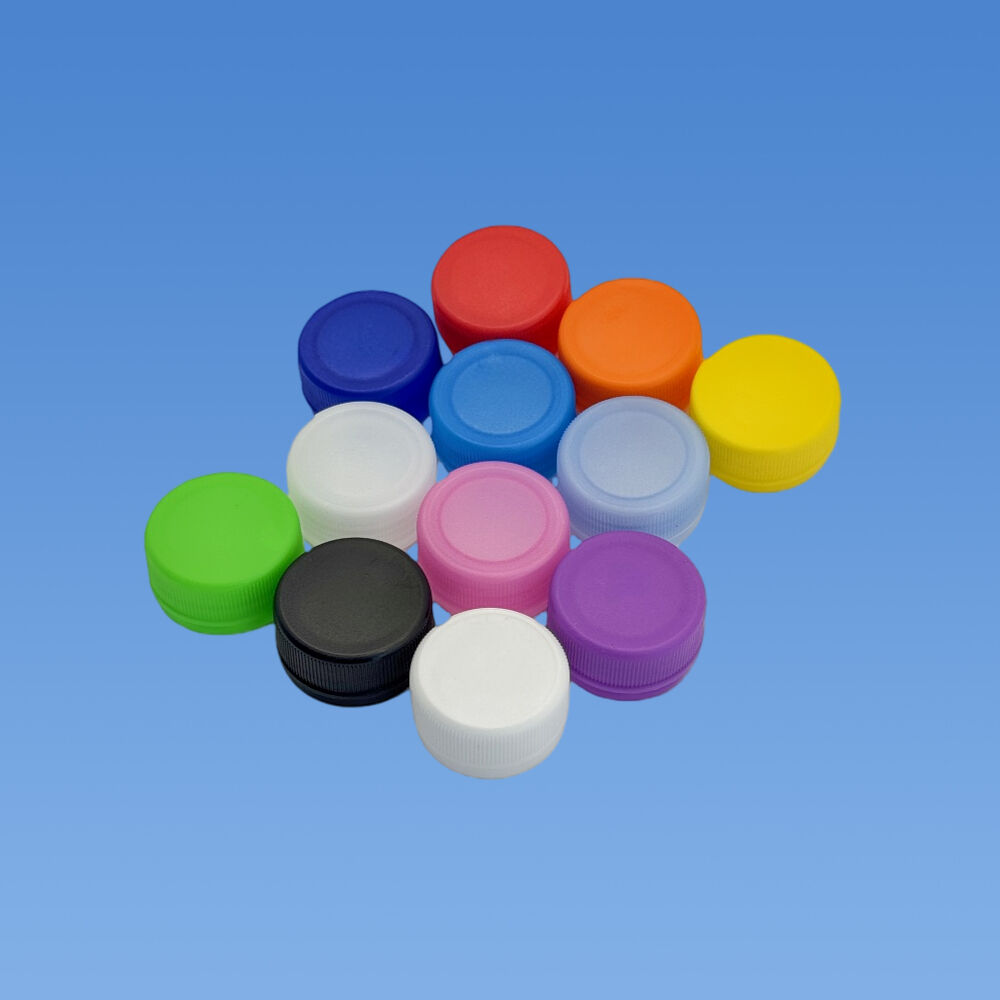
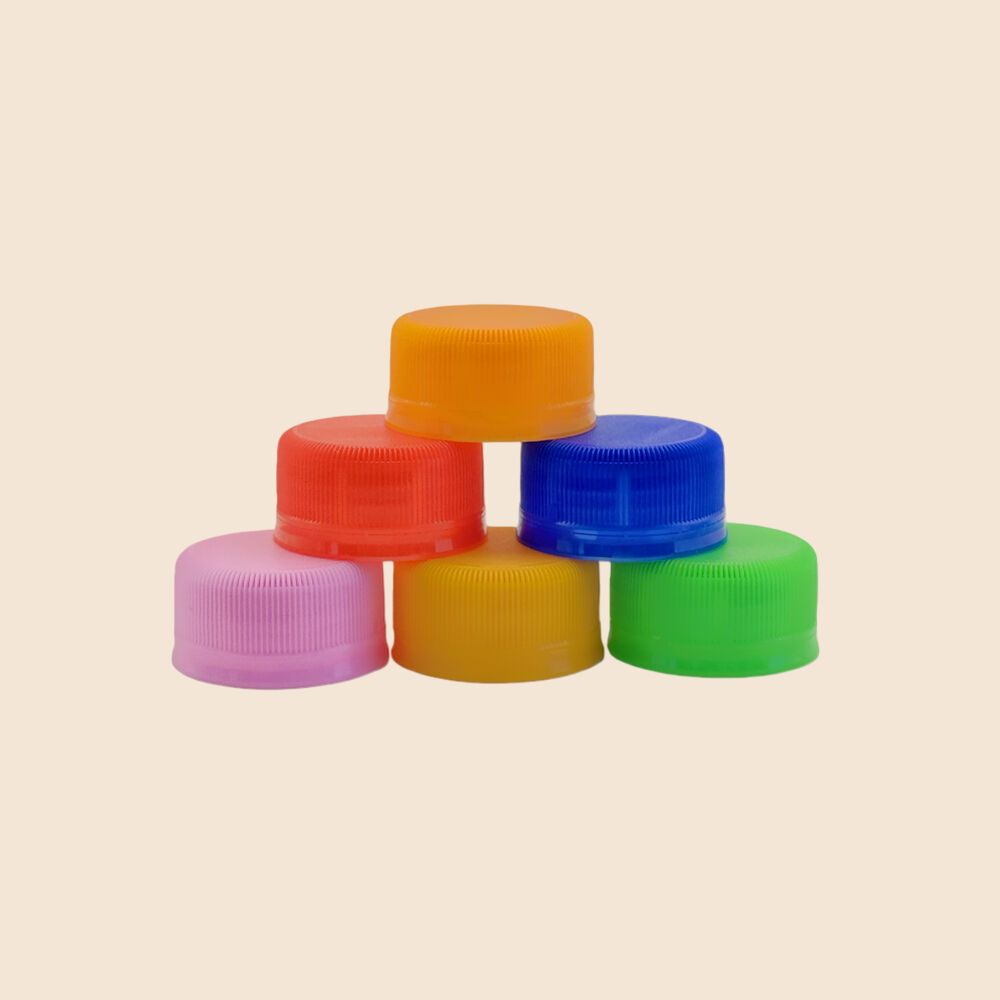
Premium Plastic Bottle Closures - Advanced Sealing Technology & Sustainable Solutions

Get a Free Quote

Our representative will contact you soon.
Email
Phone/Whatsapp
Company Name/Name
Message
0/1000

plastic bottle closures

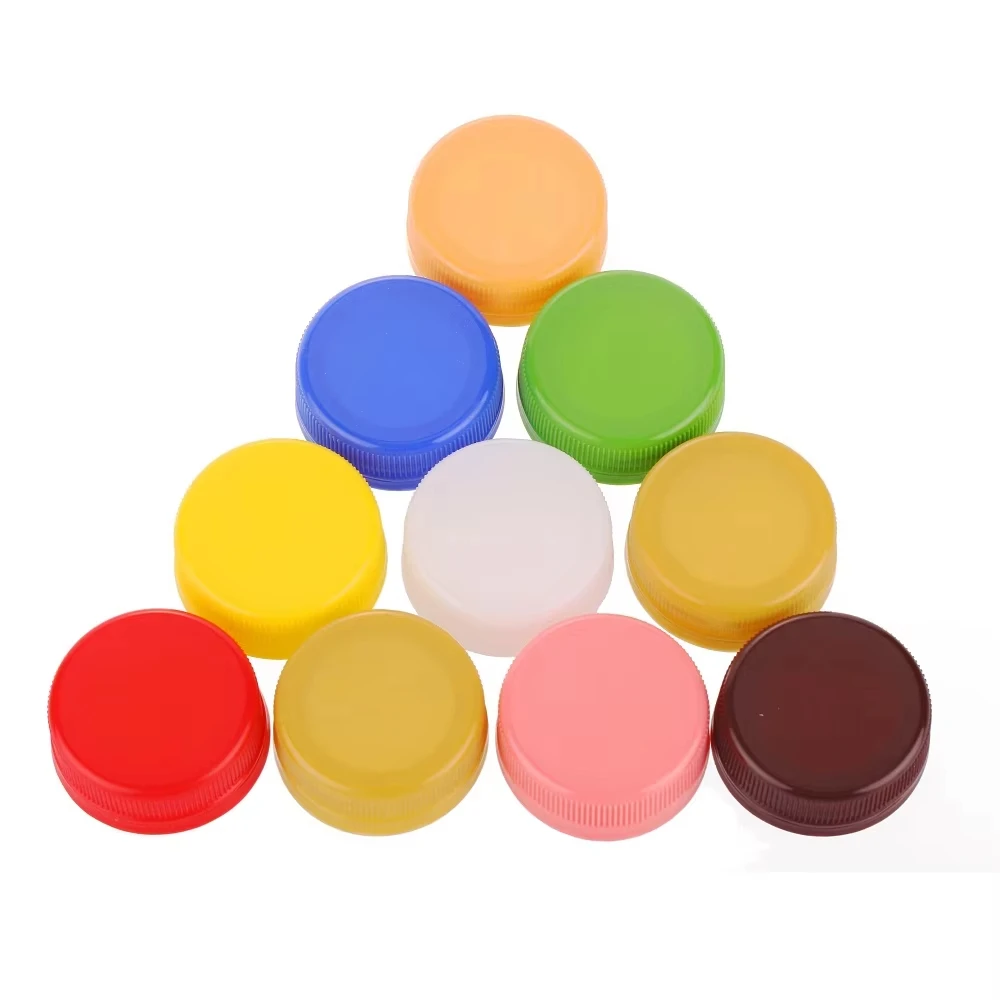
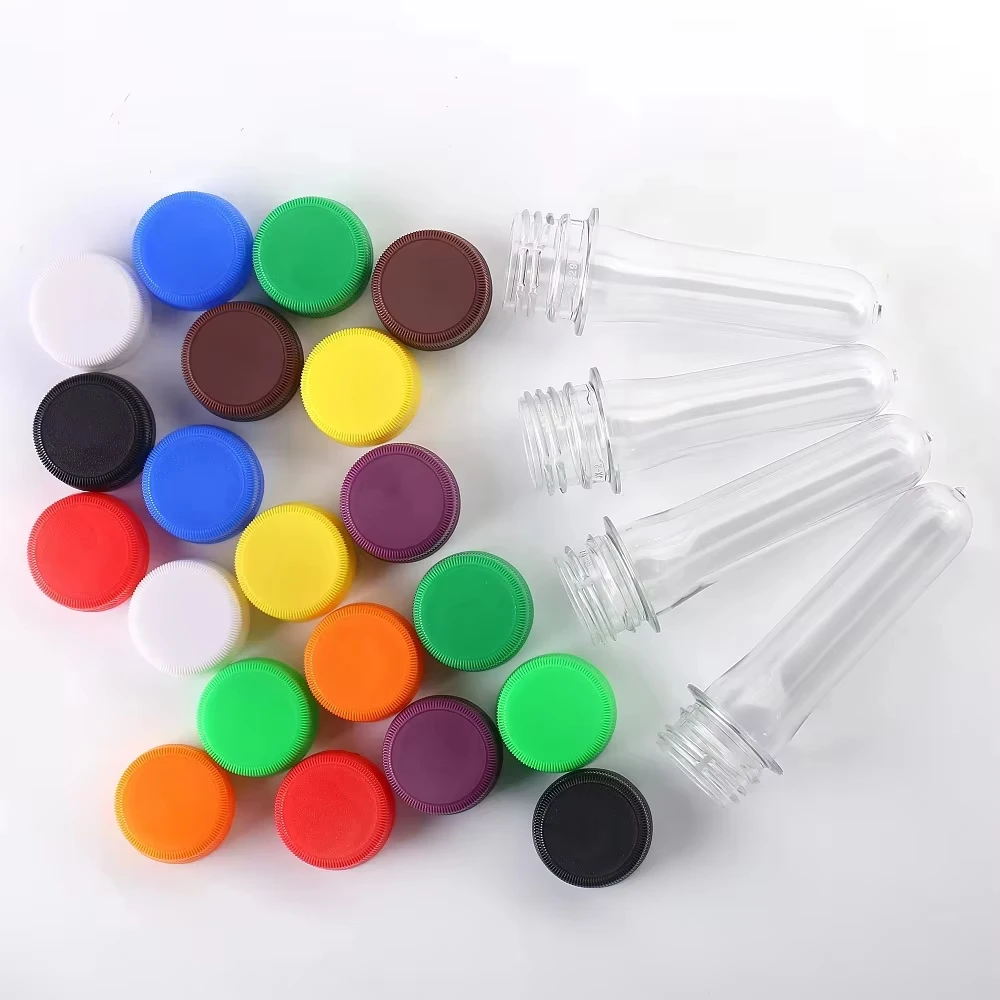
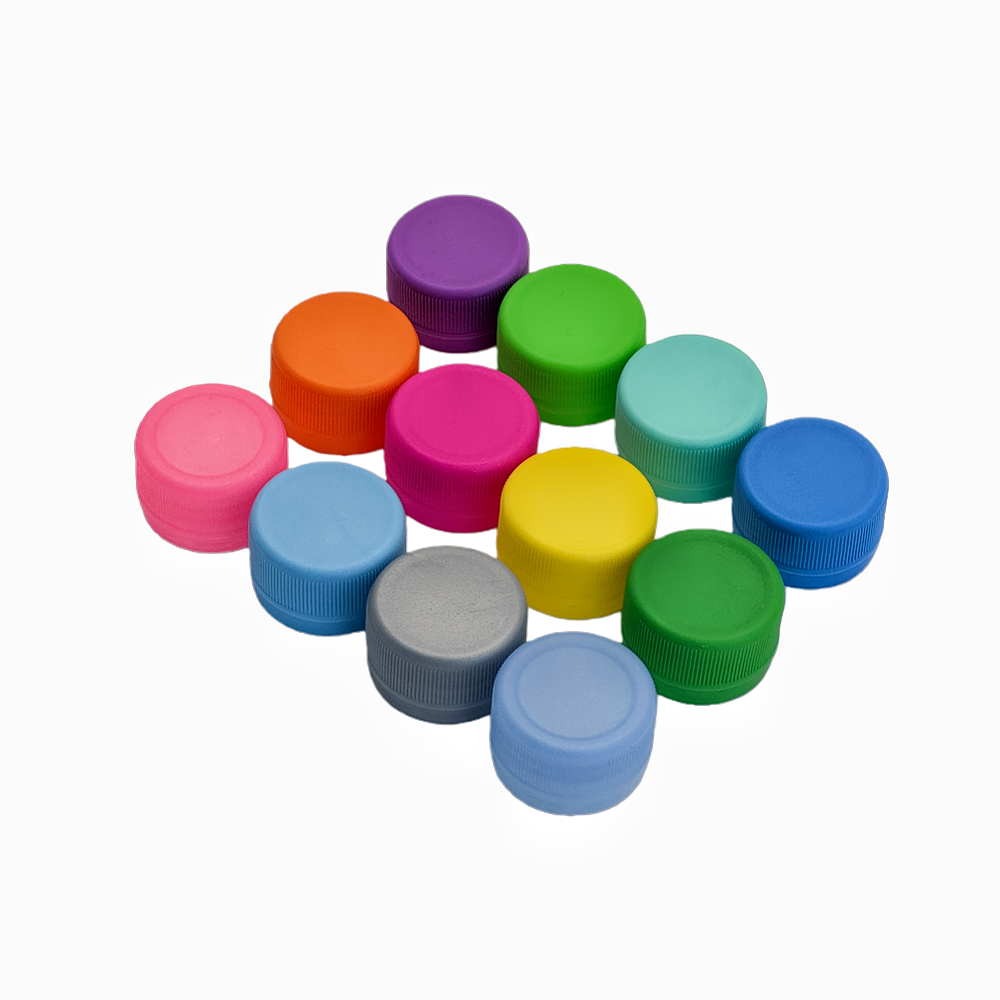
Plastic bottle closures represent a critical component in modern packaging solutions, serving as the primary seal and access mechanism for countless consumer products worldwide. These innovative closure systems have revolutionized how manufacturers protect and deliver their products while providing consumers with convenient, reliable access to contents. The fundamental purpose of plastic bottle closures extends beyond simple containment, encompassing product preservation, contamination prevention, and user safety across diverse industries including beverages, pharmaceuticals, cosmetics, and household chemicals. Modern plastic bottle closures incorporate sophisticated engineering principles that balance functionality with cost-effectiveness. The technological foundation relies on precision molding techniques that create threaded interfaces, snap-fit mechanisms, and tamper-evident features. Advanced polymer science enables manufacturers to select optimal materials such as polyethylene, polypropylene, and specialized barrier resins that resist chemical interaction while maintaining structural integrity under varying temperature and pressure conditions. Contemporary plastic bottle closures feature multiple design configurations including screw-on caps, flip-top dispensers, push-pull systems, and child-resistant mechanisms. Each design addresses specific application requirements while maintaining compatibility with automated filling and capping equipment used in high-volume production environments. The integration of liner technologies further enhances sealing performance, with foam, pulp, and induction seal options providing additional barrier properties against moisture, oxygen, and volatile compounds. Manufacturing processes for plastic bottle closures utilize injection molding, compression molding, and multi-shot techniques that enable complex geometries and integrated functionality. Quality control measures ensure dimensional accuracy, torque specifications, and seal integrity meet stringent industry standards. Environmental considerations have driven innovations in recycling compatibility, bio-based materials, and lightweighting strategies that reduce material consumption while maintaining performance standards. The versatility of plastic bottle closures makes them indispensable across numerous market segments, from single-serve beverages requiring easy opening to hazardous chemicals demanding secure containment and child-safety features.

New Product Releases

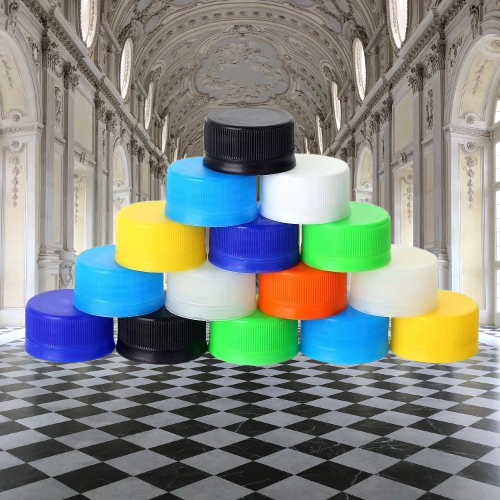
Plastic bottle closures deliver exceptional value through their superior durability and resistance to impact, cracking, and environmental stress compared to traditional closure materials. This robustness ensures reliable performance throughout distribution chains where packages encounter rough handling, temperature fluctuations, and storage challenges that could compromise product integrity. The inherent flexibility of plastic materials allows closures to maintain effective seals even when subjected to mechanical stress or thermal expansion cycles. Cost-effectiveness represents another compelling advantage of plastic bottle closures, as manufacturers benefit from economical raw material costs, efficient production processes, and reduced shipping expenses due to lightweight properties. The scalability of plastic closure production enables high-volume manufacturing with consistent quality while maintaining competitive pricing structures that benefit both producers and consumers. This economic efficiency translates directly into lower packaging costs for brand owners and more affordable products for end users. Convenience features built into plastic bottle closures significantly enhance user experience across all demographics. Easy-grip surfaces, ergonomic designs, and intuitive opening mechanisms accommodate users with varying dexterity levels, including elderly consumers and those with mobility limitations. Many plastic bottle closures incorporate one-handed operation capabilities that prove invaluable in busy environments or when multitasking. The resealability of most plastic closure designs allows consumers to maintain product freshness between uses while preventing spills and waste. Safety benefits of plastic bottle closures extend beyond basic containment to include specialized protective features. Child-resistant designs incorporate push-and-turn or squeeze-and-turn mechanisms that prevent accidental access by young children while remaining manageable for adults. Tamper-evident bands and breakaway features provide visible indication of product integrity, building consumer confidence and brand trust. Non-breakage properties eliminate sharp edges or fragments that could cause injury if dropped or damaged. Customization capabilities of plastic bottle closures offer brands unlimited opportunities for differentiation and marketing enhancement. Color-matching options, embossed logos, printed graphics, and unique shapes create distinctive packaging that stands out on retail shelves. Special effects like metallic finishes, transparent windows, or textured surfaces add premium appeal without significantly increasing costs. Functional customizations such as dispensing mechanisms, measurement markings, or integrated tools provide added value that enhances consumer satisfaction and brand loyalty. The compatibility of plastic bottle closures with automated production equipment streamlines manufacturing operations and reduces labor costs. High-speed capping machines achieve consistent application torque and alignment, ensuring reliable seal performance across entire production runs. This automation capability enables manufacturers to maintain quality standards while achieving the throughput rates necessary for competitive market positioning.

Latest News

The Engineering Behind a Carbonated Beverage Cap: Handling High Pressure

13

Mar

The Engineering Behind a Carbonated Beverage Cap: Handling High Pressure

The engineering complexity behind a carbonated beverage cap extends far beyond its simple appearance, requiring sophisticated design principles to withstand internal pressures that can reach up to 4 atmospheres. Modern carbonated beverage cap systems...
View More
The Cost-Benefit Analysis of Adding a Bottle Handle to Large Jugs

10

Apr

The Cost-Benefit Analysis of Adding a Bottle Handle to Large Jugs

Manufacturing companies considering packaging improvements for large volume containers often face decisions that significantly impact both production costs and consumer satisfaction. Adding a bottle handle to large jugs represents one such decision t...
View More
Understanding Different Bottle Cap Sizes: 28mm, 30mm, 38mm and More

02

Apr

Understanding Different Bottle Cap Sizes: 28mm, 30mm, 38mm and More

Understanding bottle cap sizes is essential for manufacturers, bottlers, and packaging professionals who need to ensure proper sealing, functionality, and compatibility across their product lines. The diameter measurements of bottle caps, particularl...
View More
Innovative Juice Cap Features to Prevent Oxidation in Beverages

23

Apr

Innovative Juice Cap Features to Prevent Oxidation in Beverages

Beverage oxidation represents one of the most significant challenges facing juice manufacturers today, directly impacting flavor retention, nutritional value, and overall product quality. When oxygen comes into contact with juice, it triggers enzymat...
View More

Get a Free Quote

Our representative will contact you soon.
Email
Phone/Whatsapp
Company Name/Name
Message
0/1000

plastic bottle closures

Advanced Sealing Technology and Barrier Protection

Advanced Sealing Technology and Barrier Protection

The sophisticated sealing technology integrated into modern plastic bottle closures represents a pinnacle of packaging engineering that delivers uncompromising protection for diverse product formulations. These advanced sealing systems utilize multi-layer barrier technologies that create hermetic seals capable of preserving product quality, extending shelf life, and preventing contamination throughout extended storage periods. The engineering excellence begins with precision-molded thread profiles that ensure optimal engagement between closure and container, creating consistent compression forces that activate sealing elements effectively. Liner technology plays a crucial role in this advanced sealing performance, with options including induction heat seals that create permanent barriers until first opening, foam liners that conform to irregular surfaces, and specialized chemical-resistant compounds that withstand aggressive product formulations. The scientific approach to barrier protection involves careful selection of polymer materials based on their permeability characteristics, chemical compatibility, and mechanical properties under various environmental conditions. Advanced plastic bottle closures incorporate oxygen barriers that prevent oxidation of sensitive ingredients, moisture barriers that maintain product consistency, and aroma barriers that preserve flavor profiles and prevent odor transmission. Temperature resistance capabilities ensure sealing integrity across wide temperature ranges, from frozen storage conditions to high-heat pasteurization processes. Quality assurance protocols for sealing performance include comprehensive testing methodologies that evaluate torque removal forces, compression set properties, and long-term seal degradation under accelerated aging conditions. The reliability of these sealing systems provides manufacturers with confidence in product integrity while offering consumers assurance that contents remain fresh, potent, and safe for consumption. Innovation in sealing technology continues advancing through research into smart materials that respond to environmental changes, self-sealing capabilities that repair minor damage, and integrated freshness indicators that provide real-time feedback on product condition. These technological advances position plastic bottle closures as essential components in maintaining product quality and consumer safety across increasingly demanding market applications.
Versatile Design Options and Customization Capabilities

Versatile Design Options and Customization Capabilities

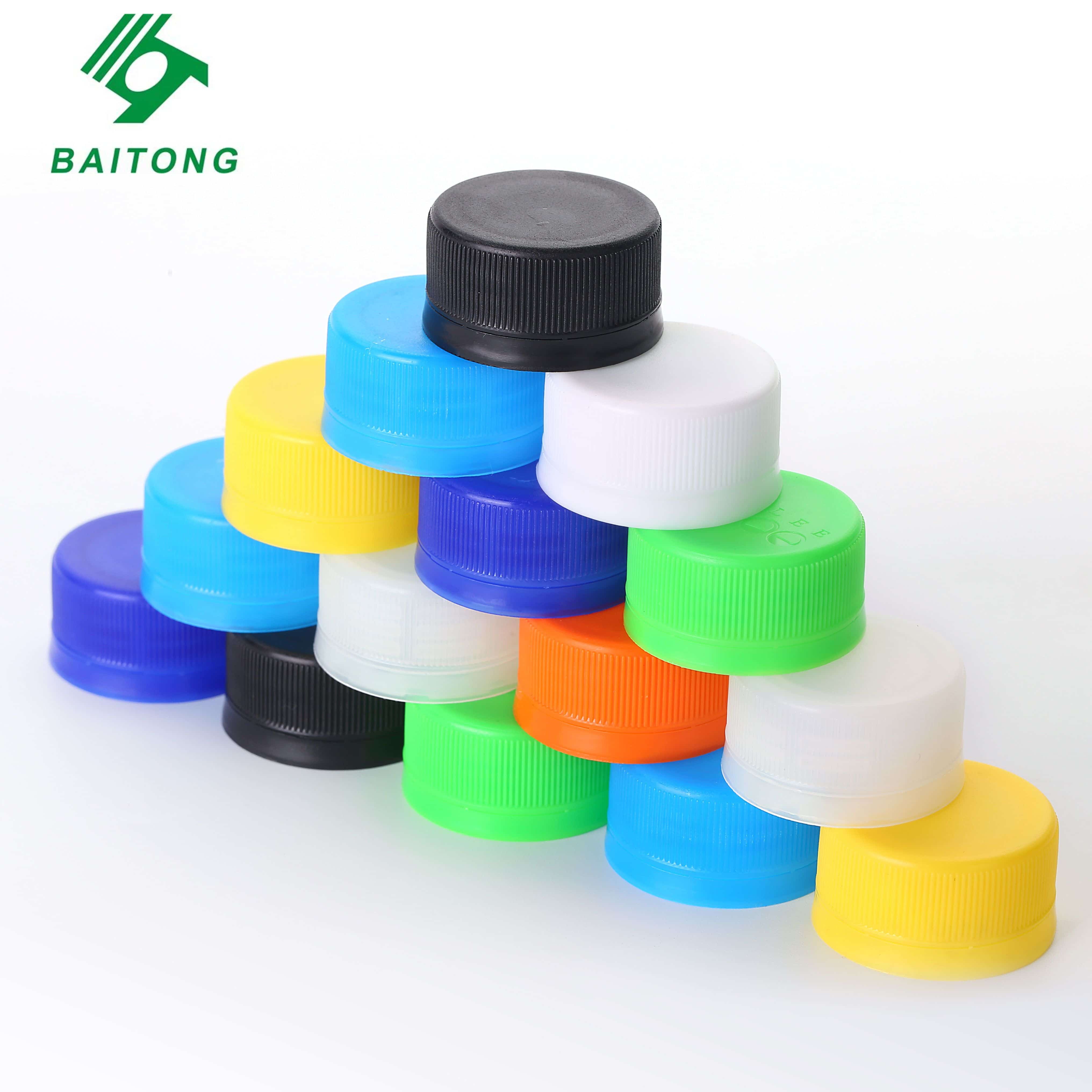
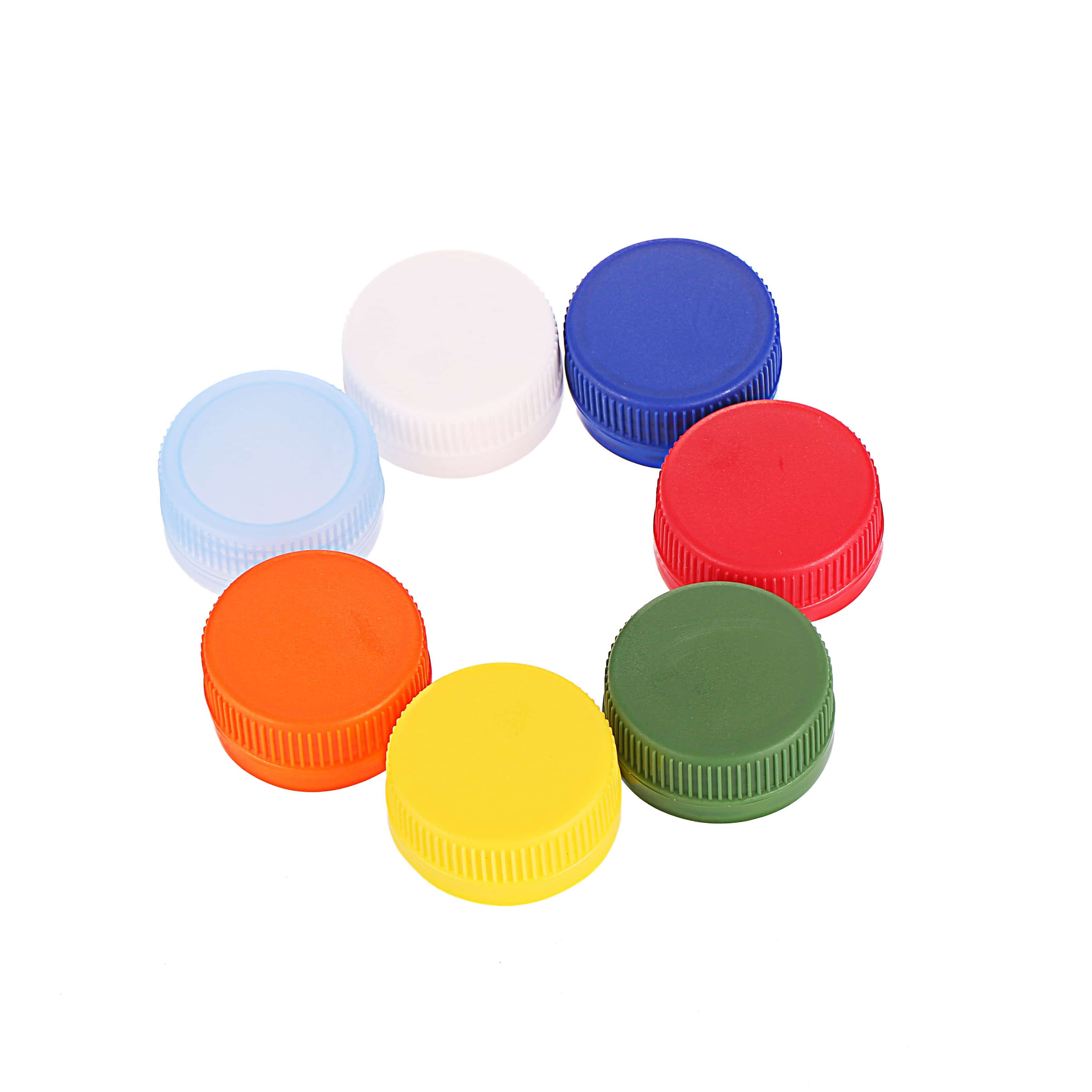
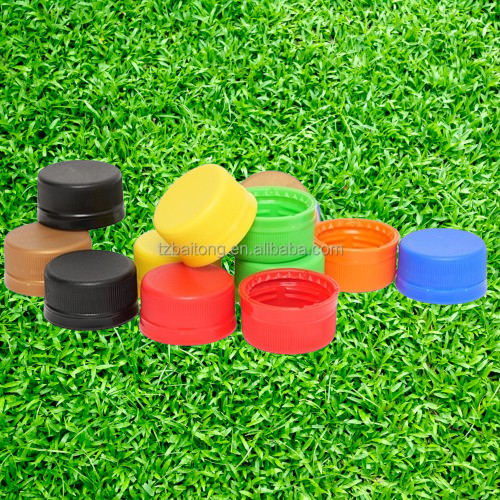
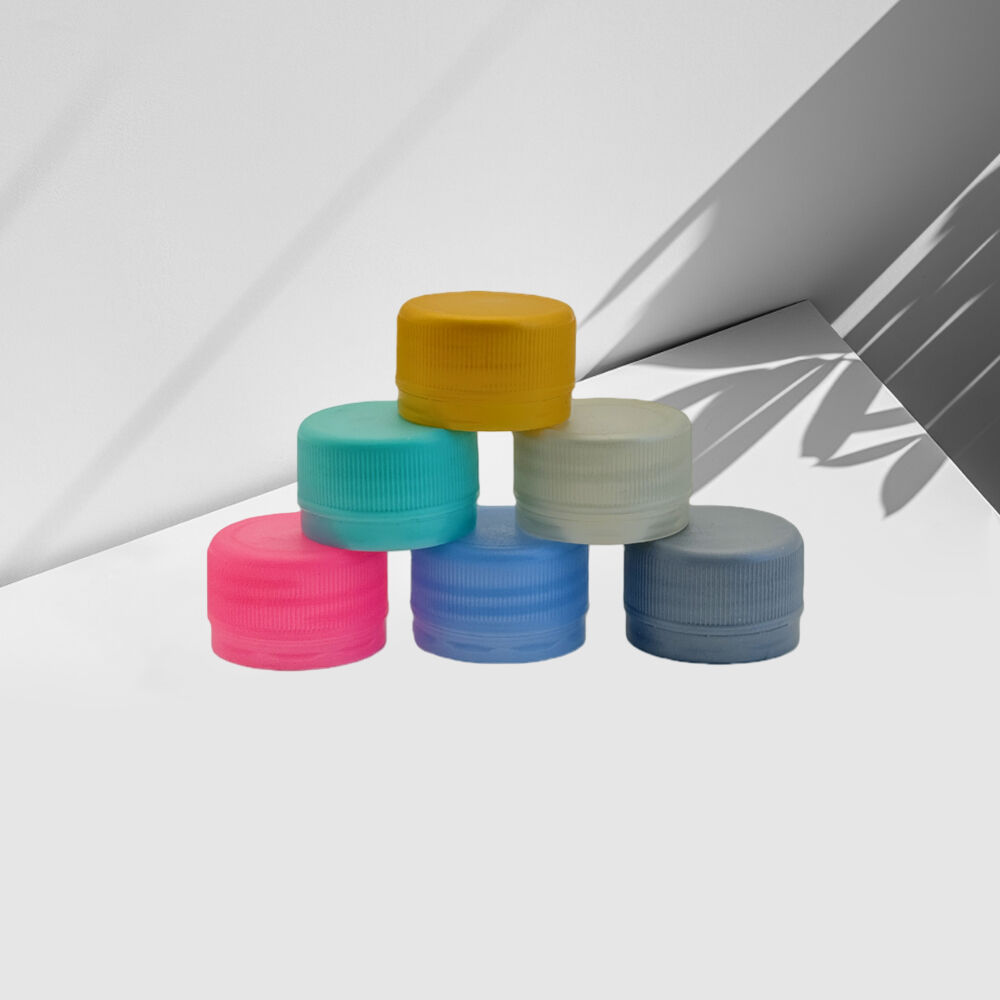
The remarkable versatility and customization potential of plastic bottle closures enables manufacturers and brands to create distinctive packaging solutions that align perfectly with specific product requirements and marketing objectives. This design flexibility encompasses an extensive range of functional configurations, aesthetic options, and specialized features that can be tailored to meet precise application needs across diverse industries. Functional design variations include dispensing closures with controlled flow rates, measured dose systems for pharmaceutical applications, and specialized pouring mechanisms that prevent splashing or overflow. Child-resistant designs incorporate sophisticated locking mechanisms that comply with regulatory safety standards while maintaining accessibility for intended users. Flip-top configurations provide convenient one-handed operation ideal for personal care products and on-the-go consumption. Sports cap designs feature pull-push mechanisms that allow easy drinking during physical activities while preventing accidental discharge. The aesthetic customization possibilities are virtually limitless, with color-matching capabilities that perfectly complement brand identities and product formulations. Embossing and debossing techniques create three-dimensional logos and text that enhance tactile appeal and premium perception. Surface treatments including matte finishes, glossy coatings, and textured patterns provide unique visual and haptic experiences that differentiate products in competitive markets. Printing technologies enable full-color graphics, gradient effects, and photographic imagery that transform closures into powerful marketing tools. Specialized decorative techniques such as hot stamping, in-mold labeling, and multi-color molding create eye-catching designs that capture consumer attention and reinforce brand messaging. Functional customizations extend to integrated tools and accessories that add value beyond basic closure functionality. Measuring caps with graduated markings ensure accurate dosing for liquid medications and household chemicals. Built-in spatulas or applicators eliminate the need for separate utensils while maintaining hygienic product handling. Connectivity features enable closure systems to interface with smart packaging technologies for track-and-trace capabilities or consumer engagement applications. The manufacturing processes supporting this customization capability utilize advanced molding technologies that enable complex geometries, multiple material combinations, and precision tolerances that ensure consistent quality across high-volume production runs. This combination of creative flexibility and manufacturing precision empowers brands to create packaging solutions that not only protect and dispense products effectively but also serve as powerful marketing assets that drive consumer preference and brand loyalty.
Environmental Sustainability and Recyclability Benefits

Environmental Sustainability and Recyclability Benefits

The environmental advantages of plastic bottle closures align with growing consumer awareness and corporate responsibility initiatives focused on sustainable packaging solutions that minimize ecological impact while maintaining product protection standards. Modern plastic closure manufacturing emphasizes material efficiency, recyclability, and reduced carbon footprint throughout the entire product lifecycle. Lightweighting initiatives have successfully reduced material consumption without compromising structural integrity or functional performance, resulting in significant reductions in raw material usage and transportation-related emissions. These weight reductions translate directly into lower shipping costs and reduced fuel consumption across global distribution networks. Material selection strategies prioritize recyclable polymers such as polyethylene and polypropylene that integrate seamlessly into existing recycling infrastructure and can be processed into new products multiple times without significant property degradation. Advanced recycling technologies enable post-consumer plastic bottle closures to be reclaimed and reprocessed into new closures or alternative plastic products, creating circular economy benefits that reduce waste streams and conserve virgin resources. Design for recyclability principles guide closure development to ensure compatibility with standard sorting and processing equipment used in recycling facilities. This includes consideration of color selection, additive content, and material combinations that facilitate efficient separation and reprocessing. Clear identification through resin codes and recyclability symbols enables consumers to make informed disposal decisions that support recycling efforts. Bio-based material innovations introduce renewable feedstock alternatives that reduce dependence on fossil fuel resources while maintaining the performance characteristics required for effective packaging applications. Plant-based polymers derived from sugarcane, corn, and other renewable sources offer comparable functionality with improved sustainability profiles. Biodegradable options provide end-of-life solutions for specific applications where conventional recycling may not be practical or available. Manufacturing process improvements focus on energy efficiency, waste reduction, and emission control to minimize environmental impact during production phases. Advanced molding techniques reduce scrap generation, optimize cycle times, and lower energy consumption per unit produced. Closed-loop manufacturing systems capture and reuse process waste, further reducing material consumption and waste disposal requirements. Life cycle assessment methodologies evaluate environmental impacts across all phases from raw material extraction through end-of-life disposal, providing comprehensive data that guides continuous improvement initiatives. These sustainability efforts position plastic bottle closures as responsible packaging choices that balance performance requirements with environmental stewardship, supporting brand sustainability goals while meeting consumer expectations for eco-friendly products.

Get a Free Quote

Our representative will contact you soon.
Email
Phone/Whatsapp
Company Name/Name
Message
0/1000