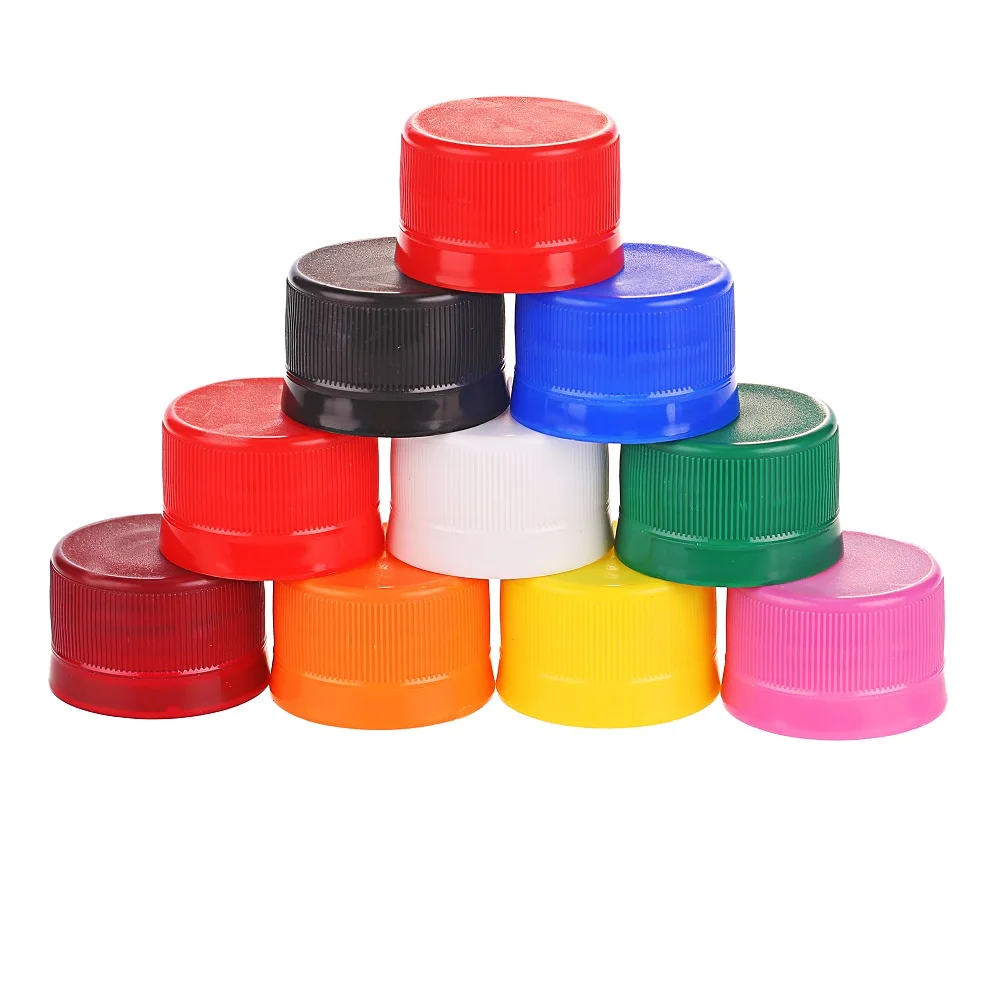
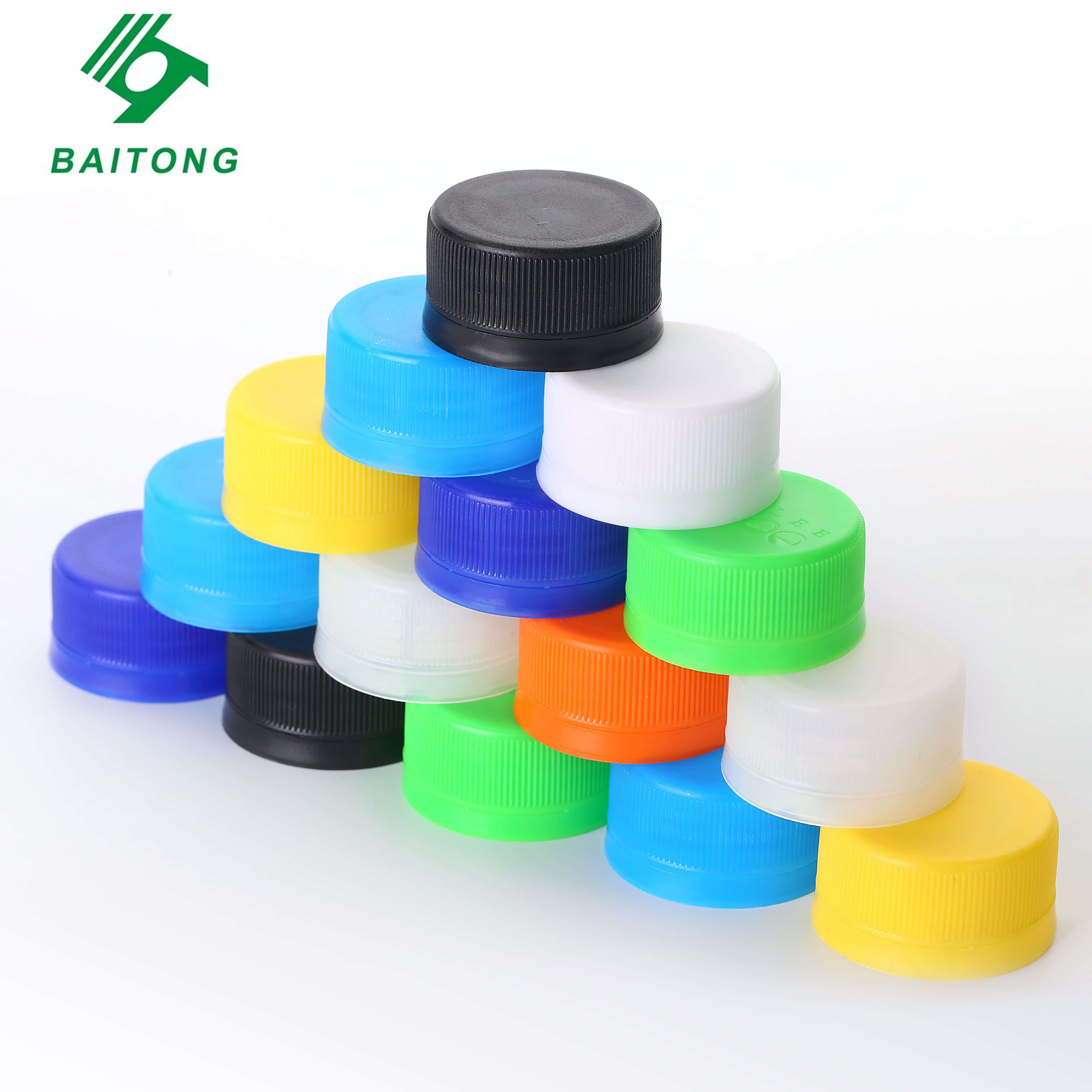
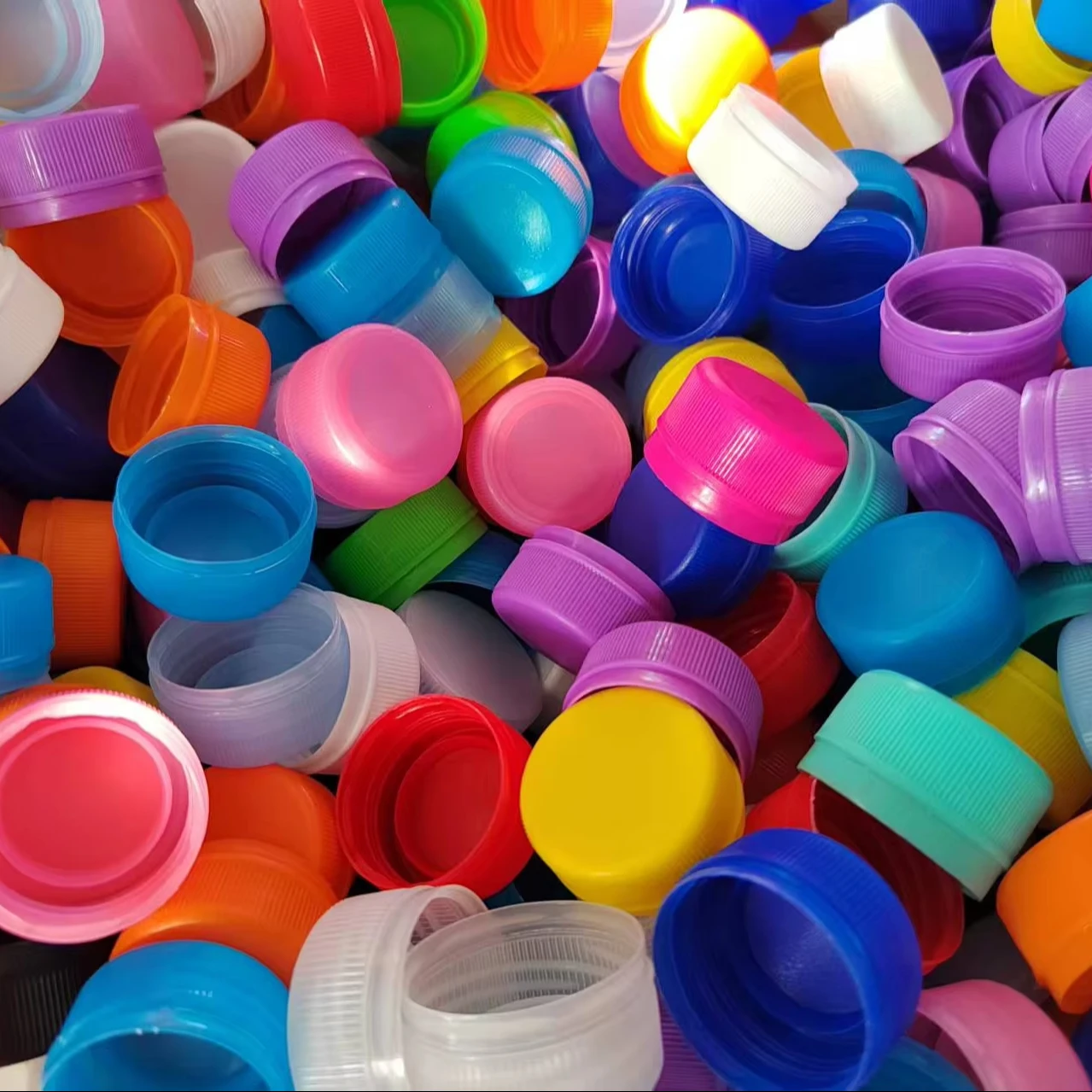
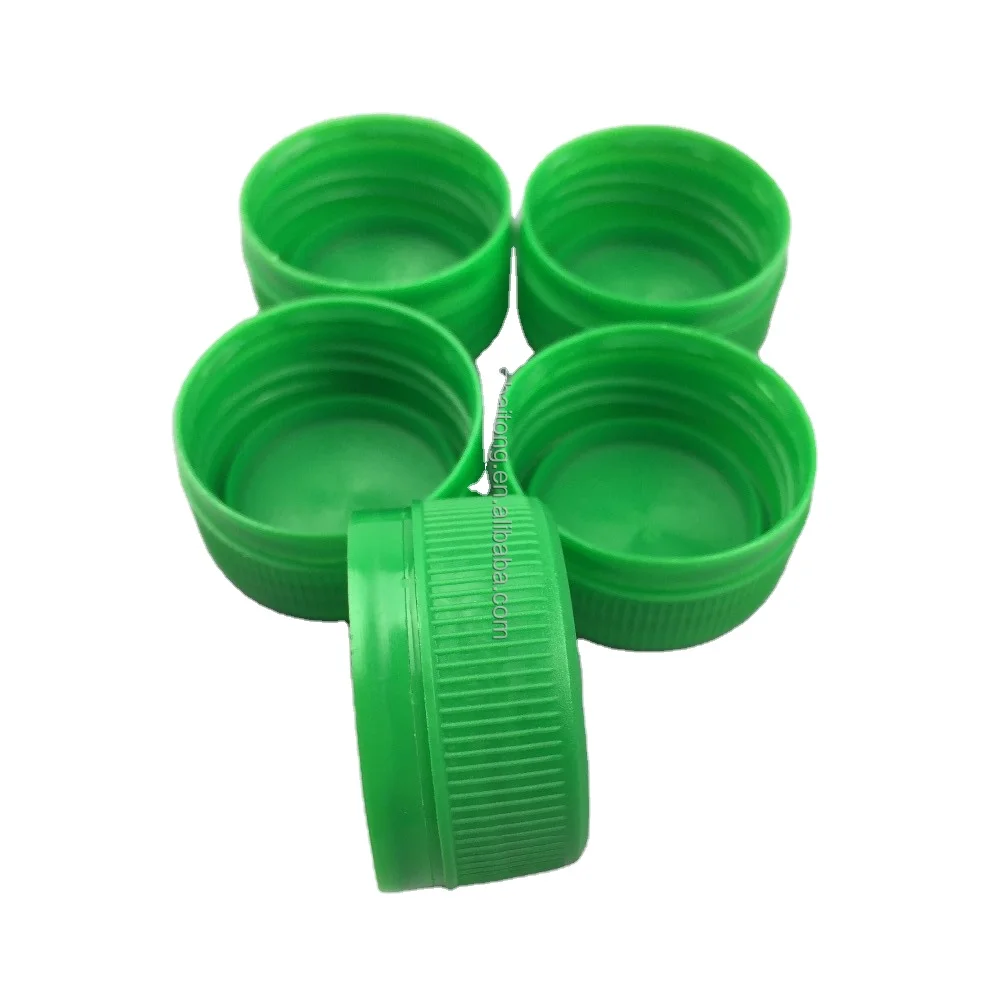
mga takip ng plastik na bote
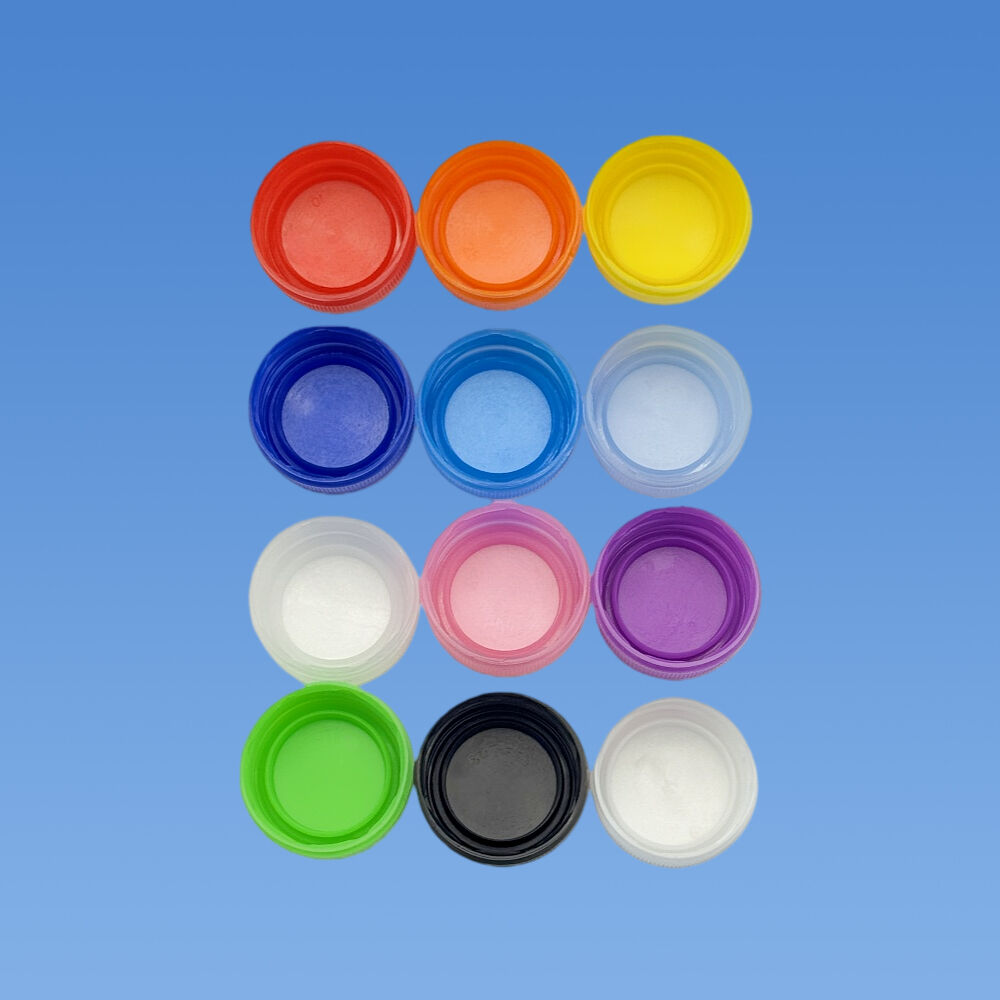
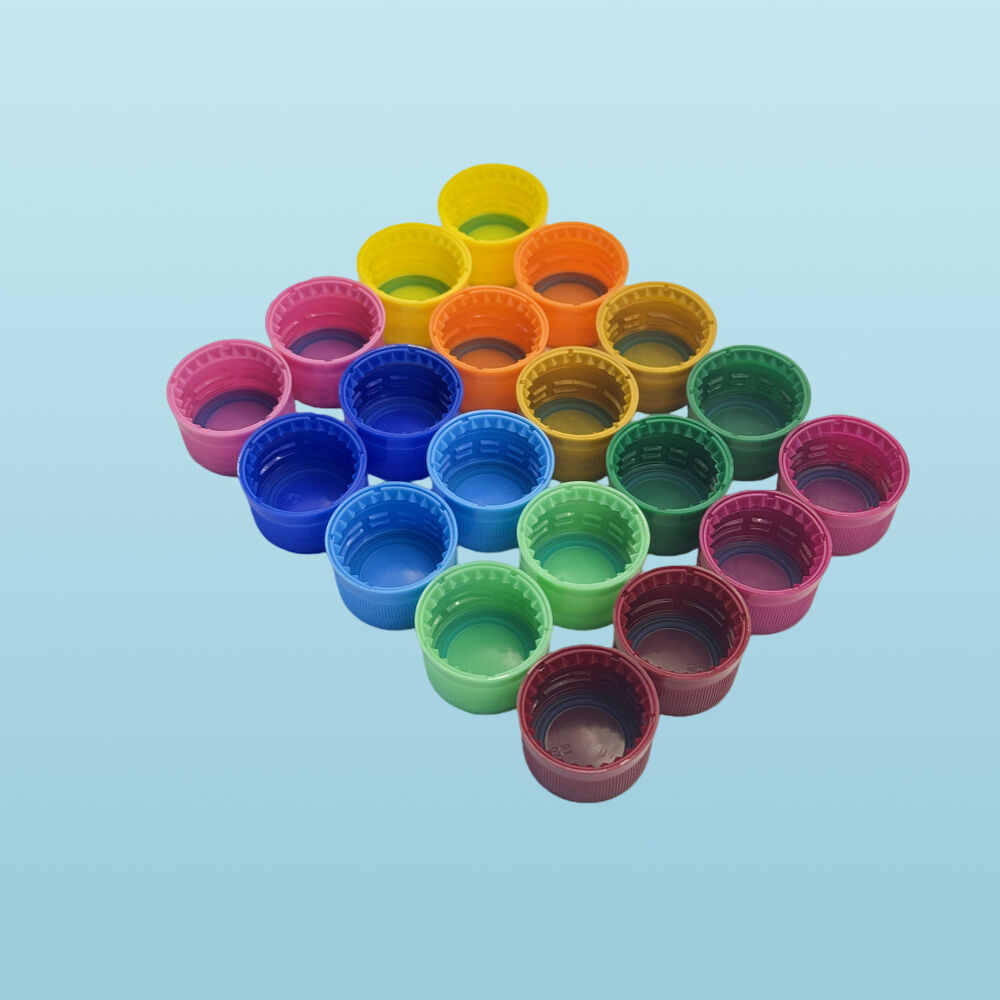
Ang mga takip ng plastik na bote ay kumakatawan sa isang mahalagang bahagi ng mga modernong solusyon sa pagpapakete, na gumagampan ng pangunahing tungkulin bilang pananggalang at mekanismo para sa pag-access sa libu-libong produkto para sa konsyumer sa buong mundo. Ang mga inobatibong sistemang ito ng takip ay nagpabago nang radikal kung paano pinoprotektahan at iniluluwas ng mga tagagawa ang kanilang mga produkto habang nagbibigay ng madaling gamitin at maaasahang paraan ng pag-access sa nilalaman para sa mga konsyumer. Ang pangunahing layunin ng mga takip ng plastik na bote ay lumalampas sa simpleng pag-iimbak, kabilang ang pagpapanatili ng kalidad ng produkto, pag-iwas sa kontaminasyon, at kaligtasan ng gumagamit sa iba't ibang industriya tulad ng mga inumin, pharmaceuticals, kosmetiko, at kemikal para sa bahay. Ang mga modernong takip ng plastik na bote ay gumagamit ng sopistikadong mga prinsipyo sa inhinyerya na sumasalamin sa balanseng pagitan ng pagganap at kabisaan sa gastos. Ang teknolohikal na pundasyon ay umaasa sa mga eksaktong pamamaraan sa pagmold, na lumilikha ng mga nakakahigpit na interface, mga mekanismong snap-fit, at mga tampok na nagpapakita ng anumang pagbubukas. Ang napapanahong agham sa polymer ay nagpapahintulot sa mga tagagawa na pumili ng pinakamainam na materyales tulad ng polyethylene, polypropylene, at mga espesyalisadong barrier resin na tumututol sa interaksyon ng kemikal habang pinapanatili ang integridad ng istruktura sa ilalim ng iba't ibang kondisyon ng temperatura at presyon. Ang mga kasalukuyang takip ng plastik na bote ay may iba't ibang anyo ng disenyo, kabilang ang mga takip na kinukuha sa pamamagitan ng pag-ikot (screw-on caps), mga dispenser na may takip na binubuksan pababa (flip-top), mga sistema ng push-pull, at mga mekanismong laban sa pagbukas ng mga bata. Bawat disenyo ay sumasagot sa tiyak na mga pangangailangan ng aplikasyon habang pinapanatili ang kakayahang magkasya sa awtomatikong kagamitan sa pagpuno at pagtatakda ng takip na ginagamit sa mataas na produksyon. Ang integrasyon ng mga teknolohiya sa liner ay karagdagang nagpapahusay sa pagganap ng pagse-seal, kung saan ang mga opsyon tulad ng foam, pulp, at induction seal ay nagbibigay ng karagdagang mga katangian ng pagharang laban sa kahalumigmigan, oksiheno, at mga volatile compound. Ang mga proseso sa paggawa ng mga takip ng plastik na bote ay gumagamit ng injection molding, compression molding, at multi-shot techniques na nagpapahintulot sa paglikha ng mga kumplikadong hugis at pinagsamang pagganap. Ang mga hakbang sa kontrol ng kalidad ay nagpapatitiyak na ang sukat, torque specifications, at integridad ng seal ay sumusunod sa mahigpit na mga pamantayan ng industriya. Ang mga pagsasaalang-alang sa kapaligiran ay nagtulak sa mga inobasyon sa pagkakasundo sa recycling, mga bio-based na materyales, at mga estratehiya sa pagmabigat (lightweighting) na nababawasan ang paggamit ng materyales habang pinananatili ang antas ng pagganap. Ang versatility ng mga takip ng plastik na bote ay ginagawang hindi mapapalitan ang mga ito sa maraming sektor ng merkado, mula sa mga single-serve na inumin na nangangailangan ng madaling pagbukas hanggang sa mga mapanganib na kemikal na nangangailangan ng ligtas na pag-iimbak at mga tampok para sa kaligtasan ng mga bata.

 EN
EN