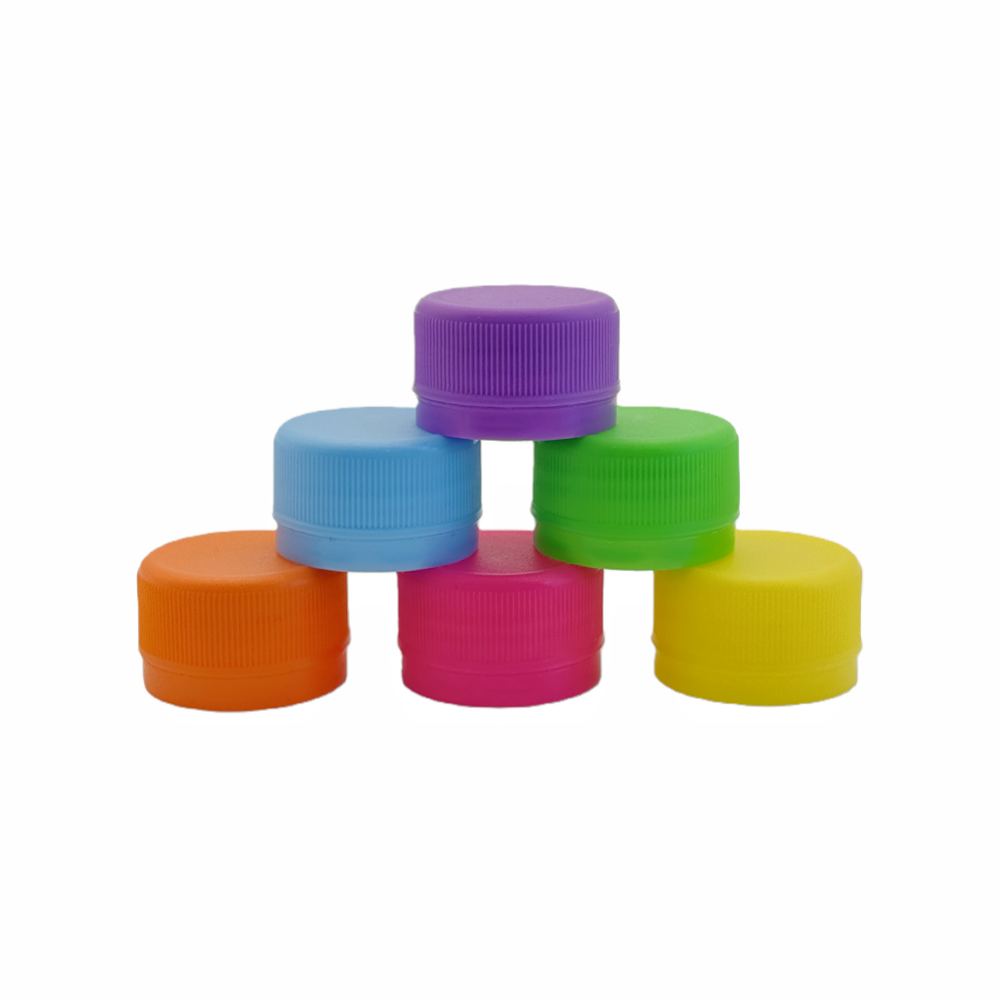
plastic water cap factory
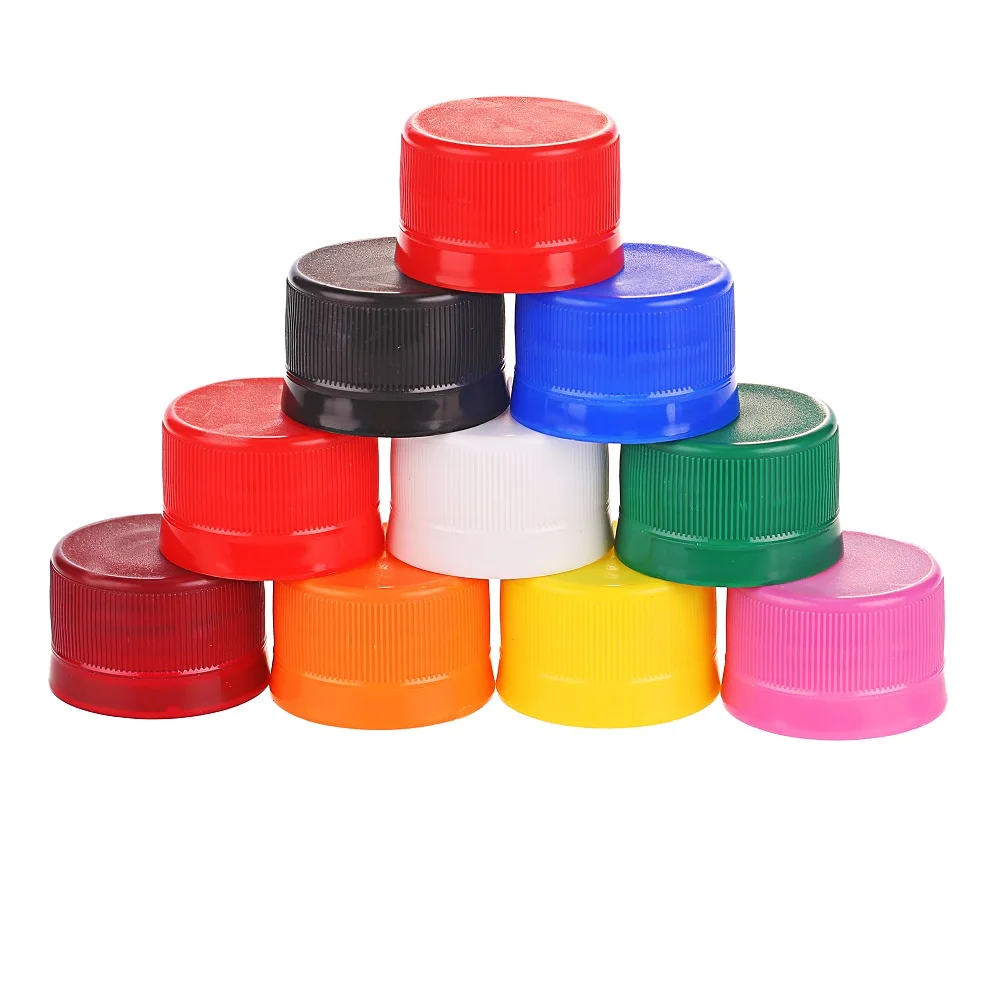
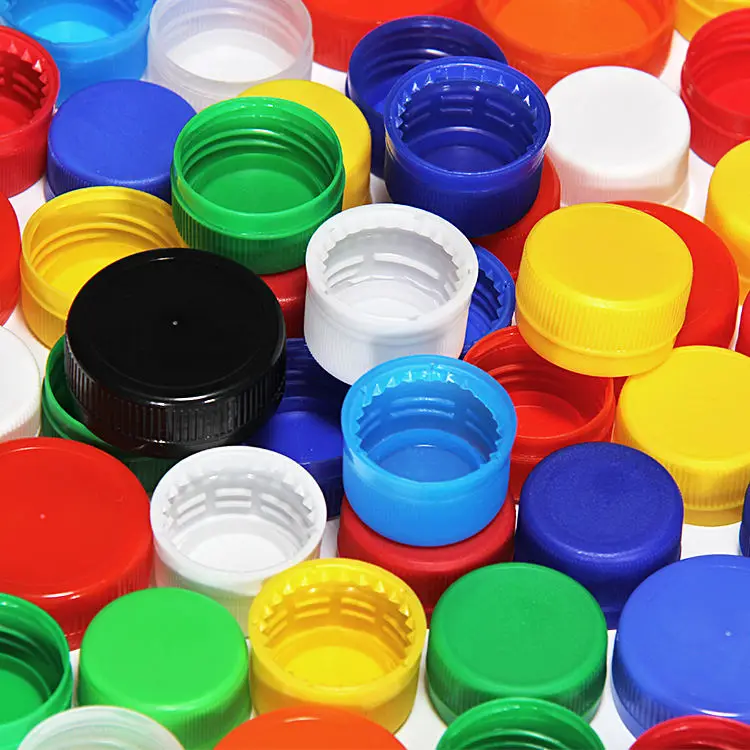
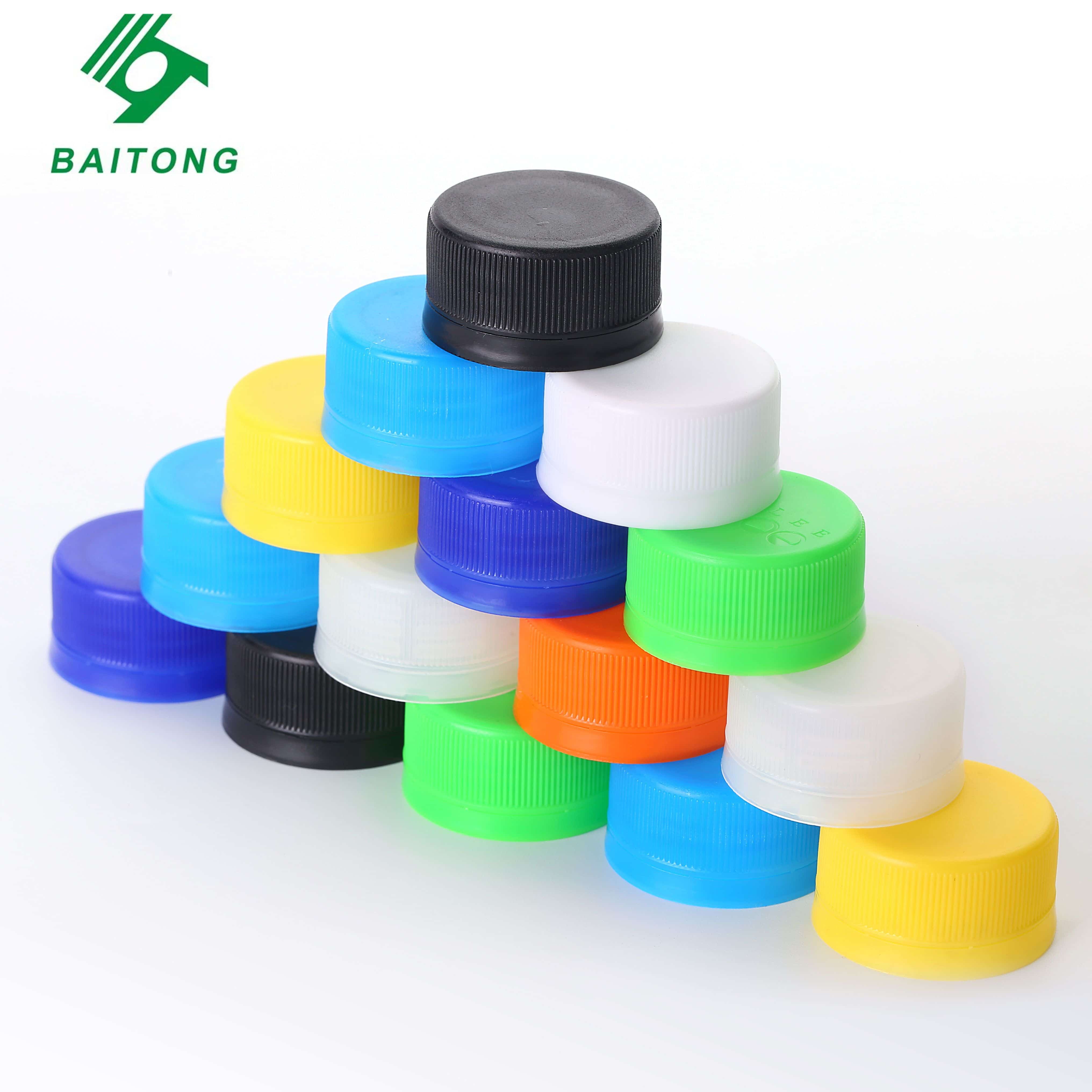
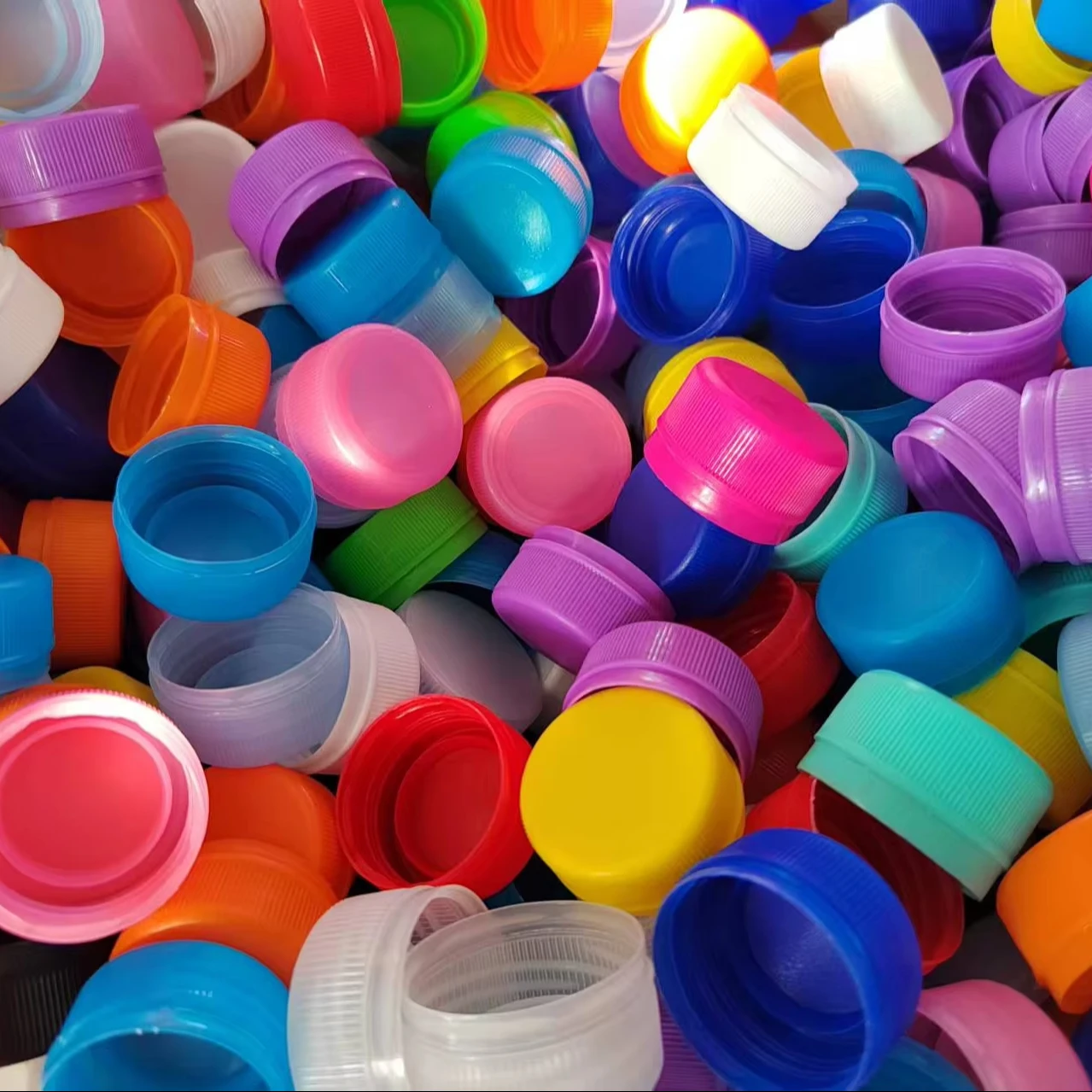
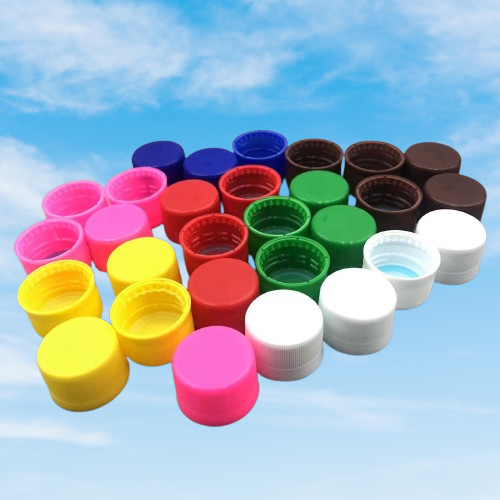
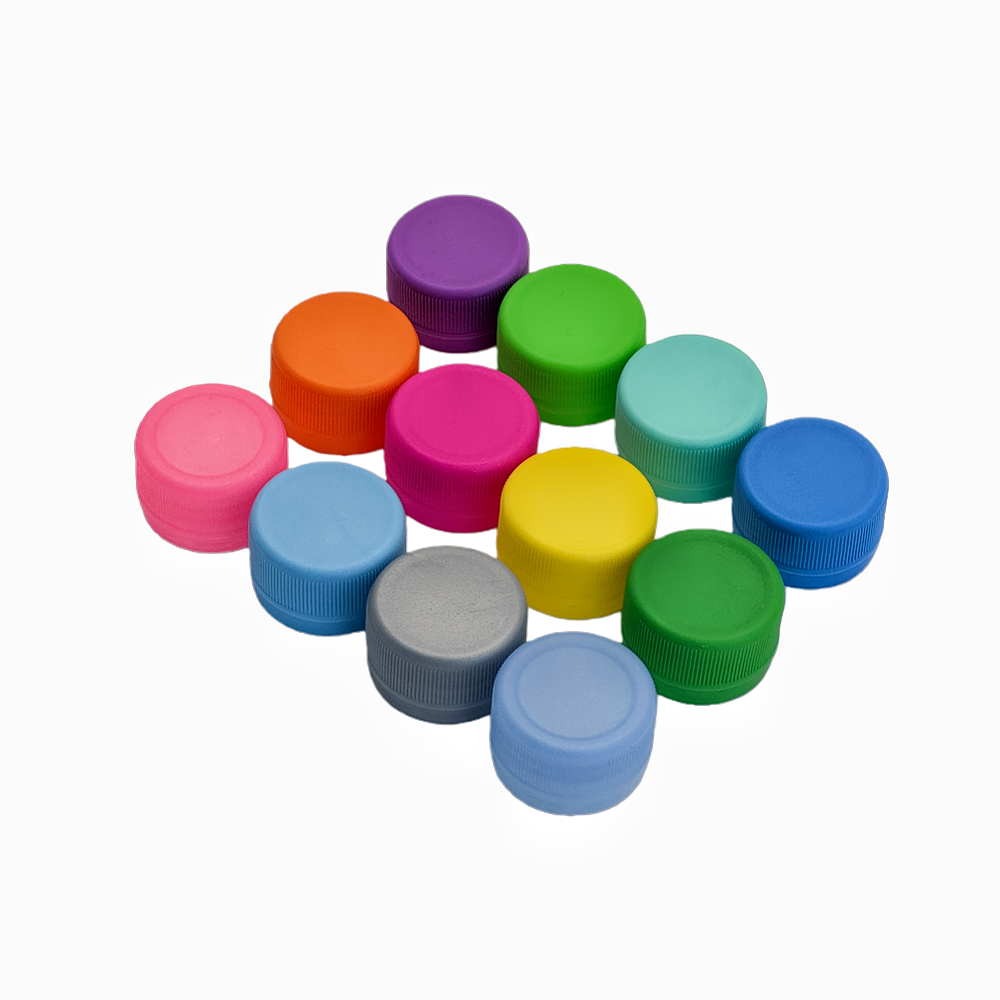
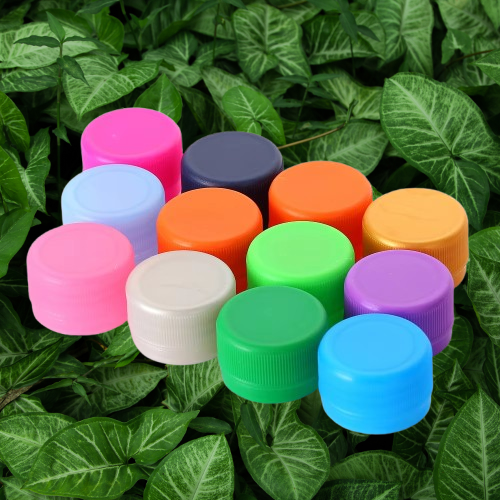
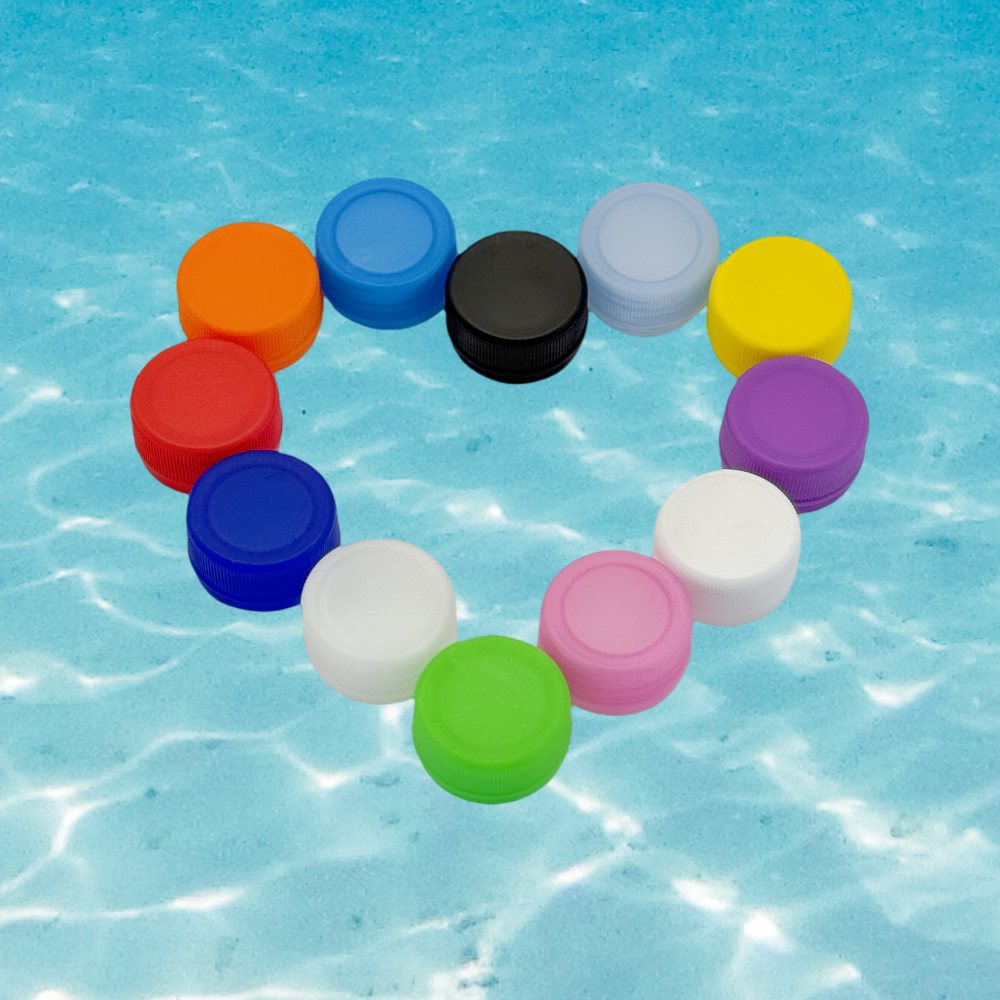
A plastic water cap factory is a specialized manufacturing facility dedicated to producing high-quality bottle caps and closures for the beverage industry. These factories utilize advanced injection molding technology and automated production lines to create millions of caps daily, serving water bottling companies, beverage manufacturers, and packaging distributors worldwide. The plastic water cap factory operates with precision machinery that ensures consistent thread patterns, secure sealing mechanisms, and tamper-evident features essential for product safety and consumer confidence. Modern facilities incorporate quality control systems that monitor cap dimensions, torque specifications, and material integrity throughout the production process. The factory typically produces various cap types including screw caps, flip-top closures, sports caps, and push-pull designs in multiple sizes ranging from 28mm to 48mm diameters. Raw materials used primarily include food-grade polypropylene and high-density polyethylene, which meet international safety standards for direct food contact. The plastic water cap factory integrates sustainable practices by implementing recycling programs and developing lightweight cap designs that reduce material consumption without compromising functionality. Production capabilities extend beyond standard caps to include custom color matching, logo embossing, and specialized liner applications for enhanced sealing performance. These factories serve as critical supply chain partners for bottled water companies, ensuring reliable cap availability that matches production schedules and maintains strict hygiene standards required in the beverage industry.

 EN
EN