Versatile Design and Customization
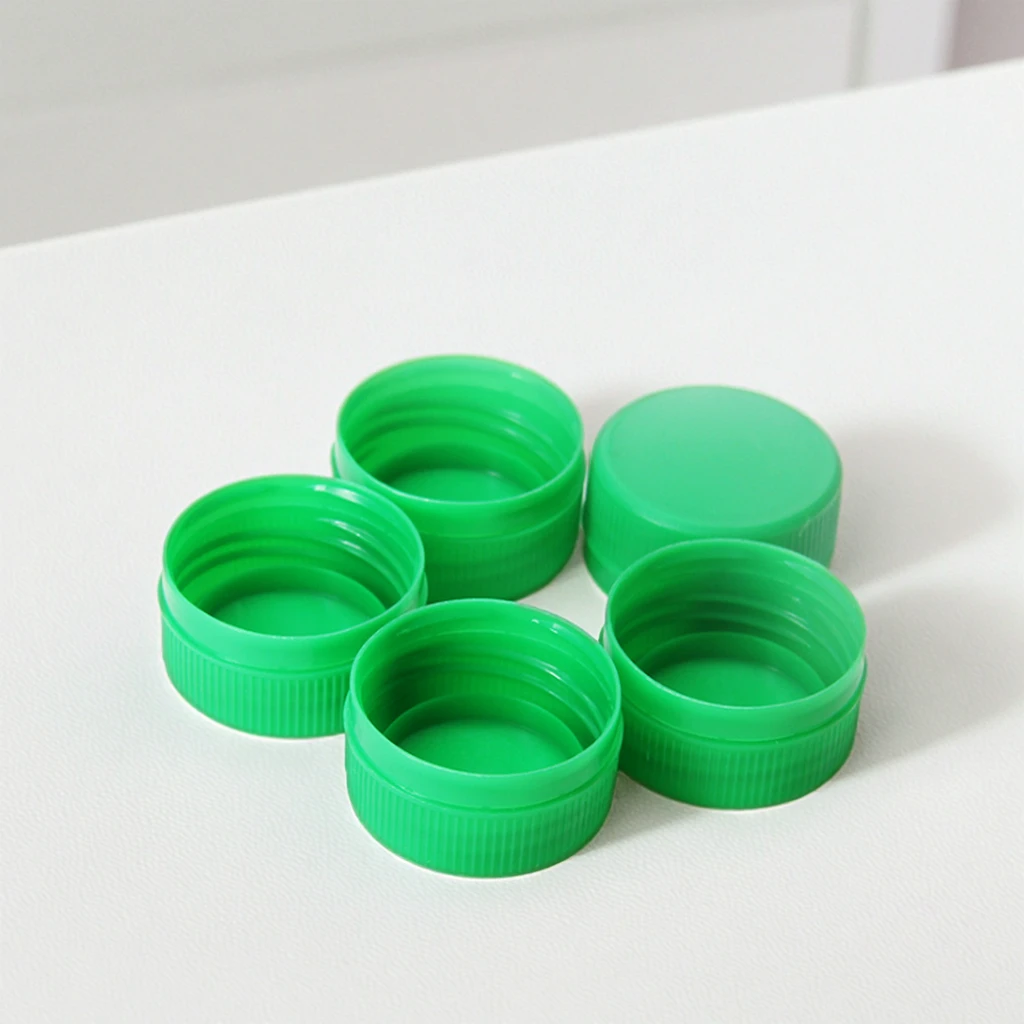
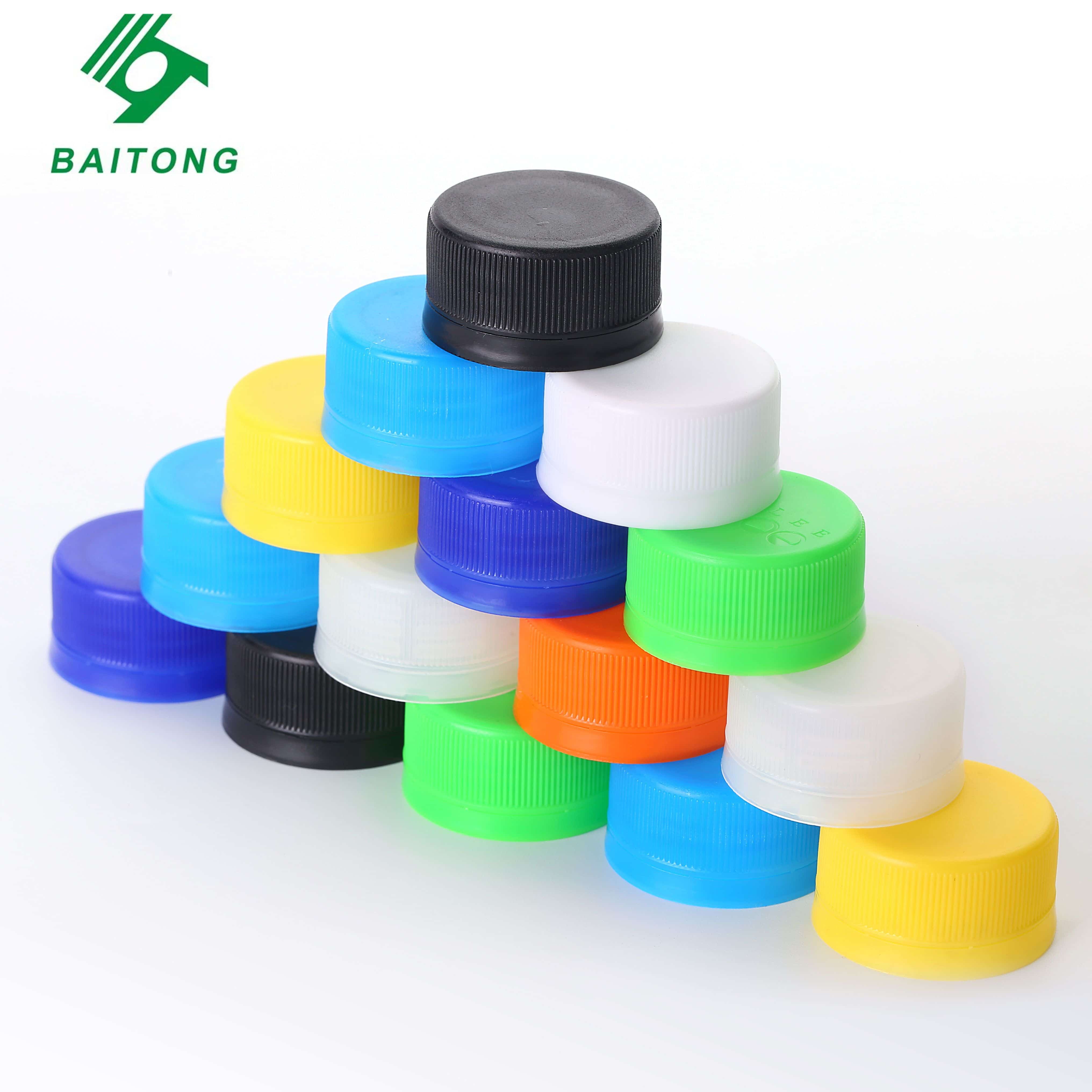
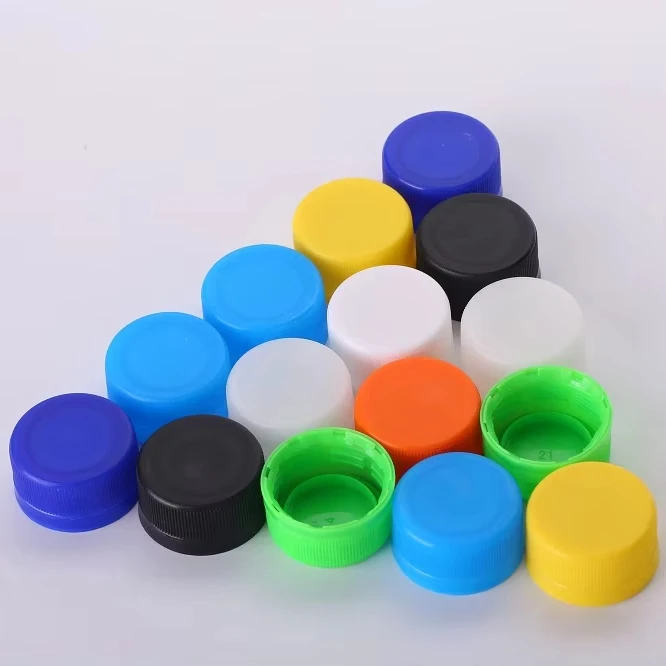
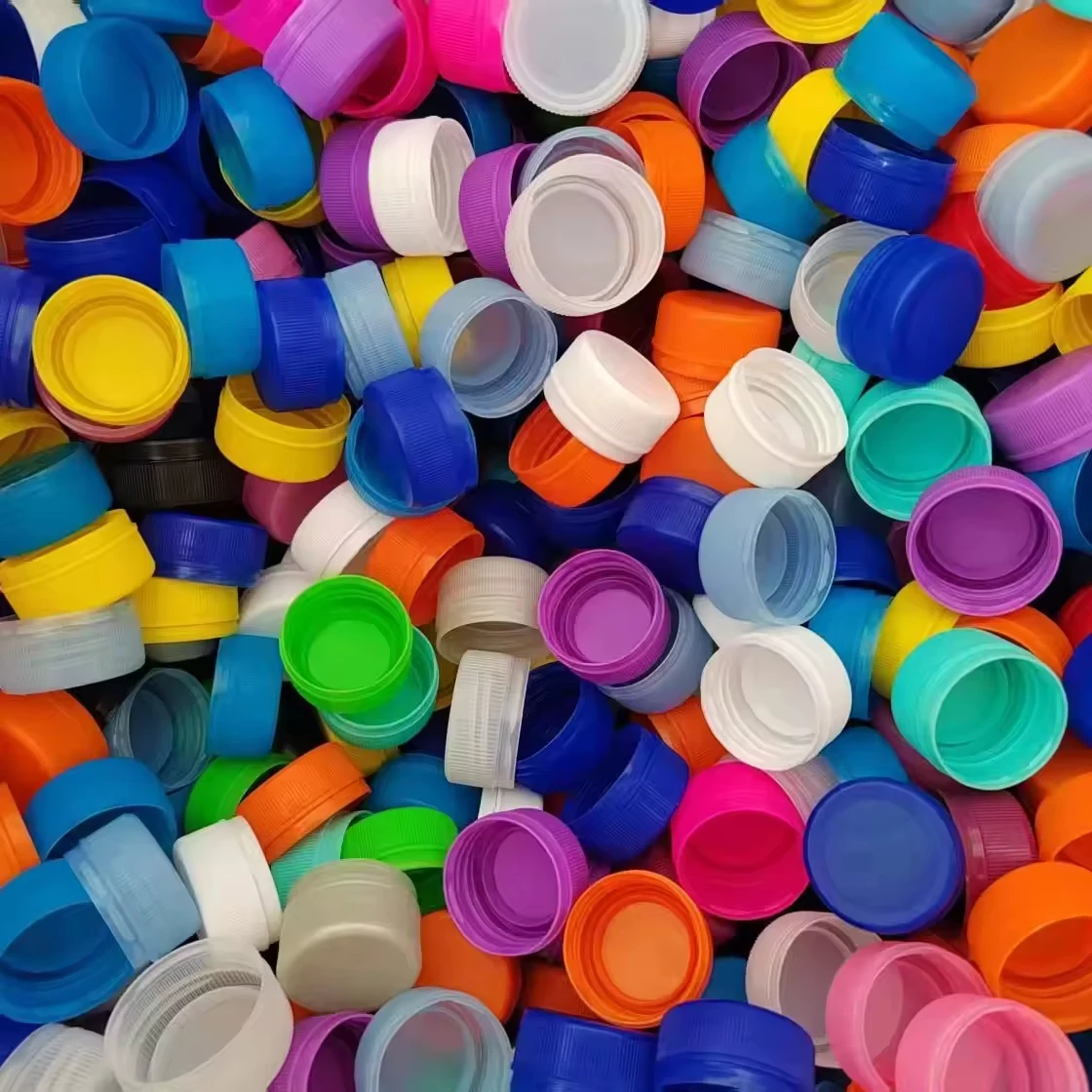
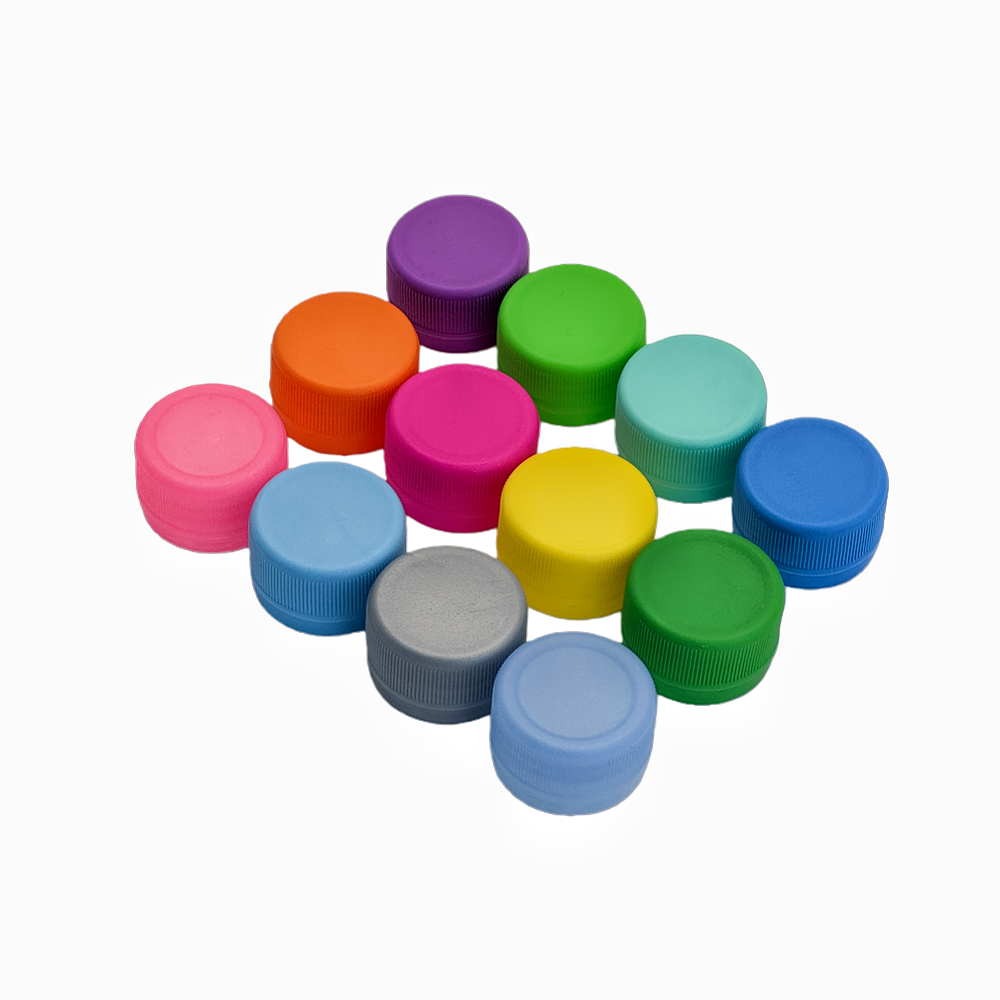
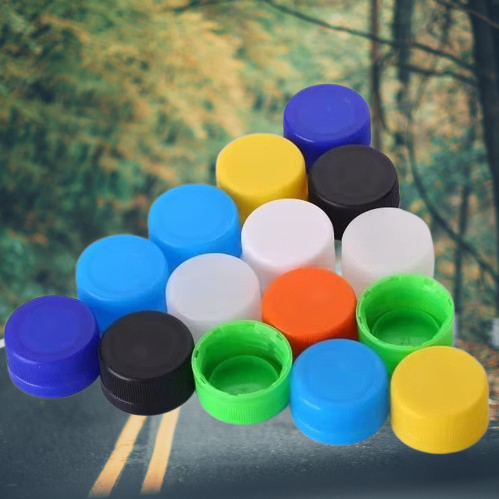
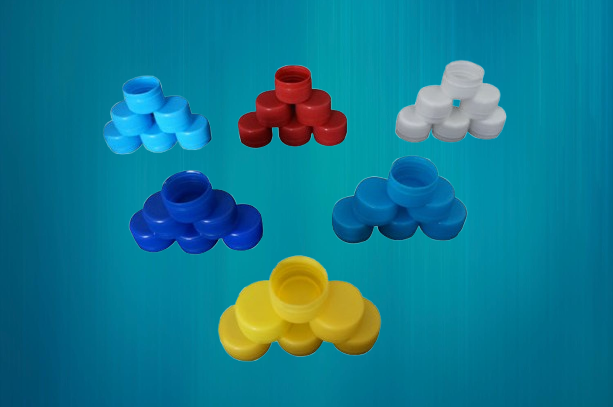
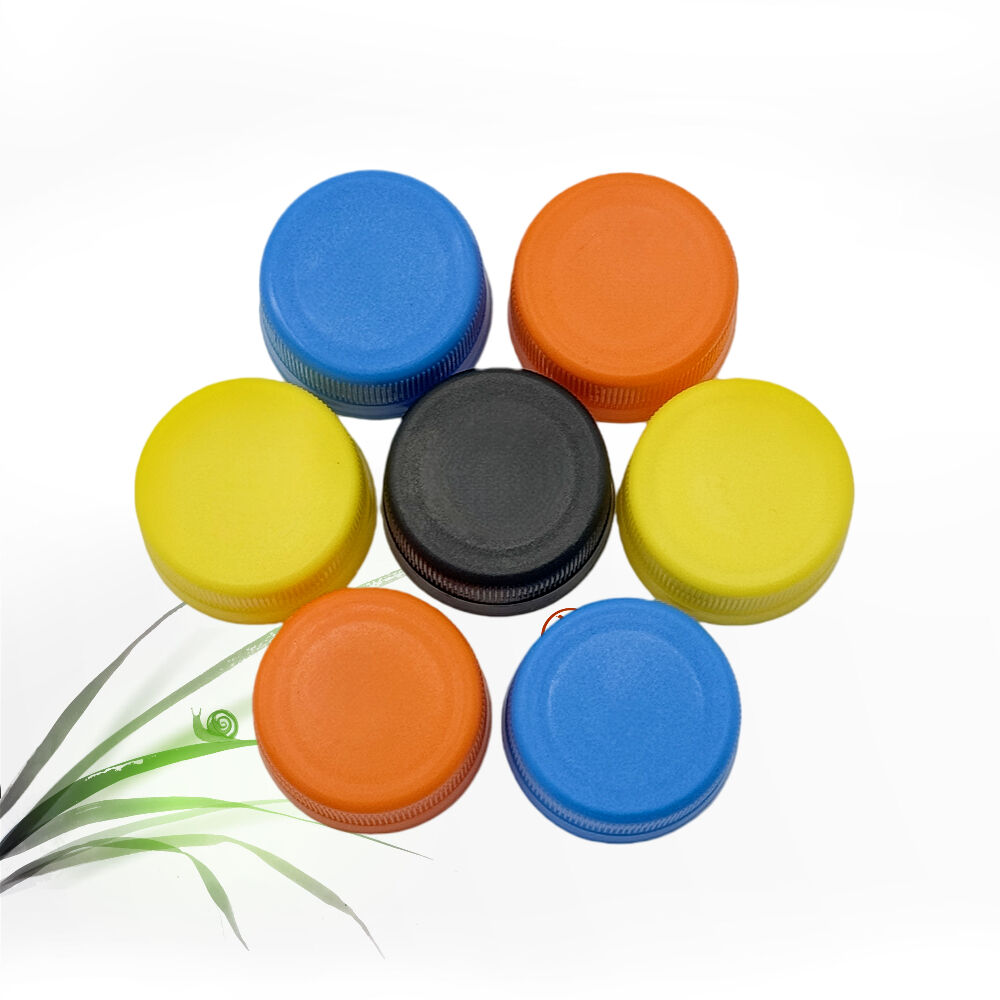
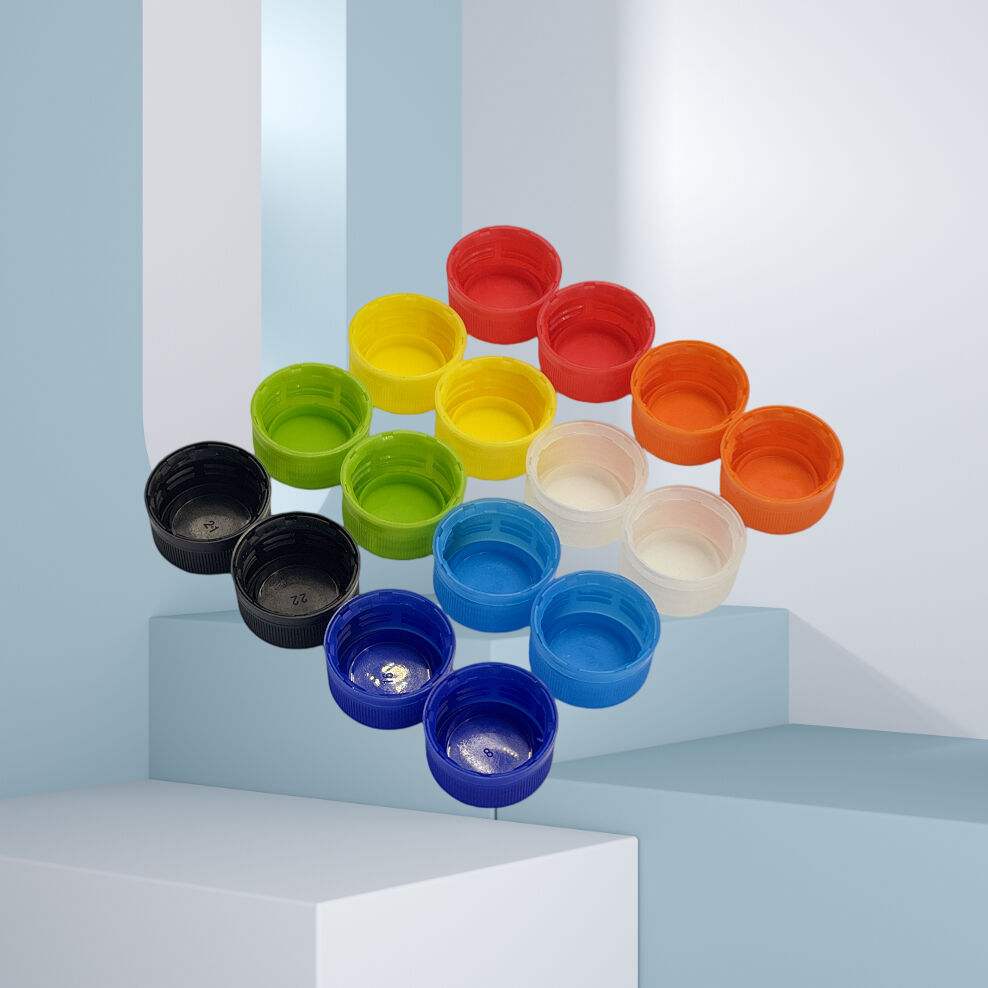
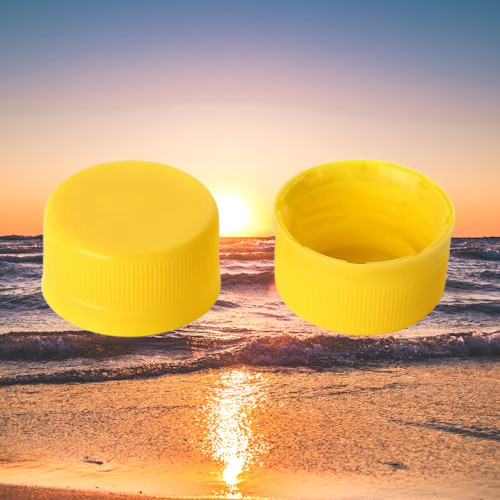
The plastic juice bottle cap offers remarkable versatility in design and customization options that allow beverage brands to differentiate their products and meet specific functional requirements. Available in numerous configurations including standard screw caps, flip-top designs, sport spouts, and push-pull closures, these caps can be tailored to match target consumer preferences and usage occasions. The customization extends to aesthetic elements such as color matching, embossed logos, printed branding, and unique textures that enhance shelf appeal and reinforce brand identity. Functional customization options for the plastic juice bottle cap include child-resistant mechanisms for household safety, easy-grip surfaces for improved handling, and specialized liners for different beverage formulations. The caps can be engineered with specific neck finishes to fit various bottle types and sizes, ensuring compatibility across product lines while maintaining consistent performance standards. This adaptability makes the plastic juice bottle cap suitable for premium fresh juices, economy multipacks, single-serve convenience formats, and bulk family-size containers. Manufacturers can select from different plastic resins and additives to optimize properties such as chemical resistance, temperature tolerance, and environmental sustainability, aligning the closure solution with overall product positioning and corporate responsibility goals.

 EN
EN