Plastic Bottle Lid Solutions & Applications

Get a Free Quote

Our representative will contact you soon.
Email
Phone/Whatsapp
Company Name/Name
Message
0/1000

plastic bottle lid

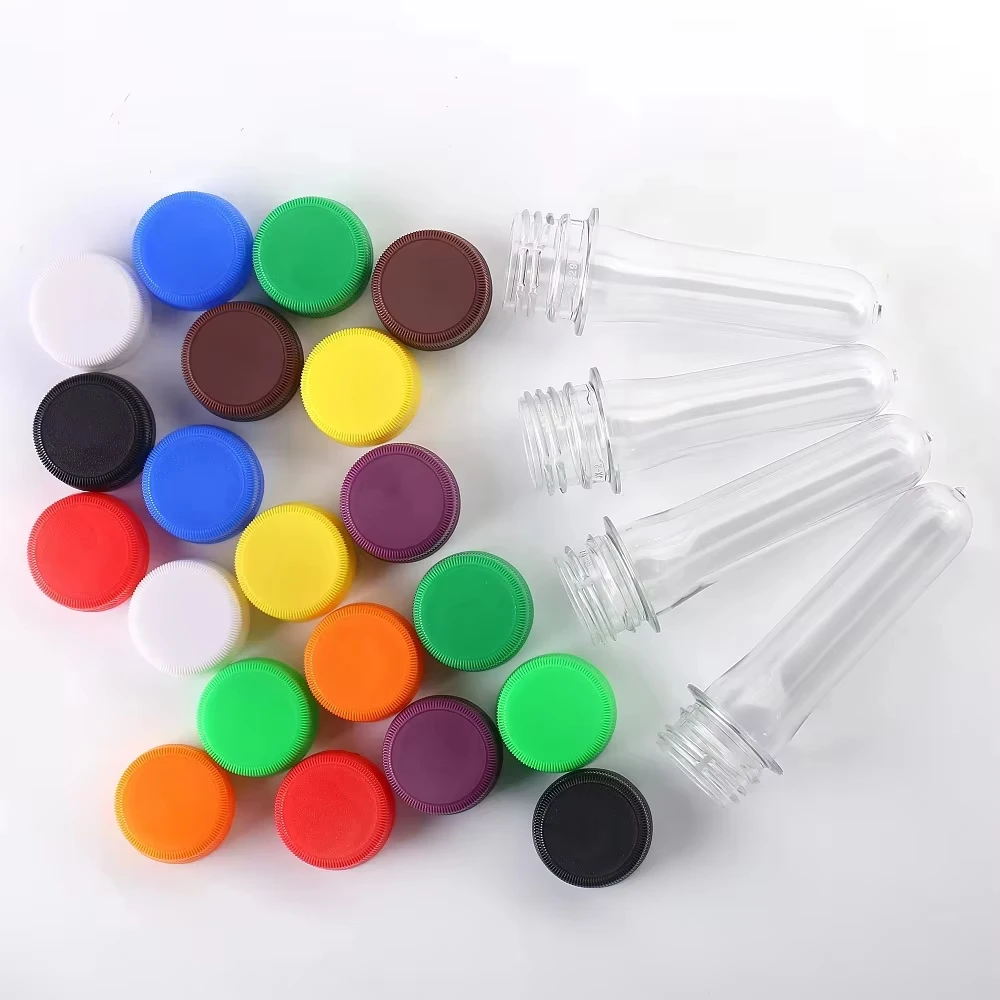
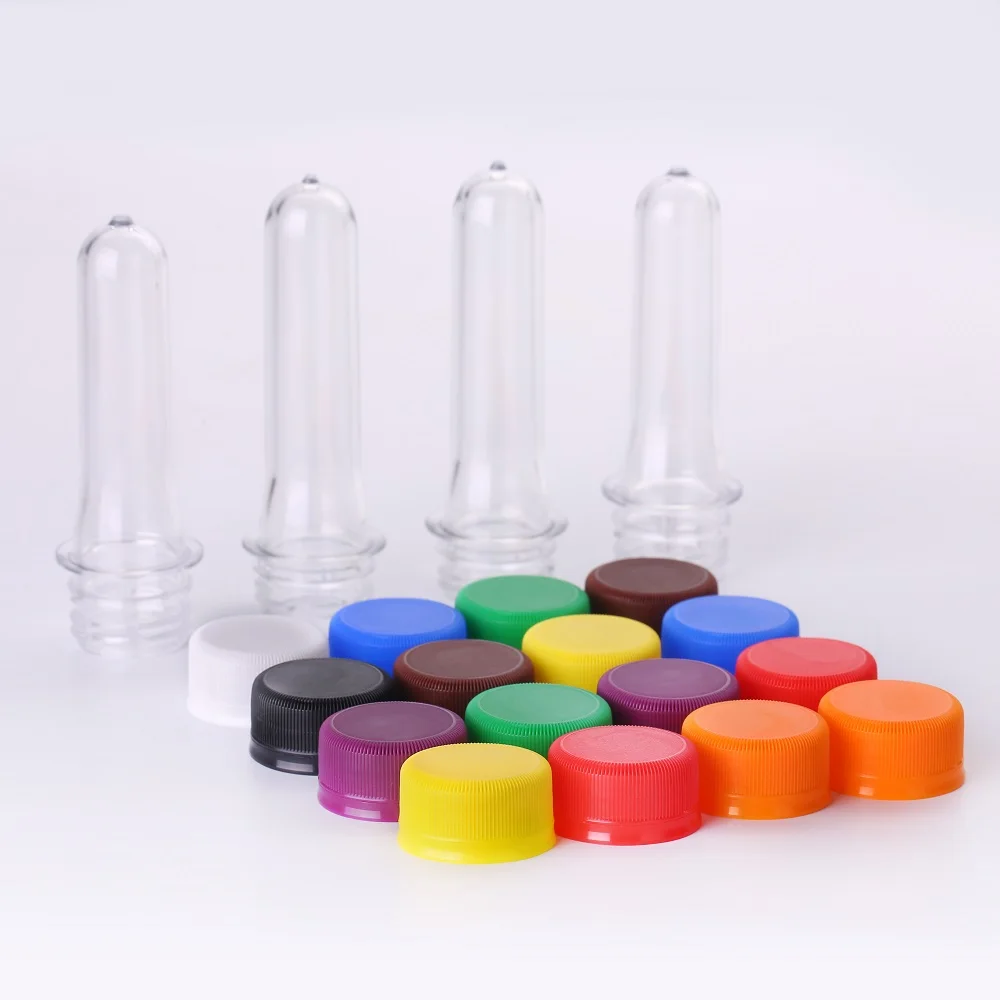
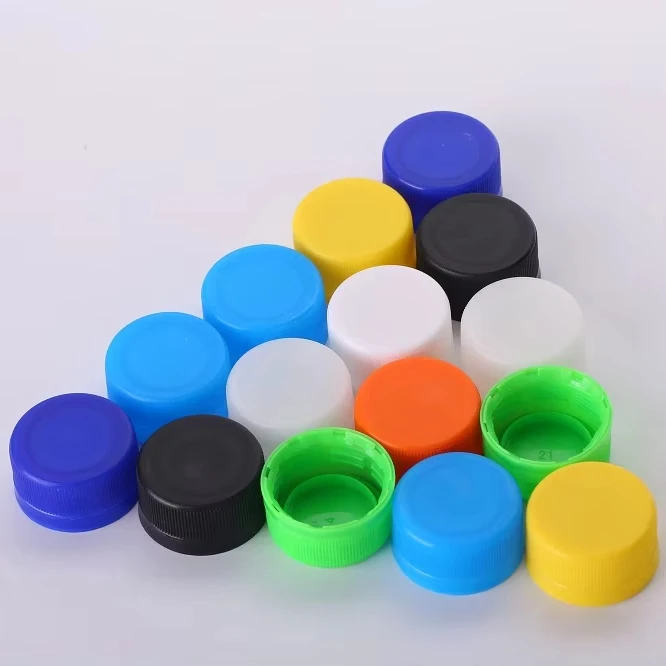
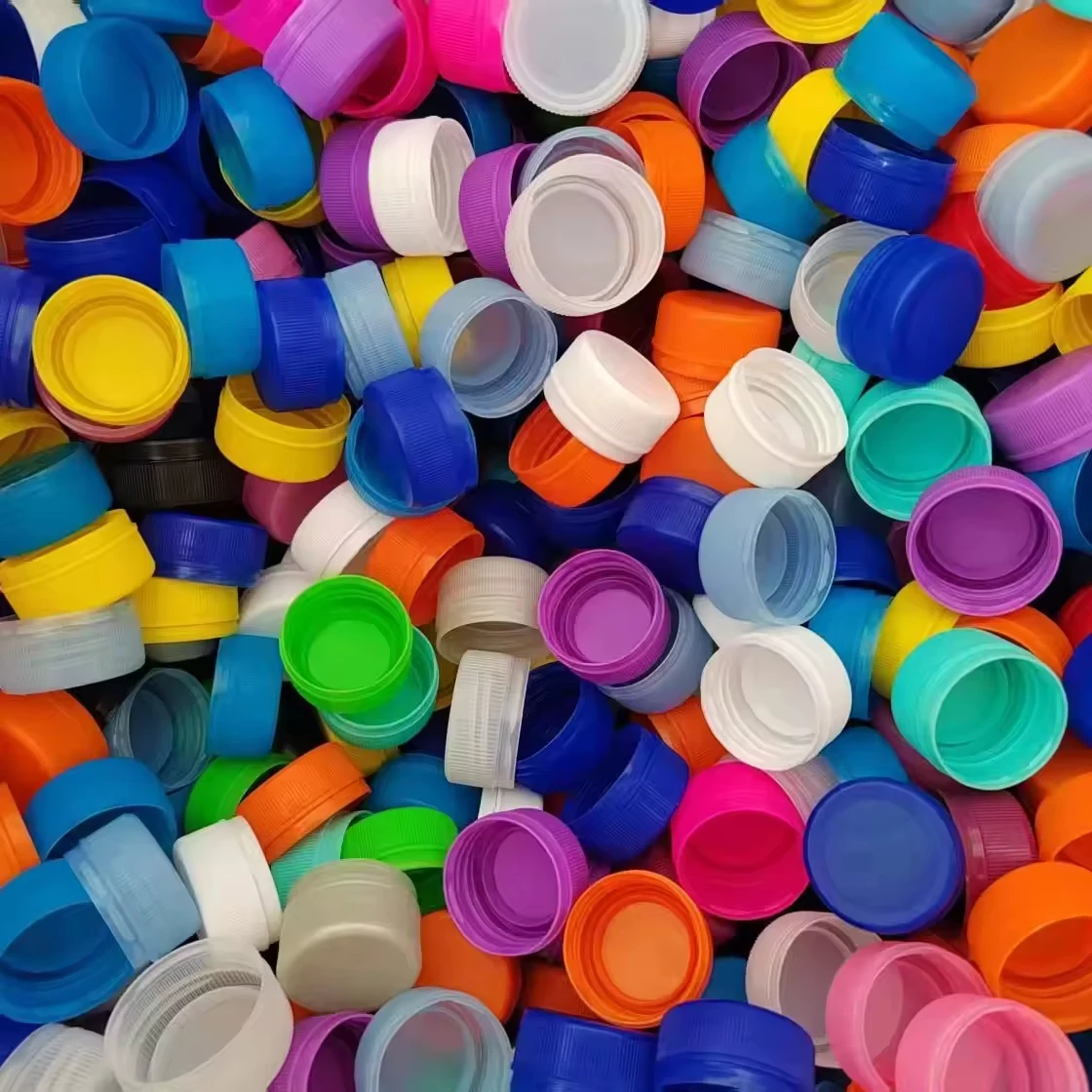
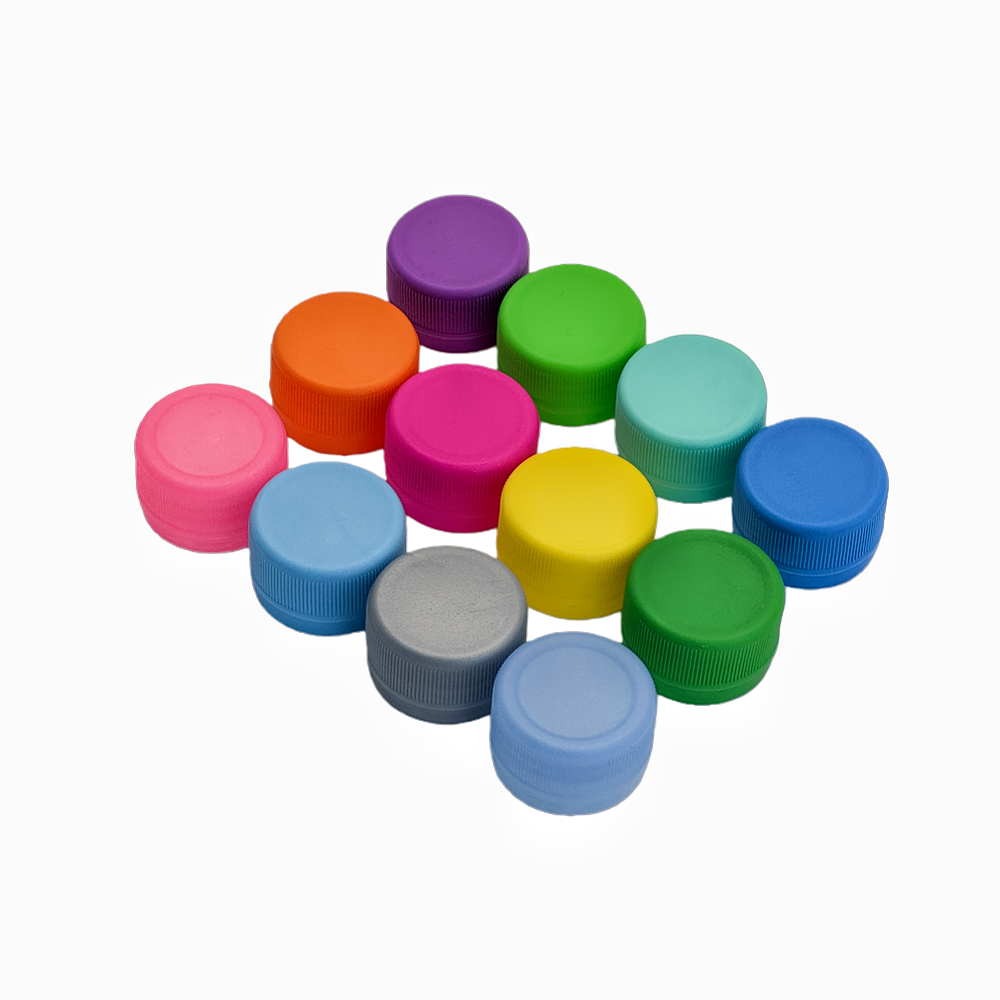
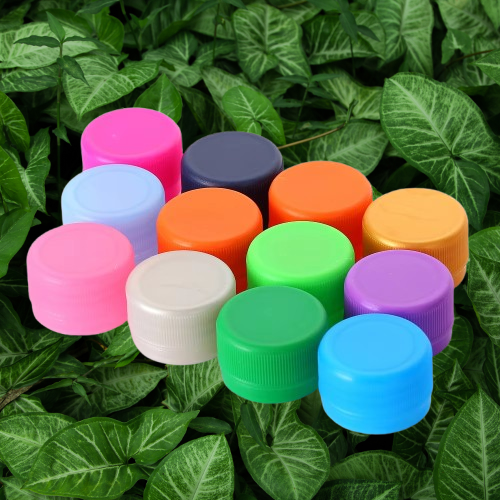
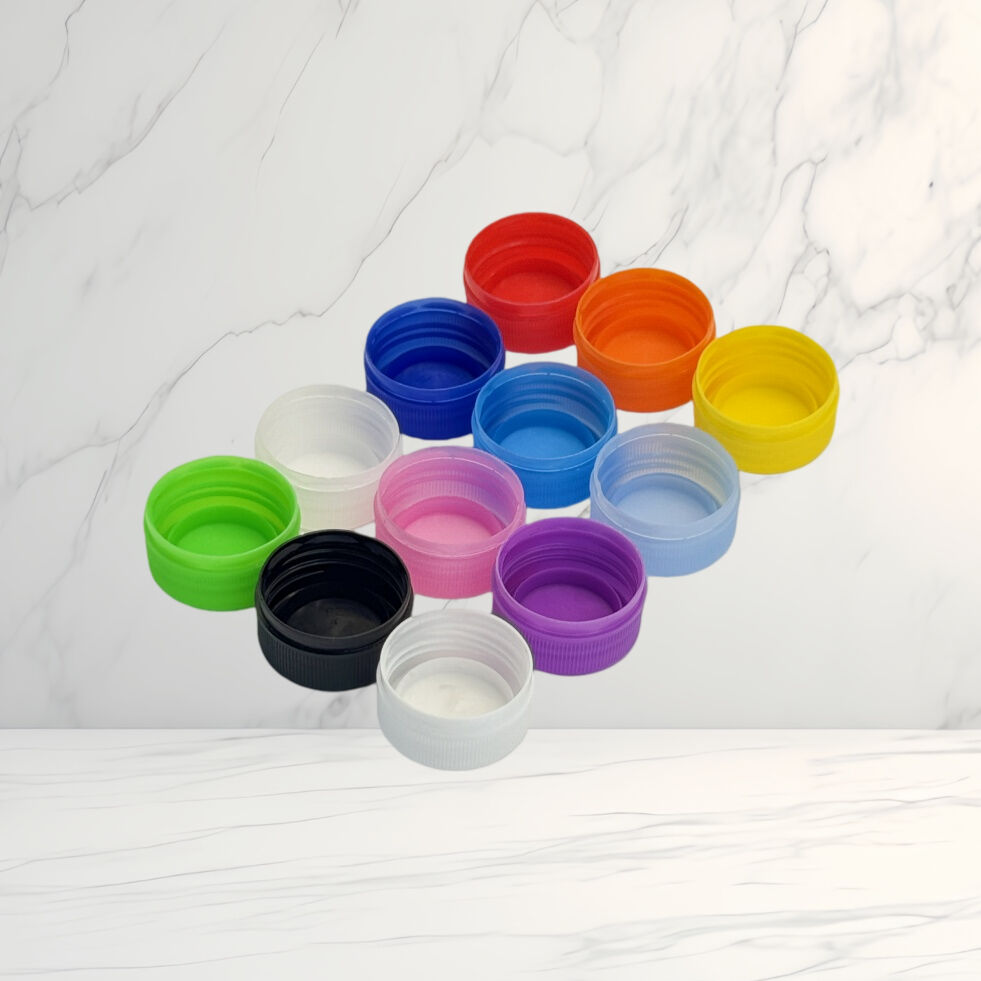
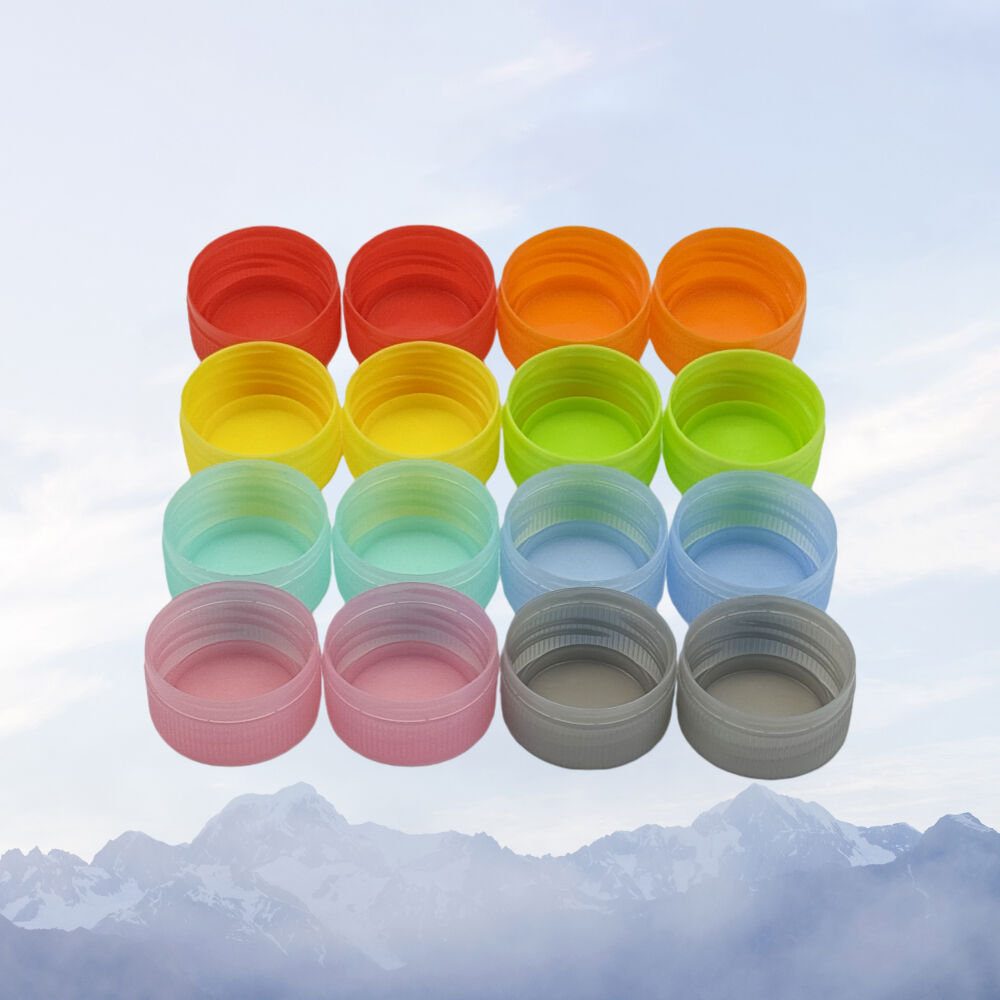
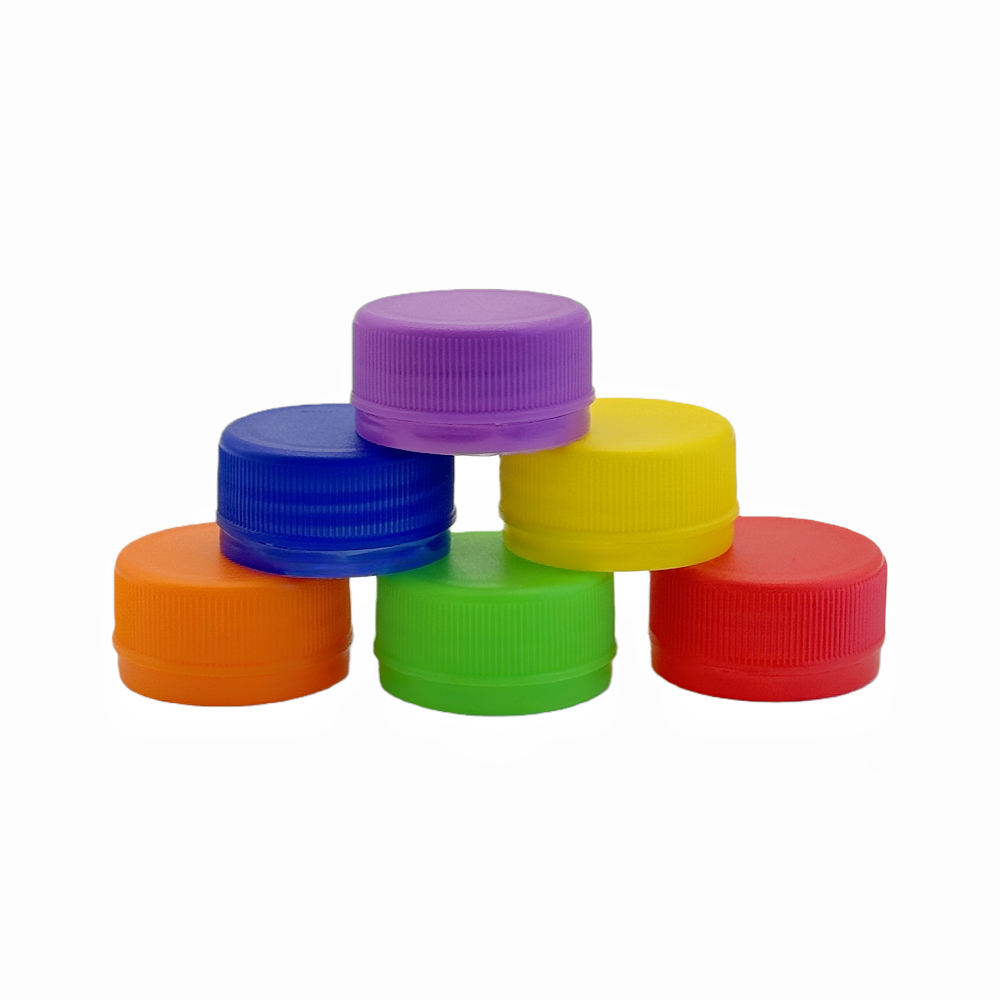
A plastic bottle lid serves as an essential closure component designed to seal and protect the contents of plastic bottles across numerous industries. This versatile sealing solution creates an airtight barrier that prevents leakage, contamination, and spillage while maintaining product freshness and integrity. The plastic bottle lid typically features threaded designs that enable secure attachment to bottle openings through simple twisting motions. Modern manufacturing techniques produce these lids in various sizes, colors, and configurations to accommodate diverse bottle types and consumer preferences. The primary function of every plastic bottle lid includes providing tamper-evidence, ensuring product safety, and offering convenient dispensing options. Advanced designs incorporate flip-top mechanisms, push-pull spouts, or sport caps that enhance user experience and functionality. These closure systems utilize durable plastic materials such as polypropylene, polyethylene, or PET that resist chemical reactions and environmental factors. The technological evolution of the plastic bottle lid has introduced child-resistant features, induction sealing compatibility, and ergonomic gripping surfaces. Applications span beverage packaging, pharmaceutical containers, personal care products, household cleaners, and industrial chemicals. Each plastic bottle lid undergoes rigorous quality testing to meet industry standards for torque resistance, drop impact, and seal integrity. The standardized threading systems ensure compatibility across manufacturing lines while maintaining consistent performance. Whether for single-use or reusable applications, the plastic bottle lid remains fundamental to modern packaging solutions.


New Product Recommendations

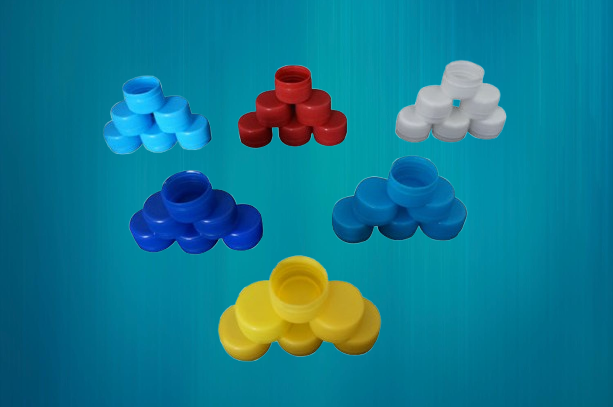
Choosing the right plastic bottle lid delivers substantial cost savings through reduced product waste and extended shelf life protection. These closures prevent expensive losses from spillage during transportation and storage while maintaining product quality until final consumption. Buyers benefit from lightweight construction that minimizes shipping costs compared to heavier closure alternatives. The operational simplicity of the plastic bottle lid allows for high-speed automated filling lines that increase production efficiency without specialized training requirements. Installation requires minimal force, reducing worker fatigue during manual operations while maintaining secure sealing performance. The versatility of the plastic bottle lid accommodates multiple product viscosities from thin liquids to thick gels without compromising seal integrity. Temperature resistance ensures reliable performance across varied storage conditions, from refrigerated environments to heated warehouses. Consumers appreciate the convenient one-handed operation that many plastic bottle lid designs provide for everyday use. The tamper-evident features build consumer trust by clearly indicating if product integrity has been compromised before purchase. Application suitability extends from food-grade beverages requiring FDA compliance to harsh chemical products demanding superior chemical resistance. The plastic bottle lid offers customization opportunities through color-coding systems that aid inventory management and brand recognition. Decision-makers value the proven reliability of these closures, backed by decades of successful implementation across global markets. Maintenance-free performance eliminates ongoing costs associated with complex closure systems. The recyclability of most plastic bottle lid materials supports sustainability initiatives while meeting regulatory requirements. Quick-change tooling capabilities allow manufacturers to switch between lid sizes efficiently, supporting diverse product portfolios. The consistent threading standards ensure replacement lids remain readily available, protecting long-term supply chain stability.

Practical Tips

Wholesale Water Cap Solutions: A Buyer’s Guide for 2026

21

May

Wholesale Water Cap Solutions: A Buyer’s Guide for 2026

Bottled water producers, beverage co-packers, and distributors all face the same recurring decision: which water cap to buy in bulk for the year ahead. A water cap may seem like a small component, but at wholesale volume it directly affect...
View More
Sustainable Water Cap Designs for Eco-Friendly Beverage Packaging

20

May

Sustainable Water Cap Designs for Eco-Friendly Beverage Packaging

As bottled water brands face growing pressure from regulators, retailers, and consumers to reduce plastic waste, the water cap has become a focal point of packaging redesign. It is a small component, but because it is produced and discarded at enormo...
View More
Custom Juice Cap Colors: Enhancing Your Brand Visibility on Shelf

15

Jun

Custom Juice Cap Colors: Enhancing Your Brand Visibility on Shelf

In the crowded world of beverage retail, first impressions are made in seconds. A shopper scanning a shelf full of products will make a purchasing decision based largely on visual cues, and one of the most overlooked yet powerful visual elements is t...
View More
Juice Cap Manufacturing: Maintaining Hygiene Standards in Taizhou

29

Jun

Juice Cap Manufacturing: Maintaining Hygiene Standards in Taizhou

In the competitive world of beverage packaging, the Juice Cap is far more than a simple closure. It is the final barrier between a carefully formulated product and the consumer, making hygiene standards in its manufacturing process a non-negotiable p...
View More

Get a Free Quote

Our representative will contact you soon.
Email
Phone/Whatsapp
Company Name/Name
Message
0/1000

plastic bottle lid

Superior Sealing Technology

Superior Sealing Technology

The plastic bottle lid incorporates advanced sealing mechanisms that create reliable barriers against external contaminants and internal pressure variations. Engineered sealing surfaces utilize precision molding tolerances measured in microns to achieve consistent contact between lid and bottle finishes. This technological precision prevents microscopic gaps that could compromise product quality or allow moisture ingress. Multi-layer sealing systems often combine primary thread seals with secondary liner gaskets constructed from foam, pulp, or induction foil materials. These complementary sealing elements work synergistically to address different leakage pathways and pressure conditions. The geometric design of sealing surfaces accounts for material compression characteristics, thermal expansion coefficients, and long-term creep behavior. Quality control protocols verify sealing performance through pressure decay testing, torque analysis, and accelerated aging studies. The result is a plastic bottle lid that maintains hermetic seals throughout distribution cycles involving vibration, temperature fluctuations, and handling stresses. This sealing reliability directly translates to reduced product returns, enhanced brand reputation, and improved customer satisfaction. Manufacturers benefit from fewer production rejects and complaints while consumers enjoy products that remain fresh and uncontaminated from production to final use.
Versatile Design Options

Versatile Design Options

The plastic bottle lid market offers extraordinary design flexibility to match specific application requirements and branding objectives. Continuous innovation has produced specialized configurations including flip-top dispensers for controlled product release, sport caps for active lifestyle beverages, and pump mechanisms for viscous lotions. Each design variation of the plastic bottle lid serves distinct user scenarios while maintaining core sealing functionality. Customization extends to dimensional specifications that accommodate standard bottle finishes from 18mm to 120mm diameters and beyond for industrial applications. Color matching capabilities allow precise brand color reproduction using masterbatch technology or full-surface decoration through printing and labeling. Texture variations provide enhanced grip characteristics, from smooth finishes for aesthetic appeal to knurled patterns for wet-hand operation. Child-resistant mechanisms meet regulatory standards for pharmaceuticals and household chemicals without frustrating adult users. Tamper-evident bands provide visible security features that break upon first opening, addressing safety concerns and regulatory compliance. The modularity of plastic bottle lid systems enables component mixing, such as pairing different closure tops with various liner types to optimize performance for specific products. This design versatility empowers brands to differentiate products on retail shelves while ensuring functional performance meets or exceeds industry benchmarks for their particular application category.
Cost-Effective Manufacturing

Cost-Effective Manufacturing

Production economics favor the plastic bottle lid through highly efficient manufacturing processes that minimize material consumption and maximize output rates. Injection molding technology produces these closures at remarkable speeds, with modern equipment capable of cycling every few seconds to generate thousands of units hourly. This high-volume production capability dramatically reduces per-unit costs, making the plastic bottle lid an economical choice for both premium and value-oriented product lines. Material efficiency stems from optimized wall thickness distributions that balance structural strength against material usage, eliminating unnecessary plastic while maintaining performance specifications. Automated quality inspection systems integrated into production lines identify defects in real-time, ensuring only conforming plastic bottle lid units reach packaging operations. The standardization of closure designs across industries enables economies of scale that benefit even smaller buyers through competitive pricing structures. Tooling investments for plastic bottle lid production amortize quickly due to high cavity counts and extended tool life measured in millions of cycles. Secondary operations such as liner insertion and printing integrate seamlessly into automated assembly lines, adding functionality without significant labor costs. The global manufacturing infrastructure for these closures ensures supply chain resilience and competitive sourcing options. Transportation efficiency results from lightweight construction and nestable designs that maximize packaging density during shipment, further reducing total delivered costs for purchasers.

Get a Free Quote

Our representative will contact you soon.
Email
Phone/Whatsapp
Company Name/Name
Message
0/1000