pco1810 bottle threaded cap
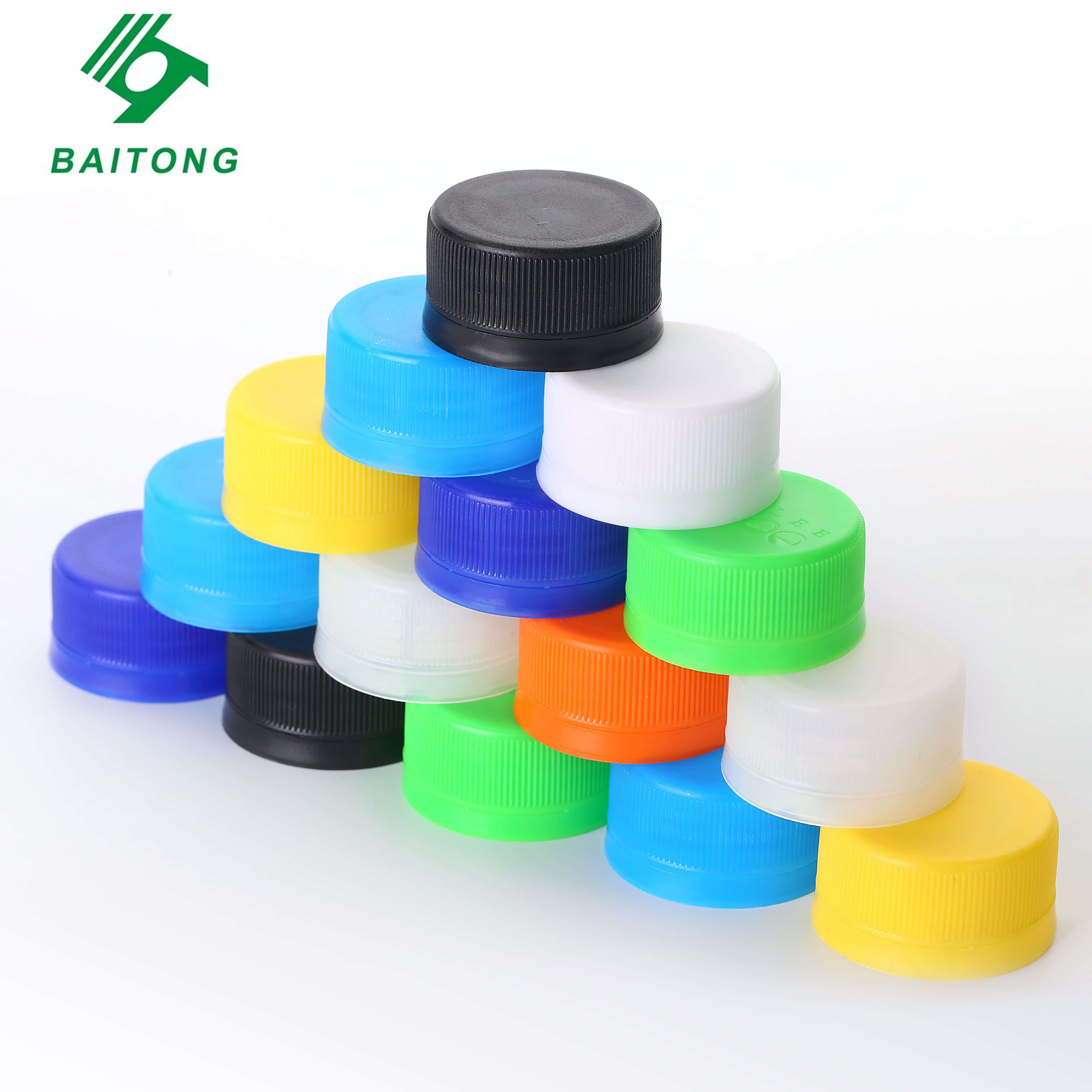
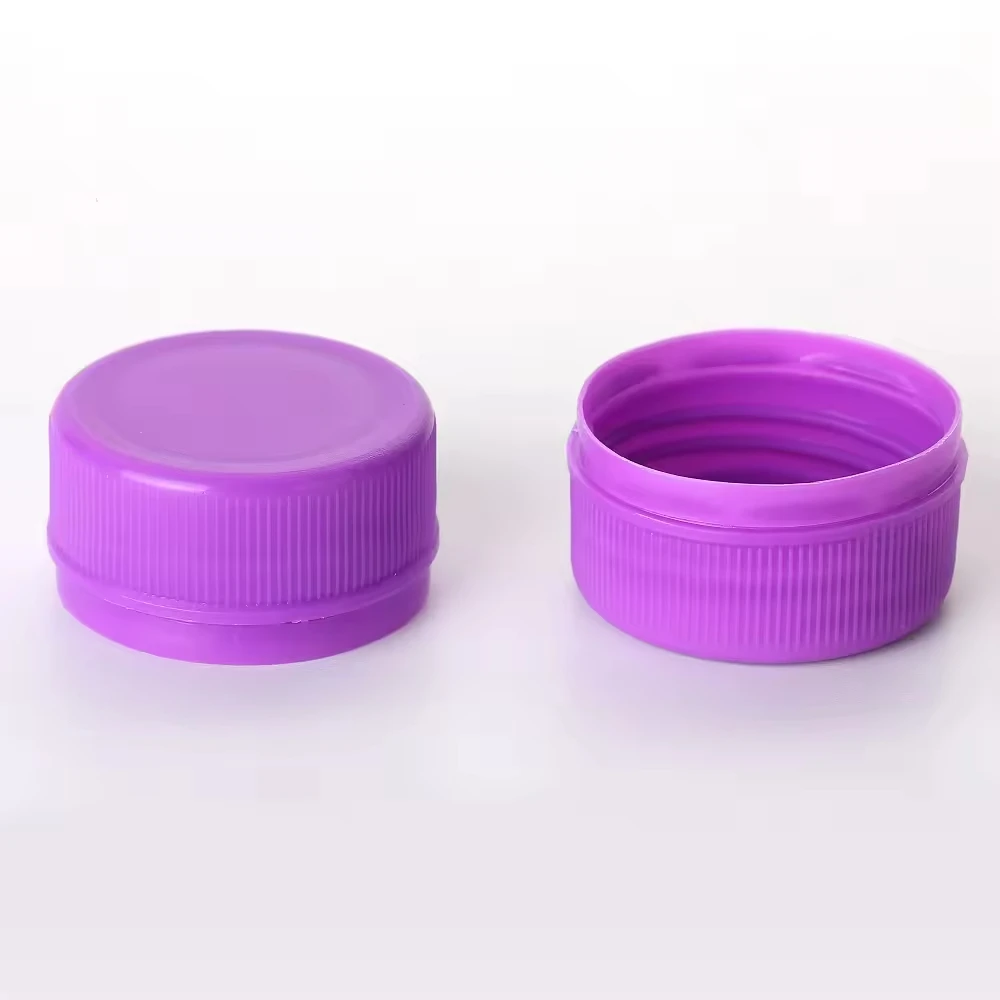
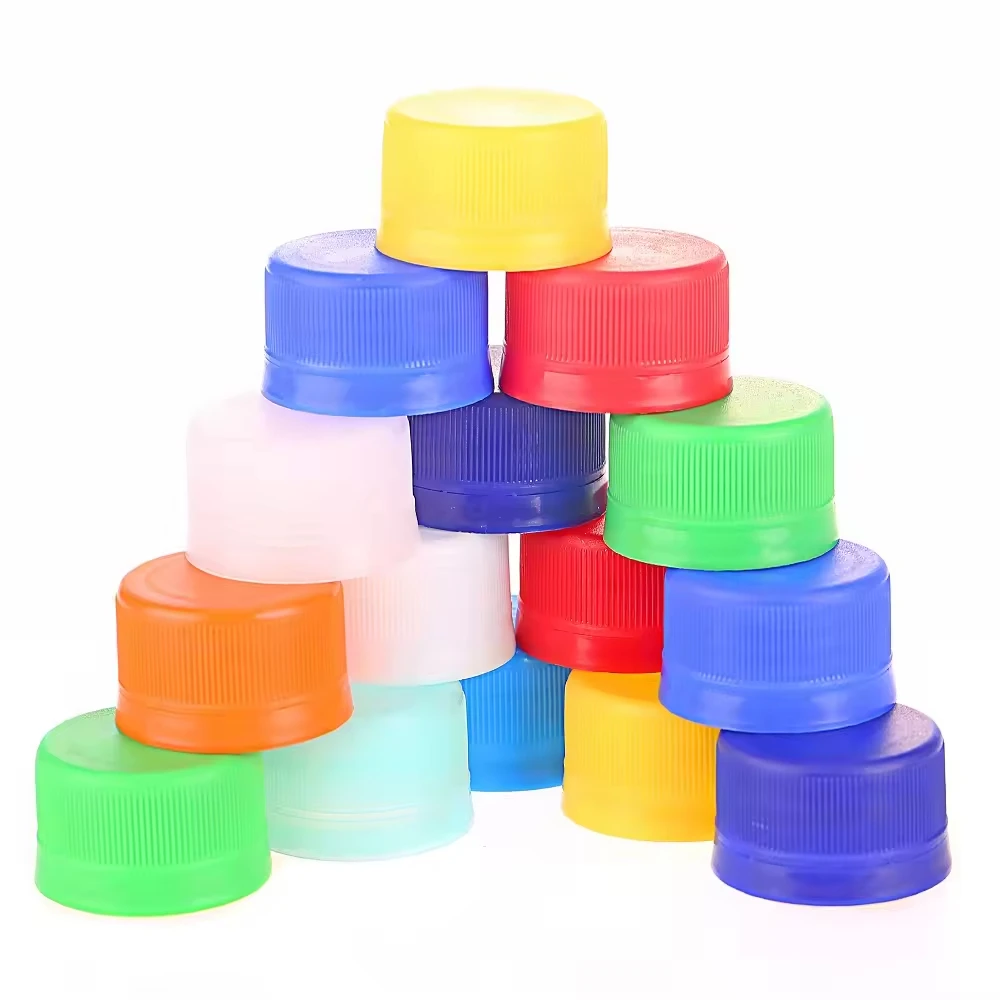
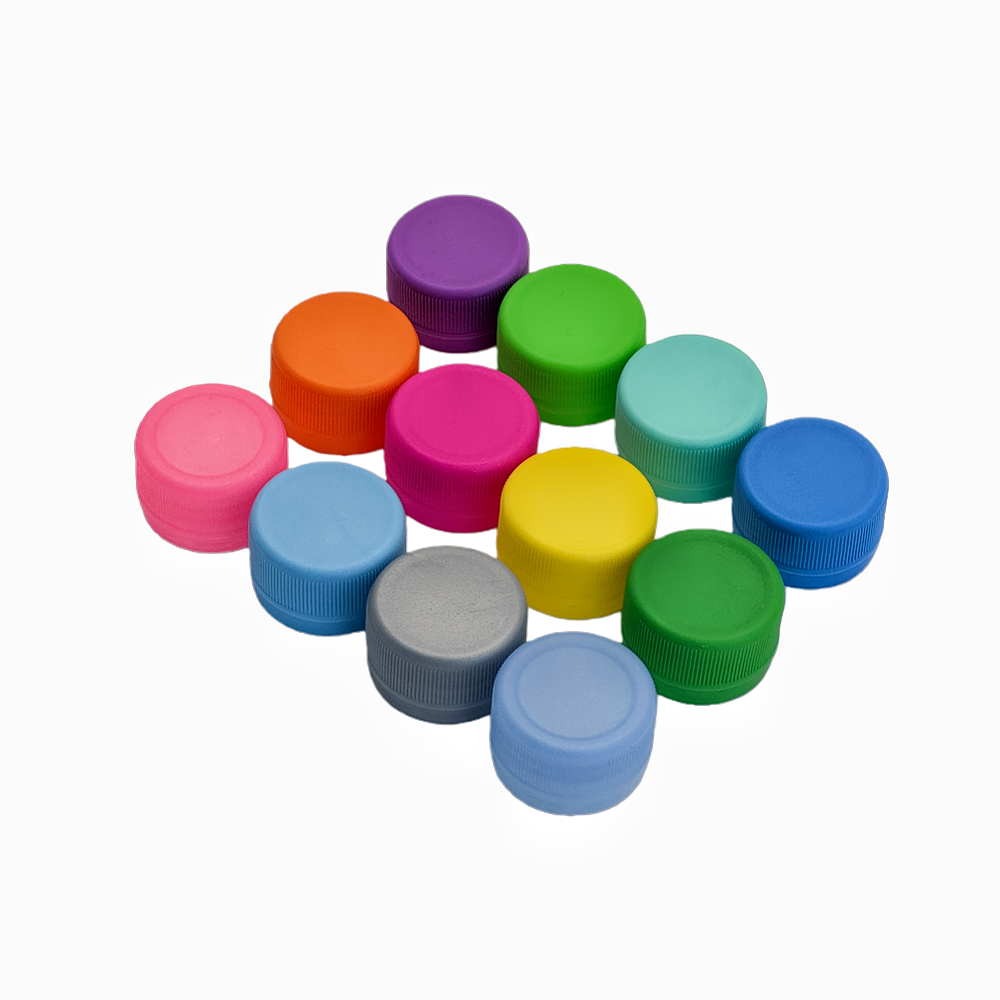
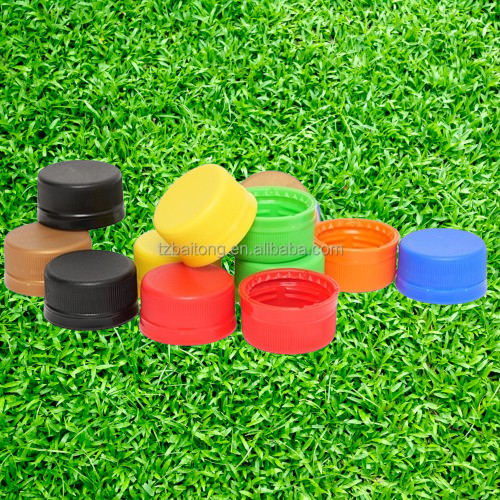
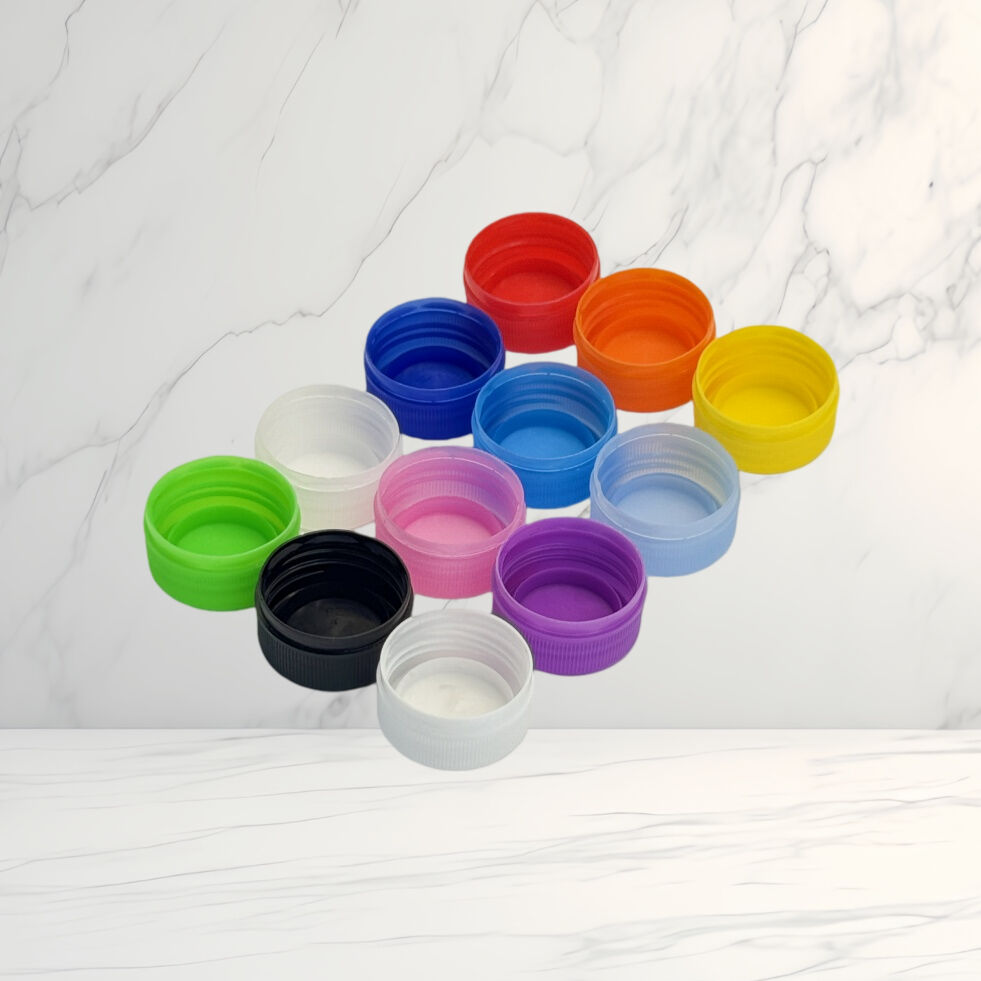
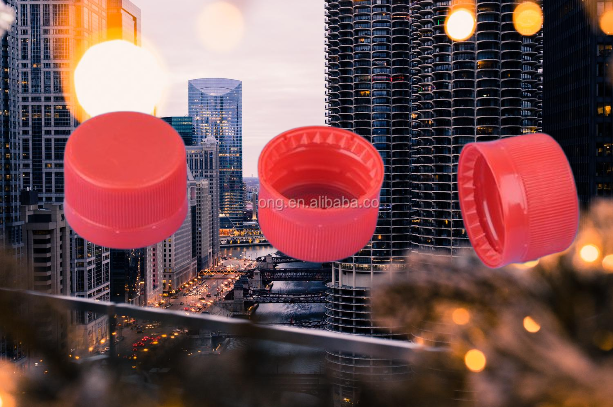
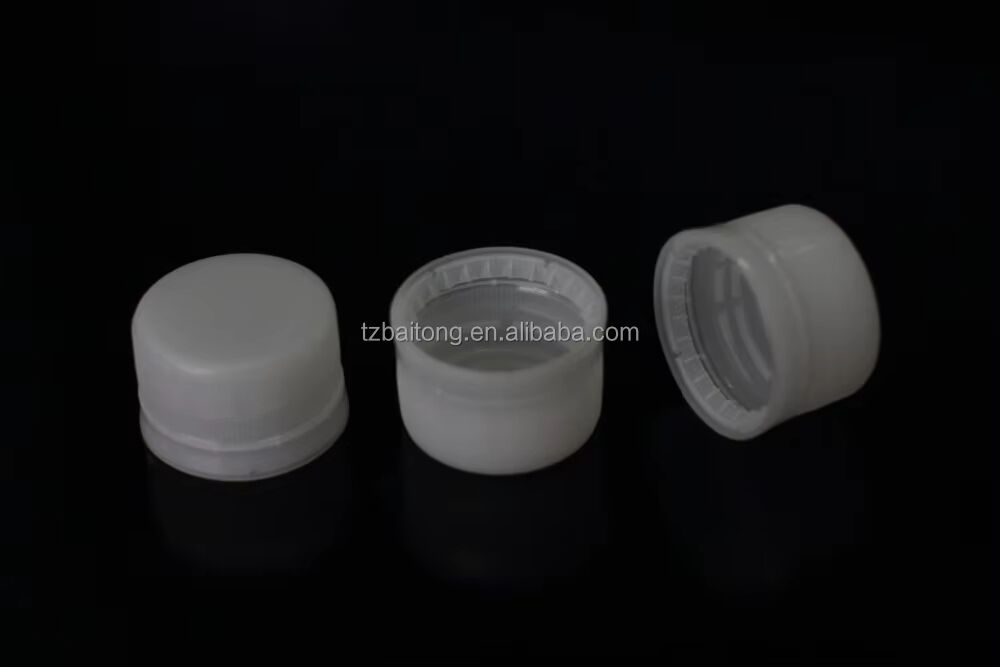
The pco1810 bottle threaded cap represents a standardized closure system widely adopted in the beverage and liquid packaging industries. This cap design follows the PCO (Plastic Closure Only) 1810 specification, which defines precise threading dimensions and structural parameters to ensure universal compatibility across bottling applications. The pco1810 bottle threaded cap features a 28mm finish diameter with specific thread profiles that enable secure fastening to compatible bottle necks. Its main function is to provide reliable sealing protection for carbonated soft drinks, water, juices, and other liquid products during storage, transportation, and consumer use. The technological features of the pco1810 bottle threaded cap include standardized thread geometry, tamper-evident bands, and compatibility with high-speed automated capping equipment. Manufacturing processes typically involve injection molding using food-grade plastics such as polypropylene or high-density polyethylene, ensuring safety and durability. Applications for the pco1810 bottle threaded cap span multiple industries, including beverage manufacturing, dairy products, edible oils, and pharmaceutical liquids. The standardization enables manufacturers to source caps and bottles from different suppliers while maintaining perfect fitment. This closure system supports both still and carbonated beverages, with modifications available for venting requirements. The pco1810 bottle threaded cap has become an industry benchmark due to its proven performance, cost-effectiveness, and global acceptance among packaging professionals.

 EN
EN