Carbonated Beverage Bottle Lid Solutions

Get a Free Quote

Our representative will contact you soon.
Email
Phone/Whatsapp
Company Name/Name
Message
0/1000

carbonated beverage bottle lid

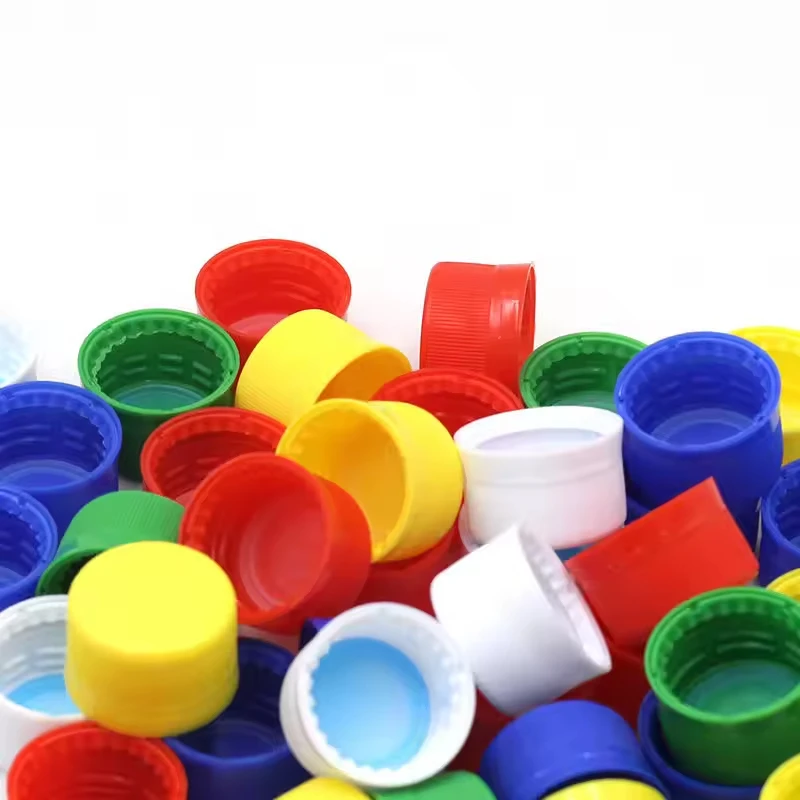
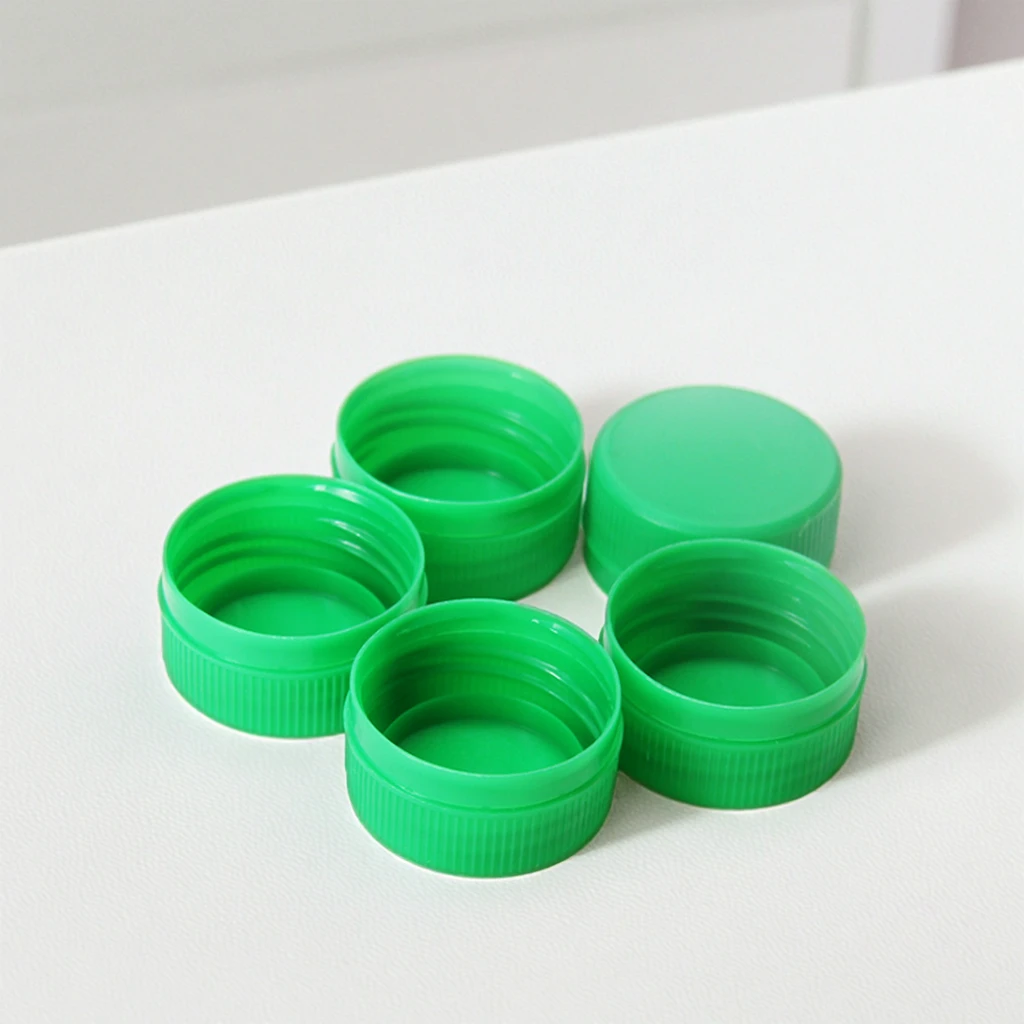
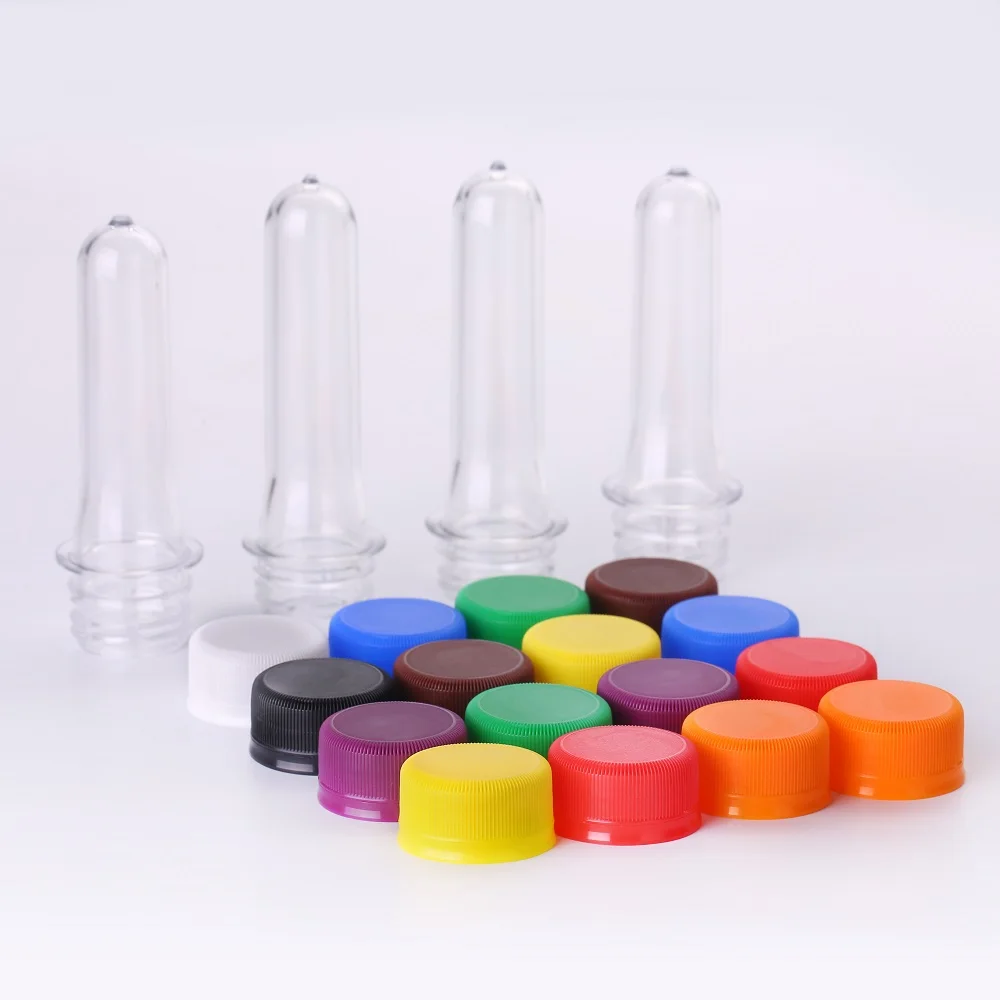
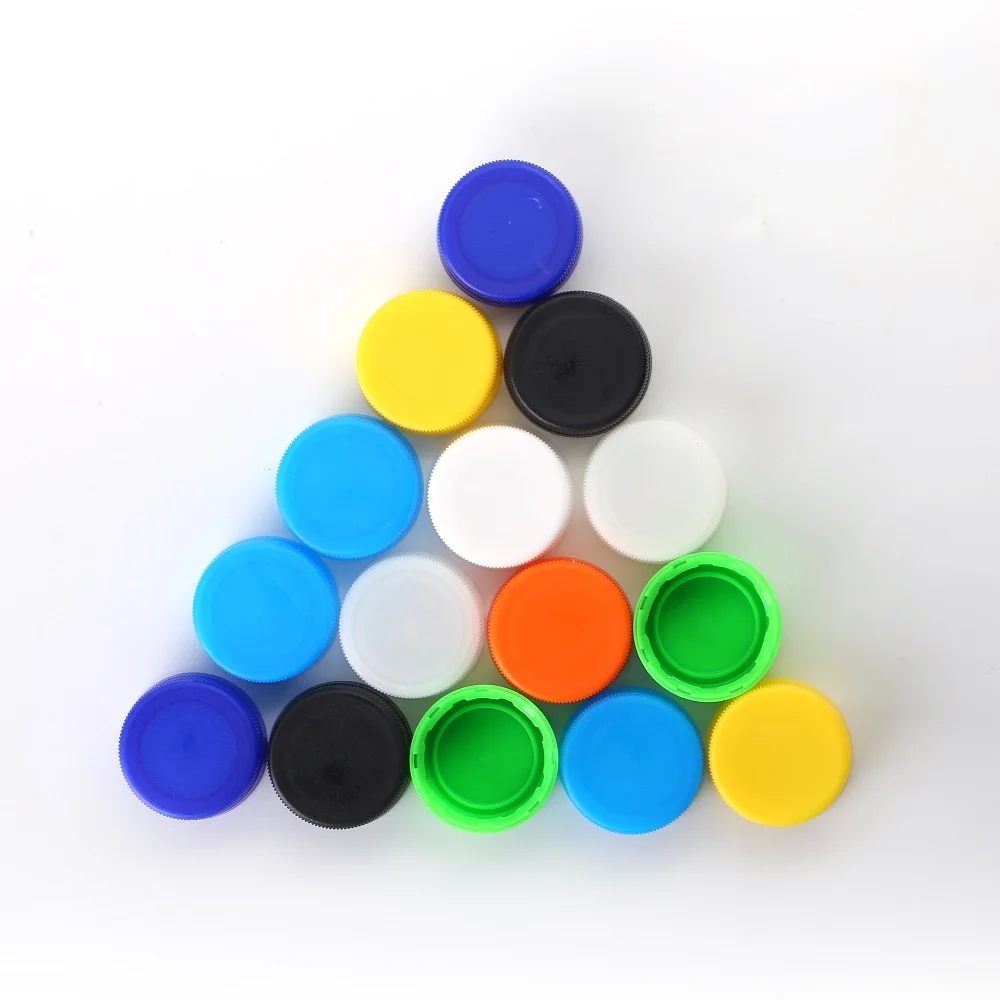
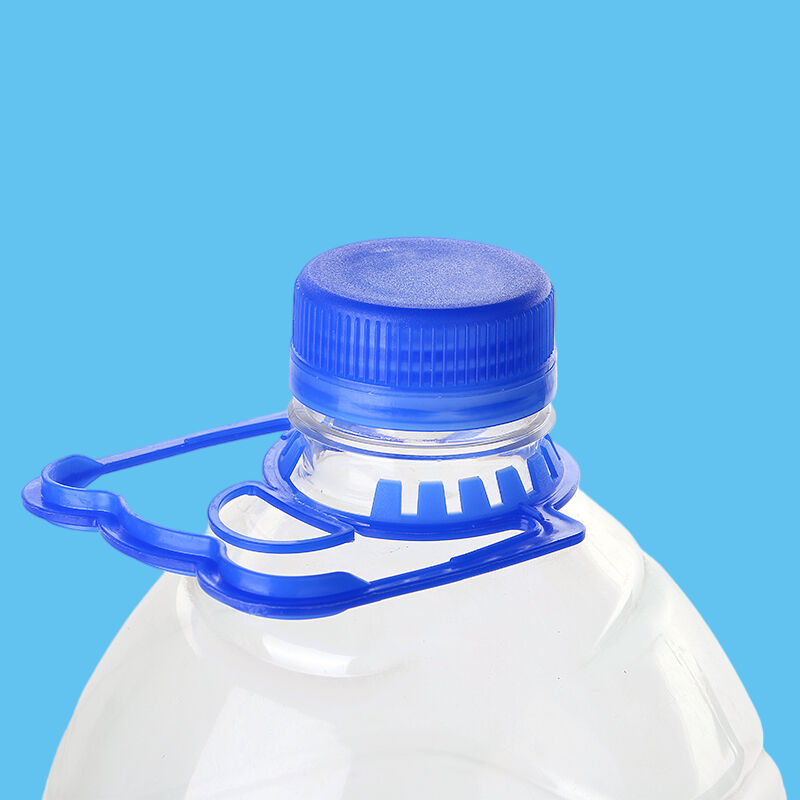
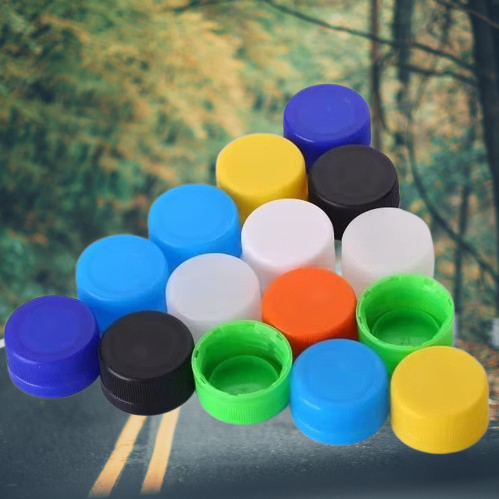
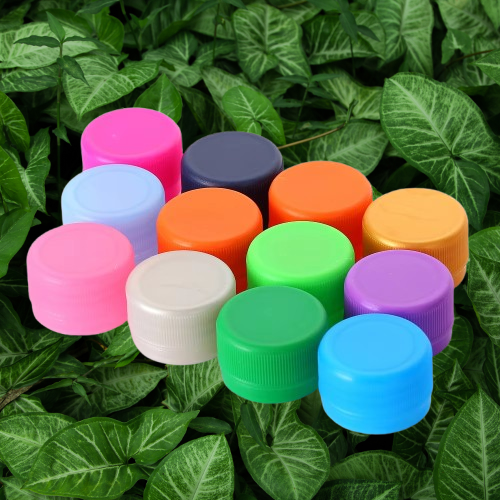
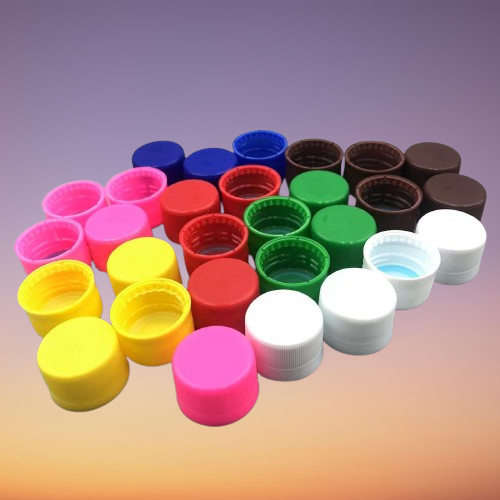
A carbonated beverage bottle lid is an essential closure system specifically engineered to seal bottles containing pressurized drinks such as sodas, sparkling water, and carbonated soft drinks. This critical component serves multiple functions that directly impact product quality and consumer satisfaction. The primary purpose of a carbonated beverage bottle lid is to maintain internal pressure, preventing gas escape that would otherwise result in flat, unpalatable drinks. These lids create an airtight seal that preserves carbonation levels from the bottling facility through distribution channels to the moment consumers open their beverages. The carbonated beverage bottle lid incorporates advanced sealing technology, typically featuring multi-layer construction with food-grade materials that resist chemical interaction with acidic or flavored contents. Modern designs include pressure-release mechanisms that safely vent excess gas buildup while maintaining optimal carbonation. The threading system ensures secure attachment to bottle necks, while inner gaskets or liners provide the critical seal against gas permeation. Applications span the entire beverage industry, from small craft soda producers to multinational beverage corporations. The carbonated beverage bottle lid accommodates various bottle sizes and materials, including PET plastic and glass containers. These closures must withstand significant internal pressure, often exceeding several atmospheres, while remaining easy for consumers to open. Quality carbonated beverage bottle lids undergo rigorous testing for seal integrity, torque resistance, and material safety, ensuring compliance with food contact regulations across global markets.


New Product Recommendations

Choosing the right carbonated beverage bottle lid delivers substantial practical benefits that directly affect your bottom line and customer satisfaction. The most immediate advantage is superior carbonation retention, which means your products reach consumers with the crisp, fizzy taste they expect, reducing complaints and returns. This preservation capability extends shelf life significantly, allowing longer distribution windows and reducing inventory waste. For beverage producers, a reliable carbonated beverage bottle lid minimizes production line disruptions through consistent application performance and fewer seal failures that cause costly downtime. The tamper-evident features integrated into quality carbonated beverage bottle lids protect brand reputation by providing visible proof of product integrity, building consumer trust and reducing liability concerns. From an operational perspective, these lids streamline bottling processes through compatibility with high-speed capping equipment, increasing throughput without sacrificing quality. The lightweight yet durable construction reduces shipping costs while maintaining protective performance throughout the supply chain. Consumer convenience represents another key value point, as modern carbonated beverage bottle lids balance secure sealing with easy opening, eliminating the frustration of overly tight closures while preventing accidental openings during transport. The chemical resistance of premium carbonated beverage bottle lids ensures compatibility with diverse beverage formulations, including those with acidic content or natural flavors that might degrade inferior materials. For purchasing decisions, the carbonated beverage bottle lid offers excellent cost-effectiveness when evaluating total ownership costs, including reduced product loss, fewer customer complaints, and enhanced brand perception. Environmental considerations also favor advanced lid designs that use less material without compromising performance, supporting sustainability goals while maintaining functionality. The universal compatibility of standardized carbonated beverage bottle lids simplifies inventory management and reduces the complexity of managing multiple closure types across product lines.

Latest News

Ergonomic Bottle Handle Designs for Large Volume Water Containers

09

Apr

Ergonomic Bottle Handle Designs for Large Volume Water Containers

Large volume water containers, particularly 3 and 5-gallon jugs, place real physical demands on the people who lift and carry them every day. Whether it's a delivery driver moving dozens of jugs in a shift or a household member swapping out a water c...
View More
The Load-Bearing Science of a Durable Plastic Bottle Handle

27

Mar

The Load-Bearing Science of a Durable Plastic Bottle Handle

Carrying a heavy water jug safely depends on more than just having a grip point attached to the bottle. The bottle handle has to actually hold the weight of the filled container without stretching, cracking, or pulling loose, often through repeated d...
View More
PCO1881 Cap: The Industry Standard for Lightweight CSD Packaging

20

Mar

PCO1881 Cap: The Industry Standard for Lightweight CSD Packaging

Carbonated soft drink packaging depends on a closure that can hold internal gas pressure reliably while also keeping material costs and shipping weight as low as possible. The PCO1881 cap has become the dominant answer to this challenge across the gl...
View More
Sustainable Water Cap Designs for Eco-Friendly Beverage Packaging

20

May

Sustainable Water Cap Designs for Eco-Friendly Beverage Packaging

As bottled water brands face growing pressure from regulators, retailers, and consumers to reduce plastic waste, the water cap has become a focal point of packaging redesign. It is a small component, but because it is produced and discarded at enormo...
View More

Get a Free Quote

Our representative will contact you soon.
Email
Phone/Whatsapp
Company Name/Name
Message
0/1000

carbonated beverage bottle lid

Advanced Pressure Management Technology

Advanced Pressure Management Technology

The carbonated beverage bottle lid incorporates sophisticated pressure management systems that distinguish it from standard closures. Internal pressure in carbonated beverages can reach four to five atmospheres, creating substantial force against the closure that inferior lids cannot withstand. Premium carbonated beverage bottle lids feature reinforced structural designs with optimized wall thickness distribution that resists deformation under pressure while maintaining material efficiency. The sealing system typically includes a specialized liner compound formulated to create gas-impermeable barriers at the molecular level, preventing carbon dioxide migration that leads to carbonation loss. Some advanced carbonated beverage bottle lid designs incorporate pressure-release valves that activate only under excessive pressure conditions, protecting against bottle rupture during temperature fluctuations while preserving normal carbonation. The threading geometry is precision-engineered to distribute stress evenly around the bottle neck, preventing concentration points that could cause seal failure. This technological sophistication ensures that beverages maintain their intended carbonation levels throughout their entire shelf life, delivering consistent quality that builds customer loyalty and reduces waste from unsellable flat products.
Food-Safe Material Composition

Food-Safe Material Composition

Material selection for the carbonated beverage bottle lid prioritizes both performance and safety, utilizing food-grade polymers that meet stringent regulatory requirements across global markets. The most common materials include polypropylene and high-density polyethylene, chosen for their excellent chemical resistance, mechanical strength, and neutral interaction with beverage contents. These materials undergo extensive testing to ensure they do not leach compounds into drinks or absorb flavors that would compromise taste profiles. The liner component of a carbonated beverage bottle lid typically consists of specialized compounds such as expanded polyethylene foam or plastisol formulations that compress during closure application to create the hermetic seal necessary for carbonation retention. Quality manufacturers ensure their carbonated beverage bottle lid products comply with FDA regulations, EU food contact standards, and other international certifications that buyers require for market access. The material stability across temperature ranges is particularly important, as beverages may experience refrigeration, ambient storage, and temperature cycling during distribution. UV resistance prevents degradation in clear bottles exposed to light, while moisture barriers protect against external humidity that could compromise closure integrity. This careful material engineering provides peace of mind for producers and safety assurance for end consumers.
Versatile Application Compatibility

Versatile Application Compatibility

The carbonated beverage bottle lid demonstrates remarkable adaptability across diverse bottling applications and production environments. Standard neck finish dimensions such as PCO-1810, PCO-1881, and other industry specifications ensure compatibility with existing bottling infrastructure, eliminating the need for costly equipment modifications when switching suppliers or updating closure designs. This standardization allows beverage producers to source carbonated beverage bottle lids from multiple vendors while maintaining consistent performance, providing supply chain flexibility and competitive pricing advantages. The closure design accommodates both hot-fill and cold-fill bottling processes, with temperature-resistant materials that maintain seal integrity through thermal variations. High-speed bottling lines benefit from the consistent torque application characteristics of quality carbonated beverage bottle lids, which enable reliable automated capping at rates exceeding 1,000 bottles per minute without sacrificing seal quality. The carbonated beverage bottle lid suits various container materials including PET, glass, and aluminum bottles, with liner formulations optimized for each substrate. Beverage categories from traditional colas to flavored sparkling waters, energy drinks, and craft sodas all utilize these specialized closures. This versatility reduces inventory complexity for multi-product facilities while ensuring each beverage type receives appropriate closure protection tailored to its specific carbonation and shelf life requirements.

Get a Free Quote

Our representative will contact you soon.
Email
Phone/Whatsapp
Company Name/Name
Message
0/1000