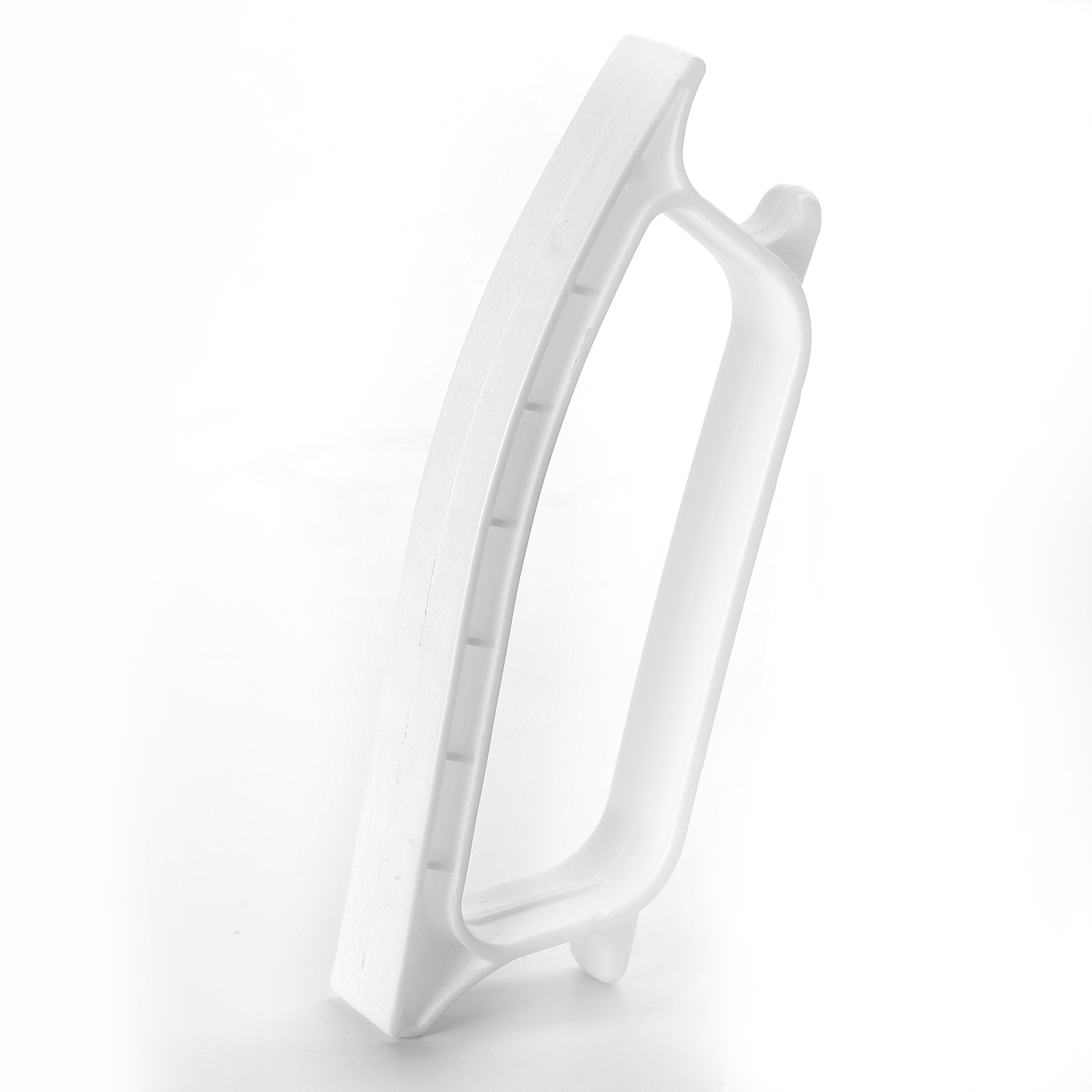
Premium Bottle Handle Solutions - Enhanced Grip, Durability & Ergonomic Design

Get a Free Quote

Our representative will contact you soon.
Email
Phone/Whatsapp
Company Name/Name
Message
0/1000

bottle handle

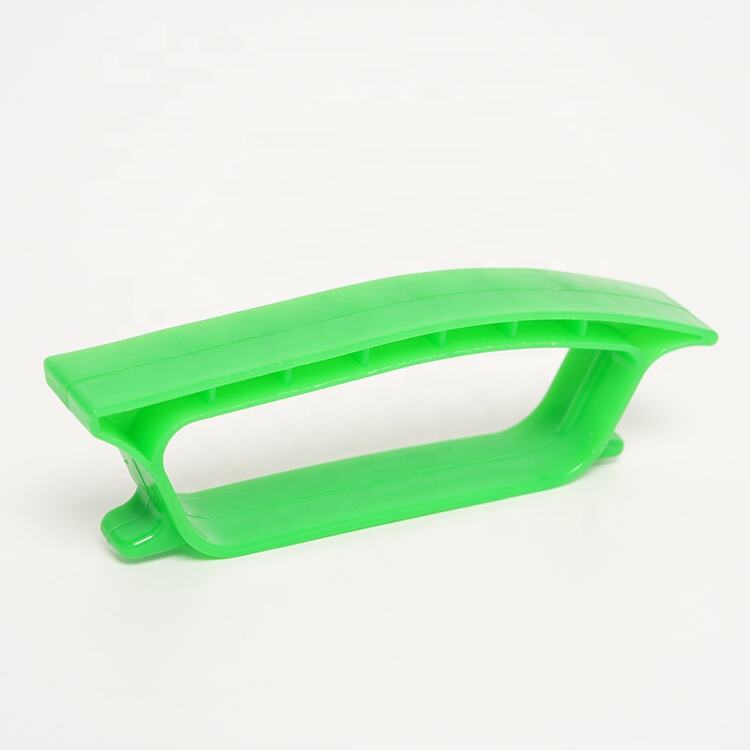
The bottle handle represents a crucial component in packaging design that transforms ordinary containers into user-friendly vessels for various applications. This ergonomic attachment serves as the primary interface between consumers and bottled products, enabling secure grip, controlled pouring, and effortless transportation. Modern bottle handle designs incorporate advanced materials and engineering principles to deliver optimal performance across diverse industries including beverages, chemicals, household products, and industrial applications. The bottle handle functions as both a practical tool and a design element that enhances the overall user experience while maintaining structural integrity under various operating conditions. Contemporary bottle handle manufacturing utilizes high-grade polymers, reinforced plastics, and specialized compounds that provide exceptional durability and resistance to environmental factors. These handles undergo rigorous testing protocols to ensure they meet international safety standards and performance requirements. The technological features of modern bottle handle designs include ergonomic contours that reduce hand fatigue, anti-slip textures for enhanced grip security, and reinforced attachment points that distribute load forces evenly across the container structure. Advanced bottle handle systems incorporate features such as integrated pour spouts, measurement indicators, and child-resistant mechanisms depending on the specific application requirements. The manufacturing process involves precision molding techniques, quality control systems, and material optimization to create handles that withstand repeated use cycles while maintaining their functional properties. Applications for bottle handle systems span across multiple sectors including food and beverage packaging, cleaning product containers, automotive fluids, agricultural chemicals, and pharmaceutical preparations. Each application demands specific performance characteristics that influence the bottle handle design parameters, material selection, and attachment methodology to ensure optimal functionality and safety compliance.

Popular Products

The primary advantage of implementing a bottle handle system lies in its ability to significantly enhance user safety and control during handling operations. Users experience improved grip stability, which directly reduces the risk of accidental drops and potential injuries associated with handling heavy or slippery containers. This enhanced safety factor becomes particularly crucial when dealing with hazardous materials, hot liquids, or valuable contents where spillage prevention is paramount. The ergonomic benefits of a well-designed bottle handle cannot be overstated, as it distributes weight evenly across the hand and fingers, reducing strain and fatigue during extended handling periods. This ergonomic advantage translates into increased productivity in professional environments where workers handle multiple containers throughout their workday. The bottle handle design also facilitates precise pouring control, allowing users to direct liquid flow accurately without creating mess or waste, which proves especially valuable in food service, laboratory, and industrial applications. Another significant advantage stems from the improved portability that bottle handle systems provide, enabling users to transport containers more efficiently and securely. This portability enhancement reduces the need for additional carrying equipment and allows for better space utilization during storage and transportation. The bottle handle construction typically incorporates materials that resist chemical degradation, temperature extremes, and UV exposure, ensuring long-term performance reliability even in demanding environments. Cost-effectiveness represents another compelling advantage, as bottle handle systems often eliminate the need for separate carrying devices or specialized handling equipment, reducing overall operational expenses. The versatility of bottle handle designs allows manufacturers to adapt them for various container sizes and applications without requiring extensive retooling or significant investment in new production equipment. Furthermore, the presence of a bottle handle often enhances the perceived value of the product, making it more attractive to consumers who prioritize convenience and usability. The installation process for most bottle handle systems is straightforward and can be integrated into existing production lines without major modifications, providing manufacturers with an efficient upgrade path for their packaging solutions.

Latest News

The Engineering Behind a Carbonated Beverage Cap: Handling High Pressure

13

Mar

The Engineering Behind a Carbonated Beverage Cap: Handling High Pressure

The engineering complexity behind a carbonated beverage cap extends far beyond its simple appearance, requiring sophisticated design principles to withstand internal pressures that can reach up to 4 atmospheres. Modern carbonated beverage cap systems...
View More
How to Customize Your PP Cap for Premium Product Packaging

19

Mar

How to Customize Your PP Cap for Premium Product Packaging

Customizing your PP Cap for premium product packaging represents a strategic approach to elevating brand perception and creating distinctive market positioning. The polypropylene cap industry has evolved significantly, offering manufacturers and bran...
View More
Understanding Different Bottle Cap Sizes: 28mm, 30mm, 38mm and More

02

Apr

Understanding Different Bottle Cap Sizes: 28mm, 30mm, 38mm and More

Understanding bottle cap sizes is essential for manufacturers, bottlers, and packaging professionals who need to ensure proper sealing, functionality, and compatibility across their product lines. The diameter measurements of bottle caps, particularl...
View More
Testing Carbonated Beverage Cap Performance Under Extreme Temperatures

30

May

Testing Carbonated Beverage Cap Performance Under Extreme Temperatures

Testing carbonated beverage cap performance under extreme temperatures represents a critical quality assurance process that directly impacts product safety, consumer satisfaction, and brand reputation. The carbonated beverage cap serves as the primar...
View More

Get a Free Quote

Our representative will contact you soon.
Email
Phone/Whatsapp
Company Name/Name
Message
0/1000

bottle handle

Superior Ergonomic Design for Enhanced User Comfort

Superior Ergonomic Design for Enhanced User Comfort

The ergonomic excellence of modern bottle handle systems represents a fundamental breakthrough in packaging usability that directly addresses human factors engineering principles. These handles feature carefully crafted contours that naturally conform to the human hand anatomy, distributing pressure points evenly across the palm and fingers to minimize strain during extended use periods. The ergonomic design incorporates scientific research on grip patterns, hand size variations, and force distribution to create handles that accommodate users across different demographics and physical capabilities. Advanced bottle handle designs utilize textured surfaces and finger indentations that provide secure grip even when hands are wet, oily, or wearing protective gloves, making them ideal for industrial, kitchen, and laboratory environments. The handle curvature follows natural wrist positioning to reduce repetitive strain injuries and promote comfortable handling angles during pouring, carrying, and storage operations. Material selection for ergonomic bottle handle construction focuses on compounds that maintain their grip properties across temperature ranges while providing cushioning effects that reduce hand fatigue. The ergonomic benefits extend beyond basic comfort to include improved control precision, allowing users to execute delicate pouring operations with greater accuracy and confidence. This enhanced control becomes particularly valuable in professional settings where precise measurements and controlled dispensing are critical for operational success. The ergonomic design also considers the psychological aspects of user interaction, creating handles that feel substantial and secure in the hand, which builds user confidence and reduces anxiety associated with handling potentially hazardous or valuable materials. Testing protocols for ergonomic bottle handle designs include extensive human factor studies, grip strength analyses, and long-term comfort evaluations to ensure optimal performance across diverse user populations and application scenarios.
Advanced Material Technology for Maximum Durability

Advanced Material Technology for Maximum Durability

The material technology behind contemporary bottle handle manufacturing represents a sophisticated blend of engineering polymers, reinforcement systems, and surface treatments that deliver exceptional performance characteristics across demanding applications. These advanced materials undergo rigorous selection processes based on criteria including tensile strength, impact resistance, chemical compatibility, temperature stability, and environmental stress resistance to ensure reliable operation throughout the product lifecycle. Modern bottle handle construction utilizes high-performance thermoplastics that maintain their structural integrity under extreme conditions while providing the flexibility needed for comfortable user interaction. The material formulations incorporate specialized additives that enhance UV resistance, preventing degradation and discoloration when exposed to sunlight during outdoor storage or transportation. Chemical resistance properties are particularly crucial for bottle handle applications involving aggressive substances, cleaning agents, or industrial chemicals, where material compatibility directly impacts user safety and product longevity. The manufacturing process includes precision molding techniques that eliminate weak points and stress concentrations, creating handles with uniform material distribution and consistent performance characteristics. Advanced surface treatments applied to bottle handle materials provide additional benefits including antimicrobial properties, enhanced grip texture, and improved aesthetics that maintain their appearance over extended use periods. The material technology also addresses environmental considerations through the incorporation of recyclable compounds and sustainable manufacturing processes that reduce ecological impact while maintaining performance standards. Quality control systems monitor material properties throughout production to ensure each bottle handle meets specified performance criteria including load-bearing capacity, fatigue resistance, and dimensional stability. The durability advantages of advanced material technology translate into reduced replacement costs, improved user satisfaction, and enhanced brand reputation through consistent product performance over time.
Versatile Application Compatibility Across Industries

Versatile Application Compatibility Across Industries

The versatility of modern bottle handle systems enables seamless integration across diverse industry sectors, from food and beverage production to chemical processing and pharmaceutical manufacturing, demonstrating remarkable adaptability to varying operational requirements. This cross-industry compatibility stems from modular design approaches that allow customization of handle specifications including size, attachment methods, load capacity, and material selection to match specific application demands. The food and beverage industry benefits from bottle handle designs that comply with strict hygiene standards, featuring smooth surfaces that resist bacterial growth and facilitate thorough cleaning procedures required for food safety compliance. Chemical industry applications require bottle handle systems that withstand exposure to corrosive substances, extreme temperatures, and aggressive cleaning protocols while maintaining structural integrity and user safety throughout the product lifecycle. Pharmaceutical applications demand handles that meet stringent regulatory requirements for material purity, contamination control, and traceability, often requiring specialized documentation and certification processes. The automotive and industrial sectors utilize bottle handle systems designed for heavy-duty applications involving lubricants, coolants, and maintenance fluids, where durability and reliable performance under harsh conditions are paramount. Agricultural applications benefit from bottle handle designs that resist UV degradation, chemical exposure from pesticides and fertilizers, and rough handling conditions typical of farming operations. Household product manufacturers appreciate the consumer-friendly aspects of bottle handle systems that enhance product appeal while providing practical benefits for end users handling cleaning supplies, personal care products, and maintenance items. The versatility extends to packaging formats, with bottle handle systems available for containers ranging from small laboratory bottles to large industrial drums, each optimized for specific handling requirements and user capabilities. This broad application compatibility reduces inventory complexity for manufacturers who serve multiple markets, allowing standardization of handle designs across product lines while maintaining performance optimization for specific use cases.

Get a Free Quote

Our representative will contact you soon.
Email
Phone/Whatsapp
Company Name/Name
Message
0/1000